
How Texting AI Helps You Stay Consistent in Business Messaging
Learn how texting AI can help you stay consistent in business messaging. Discover how TextUs uses AI for efficient business texting.

Written by
Adam Hamdan
Published
February 19, 2026
Many teams struggle with texting because messages pile up fast, response times slip, and follow-up depends too much on individual reps.
As volume grows, conversations become harder to track, and important leads or customer requests can get missed.
AI changes that by adding structure and speed to SMS communication. Instead of writing every reply from scratch, teams can use AI to send faster responses and guide conversations through planned message flows.
In this article, we will break down the importance of AI in texting and the main ways teams use it in sales, marketing, recruiting, and customer communication. You will also learn what to look for in a texting AI platform to make AI-driven texting easier to manage.
TL;DR
- AI turns SMS into a measurable channel that improves results for sales, recruiting, and marketing.
- Teams use AI for lead response, qualification, appointment scheduling, customer support, service updates, campaign messaging, re-engagement, candidate screening, interview reminders, internal alerts, and human handoff.
- AI texting is powered by NLP, machine learning, predictive insights, smart templates, reporting dashboards, and CRM or ATS integrations.
- A strong SMS marketing setup starts with choosing the right AI texting platform, setting up SMS compliance, training your AI model, building structured conversation flows, and testing performance regularly.
- TextUs is built for AI-driven business texting with two-way messaging, shared inbox features, workflow triggers, scheduling, personalization, compliance tools, and reporting.
The Value of AI in Business Text Messaging
AI changes business texting from a simple communication tool into a measurable performance channel. It adds structure to conversations and turns SMS into a system that can be optimized over time.
Here’s how different departments benefit from AI in business text messaging:
- Sales: AI texting engages leads instantly, schedules meetings, and flags high-intent prospects based on customer relationship management (CRM) signals so reps can prioritize active opportunities.
- Recruiting: Automated reminders, interview scheduling, and structured follow-ups keep candidates moving through the hiring process.
- Marketing: AI-powered segmentation and behavior-based triggers allow marketers to send personalized promotions based on real engagement data.
Beyond department use cases, AI adds measurable visibility. Reporting dashboards track open rates, response rates, clicks, and outcomes. Managers can adjust message timing, wording, and follow-up strategy based on real performance data.
When connected to systems like Salesforce, HubSpot, or applicant tracking systems (ATS), AI-powered texting becomes integrated into daily workflows. The result is faster and smarter communication that aligns with pipeline activity and business goals.
How Teams Use AI in Texting
Many teams use AI in texting to manage conversations, respond faster, and keep communication consistent. Here's how different teams use texting AI in real business settings.
Lead Response
AI is widely used for lead response because speed impacts conversions. A typical AI texting workflow for lead response includes greeting the lead, asking a few basic questions, and routing the conversation to a rep.
Lead Qualification
After the first reply, AI can continue the conversation and collect key details. Qualification texting usually focuses on questions like service needs, location, budget range, timeline, or preferred contact time.
Appointment Scheduling
Teams use texting AI to schedule calls, demos, and service appointments. AI can offer available time slots, confirm bookings, and send reminders before the meeting.
Customer Support
AI in customer service messaging can handle common questions, reduce wait times, and manage high message volume. It can respond with order updates, reset instructions, account details, or policy answers.
Service Updates
Many businesses use AI texting to send service updates, confirmations, and status messages. These messages are usually short, practical, and expected by the customer.
Campaign Messaging
Marketing teams use AI to run SMS marketing campaigns and follow-ups. Campaign messaging includes promotions, event reminders, seasonal offers, and product announcements.
Customer Re-Engagement
Re-engagement is a common use case for AI, especially for businesses with repeat customers. It can message inactive contacts, follow up after a quote, or check in after a missed appointment.
Candidate Screening
Recruitment teams use AI in the recruitment process to screen candidates and manage early-stage communication. It can ask basic questions, confirm interest, and share next steps.
Interview Reminders
Candidates respond faster through text than email, which reduces no-shows. AI can send reminders a day before, the morning of, and even 15 minutes before the interview.
Internal Alerts
Some organizations use AI for internal updates, especially in operations-heavy industries. These alerts can include shift reminders, schedule changes, task assignments, and deadline notifications.
Human Handoff
Most teams use AI with a handoff process. It handles first contact and routine replies, then a human takes over when the conversation needs deeper context, negotiation, or problem-solving.
The Technology Behind AI Texting Platforms
AI in texting works by reading incoming messages, understanding the intent behind them, and generating a response that matches the conversation.
- Natural language processing (NLP): Allows platforms to understand intent and sentiment, which supports smarter replies and message recommendations.
- Machine learning: Reviews past interactions and improves suggestions over time, such as recommending stronger templates or better send times based on performance.
- Predictive analytics: Uses customer behavior data to improve message timing and content, so texts match real engagement patterns.
- Smart templates and message suggestions: Speed up outreach by giving reps ready-to-send messages that stay on-brand, without writing every text from scratch.
- Real-time reporting dashboards: Give managers visibility into open rates, response rates, and campaign performance so that messaging can be adjusted based on real data.
- CRM and ATS integrations: Automatically log all communications and enable teams to trigger messages based on workflow activity, keeping records complete and follow-up consistent.
Together, these technologies create smarter AI text interactions built on insights from every conversation. The AI language model plays a key role in adapting tone, structure, and timing to match how people respond.
How to Use AI for Your SMS Marketing Strategy
AI can improve every stage of your process, from audience targeting to follow-up timing. Here are the steps to use AI in your SMS marketing strategy:
1. Choose the Right AI Texting Platform
Your choice impacts everything from response speed to reporting quality. The best SMS marketing platform should support real workflows, not just basic automation.
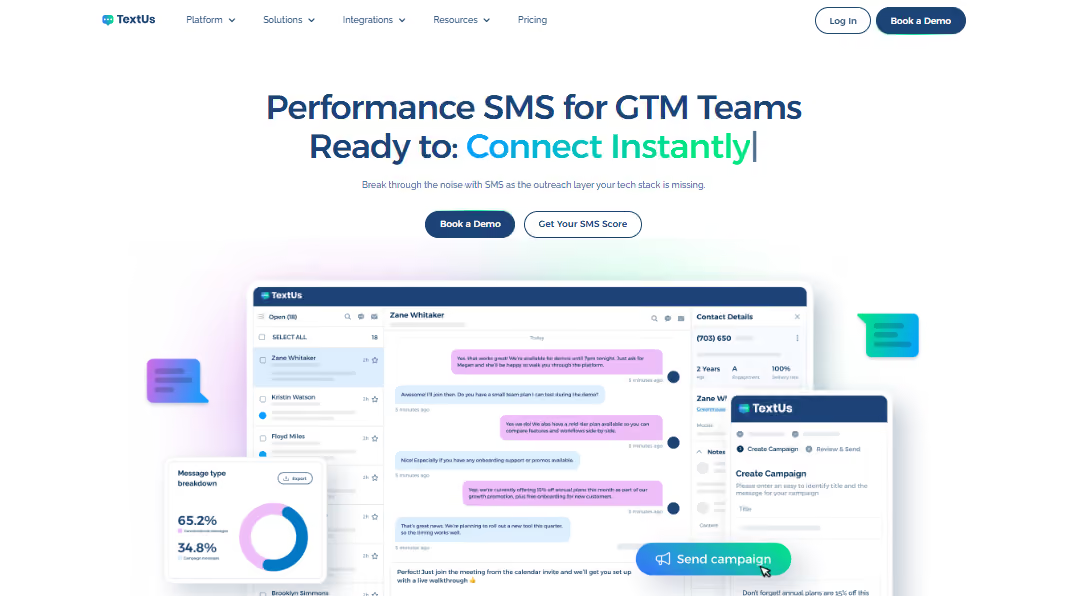
It should also make it easy for teams to stay consistent, compliant, and organized, while keeping full chat history tied to each contact record.
TextUs stands out as the best texting solution for AI-driven texting. It combines practical SMS features with a user-first experience. Here's why you should choose TextUs:
- Two-way business texting: Allows real-time two-way SMS conversations through a shared team inbox and reduces the need to rely on voice calls for every interaction
- User-friendly inbox: Works on desktop, mobile, and Chrome extension, so your team can text from anywhere and keep conversations organized for different agents
- Message scheduling: Schedule texts in advance based on campaign timing or outreach plans
- Automated workflow triggers: Send tailored messages automatically after actions such as form fills, missed calls, or status changes in your system
- Smart templates and saved replies: Provides structured templates and suggested responses, while allowing reps to draft and polish messages before sending
- Bulk text messaging with personalization fields: Large campaigns can include contact-specific details like name, company, or role
- CRM and ATS sync: Connects with tools like Salesforce and ATS platforms so messages stay logged and tied to your workflow
- Support and onboarding: Includes guided setup, fast support, and long-term success support as usage grows
- Link tracking and reporting dashboards: Provides reporting on open rates, response rates, and link engagement
- Opt-in and opt-out management: Tracks consent and processes unsubscribe requests automatically for SMS compliance
- Trusted by many industries: Supports recruiting, sales, marketing, and operations, with 626+ G2 reviewers backing its value
If your goal is smarter communication, stronger follow-up, and cleaner workflows, TextUs offers a centralized platform built for real teams. Book a demo today!
2. Set Up SMS Compliance and Consent
Before launching any texting campaign, you must confirm that every contact has given permission to receive messages. SMS marketing is regulated, and noncompliance can result in fines, blocked numbers, or damage to your brand reputation.
Start by collecting SMS opt-in consent. This can happen through website forms, keyword opt-ins, event sign-ups, or written agreements.
The consent language should state that the person agrees to receive text messages and understands that message and data rates may apply.
You also need to follow regulations such as the Telephone Consumer Protection Act (TCPA) in the United States. These rules require transparency about how you use contact data and how people can withdraw permission.
3. Train Your AI Chat Model
Training your generative AI model is what makes AI-generated text sound like your brand rather than a generic chatbot.
Start by setting the tone. Decide how formal your messages should be, what phrases your brand uses, and what language you want to avoid.
This reduces the chance of message typos and tone issues, even when multiple reps or departments are texting the same audience.
Next, build a strong base of messaging content. Most businesses train AI using past conversations, high-performing templates, common questions, and approved responses. This gives the AI a reference for how your business communicates in real situations.
Training also includes guardrails. You need rules around SMS compliance, sensitive topics, and scenarios where AI should not continue the conversation. For example, billing disputes, legal requests, or emotional customer complaints should be routed to a human.
4. Build Conversation Flows
Instead of sending random replies, the system follows a path based on what the contact says and what your business needs next.
Start by mapping the most common conversations your business has through SMS, and explore the points where customers tend to drop off.
Lead follow-up, appointment booking, customer questions, and campaign responses are usually the best place to begin. Each flow should have a starting message, a few decision points, and a defined end goal, with templates that can be copied and reused.
Next, write the key messages for each step. You have to keep them short and easy to respond to. Strong conversation flows guide people toward simple actions, like choosing a time, answering a question, or confirming interest.
5. Monitor Chat History and Improve Campaigns
Analyzing key metrics such as open rates, response rates, click rates, bookings, and conversions shows how people are reacting to your messages. If response rates are low, the issue may be timing, message length, or clarity of the call to action.
You need to compare two versions of the same message with small wording changes. Test different send times for your marketing messages and adjust follow-up intervals.
You should also look for points where people stop responding or ask for clarification. A spike in unsubscribes can signal that messaging frequency or tone needs adjustment.
These moments reveal gaps in your message flow or areas where the AI needs refinement.
See How TextUs Brings AI and SMS Together
AI texting is only as strong as the platform behind it. If your goal is faster replies, structured follow-up, and measurable results, your system needs to connect conversations to workflow activity.
TextUs is designed to make that shift practical. With two-way business texting, workflow triggers, CRM integration, scheduling, and reporting dashboards, TextUs brings AI-driven texting into one organized system.
This SMS platform keeps your campaigns structured, gives managers more control, and helps teams deliver a smoother experience that keeps customers happy.
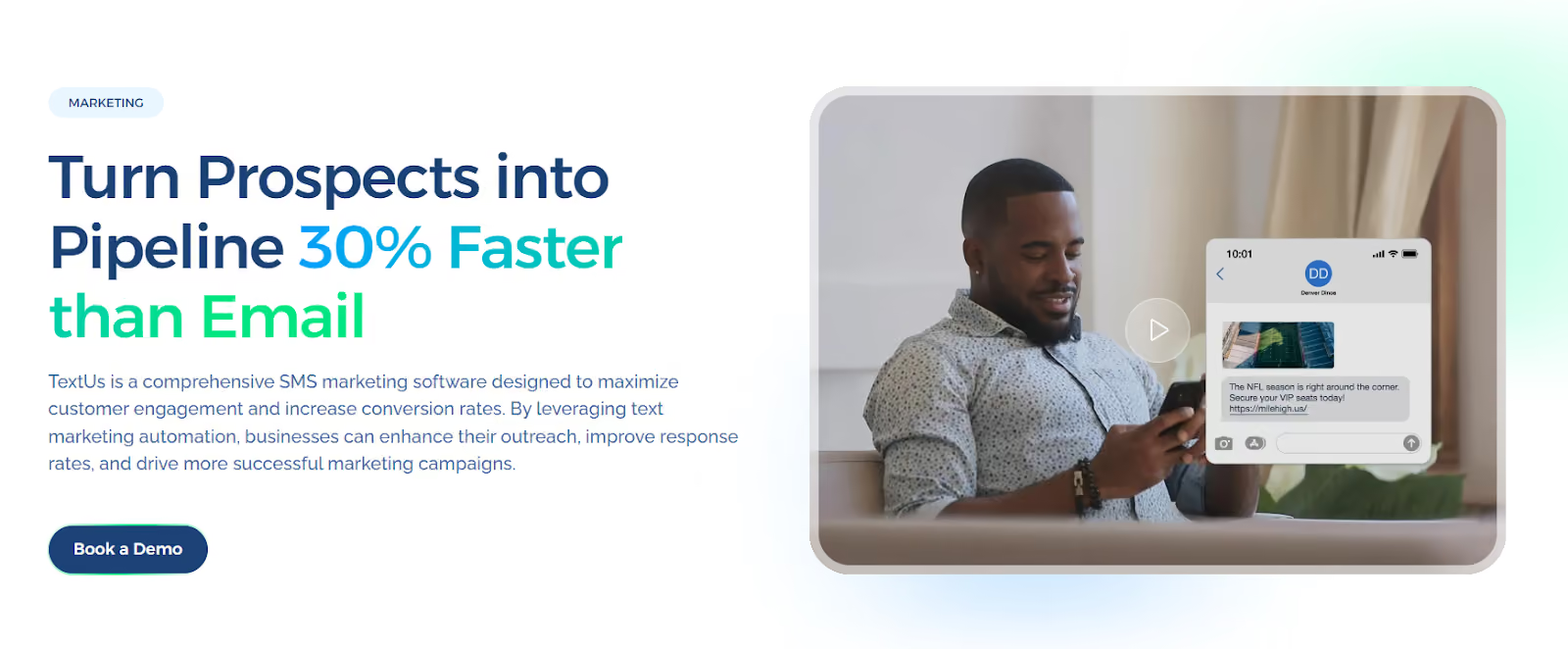
Make AI-powered texting part of your primary communication strategy. Book a demo with TextUs and see how your team can manage smarter, faster, and more organized conversations!
FAQs About Texting AI
Is there an AI you can text?
Yes. Some AI tools let you message an AI through a chat-style interface inside a mobile app, while business platforms use texting AI inside an SMS inbox.
Many consumer tools feel more conversational and even fun, while business systems focus on structured workflows and secure login access.
What is the best AI for text?
The best AI for text depends on your goal. For personal use, the best option is an AI tool that can write and rewrite messages in your tone, generate quick ideas, and even adjust wording to match different audiences or age groups.
TextUs is the best SMS platform as it supports business texting workflows while keeping communication organized and trackable. Teams can also include an image through MMS and maintain a consistent professional tone.
How do you do an AI text?
You can type a short prompt into an AI writing tool to generate a message, then review and adjust it before sending.
You can also use a texting platform that suggests replies inside your inbox. It allows you to paste approved templates or make quick bug fixes before sending.
How do I use AI in my text messages?
Start by using AI to improve message quality and speed. AI can generate outreach texts, rewrite tone, shorten long messages, and suggest replies based on context.
It can also help organize your thoughts, draft content for more difficult conversations, and provide simple advice on wording.
For business texting, a platform like TextUs makes this easier because AI tools sit inside the same inbox your team already uses for sales, recruiting, and customer communication.
Continue Reading



Frequently Asked Questions
How does AI help businesses send more consistent text messages?
AI in texting helps teams send faster, more consistent responses by suggesting replies, automating routine follow-ups, and routing conversations intelligently. It reduces the variability that comes from individual reps managing high message volumes manually.
What are the main use cases for AI in business text messaging?
Common AI texting use cases include automated first-touch replies, suggested response recommendations, lead qualification through SMS conversations, appointment scheduling, and escalation routing when human involvement is needed.
Does using AI for texting feel impersonal to recipients?
Not when done well. AI-assisted texting that uses personalization, conversational tone, and proper context feels natural rather than robotic. The goal is to augment human communication, not replace it entirely.
Business Texting
Built for Results
Create and convert pipeline at scale through industry leading SMS software