
15 Employee Retention Strategies to Reduce Turnover
Explore 15 effective employee retention strategies and learn how to reduce turnover. Learn how to retain employees with everyday communication.

Written by
Adam Hamdan
Published
October 14, 2026

Remote work and changing expectations have reshaped what employees want from the companies they join.
Work has also become more flexible, distributed, and competitive, which makes employee retention a bigger challenge for many organizations.
Nowadays, employees are looking for more than just a decent paycheck. They want to work in an environment where they feel appreciated and heard.
Strong employee retention strategies address these expectations through communication, support, growth opportunities, recognition, flexibility, and workplace culture.
In this article, you’ll learn the common signs of retention problems and practical strategies to keep employees longer.
TL;DR
- Watch for early retention warning signs across attendance, engagement, management, and tenure to address problems before resignations increase costs.
- Employee retention improves through competitive pay, recognition, career growth, manager support, SMS updates, work-life balance, open communication, flexibility, surveys, culture, onboarding, stay interviews, meaningful work, better processes, and personalized strategies.
- TextUs strengthens employee retention with real-time SMS, two-way conversations, automation, campaigns, surveys, and workforce communication at every stage.
Signs You May Have an Employee Retention Problem
Retention problems can show up before resignation letters start arriving.
A rise in employee turnover is an obvious warning sign. But changes in attendance, engagement, career interest, and manager relationships point to trouble much earlier.
You need to watch for these signs:
- Rising voluntary turnover
- Short employee tenure
- Higher absenteeism
- Lower employee engagement
- Reduced participation
- Employees no longer seeking professional development opportunities
- Increased complaints about workload or poor management
- Low internal mobility
- Difficulty filling internal positions
- Multiple resignations from the same department or manager
- Negative exit interview patterns
Several of these patterns may point to deeper workplace issues and explain why employees leave.
It's important that you review trends by department, role, manager, location, and tenure to identify where problems are concentrated instead of relying only on company-wide averages.
Prompt action on these warning signs also has a financial benefit. Replacing a departing employee adds recruitment costs, training time, and lost productivity while the position remains open.
A stronger retention strategy lets you address the causes behind resignations before they become recurring problems.
15 Effective Employee Retention Strategies
Strong talent retention starts with understanding what employees need to stay committed and supported.
Below are 15 effective retention strategies you can use to strengthen the employee experience and reduce preventable departures.
1. Offer Competitive Compensation and Benefits
Pay remains a major factor in whether employees stay or explore the job market.
Regular compensation reviews show whether you provide fair compensation based on role, experience, performance, and current market conditions.
Benefits also shape the overall value of staying with your company. Health coverage, paid leave, retirement plans, and other relevant benefits boost your overall retention strategy.
2. Provide Feedback and Recognition
Regular feedback gives employees a better sense of how their work contributes to your organization.
A quick text after a customer win, completed project, work anniversary, or strong performance makes employees feel valued for both major achievements and everyday effort.
Text messaging also supports constructive feedback when a short, direct conversation matters more than waiting for the next performance review.
Managers can address a recent success, clarify expectations, or follow up after a challenge without turning every interaction into a formal evaluation.
TextUs supports SMS campaigns, reusable text templates, scheduled recognition messages, and individual conversations for everyday appreciation and formal recognition programs.
Book a demo with TextUs today and see how texting can boost employee retention!
3. Create Career Development and Growth Opportunities
Employees may start looking elsewhere when they cannot see a path forward.
You can offer professional development, training, certifications, stretch assignments, and career development programs that connect current roles with future possibilities.
Mentorship programs also connect top talents with experienced colleagues who can provide guidance and career perspective.
Where appropriate, benefits such as tuition reimbursement can support longer-term learning goals and professional employee growth.
4. Train Managers to Support Employee Retention
Managers influence workload, recognition, communication, and the overall employee experience.
Training managers in coaching, conflict resolution, feedback, and leadership skills reduces avoidable problems that push good employees away.
Regular manager check-ins also create space to discuss performance, workload, and staff's expectations before small concerns become resignation reasons.
5. Keep Employees Updated
Texting keeps valuable employees connected to important company information even when they work in different locations, shifts, or job sites.
Remote, frontline, distributed, and deskless staff all benefit from a communication channel that doesn't depend on constant email access.
TextUs supports real-time workforce communication through conversational SMS. Employees and managers stay connected when questions or last-minute changes come up.
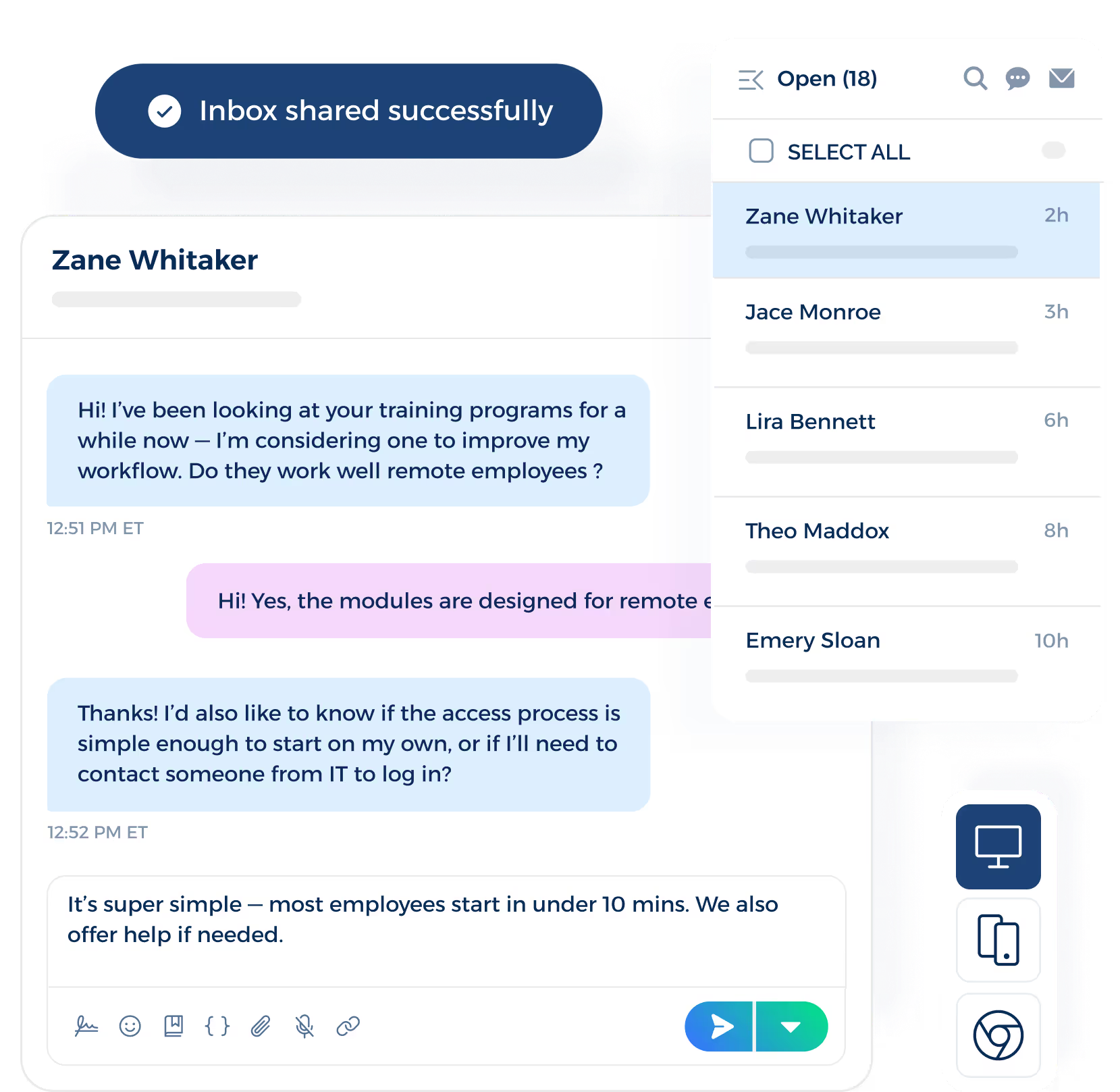
Shared inboxes also provide multiple staff members with visibility into ongoing conversations. It reduces missed messages when teams need to assign work, cover shifts, or respond to employee questions.
Employees also have access to TextUs through the mobile app, Chrome extension, and web app. This keeps communication accessible regardless of the work setting.
Managers can stay responsive whether they're at a desk, moving between locations, or working inside other applications.
6. Support Work-Life Balance
Long hours and constant pressure contribute to a poor work-life balance, even when employees enjoy their roles.
Reasonable workloads, time-off policies, flexible work schedules, and manageable after-hours expectations support a healthy work-life balance and stronger employee morale.
Your retention plan may also include wellness resources, access to mental health support, and policies that protect employee well-being.
These efforts show that performance expectations don't have to come at the expense of personal health.
7. Keep Open Channels of Communication
Creating an open line of communication is crucial for retaining employees. Texting makes everyday communication more immediate and accessible.
Staff can ask about schedules, policies, benefits, workplace issues, or role expectations without waiting for the next meeting or sorting through long email threads.
Managers also gain more opportunities to check in, clarify misunderstandings, and respond before small issues turn into larger frustrations.
Open communication also shows a better sense of employee sentiment. When they have an easy way to speak up, you gain more visibility into recurring concerns and communication gaps.
8. Give Employees More Flexibility
Workplace flexibility goes beyond remote work. Depending on the role, you may offer shift swaps, flexible start and end times, hybrid schedules, or compressed workweeks.
For many employees, greater control over their schedules makes it easier to balance work with family needs, appointments, education, and other commitments.
Flexibility also reduces the strain that often comes with rigid schedules that leave little room for personal responsibilities.
The best approach depends on job requirements and employees' interests. Offering practical options that fit each role creates more choice for employees while keeping schedules and workloads manageable.
9. Use SMS Surveys to Gather Feedback
Texting can also be an excellent tool for getting employee feedback regularly. Surveys allow employees to share opinions about management, workload, and the overall workplace experience.
Frequent check-ins also reveal changes in employee satisfaction that an annual survey may not capture.
With a mass texting app, it's easier to reach large employee groups at once, especially when your workforce is spread between locations, shifts, or job sites.
Campaign reporting also shows response patterns over time. HR teams can compare participation, identify where engagement drops, and see which topics generate stronger employee responses.
10. Build a Workplace Culture
A strong company culture comes from how valued workers are treated each day.
Respect, accountability, trust, inclusion, and consistent leadership create a positive work environment where employees feel comfortable contributing.
Programs such as employee resource groups also create opportunities for connection and support. A positive workplace culture strengthens belonging and gives employees more reasons to build a future with your organization.
11. Strengthen Employee Onboarding
Employee retention starts before a new hire’s first day. During the onboarding process, you can use texting as a tool to introduce trainees to their team members and the organization's culture.
Texting positively impacts employees' connection with the organization and the people they work with. It can also be the first step to creating lasting emotional ties.
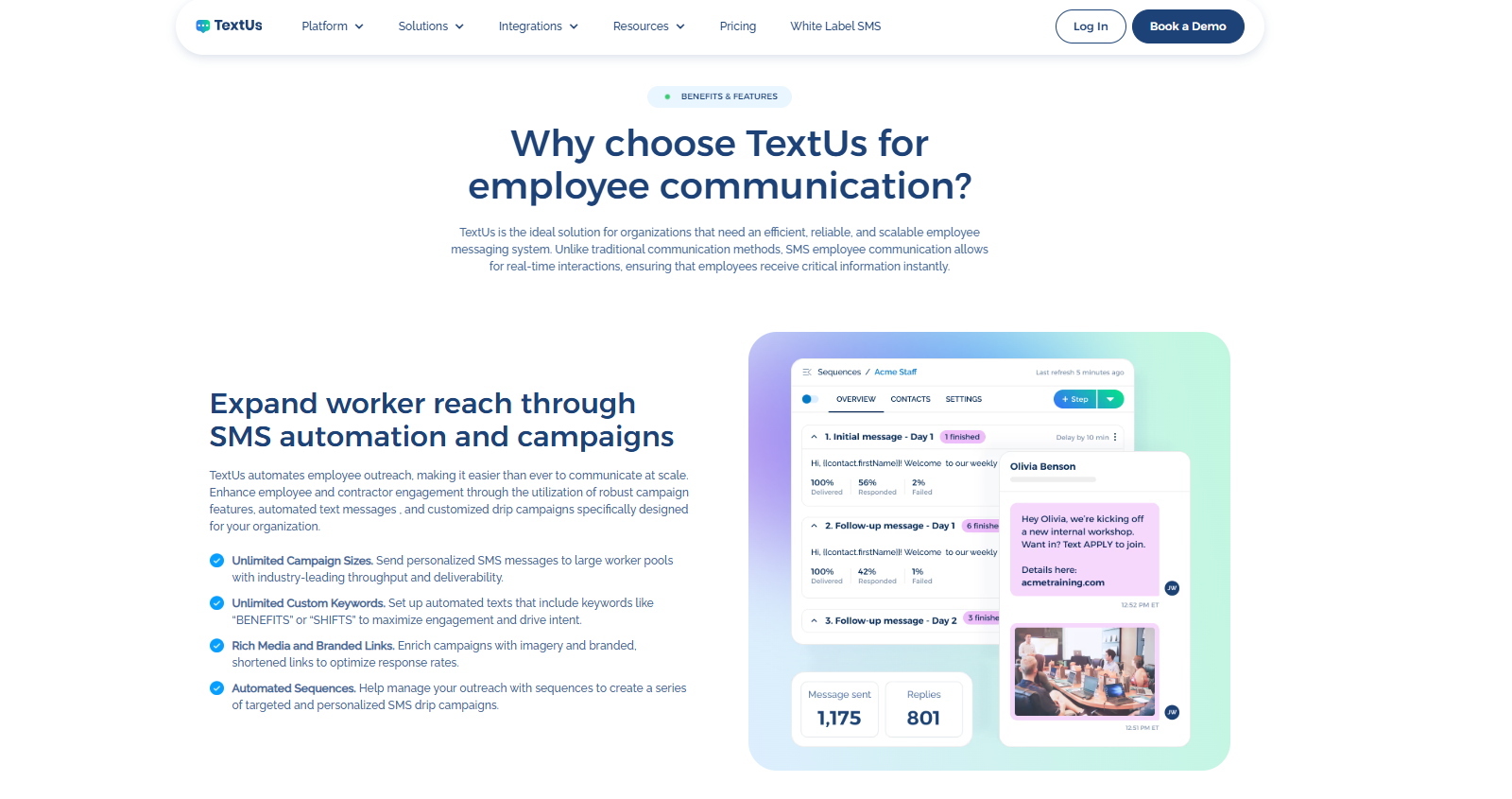
TextUs supports onboarding outreach through SMS automation, large-scale campaigns, and customized drip sequences.
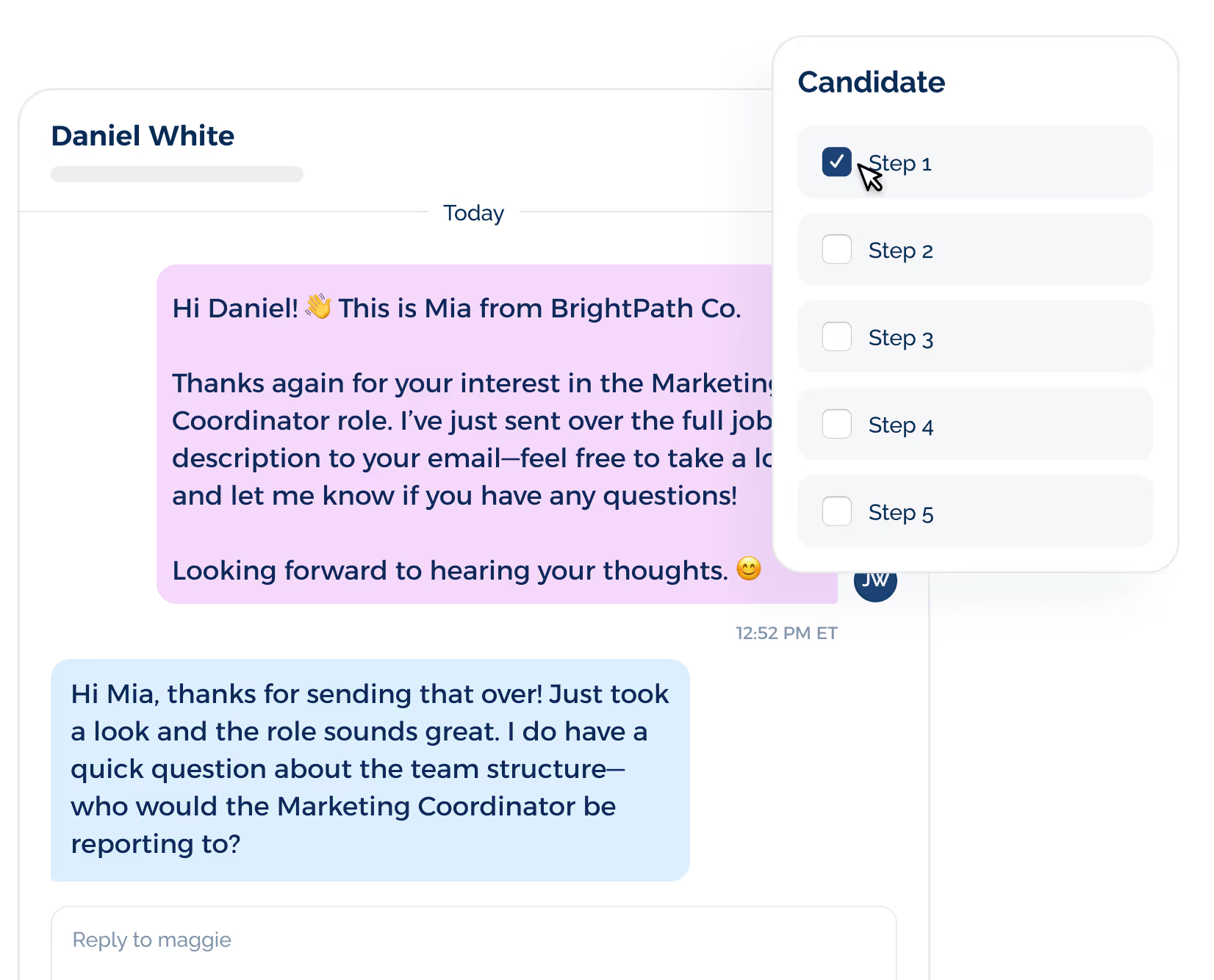
HR professionals set up a series of messages that guide new hires through preboarding, first-day instructions, training schedules, document reminders, and key check-ins.
12. Conduct Stay Interviews
Exit interviews tell you what went wrong after an employee has already decided to leave.
Stay interviews give you a chance to understand what current employees value, what frustrates them, and what might cause employees to leave if the issue goes unaddressed.
Questions may focus on workload, manager support, recognition, career path and opportunities, workplace relationships, and day-to-day challenges.
You need to review repeated themes for departments, roles, and managers. Those patterns could point to weaknesses in your retention approach before dissatisfaction turns into another resignation.
13. Give Meaningful Work and Role Clarity
Employees need to understand what you expect from them and how their work contributes to wider goals.
Defined responsibilities, realistic expectations, autonomy, and access to the right resources play an important role in enhancing job satisfaction.
You can also encourage employees to contribute ideas, take ownership of projects, and develop new skills. Greater involvement builds employee engagement and creates a more loyal workforce.
14. Improve Everyday Processes
Recurring problems with payroll, scheduling, approvals, HR processes, or workplace technology can wear employees down over time.
Review the everyday work environment to identify processes that create unnecessary frustration or make simple tasks harder than they need to be.
Better internal systems also reduce distractions for a productive workforce. Even small process improvements make the day-to-day experience more manageable for remaining employees.
15. Personalize Your Retention Strategies
The same retention approach will not address every department, role, or stage of employment.
To improve employee retention, focus resources on the issues that matter most to each employee group.
When you review retention patterns, consider employee count, tenure, location, manager, and workforce type.
New hires may need better onboarding, while experienced employees may prioritize career advancement or greater responsibility.
Turn Everyday Communication Into Stronger Retention With TextUs
Retention depends on what happens between major employee milestones. Staff need timely information, access to managers, and a way to raise employee concerns before frustration builds.
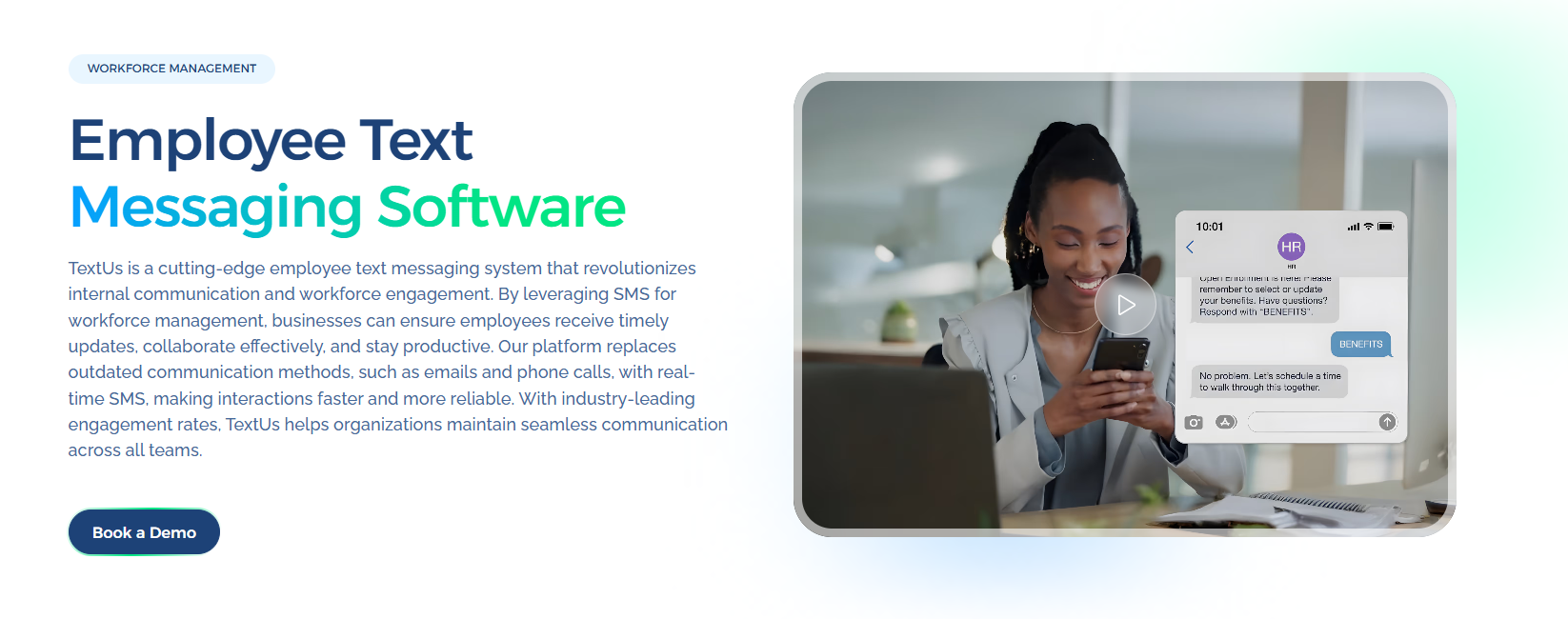
TextUs brings those interactions into texting. It extends workforce communication beyond email, meetings, and other channels that deskless or distributed employees may not check throughout the day.
You can use SMS to support onboarding, recognition, surveys, schedule updates, and two-way conversations throughout the employee lifecycle.
Book a demo with TextUs today to see how better communication supports stronger retention efforts and builds a more engaged workforce!
FAQs About Employee Retention Strategies
What are the five Cs of employee retention?
The five Cs of employee retention are commitment, compensation, career growth, culture, and communication. Together, these areas shape the employee experience and influence employee retention rates over time.
What are the top five employee retention strategies?
Five effective approaches include competitive compensation, career development, recognition, flexible work options, and supportive management, all of which support long-term professional growth.
What are the three Rs of employee retention?
The three Rs of employee retention are respect, recognition, and reward. This framework focuses on treating employees with respect, acknowledging their contributions, and rewarding strong performance.
Continue Reading



Frequently Asked Questions
Business Texting
Built for Results
Create and convert pipeline at scale through industry leading SMS software