
10 SaaS Marketing Examples for Better Customer Communication
Explore ten SaaS marketing examples and see how companies handle their customer communications. Discover how TextUs can help you do the same.

Written by
Adam Hamdan
Published
September 3, 2026

Software-as-a-service (SaaS) brands depend on recurring revenue and long-term customer relationships. But it’s not always easy to keep users engaged after they sign up.
If you want to succeed with SaaS digital marketing, you need a strong customer focus, useful education, and consistent touchpoints that guide users through the customer journey.
In this article, we'll examine some of the best marketing strategies SaaS companies use, with examples that demonstrate what works in real-world business settings.
You’ll find ideas for tackling common challenges and discover strategies you can adapt for your own marketing efforts.
TL;DR
- SaaS marketing requires a different approach because growth depends on retention, education, and long-term relationships rather than one-time purchases.
- We have listed ten SaaS marketing examples, showing how leading companies handle onboarding, content marketing, referrals, feature announcements, influencer campaigns, events, free tools, trial conversion, community support, and automation content to drive user growth and retention.
- Applying these tactics requires evaluating a business’s growth stage, starting with one proven approach, testing campaigns, tracking key metrics, and aligning your teams.
- TextUs is an SMS API provider that makes it easier to manage two-way conversations, automate lifecycle messaging, and integrate texting into existing SaaS workflows.
Why SaaS Marketing Requires a Specialized Approach
Unlike one-time purchases, SaaS platforms rely on recurring subscriptions, continued product use, and customer retention.
Because of this, your strategy should focus on building trust and providing value at every stage of the customer lifecycle, not just at the initial signup.
Since software cannot be experienced in a physical sense, your marketing should also build credibility through transparency and education.
Detailed product demonstrations, customer success stories, and step-by-step guides help prospects understand how the platform handles business challenges.
The buying process in the SaaS industry also involves input from technical teams, managers, and executives. When you deliver tailored messaging for each group in your target market and show a deep understanding of their needs, it positions your product against countless others.
Growth in SaaS comes from more than just gaining new users. Regular outreach, timely support, and helpful resources encourage customers to continue using your platform and explore additional features.
SMS marketing can help maintain these relationships. You can use text messaging to provide support updates, announce important account changes, or send reminders about new resources.
Education and long-term relationships are key aspects of effective SaaS marketing, not just the initial conversion. The better you communicate value throughout the lifecycle, the stronger your product’s foundation for sustainable growth.
10 Best SaaS Marketing Examples
Rather than following a one-size-fits-all formula, successful SaaS companies adapt their strategies to fit their wider audience, product, and growth stage.
You can use the examples below to pinpoint strategies that match your current goals and to spark new ideas for engaging and growing your customer base.
1. Slack: Onboarding and User Activation
Slack is recognized for its thoughtful approach to onboarding and user activation. Interactive tours, contextual tips, and checklists help users understand the platform’s value without feeling overwhelmed.
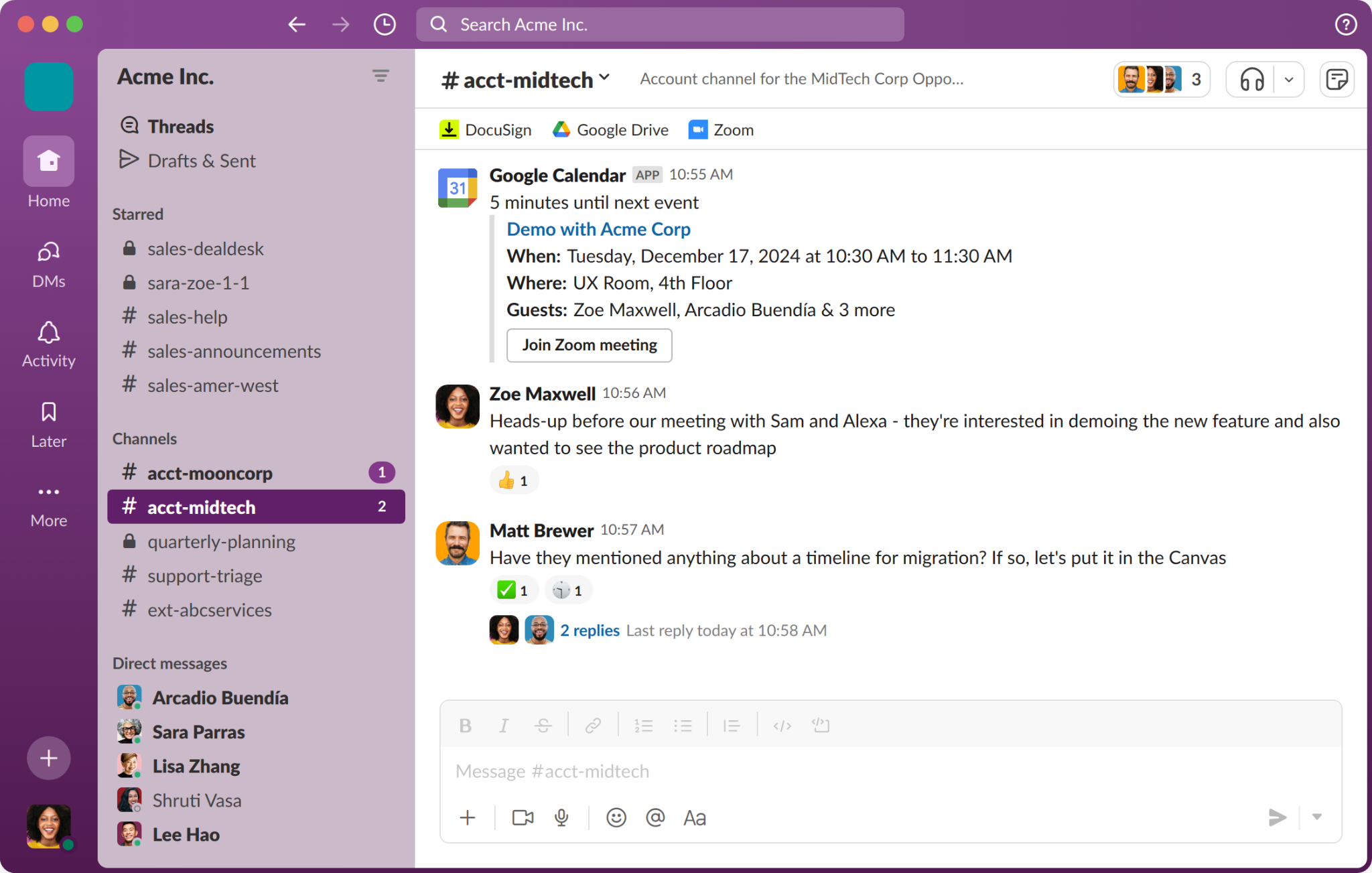
From the first login, Slack provides prompts that walk users through core actions, such as sending a message, joining a channel, or integrating other software products. These steps help teams experience the software early and begin building relationships around shared workflows.
Ongoing activation support continues after the initial setup. Users receive helpful reminders, invitations to join relevant channels, and suggestions for deeper integrations.
Slack's onboarding model shows how guided setup can help new users understand the product and begin participating in shared workflows. An onboarding process that informs and delights users can make the product feel more approachable from the first session.
2. HubSpot: Content Marketing
HubSpot attracts and educates its audience through an extensive library of blog posts, guides, videos, and free templates. It reflects a long-term SaaS content marketing strategy built around education rather than direct promotion.
The platform's content is crafted to solve real problems, answer common questions, and provide actionable strategies for marketers, sales professionals, and business leaders.
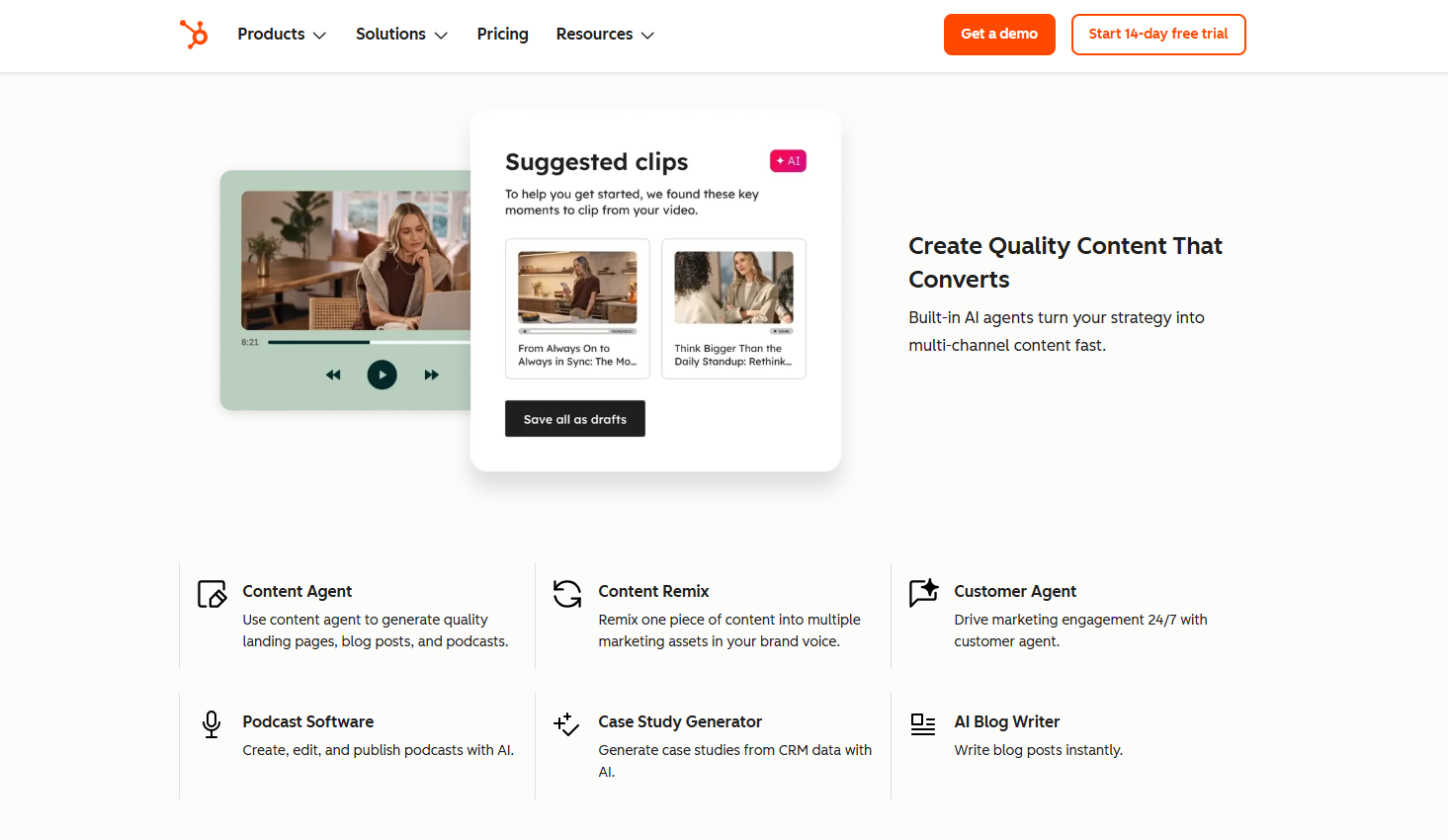
HubSpot focuses on relevant topics and maintains a steady publishing schedule, which makes its blog a go-to resource that draws steady organic traffic from every major search engine.
It helps prospects and customers better understand the value of inbound marketing and how to use the platform’s tools.
This consistent, helpful content supports HubSpot’s lead generation and customer education efforts. It also demonstrates how providing ongoing value can boost your content marketing strategy.
By creating content for different stages of the buying process, HubSpot supports both lead generation and nurturing leads over time.
3. Dropbox: Referral Marketing
Dropbox’s referral program is widely cited as one of the most effective referral campaigns in SaaS history. The program is easy to access and share via email or a unique referral link from the Dropbox interface.
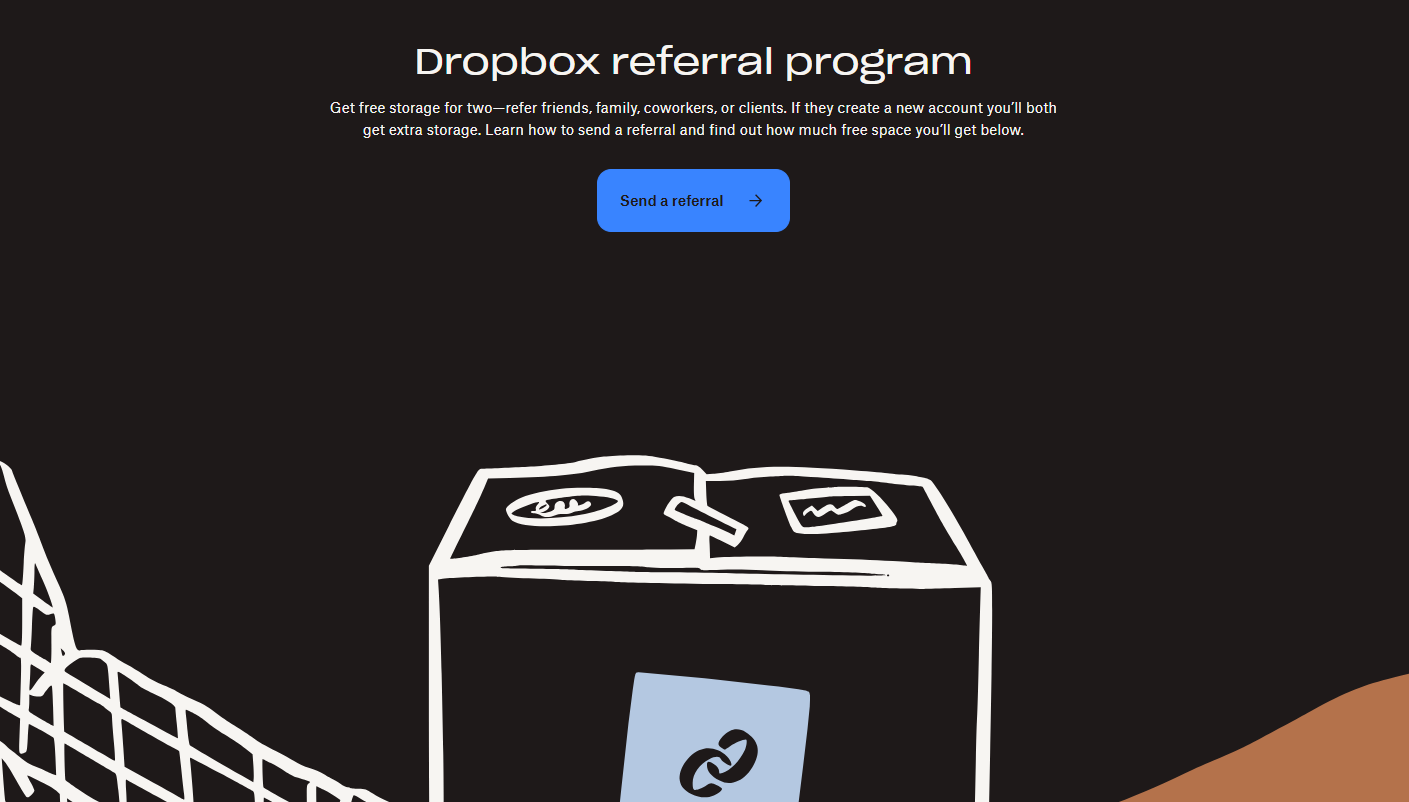
The company offered double-sided rewards for referrals, which encouraged both existing and new users to receive extra storage space when the invited person signed up and installed Dropbox.
This approach relied on word of mouth and created a viral growth loop that supported rapid business growth and expanded Dropbox's user base in a short period.
At its peak, the program helped the company grow with minimal marketing spend, turning satisfied customers into advocates who actively brought new users into the platform.
For SaaS businesses, Dropbox’s strategy shows how a strategic referral program can reduce customer acquisition costs and turn loyal users into a powerful source of new leads.
4. Airtable: Feature Launch Announcements
Airtable uses feature launch announcements as a key part of its SaaS marketing strategy. It regularly shares updates about new capabilities through marketing channels dedicated to product announcements.
Airtable’s public announcements highlight product developments, such as new AI tools, integration with other platforms, or expanded feature sets that help teams work better.
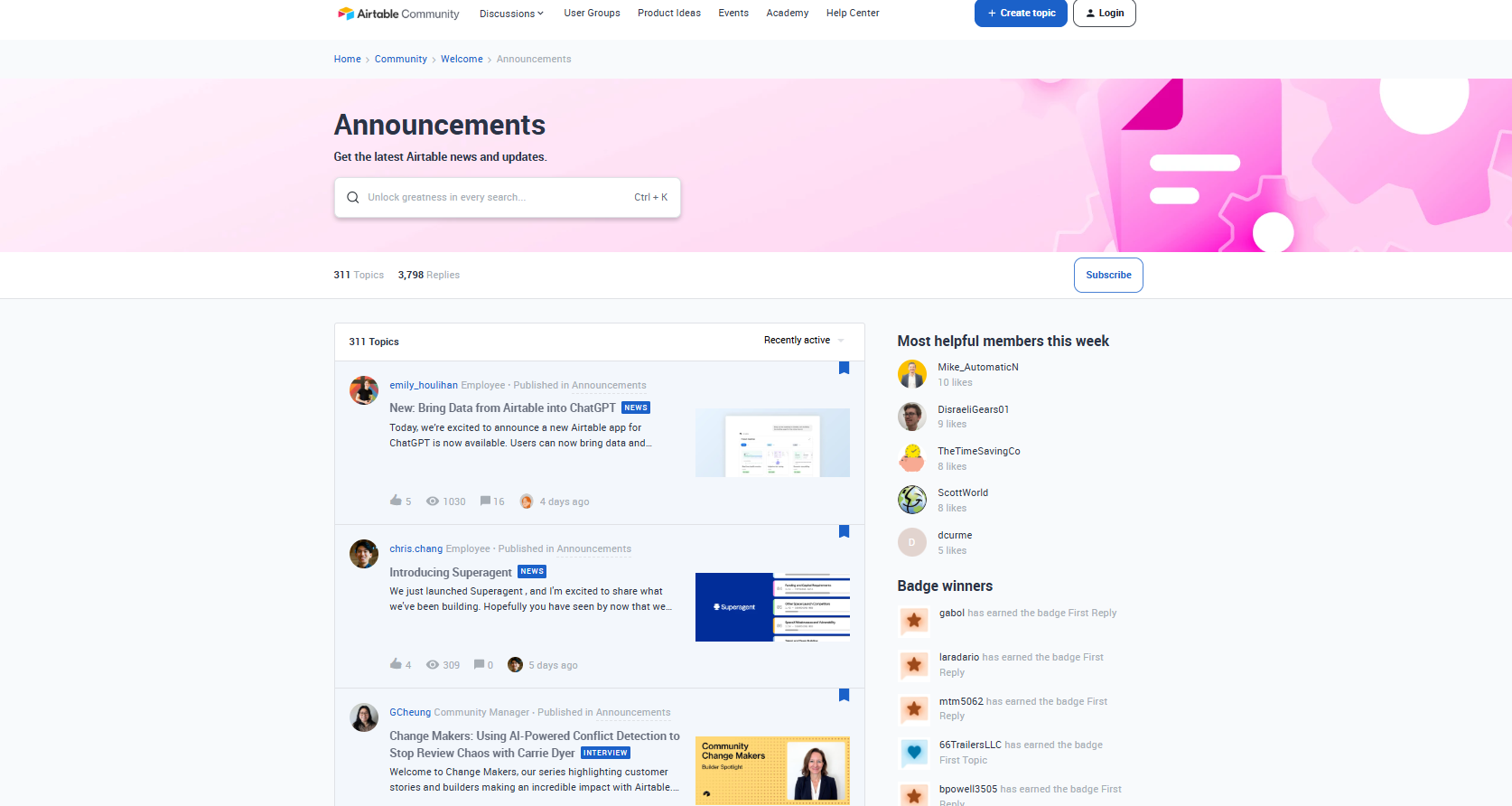
These communications reach existing customers through multiple touchpoints, including blog posts, product update emails, and community forum posts.
On top of that, they showcase how the new features can improve daily workflows and deliver true return on investment (ROI) for teams.
For SaaS marketing, Airtable’s approach demonstrates how regular feature announcements can educate users and support retention by showing that the product is continuously improving.
5. Canva: Influencer and Pro User Marketing
Canva’s marketing strategy includes effective use of influencer and creator partnerships. These partnerships function as marketing channels to build trust and showcase Canva’s high-quality content.
It also works with creators, educators, design specialists, and community leaders who share templates, tutorials, workshops, and practical use cases.
Canva Creators can publish designs on the company's own platform, while community members teach others how to use key features. Much of this material is user-generated content, which supports audience engagement and shows the product in action.
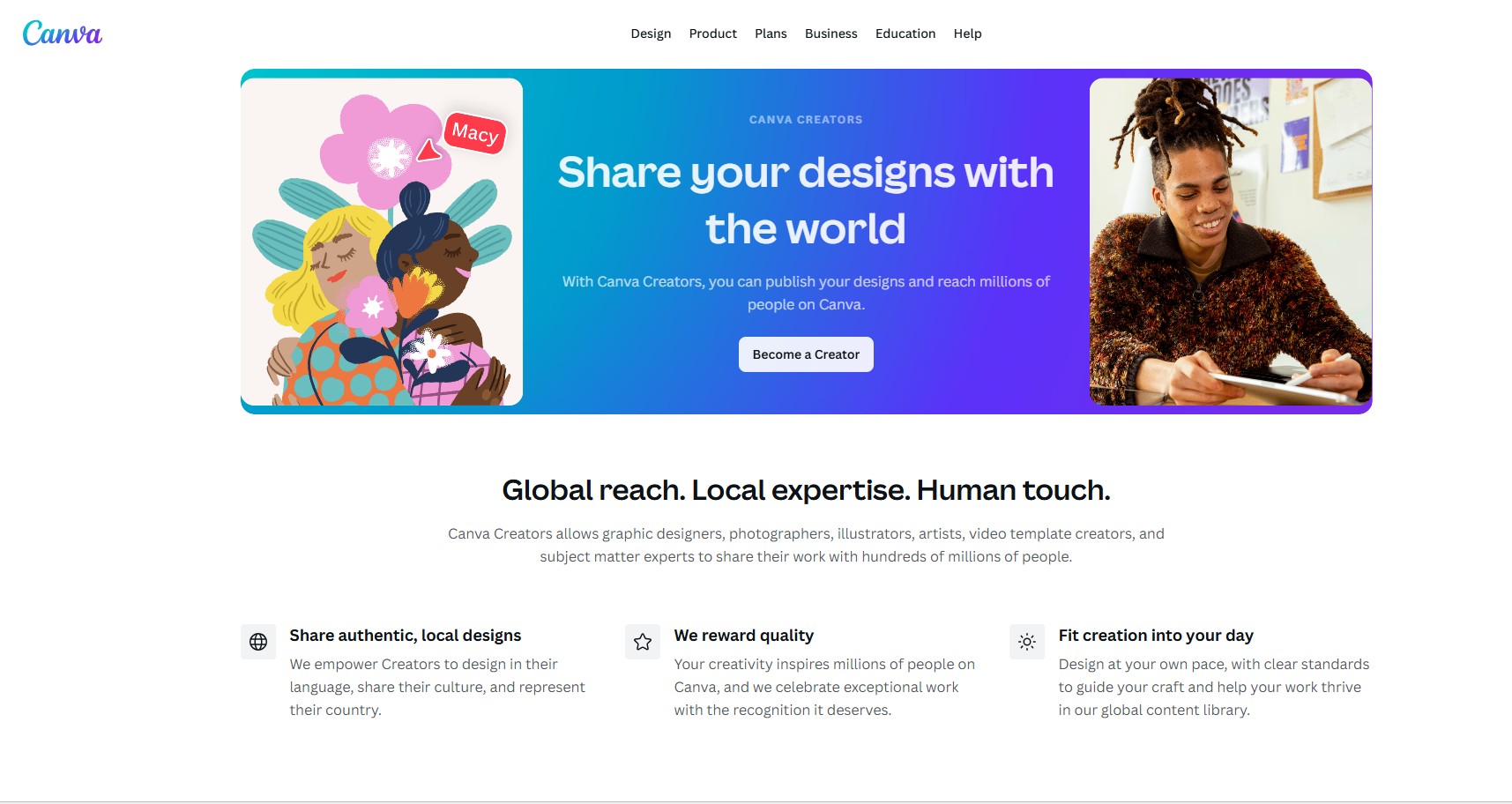
This content helps potential customers see what they can make before committing to a paid plan. It also gives Canva access to a massive audience through educators and creators who already understand their followers' needs.
Canva’s influencer and creator partnerships show how SaaS companies can use trusted third-party voices to build awareness and credibility. These collaborations support ongoing engagement and make complex features easier to understand.
6. Salesforce: Event and Webinar Marketing
Salesforce brings customers, partners, and industry leaders together through a mix of in-person conferences and online events.
The annual Dreamforce conference stands out as a flagship gathering, while regular webinars and workshops create ongoing opportunities for learning and networking.
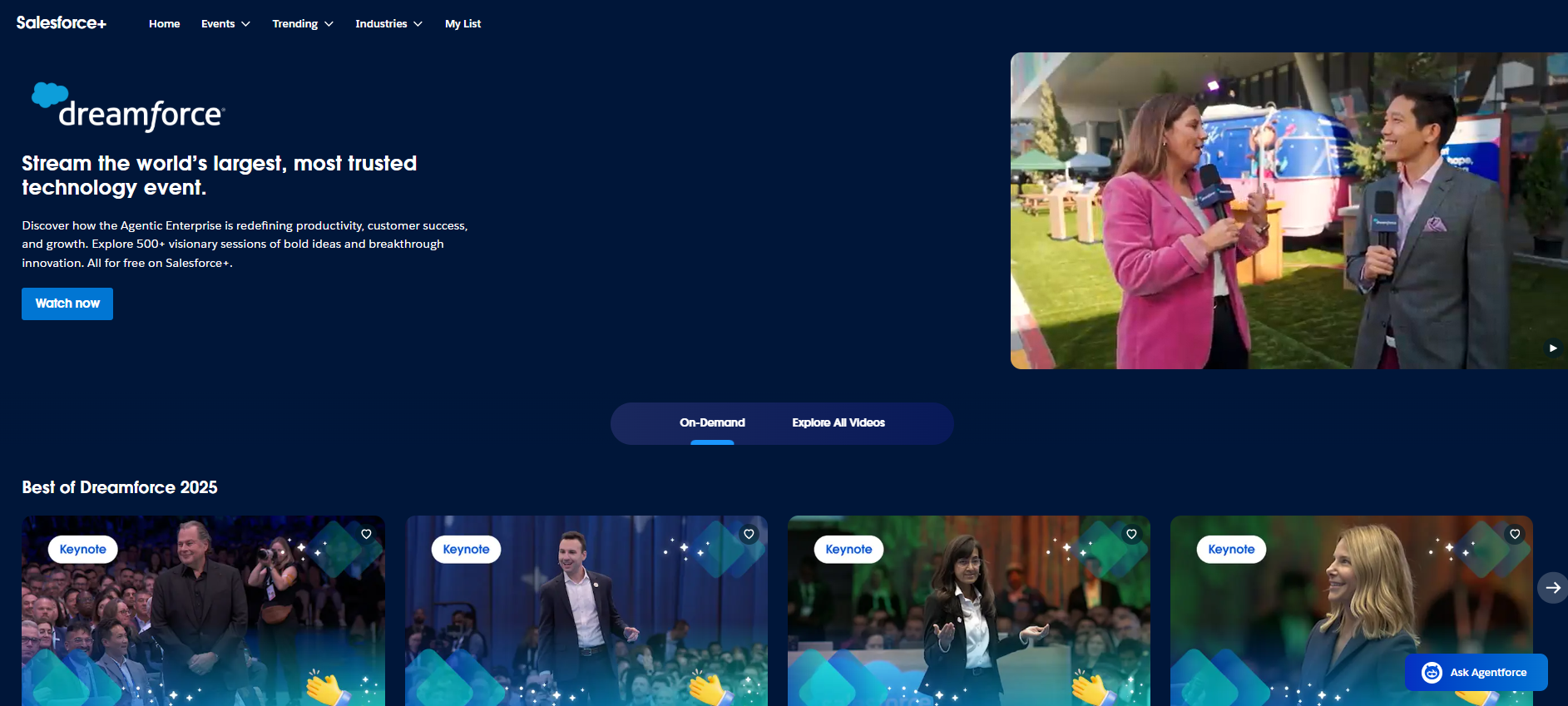
The platform promotes its events through multiple channels, including email, social media, and SMS reminders. Sessions are tailored for specific groups and feature practical insights that participants can use in their own organizations.
After each event, Salesforce reaches out with follow-up materials such as session recordings, helpful resources, and invitations to future events.
This ongoing contact helps users maximize the value of their experience, explore new features, and stay involved with the Salesforce community.
7. Semrush: Free Tool Lead Magnets
Semrush offers a free version of its SEO and marketing tools that provides value in exchange for user interest and contact information.
This approach encourages prospective customers to start interacting with a new platform early on, building familiarity before introducing paid plans.
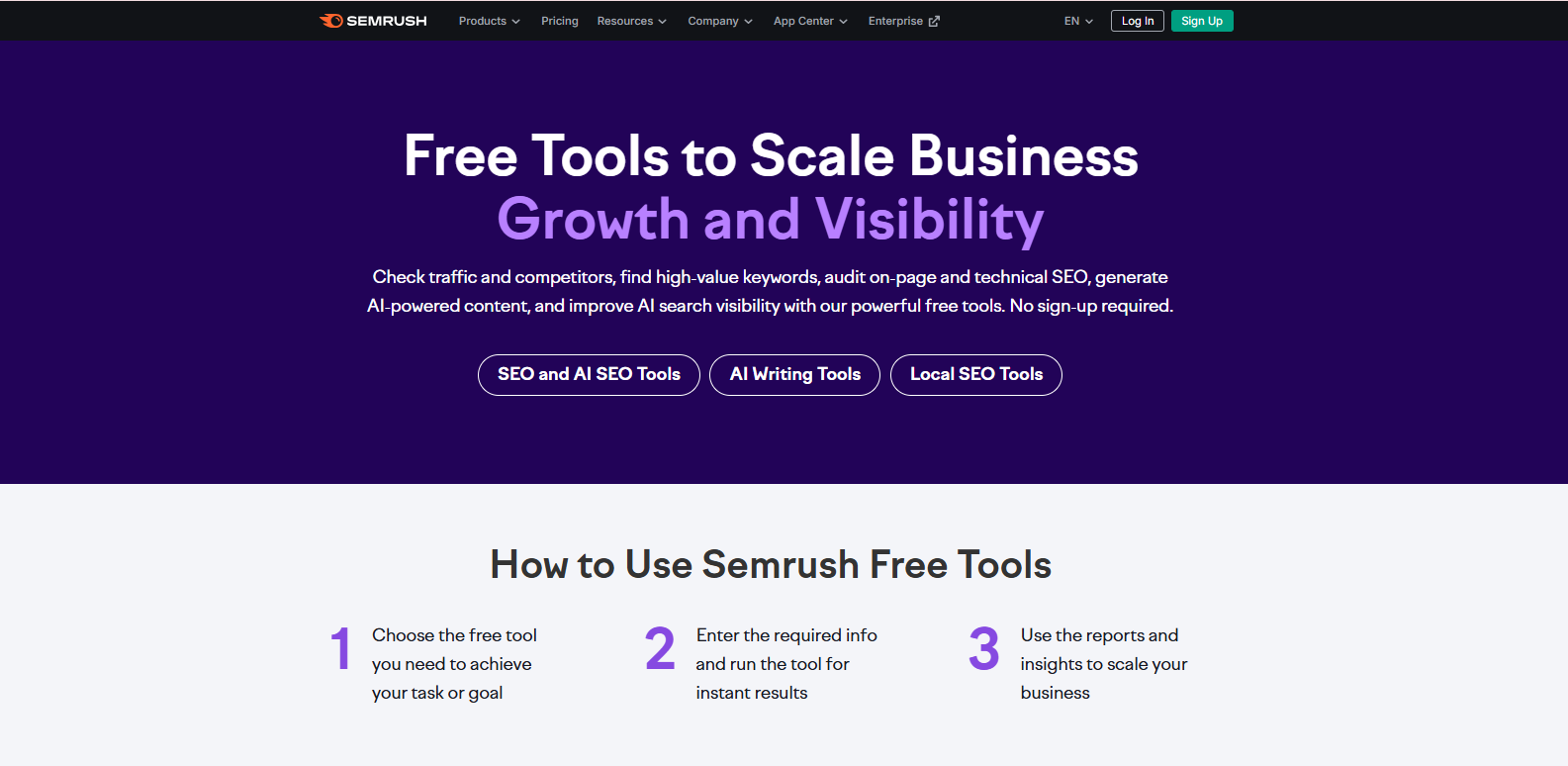
The free offerings include search and domain analysis tools, keyword research options, and visibility reports that users can access without committing to a paid account. These tools allow users to benchmark their own websites and explore competitor performance.
Semrush’s use of free tools demonstrates how you can use valuable, no‑cost resources as key elements to draw in relevant traffic, attract potential customers, and develop a marketing pipeline.
8. Mailchimp: Free Trial Conversion
Mailchimp, a popular email marketing software, is a great example of how thoughtful free tools can help you convert free users into paying customers. The platform gives new users access to essential features at no cost.
Throughout the free trial experience, Mailchimp highlights the key benefits and advanced features available on paid plans.
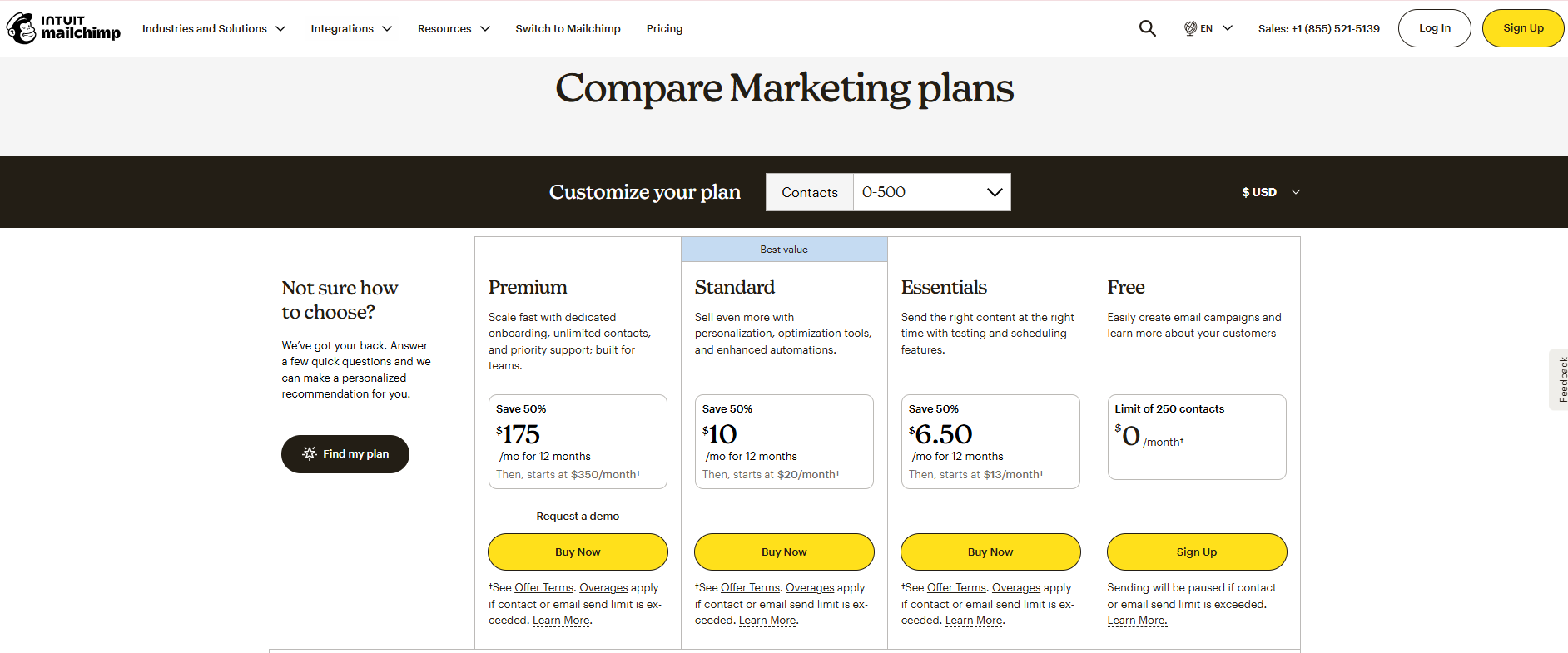
Users receive helpful prompts and targeted emails that explain how upgrading can unlock greater value, such as improved automation and more customization options.
Mailchimp also monitors user activity to identify when someone is reaching the limits of the free plan. Upgrade offers and reminders arrive just as users begin to need expanded capabilities. It makes the transition from free to paid feel natural and tied to each customer’s needs.
9. Shopify: Community-Driven Support
Shopify approaches customer support by building a self-sustaining, user-driven community. It encourages merchants, developers, and partners to exchange ideas, ask questions, and offer solutions through public discussion forums.
The community provides space for users to explore topics such as store setup, app integrations, marketing strategies, and troubleshooting. These peer-to-peer conversations help users find real-world advice, often from others with similar challenges or goals.
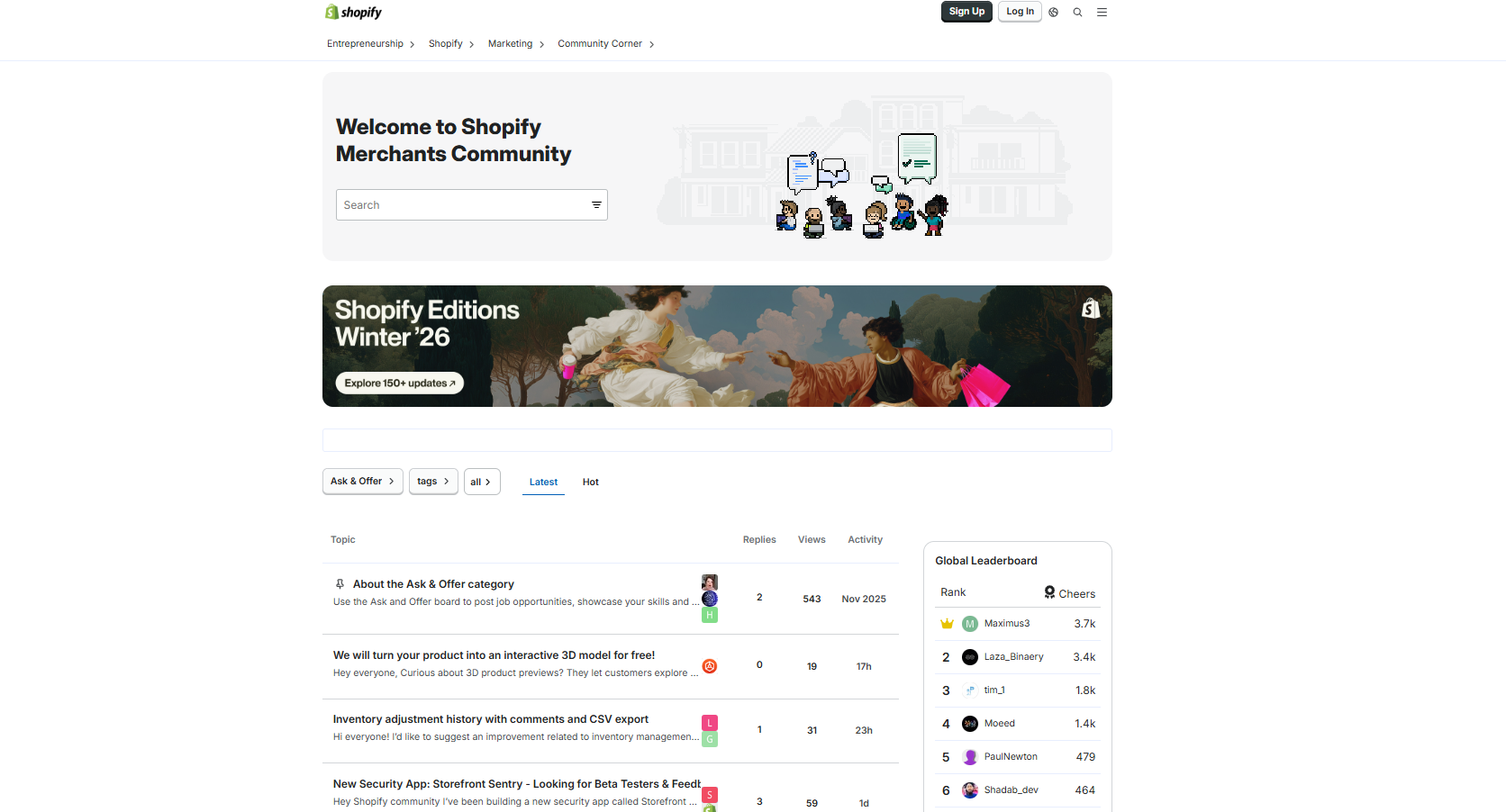
For many new and experienced users alike, this access to shared knowledge builds confidence. It also creates a stronger connection to the platform, which contributes to higher customer lifetime value.
From a marketing standpoint, Shopify’s community-driven model supports long-term engagement. The open exchange of feedback and use cases strengthens product understanding, while ongoing participation helps generate brand familiarity.
10. Zapier: Content for Automation Inspiration
Zapier is recognized for building a powerful content marketing engine that drives organic growth and user engagement. The platform invested in high‑quality, educational content that meets the needs of its target audience before they even search for automation tools.
This includes productivity guides, automation inspiration articles, and how‑to tutorials tailored to marketers, operations teams, and business users.
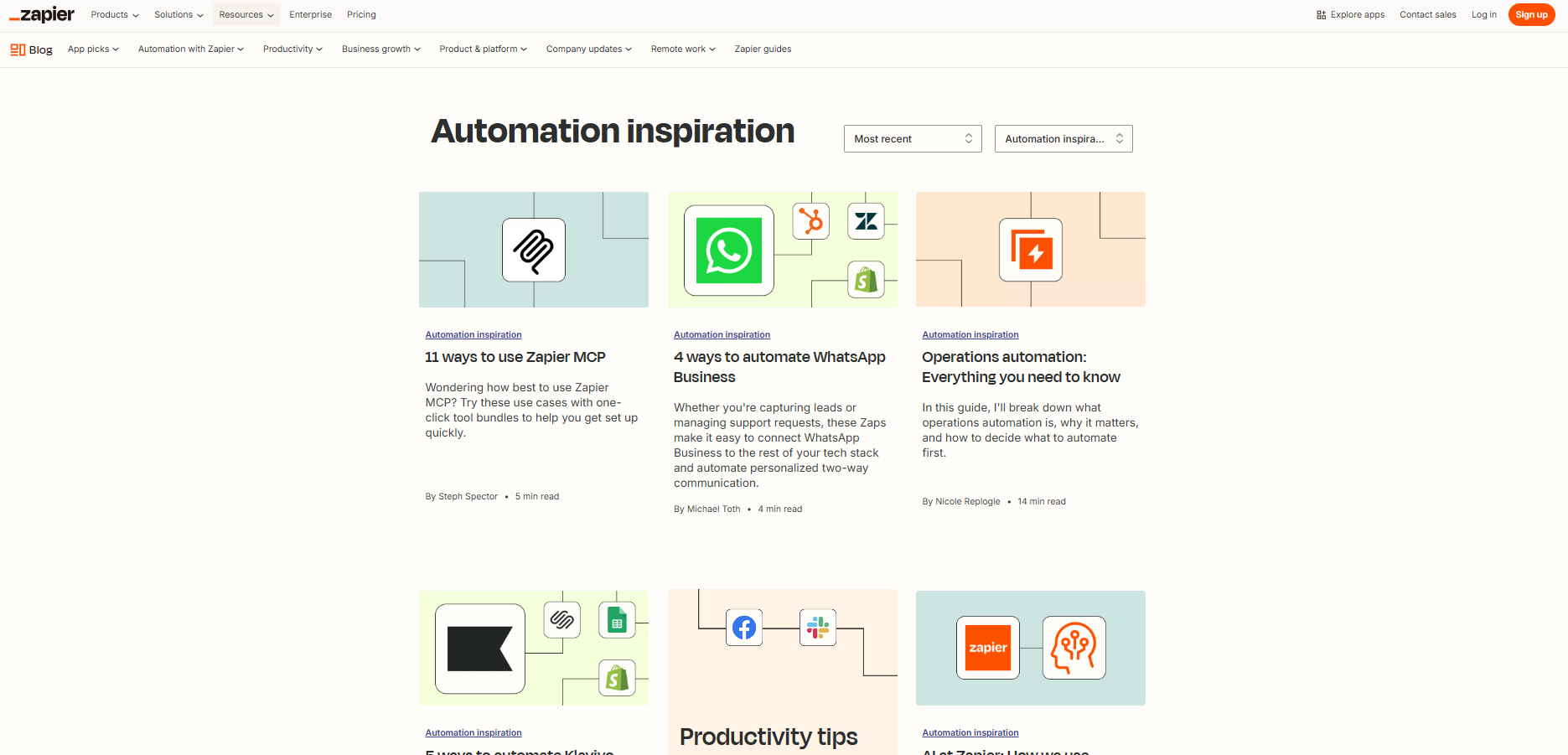
Their blog strategy consistently attracts millions of monthly readers by providing workflow ideas, productivity tips, and actionable automation tutorials.
Zapier has captured massive organic search traffic for business users looking to automate work across apps. It educates visitors and drives sign‑ups as users discover how it can solve their automation challenges.
The platform's success shows how you can use content as a demand‑generation engine and a way to inspire users with practical automation examples. It guides prospects toward understanding workflows that fit their own marketing and operational needs.
How to Apply These SaaS Marketing Tactics to Your Business
Each of the SaaS marketing tactics above comes from companies that have set benchmarks for growth and customer engagement.
Applying them doesn't have to be a complex process. Here's how you can bring these strategies into your organization and turn them into measurable business outcomes.
Evaluate Your Current Growth Stage
Take a close look at where your business is right now and what you are aiming to achieve in the next stage of growth.
If you're an early-stage SaaS company, attracting target customers and converting them into active users should take priority. Onboarding, referrals, and social proof matter more than scaling broad campaigns with large budgets.
If your platform already has a steady user base but engagement is slipping, strategies like customer success programs, targeted content, or improved support deliver the most value.
You can review your user journey data, feedback, and metrics to understand where customers are dropping off or where there’s room for stronger engagement.
If signups are high but onboarding is incomplete, a simple welcome SMS or automated reminder can move users forward. SMS marketing is also effective for re-engaging customers by sharing important updates or sending personal outreach that email alone may not achieve.
Start Small With One Proven Example
You have to choose a single marketing strategy that fits your most immediate goal and focus your team’s attention there first.
Starting with one initiative makes it easier to track results and adjust your approach before rolling out more strategies. You can experiment with automated onboarding emails, in-app product tours, or a series of educational webinars.
For many SaaS businesses, SMS is a cost-effective and impactful starting point. Even something as simple as sending a quick product tip can make users feel valued and prompt faster engagement.
A/B Test and Refine Your Campaigns
You need to maximize the impact of your marketing efforts by experimenting with different versions of your campaigns.
A/B testing lets you compare variations in your marketing message, timing, design, or delivery channel to see which drives more engagement or conversions. The same principle applies to paid ads, where small copy changes can lower costs and lift results.
For example, testing a landing page headline, adjusting copy on a pricing page, or experimenting with incentives can help you capture leads better.
Then, review the results closely to identify which version leads to higher engagement, signups, or conversions. You can use these insights to improve your approach and invest more resources into what delivers the strongest results.
Consistent testing and refinement make sure your SaaS marketing campaigns stay relevant as customer preferences change. Over time, these improvements add up and make your strategy aligned with your marketing goals.
Monitor Key Marketing Metrics
The essential numbers for SaaS businesses include customer acquisition cost (CAC), lifetime value (LTV), churn rate, and monthly recurring revenue (MRR).
Pair these figures with activation, trial conversion, feature adoption, and campaign response data to connect marketing activity with business outcomes.
The idea here is to help you understand how efficiently you are attracting new users, how much value each customer brings over time, and how well you are retaining your target audience.
When you regularly review your data, you can easily identify bottlenecks and adjust your tactics to meet changing needs. For example, if you notice a rising churn rate, it's time to revisit your onboarding or support processes.
Coordinate With Product and Support Teams
Open communication about upcoming campaigns, new solutions, and customer feedback helps everyone move toward the same objectives.
When teams regularly exchange updates, marketing can plan outreach that supports product launches and addresses new feature rollouts.
Marketing teams can plan outreach around product launches, while the sales team can share common questions that arise during trials and demos.
Support teams offer insights about common customer questions and pain points, which gives marketing a chance to create more helpful resources and messages. Product teams also benefit from hearing which updates or features are generating the most interest among users.
Where SMS Fits Into Your SaaS Marketing Strategy
SMS marketing stands out in digital marketing not because it replaces other channels, but because it solves specific challenges B2B SaaS companies face. This could be delayed engagement, missed emails, and slow responses at key moments in the user journey.
SMS is a communication channel that's useful when response rates from other methods slow down or when users begin to disengage midway through setup.
If you’re noticing drop-off during onboarding or delays in feature adoption, SMS can provide a faster alternative to keep users engaged. It fits into your broader strategy by supporting conversations already happening through email or support channels.
With the right SMS marketing platform, your team can automate messages, manage two-way conversations, and integrate texting into your SaaS tools. It supports marketing automation while allowing users to engage in real time.
TextUs Is the Best SMS Platform for SaaS Communication
If you're reaching out to leads or keeping customers informed after onboarding, TextUs is a communication tool designed for speed and personalization.
Two-Way Conversational SMS
TextUs supports two-way SMS conversations rather than generic broadcast messages. Your teams can text prospects, trial users, and customers, and continue the conversation in one thread.
This converts to more sales conversations and better customer relationships without forcing users back to email or support tickets.
CRM Integrations Built for SaaS Workflows
SaaS teams rely on CRM data to manage trials, renewals, upgrades, and support follow-ups.
TextUs integrates with platforms like Salesforce and HubSpot, which lets you connect SMS to your existing SaaS workflows. Conversations sync with lead records, deal stages, and customer accounts so your team never loses context.
Automated SMS Sequences and Triggers
TextUs allows you to build SMS drip campaigns that send sales messages based on actions or timing. You can trigger SMS when a user signs up for a trial, misses onboarding steps, or approaches renewal.
You maintain consistent communication while supporting lifecycle messaging that keeps users engaged beyond the first signup.
Shared Inboxes and Team Collaboration
TextUs offers shared inboxes that allow multiple team members to manage conversations together. You can assign messages, leave internal notes, and control access by role. It's easier to deliver expert insights as your team grows.
If you have sales, support, and customer success teams working together, it prevents missed messages and improves response coordination.
White-Label and API Capabilities
TextUs provides API access and white-label options that let you embed SMS into your own SaaS product or internal systems. You can trigger messages based on product events, usage milestones, or account changes.
SMS becomes native to your product experience rather than an external add-on. Product-led SaaS teams can also design communication flows that support activation, retention, and expansion.
Improve Your Customer Conversations With TextUs
Great campaigns aren't just built around features or pricing. They’re built on how and when you reach your users.
TextUs provides you with the tools to make every interaction count. With SMS built into your existing workflow, your team can reach users and keep conversations going.
Onboarding tips, product reminders, and customer check-ins all become simple to deliver and easy to track in one organized platform.
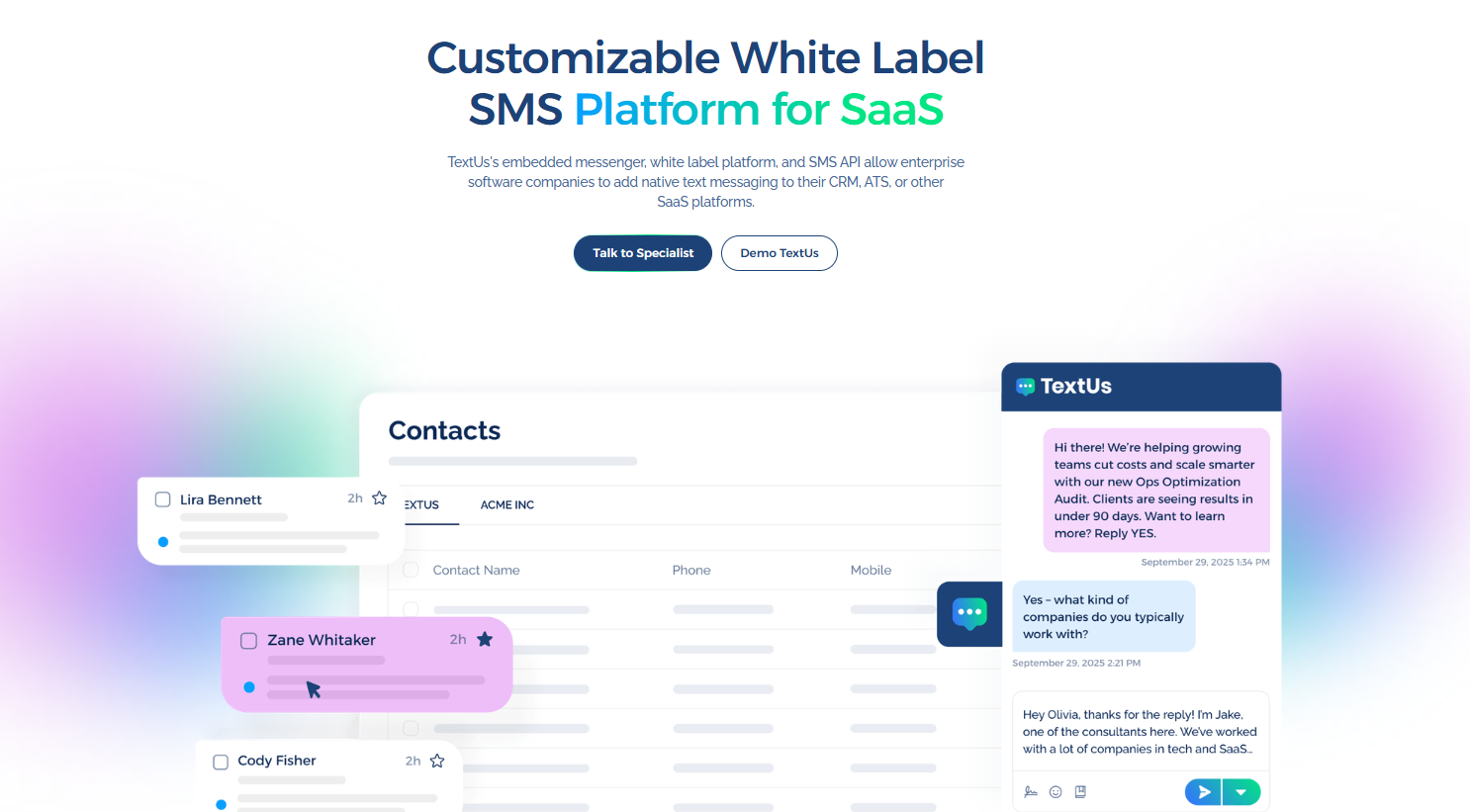
If you're focused on building stronger relationships and reducing gaps in your communication, TextUs is a smart addition to your marketing strategy. Book a demo today!
Continue Reading



Frequently Asked Questions
What is SaaS in marketing?
SaaS stands for software as a service, which refers to promoting and selling subscription-based software that users access online.
SaaS marketing focuses on user acquisition, activation, retention, and growth while supporting a recurring revenue model.
What are some examples of SaaS?
Examples of SaaS products include platforms like Slack (team communication), HubSpot (marketing and CRM), Dropbox (cloud storage), Zoom (video conferencing), and Intercom (customer messaging).
These companies deliver software through the cloud and typically charge monthly or annually. They continually update their products without requiring downloads or installations on the user’s end.
What kind of marketing do SaaS companies use?
SaaS companies use a mix of strategies that include content marketing, SEO, product-led growth, video marketing, email campaigns, referral programs, and SMS outreach. The goal is to attract leads, demonstrate the software’s value quickly, and drive long-term engagement.
Educational resources, including video content and long-form guides, help you build brand recognition while allowing teams to create content that supports different stages of the funnel.
Business Texting
Built for Results
Create and convert pipeline at scale through industry leading SMS software