
How to Audit and Improve Your Lead Response Time
Learn how to calculate, audit, and improve your lead response time. See how TextUs can help turn more leads into conversions.

Written by
Adam Hamdan
Published
January 21, 2026

When a new lead reaches out, your response time instantly becomes your first impression. But it can also make or break the deal.
Every business gets a mix of lead types. Some are ready to make a decision, others are just starting to explore. The higher the intent, the more important it is to respond quickly.
But even leads with lower intent tend to engage more when contacted right away. Fast follow-up gives you the chance to identify which leads are worth pursuing and which aren’t.
In this article, we’ll break down why lead response time matters, what slows teams down, and how to fix it with the right strategies and tools. Whether you're in sales, marketing, or customer success, you’ll learn how to cut response delays and improve lead engagement.
TL;DR
- A fast lead response time builds trust, opens the conversation, and gives your team a better chance at converting that interest into action.
- The ideal response time is under five minutes, but many businesses still take hours or even days to reply.
- The most common causes of slow lead response include manual workflows, lack of real-time alerts, poor sales and marketing alignment, limited team coverage, and using the wrong communication channel.
- To address these gaps, define response-time goals, automate first-touch messages, use smart routing, set up instant notifications, and consistently track follow-up speed.
- TextUs helps you respond faster to leads by using real-time texting, shared inboxes, CRM integration, automated replies, and performance reporting.
Why Is Lead Response Time Important?
Lead response time makes a measurable difference not just in how fast you follow up, but in how you qualify, convert, and retain leads. When someone reaches out, your speed signals whether your team is ready to engage or just reacting passively.
This is true for leads that come in through inbound calls or web forms, where timing plays a role in shaping the buyer's perception. Delays don’t just slow the process but also send the wrong message.
Lead acquisition also comes at a cost. If you run ads, SEO, or outreach, generating interest still requires investment.
Even a few hours of delay can make a quality lead go cold, especially in B2B, where decision-makers explore multiple vendors in parallel.
If you’re serious about improving conversions, increasing revenue, and delivering a better buyer experience, investing in speed should be a priority.
What Is Considered a Good Lead Response Time?
A good lead response time is generally under five minutes, as buyers expect near‑instant replies.
This timing reflects the importance of speed to lead, which is the practice of engaging new prospects while they are still actively thinking about your offer.
Many buyers now define an “immediate” response as 10 minutes or less after initial inquiry, and more than 80% of consumers say that getting a quick response is more important than getting a detailed one.
These lead response time stats demonstrate that customers expect speed during the early stages of the buyer journey, especially right after they have expressed interest.
Despite this expectation, most businesses miss this window. The average lead response time is still more than 42 hours, with many companies taking multiple business days to reply.
Delays can push buyers toward competitors who respond first, leaving your sales teams chasing cold leads.
SMS marketing provides value by helping you reach leads fast and keep them engaged. SMS messages have open rates around 98%, and many people read texts within minutes of delivery.
Text messages also get responses at a much higher rate than email. Therefore, choosing texting as part of your lead follow‑up helps shorten your lead response time and keeps buyers interacting.
Don’t lose qualified leads to slow response times. Book a demo with TextUs and see how faster conversations drive better results!
How to Calculate Lead Response Time
Lead response time measures the duration between when a lead first contacts your business and when your team delivers the first meaningful reply.
To calculate it, subtract the time the lead was captured (such as when a form is submitted or a demo is requested) from the time your team sends the first meaningful response.
For example, if a lead submits a form at 1:30 PM and your rep replies at 1:45 PM, your lead response time is 15 minutes.
To assess performance across a timeframe, you can calculate the average:
Average Lead Response Time = Total Response Time ÷ Number of Leads Responded To
Accuracy matters. It's ideal to use your CRM or SMS platform to track timestamps automatically, and focus on actual human replies, not just automated confirmation messages.
It also helps to look at response times by channel (text, email, or chat) to uncover where improvements are needed.
Common Causes of Poor Lead Response Time
Many businesses struggle to follow up with leads quickly, even when they invest too much in lead generation.
If your lead response time isn’t where it should be, it’s worth looking at what might be slowing your team down.
Below are the most common causes of poor lead response time and what you can do about them.
Manual Processes and Delayed Notifications
Manual lead handling is one of the biggest contributors to slow lead response time. In many businesses, new inbound leads are still routed through email or handled by someone manually checking forms.
That means leads might sit for hours before a sales rep even sees them. If notifications aren’t triggered instantly, it increases the chance of delayed responding during the moment when response time is critical.
These delays are invisible but costly during nights, weekends, or busy hours when no one is watching the inbox. Without automation, the response process lags behind buyer expectations and damages the overall customer experience.
Start by automating how new leads are captured and distributed. You can use forms, integrations, or webhooks to push lead data into your CRM or sales tools the moment someone submits it. From there, trigger instant notifications to the right team members.
Poor Coordination Between Sales and Marketing
When there is no agreement on handoff timing or ownership, follow-up slows and leads fall through gaps.
Sales may ignore leads that don’t appear ready, while your marketing team assumes outreach is happening. Without alignment, lead qualification becomes inconsistent, and teams struggle to prioritize leads based on intent or readiness.
Therefore, you need to define when and how leads move from marketing to sales and agree on what qualifies as a qualified lead. Shared visibility into lead activity supports better lead scoring and helps sales focus on the most promising leads first.
Lack of Team Coverage or Capacity
When new leads are coming in during promotions, busy seasons, or after ad campaigns, your sales team might already be juggling too many conversations.
This problem becomes more noticeable outside standard business hours. Without coverage, leads wait too long and may choose a competitor before your team re-engages. Over time, this leads to poor customer experience and wasted marketing spend.
You have to review your busiest periods and identify where delays tend to happen. You may build a system that includes backup coverage and automation for handling overflow.
Using the Wrong Communication Channels
While email marketing still plays a role, it’s not built for instant engagement.
Many emails go unread, and some land in spam. If that’s your main tool, you're adding extra hours to every follow-up.
Texting solves this by creating a direct, real-time line to your leads. SMS messages are read within minutes, and they create a two-way path for quick conversation.
Instead of sending one email and waiting days, your team can send a text and get a reply within minutes, while the lead is still thinking about your service. That small shift can make a big impact on response time.
TextUs makes that shift easy. With instant notifications, shared inboxes, and CRM integrations, your team can respond in real time without breaking their workflow.
Ready to respond faster and close more deals? Book a demo and start texting with TextUs today!
How to Improve Lead Response Time
When leads come in, timing matters more than almost anything else. A fast response time increases the chance of turning interest into engagement and keeps your pipeline moving.
Here are the most practical ways to reduce lead response time and stay in front of potential customers while their interest is still high.
Set Response Time Goals
If your team doesn’t know what’s expected, it’s hard to stay consistent. You need to decide what your ideal response window should be.
For most businesses, replying to leads within five minutes is a strong benchmark. That may vary depending on your industry, sales process, or staffing. But the goal should always be fast enough to make that initial contact count.
Once your response time goal is set, you can share it across all teams that handle leads. Make it part of team expectations and include it in onboarding materials. The more visible it is, the more your team will treat it as a shared priority.
You can also tie your response goal to a team-wide metric. For example, aim to reply to 90% of all leads within five minutes to give your team something to track. Everyone also stays focused on speed without needing constant reminders.
Automate the First Touchpoint
Waiting too long to respond can lead to missed opportunities, even if your team plans to follow up later. One of the most reliable ways to improve your lead response is to automate that first message.
An automated text message works well as a first touchpoint. It can be short and friendly, something like, “Thanks for getting in touch. Someone from our team will follow up shortly.”
SMS marketing automation also gives your team a few minutes to prepare the next step without leaving the lead waiting. That pause, even if brief, helps avoid a slow response time that could cause a lead to lose interest.
An SMS marketing software allows you to send automated responses instantly, based on actions like filling out a contact form or scheduling a demo. Once set up, this system runs automatically and covers every incoming lead.
Use Smart Lead Routing
Even if your team is fast and ready to respond, your lead response time will still suffer if leads get stuck in a general inbox or wait to be reassigned.
Smart lead routing helps you avoid those delays by setting up rules for who should handle which types of leads. That can be based on location, product interest, company size, or team availability.
Proper routing also supports a smoother sales funnel. The right sales representatives are reaching out at the right time, which increases your chances of converting leads before interest drops off.
Set Up Real-Time Notifications
Real-time visibility matters, and notifications help your team respond to a lead the moment it enters the system.
Start by making sure every lead triggers an instant notification. That could be a mobile alert, a desktop pop-up, or an internal message in your team’s workspace.
The goal is to make sure no one has to keep refreshing dashboards or checking inboxes just to see if someone filled out a form.
It becomes even more effective when paired with an employee text messaging software. Instead of relying on emails or voicemails that get lost or delayed, it allows you to send and receive internal updates through SMS.
You can also fine-tune your alerts based on lead type. For example, a high-value lead can trigger a priority alert, while others go through your standard system. Your team knows what needs immediate attention and what can wait a few minutes without risk.
Track Response Time and Review Often
If you want to improve lead response time, you need to start measuring it. Tracking helps you see the full picture, from the moment a lead enters your system to the moment someone replies.
Start by measuring your average response time across all lead types. Track first reply time, follow-up gaps, and breakdowns by rep or lead source. Regular review makes this a critical metric that feeds into your overall sales pipeline performance.
From there, you’ll start to spot patterns. Maybe mornings are slower than afternoons, or maybe leads from certain sources get delayed more often.
The review doesn't have to be time-consuming. Even a weekly or monthly check-in can help you catch problems before they become habits.
How TextUs Helps You Turn More Leads Into Conversations
When someone reaches out to your business, the clock starts ticking. Responding in minutes is what separates teams that win deals from those that lose them.
TextUs is built for speed. Every feature is designed to help your team reach leads at the right moment, keep the conversation moving, and never miss an opportunity.
Here’s how TextUs supports better lead response from the moment a lead comes in:
Real-Time, Two-Way Text Messaging
TextUs provides your team with the power to start real conversations the moment a lead submits a form or reaches out. This point of lead creation is critical because it sets the tone for everything that follows.
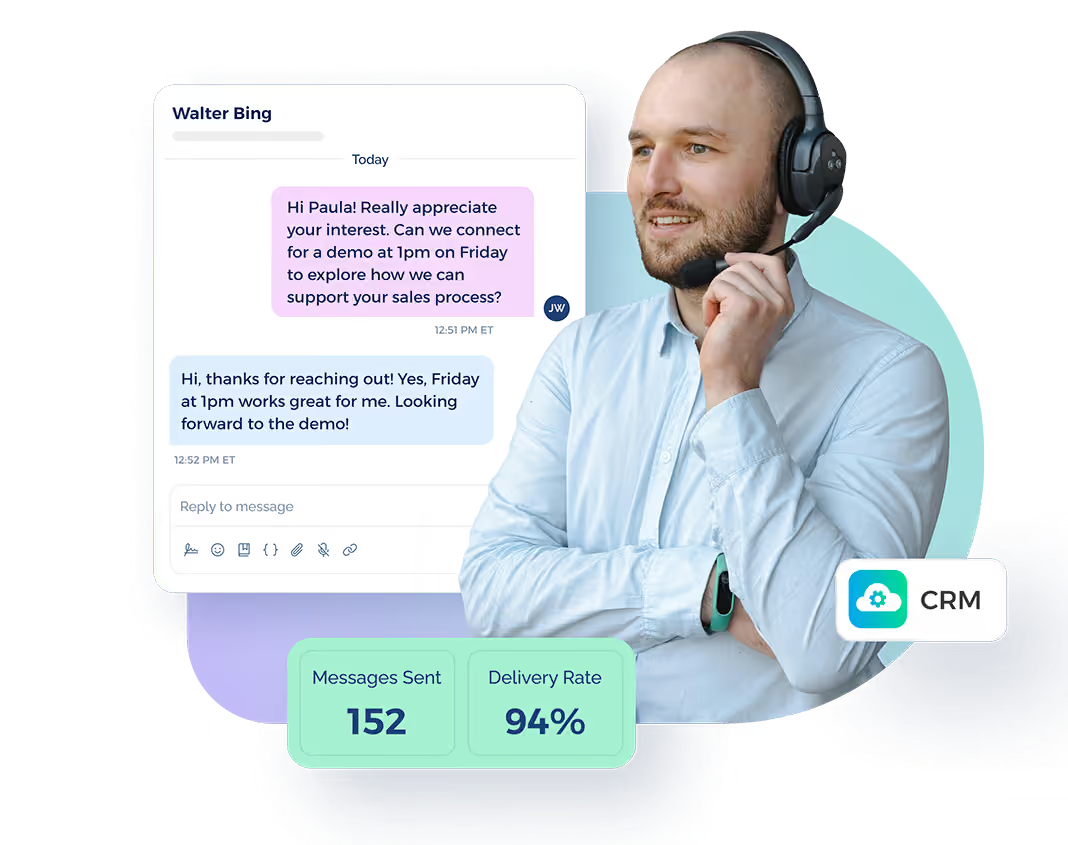
Rather than waiting on slow email threads or missed calls, your reps can send a quick, personal message by text and get a reply in minutes.
It also creates a positive impression at the first interaction, which improves the chances that customers purchase later in the process.
Shared Inbox for Faster Team Response
With TextUs, all incoming lead messages appear in a shared inbox that your entire team can access.
Anyone can view the conversation and respond if the assigned rep is unavailable. It prevents leads from being overlooked or delayed due to handoffs or scheduling gaps.
It also improves internal visibility, so your team knows who has followed up and what was said, all in one place. This reduces overlap and the time it takes to coordinate a response.
CRM Integration to Eliminate Delays
TextUs integrates with platforms like Salesforce, HubSpot, and other popular CRMs.
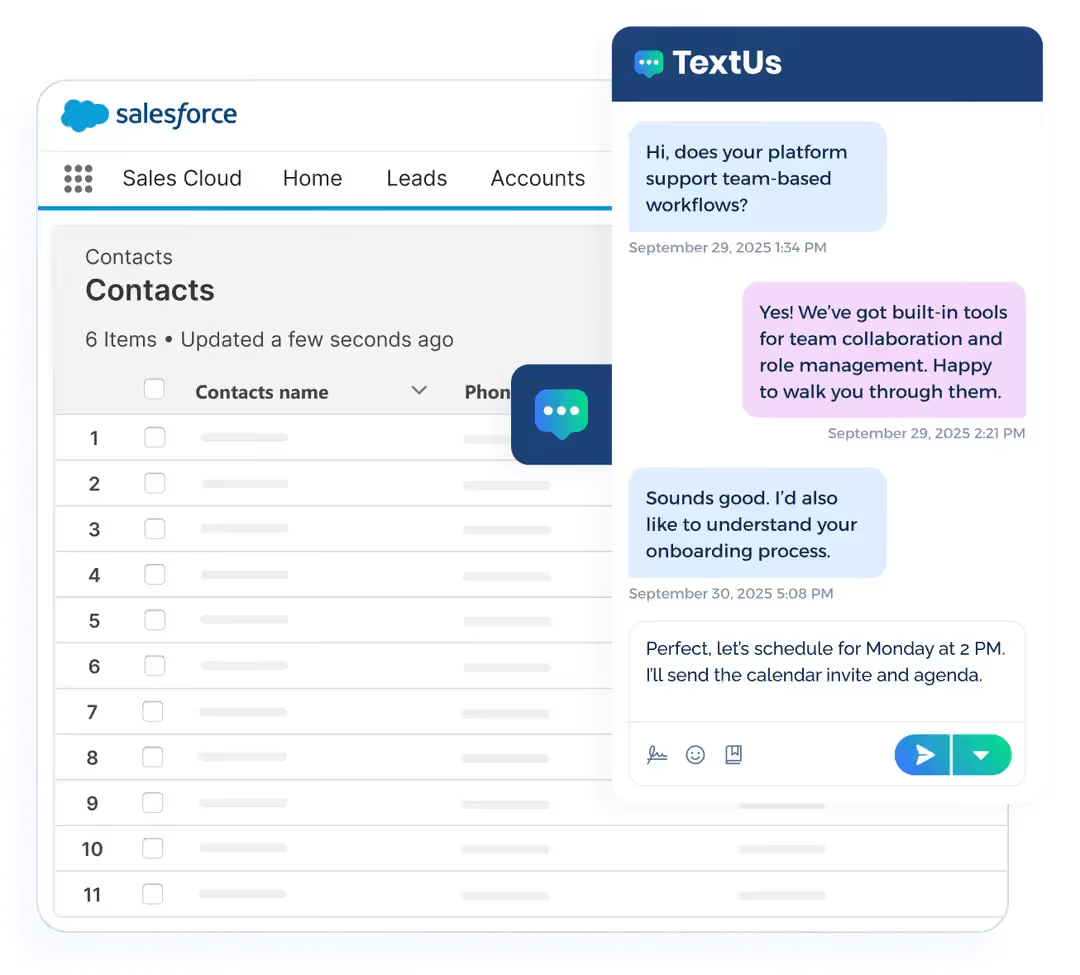
Your team can send and manage texts from within the tools they already use, without needing to log into another system or manually copy data between platforms.
All conversations are automatically tracked under each contact record, so your reps have the full context when they follow up.
Pre-Built Templates for Instant Replies
With templates ready to go, your team can reply to leads in seconds instead of typing each message from scratch. It also helps maintain consistency in tone and message quality.
Your team can create and save SMS templates for common responses. These might include welcome messages, meeting confirmations, or follow-up reminders.
Scheduled and Automated Follow-Up
TextUs allows you to set up automation that sends a text the moment a lead takes action, such as filling out a form or clicking a call-to-action.
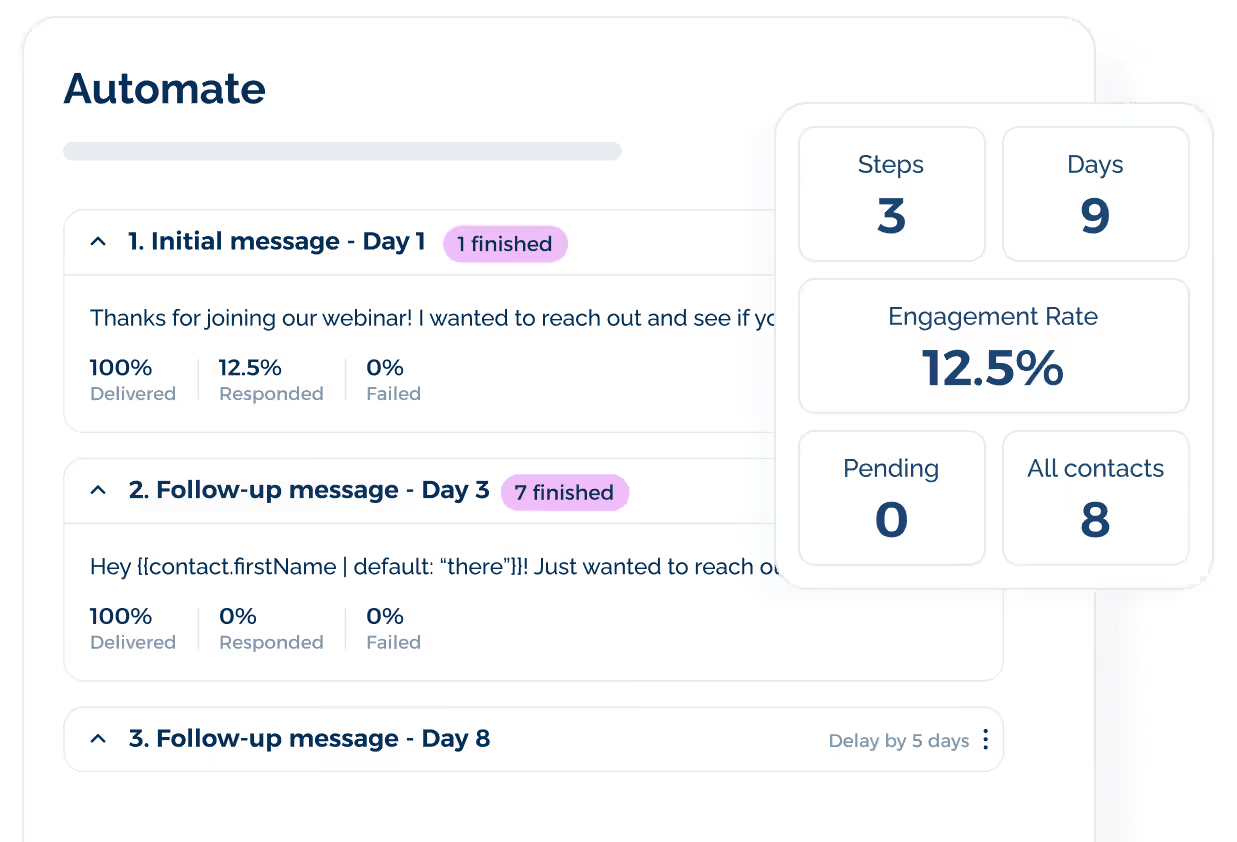
An immediate touchpoint lets the lead know you received their message and sets the expectation that someone will follow up shortly.
Even a short automated message makes a big impact. It holds the lead’s attention and keeps your business top of mind while your team prepares to take the next step.
Campaign Messaging to Reactivate Interest
TextUs campaign features allow you to send personalized bulk texts to multiple leads at once, all with personalization options like first name or custom tags. This is useful for following up with hot leads after webinars, trade shows, or email list signups.
SMS campaigns help your team stay ahead of response time by covering more ground with less manual effort. You can schedule campaigns, track replies, and quickly start conversations at the right time.
Performance Reporting to Improve Speed
TextUs provides built-in reporting that tracks your team's response times, engagement rates, and conversation history. Managers can view average time to first response, identify slow points, and adjust team workflows to close those gaps.
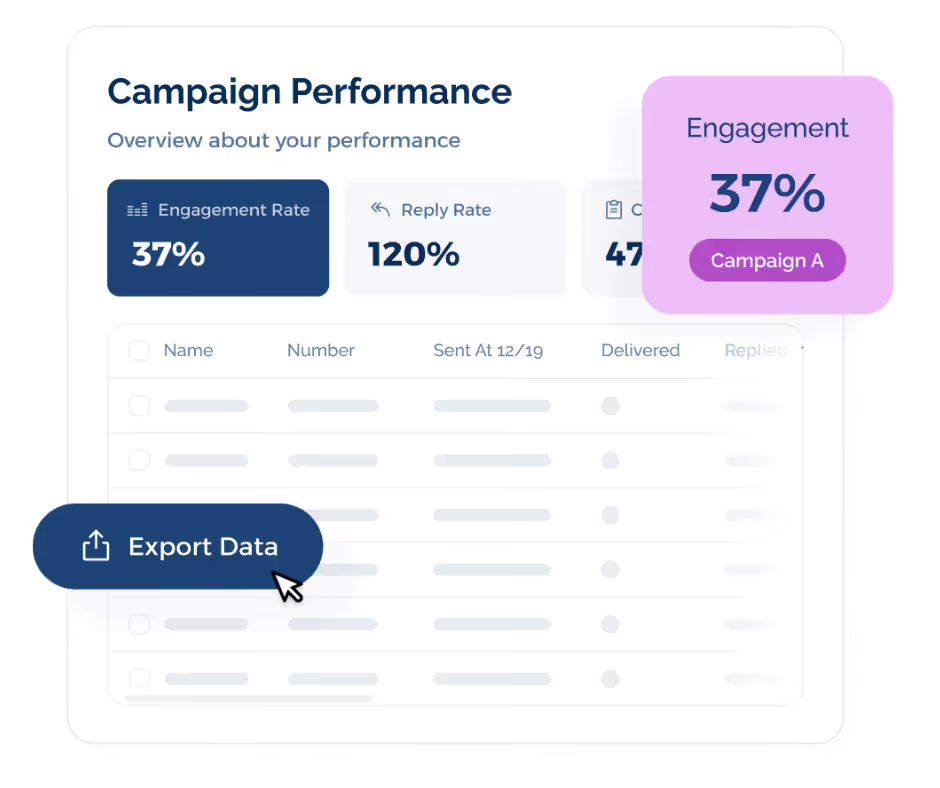
Regular tracking and review help you maintain high response speed and uncover small process changes that can lead to big improvements in lead conversion.
Shorten Sales Cycle With Faster Messaging—Start Texting with TextUs!
Every second counts when it comes to lead response. TextUs helps you shrink that response window, create better conversations, and move leads forward before the competition has a chance.
With features like real-time two-way texting, CRM integration, shared inboxes, and automated replies, TextUs removes the delays that cost you sales. Your team can reach leads while their interest is high and keep conversations moving without switching tools or waiting for an email.
Whether you’re managing inbound leads, campaign follow-ups, or time-sensitive outreach, TextUs helps you shorten the gap between interest and engagement.

If your team is ready to respond faster and win more deals, it's time to put real-time texting to work. Book a demo with TextUs today!
FAQs About Lead Response Time
What is lead response time?
Lead response time refers to the amount of time it takes for someone on your team to reply after a new lead contacts your business. A quick lead response time leads to higher engagement, stronger trust, and better outcomes with high-quality leads, especially when interest is still fresh.
What is the 5-minute rule for leads?
The 5-minute rule is an ideal lead response time and widely recognized as a benchmark. Recent studies have shown that businesses reaching out within this short window are far more likely to connect with and qualify the lead.
What are lead time and response time?
Lead time usually refers to how long it takes to deliver a product or service once it's been ordered. Response time, on the other hand, is how quickly your business replies to a new lead or customer inquiry.
While both involve timing, lead response time measures the speed of your first outreach, which affects your sales metric performance. The difference matters because response speed influences early trust, movement through the funnel, and long-term lead conversion rate.
How quickly should you respond to leads?
Ideally, you should aim to respond within five minutes, especially during business hours. The faster you reply, the more likely you are to reach the lead while they’re still thinking about your offer.
Following up within the first hour is still effective. Research from Harvard Business Review found that businesses reaching out during this timeframe are up to seven times more likely to engage and qualify a lead compared to those that respond later.
So, even if you can’t respond instantly, replying within 15 to 30 minutes still puts you ahead of most competitors. Every minute counts, so the goal is to reply as quickly as possible with a helpful, personal message.
Continue Reading



Frequently Asked Questions
What is lead response time and why does it matter?
Lead response time is how long it takes your team to first contact a new lead after they express interest. The shorter your response time, the more likely you are to start a conversation — and eventually close the deal.
How do you measure and audit your lead response time?
You can audit lead response time by analyzing CRM data to compare the timestamp of lead creation versus first outreach activity. Tools that log calls, emails, and texts automatically make this analysis straightforward.
What tools help reduce lead response time?
SMS automation tools, CRM workflow triggers, and lead routing software are the most effective ways to cut response time. Automated text messages can reach a lead within seconds of their inquiry, long before a rep would typically see the notification.
Business Texting
Built for Results
Create and convert pipeline at scale through industry leading SMS software