
SMS vs Email Marketing: Which Channel Performs Better?
Meta description: Explore our detailed comparison guide on SMS vs email marketing to see when to use each channel and when to combine them.

Written by
Adam Hamdan
Published
December 2, 2025

Many companies want faster communication, yet inbox delays make it tough to reach customers at the right moment.
Email has supported brands for many years. But slow reading habits, promo tabs, and forgotten messages can make outreach harder than it should be.
SMS brings a different advantage through speed and direct contact. Many customers read texts almost right away, which helps you spark quicker replies and more natural back-and-forth communication.
In this blog post, we will explore the strengths of email and SMS channels and highlight the moments where each one performs at its best.
You'll see when texting fits best, when email holds value, and how a balanced approach drives higher engagement and customer lifetime value.
TL;DR
- SMS delivers instant, high-engagement communication, while email supports long-form content, visuals, and low-cost mass outreach.
- SMS excels in urgent updates, quick promos, reminders, and fast replies; email works best for newsletters, product launches, formal messages, and content that needs detail.
- Key differences include speed, open rates, cost per campaign, personalization style, automation depth, and how customers interact with each channel.
- The strongest results come from combining both: SMS for immediate attention, email for deeper follow-up and context.
- TextUs helps businesses use SMS to speed up communication, boost response rates, and strengthen every customer touchpoint.
What Is SMS Marketing?
SMS marketing is a method where you send text messages to people who choose to receive them. Most phones and mobile devices can receive SMS, even older models, so the reach covers nearly every type of user.
But before you can send SMS messages, you must follow strict compliance rules under the Telephone Consumer Protection Act (TCPA).
Proper business texting etiquette is also important, especially when asking for permission, setting expectations, and respecting how often people want to be contacted.
A customer needs to give direct permission to receive SMS marketing messages, and that permission should be recorded. This creates trust and strengthens customer relationships early in the process.
The customer should also have an easy way to stop messages at any time. You can use a keyword such as STOP, which removes the phone number right away.
Pros of SMS Marketing
Many parts of business move fast, and people expect quick updates. Text messages support that pace because they reach a phone almost at once through reliable mobile carriers.
Direct communication through SMS helps in moments that need fast action, such as last-minute changes, schedule updates, urgent reminders, or time-sensitive promotions.
Speed is only part of the value. Text messages also feel personal. You can speak to clients or prospects in a way that feels more human than long emails or phone calls.
When someone gets a personalized text, they are more likely to reply or take action through your SMS program.
Response rates also show how strong conversational SMS marketing can be. Text messages have an average response rate of about 45%, which is far higher than many other forms of contact.
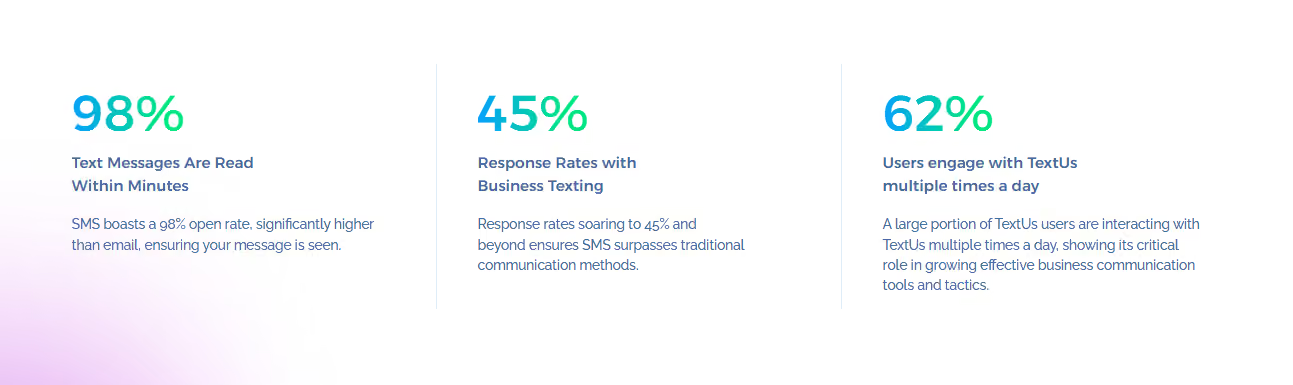
Compare this with the average voicemail response rate at 4.8%, and it's clear that texting is best for fast follow-ups and time-sensitive outreach.
Ready to communicate with the speed and simplicity your customers prefer? Book a demo with TextUs and turn every message into a real conversation!
Cons of SMS Marketing
SMS limits the amount of text that can fit into one message. Long guides, photos, product breakdowns, and detailed notes need a different channel, such as email. Even so, many brands prefer using SMS first for attention, then email for deeper content.
Each SMS message adds a small fee. The total SMS marketing pricing can grow, especially if you have large lists of SMS subscribers and frequent marketing campaigns.
However, costs can be managed with smarter SMS segmentation. Instead of sending to every subscriber, you can focus on customers who engage often, shop more, or show strong interest. This reduces waste and keeps costs tied to groups with high return potential.
What Is Email Marketing?
Email marketing is a method where you send messages to customers through their inboxes after they sign up. It has been a huge part of digital marketing for many years because it allows formal messages and keeps a written record.
Many companies use direct mail for invitations, contracts, follow-up notes, and detailed exchanges that need to be saved for later review.
The structure of an email campaign also enables businesses to maintain professional communication, as it suits long discussions and complex topics.
Pros of Email Marketing
Email supports wide outreach with minimal cost. A single monthly plan covers large lists, which gives you room to send frequent email marketing campaigns without rising fees.
This makes email an easy choice if you need to speak to thousands of customers at once across multiple marketing channels.
Email can also hold long text, product photos, layout sections, and buttons. You can tell a full story, explain product features, guide customers through steps, and present complex ideas.
It fits nurture paths, multi-step onboarding, teaching content, and broad retention plans. The inbox structure helps readers move through long sequences over several days or weeks.
Cons of Email Marketing
Even with those strengths, email can feel heavy at times. Many workers spend close to 2.6 hours each day sorting through inbox messages.
That amount of reading and replying can cause important notes to blend in with less important ones. A large inbox makes it easy for a key message to slip out of sight.
Response rates also show slower engagement. Cold emails have an open rate of 23.9%, which is far lower than the reply rate for text messages. The slower pace makes email less dependable when a fast answer is needed.
Spam filtering also creates its own problems. Inboxes may get filled with promos and newsletters that could hide important business messages.
Emails must also comply with the CAN-SPAM Act, which governs how commercial emails are sent.
When too much outside content enters an inbox, the channel becomes harder to trust as a primary way to reach someone quickly.
SMS Marketing vs Email Marketing: Key Differences
Both channels help you reach your target audience, yet each works differently. Once you know the differences, you can choose the right tool for each situation and deliver more consistent messaging.
When both SMS and email operate together inside your broader digital marketing strategy, they support a more connected customer journey.
Delivery Speed
SMS marketing campaigns reach mobile phones within seconds, which gives texting a natural edge in fast contact.
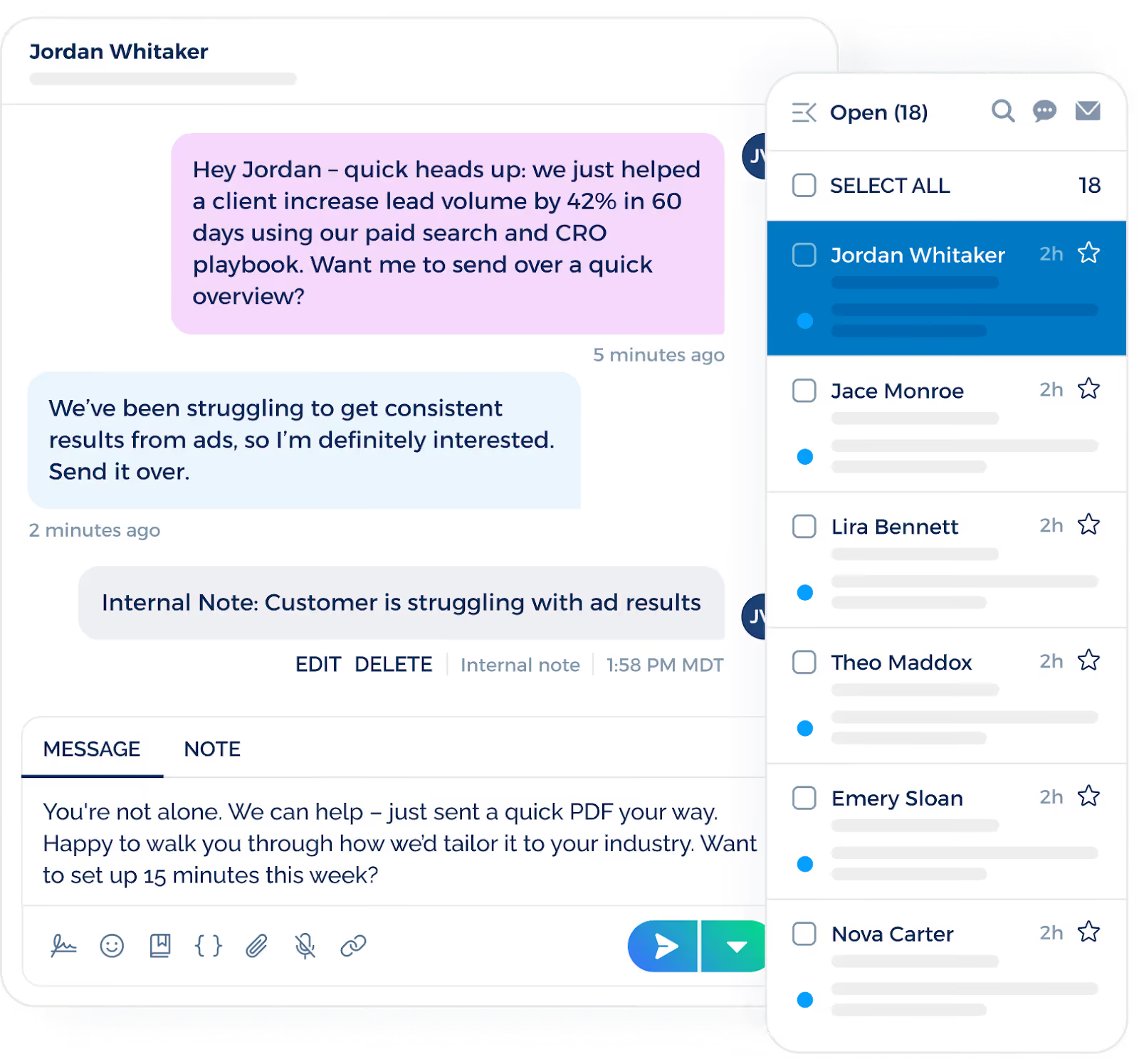
Most customers keep their phones in hand or close by, so an SMS text message draws attention right away. You can use SMS for urgent updates and time-sensitive messages.
Email sometimes waits inside an inbox until the person checks it. Some people check once an hour, some twice a day, and some only when needed. That gap can slow progress in moments where fast action matters.
Open Rates and Engagement Rates
Text marketing messages gain strong viewing numbers because phone alerts stand out. People open nearly every text they receive because unread texts feel out of place.
This habit leads to strong customer engagement and steady attention. It also offers valuable insights into how customers react in real time.
Email faces a heavy inbox load. Large piles of promos and newsletters push messages down the list.
Many email users also skim or skip entire groups of messages. Lower viewing numbers create slower engagement and weaker reactions from email subscribers.
Click-Through Rates
SMS creates a fast tapping behavior because each message presents one short link. The simplicity of the format gives the reader a direct path from message to action.
Email carries more content, which can place several links in front of the reader. That structure forces scrolling, scanning, and decision-making.
But longer content slows reaction time, and some readers drop off before reaching the link. Therefore, brands combine SMS with email marketing to include a fast tap-driven touch and a deeper follow-up.
Conversion Rates
Text message marketing reaches the reader in the exact moment where action is possible. Customers respond within minutes because the message is direct. Strong reply numbers support fast purchases, short booking flows, and quick confirmations.
Email supports conversions too, although the slower pace creates more drop off. Some readers open hours later, long after the offer carried the most weight. That delay leads to fewer completed actions.
Cost Per Campaign
SMS carries a small cost per send. Even with that cost, many brands see strong value because SMS campaigns reach people fast and drive higher action rates.
Email fits low-cost mass contact. One monthly fee often covers many sends. Even so, slower replies and lower viewing numbers can require more campaigns to reach the same action level as SMS.
Personalization and Segmentation Capabilities
SMS personalization creates small personal touches using the customer's name, booking details, order number, or local reminder. It's stronger than a long direct email because the contact feels closer to an everyday conversation.
Email supports deep segmentation. You can build long messages shaped by user groups, customer behavior, or product interest. The reach is wider, although the personal feel can fade inside long layouts.
Automation and Workflow Options
SMS marketing automation focuses on fast moments such as welcome messages, booking reminders, time-sensitive communications, and follow-up prompts.
Email automation covers long guides, multi-step funnels, and detailed onboarding paths. These flows work well for teaching and updates, but lack the instant reach that texting delivers during urgent moments.
Audience Behavior
People treat text messages as high priority. Phone alerts spark fast attention, and many readers respond on the spot.
Email holds a different role. Many people sort messages in batches and only reply when they have time. Some save messages for later and never return to them, which lowers contact strength.
Urgency Versus Depth
SMS is a preferred communication channel for urgent moments. A direct text message reaches the reader instantly and works well for alerts, last-minute sales, booking reminders, and rapid follow-ups.
Email fits long content. You can use it for guides, stories, promos with visuals, and full updates that need space. Email is ideal when depth matters more than speed.
Brand Tone
SMS supports a warm and direct tone. Text messages resemble personal contact from a trusted source, which helps build stronger bonds and faster replies.
Email supports a broader range of tones. You can write formal notes for contracts or more relaxed messages for newsletters. The format suits long reading, although it carries less instant personal energy than a text.
Which Is Better: SMS or Email Marketing?
The choice between SMS and email marketing depends on the goal behind the message. Each channel offers strong value in different situations, and a smart mix often produces the best outcome.
A simple way to decide is to look at the intent of the message.
SMS fits best when:
- Urgent updates that need fast viewing
- Short promos that depend on quick action
- Cart recovery prompts that work best with fresh interest
- Appointment reminders to reduce missed bookings
- Short customer service replies
- Loyalty alerts that reward customers fast
Email fits best when:
- Long messages that need structure and visuals
- Product launches that require full explanations
- Formal communication, such as contracts or policy notes
- Newsletters with tips, stories, or long-term teaching
- Messages that customers may need to reference later
When to Use Both Email and SMS Marketing Together
Each format plays a different role in customer communication. When SMS and email work together, they shape a more unified customer experience that strengthens trust and long-term customer loyalty.
Fast Alerts Paired With Detailed Follow Ups
A personalized message can grab attention within seconds, which makes SMS perfect for quick alerts. Messages arrive instantly in the SMS inbox, helping you reach customers before they check email or other marketing channels.
After the text nudges the customer, an email can supply longer context, such as product details, order instructions, or step-by-step guidance.
This setup creates coordinated messaging that helps each person act fast while still receiving everything needed to make an informed choice.
Promotions That Need Speed and Detail
Flash sales, limited offers, and rapid deals gain strong traction when text is used first. SMS reaches customers quickly and drives early traffic, especially during an upcoming sales event.
Email then supports the same message with photos, examples, and deeper explanations. A dual approach offers speed and structure. Therefore, it’s easier to reach the right channel for each customer’s preference.
Cart Recovery With Strong Timing
A text message can remind a shopper about an abandoned cart while interest remains high. Once the shopper returns, an email can reinforce the value of the product with images, reviews, or benefits. This two-step flow helps customers move from interest to purchase.
Appointment-Based Services
Service brands often use SMS for reminders because text messages reduce missed bookings.
Email can support the same appointment with directions, prep notes, extended instructions, or policy details. SMS handles the fast reminder, and email supplies the long-form content.
Post-Purchase Communication
After an order is placed, SMS can send quick updates about shipping status or delivery windows. Email can then handle receipts, product guides, installation tips, or follow-up offers. Customers stay informed at every step without feeling overwhelmed.
Loyalty and Rewards Programs
SMS works well for quick point alerts, reward notifications, and short-term perks. Email can manage the full breakdown of reward rules, tier structures, and long-form explanations.
Customers receive fast updates when something important changes and can review complete details when needed.
Customer Retention and Re-engagement
When customers slow down or stop engaging, SMS can deliver a strong nudge that grabs attention quickly.
An email can follow with a story, a guide, or an offer that encourages a return visit. Using both channels helps revive interest with fast impact and detailed support.
Reach Customers Faster and Strengthen Every Touchpoint—Start Texting with TextUs!
Ready to move past slow inbox habits and reach your customers with speed and confidence? TextUs gives your team the power to connect through fast, personalized text messages.
TextUs provides your team with tools to send quick reminders, short promotions, order updates, and follow-ups that encourage action.
Instead of waiting for someone to open an email hours later, your message arrives within seconds, which leads to faster replies and stronger engagement.
Start turning slow communication into fast progress and see how much stronger your outreach becomes when texting works alongside email.
Book a demo with TextUs and move your campaigns into a channel that customers trust and respond to!
FAQs About SMS vs Email Marketing
What is better, SMS or email marketing?
Neither channel stands above the other in every situation. SMS supports fast contact, quick reactions, and short prompts that reach the phone within seconds. Email supports longer stories, images, and formal messages that customers may save for later.
The stronger option depends on your goal. Fast updates fit SMS, and long details fit email. When SMS and email operate inside one marketing strategy, they create a stronger balance across your marketing efforts.
What is the 60/40 rule in email?
The 60/40 rule is a simple layout guideline that helps teams design emails that look clean and load smoothly. It recommends using 60% text and 40% images in each message.
Emails packed with too much text can feel dense and discourage engagement, especially as user behavior trends toward quick scanning rather than deep reading.
The 60/40 ratio helps you send emails that display well, support stronger inbox placement, and encourage steady interaction. Over time, this kind of balanced design contributes to better engagement and stronger brand affinity.
Does anyone use SMS anymore?
Yes, SMS remains widely used across many age groups. People keep their phones close, and text messages reach them fast.
SMS plays a strong role in booking reminders, delivery updates, short promos, alerts, and customer service follow-ups because it can remind customers at the right moment.
Many brands also rely on SMS because it produces strong viewing strength and fast replies, even as new channels appear. With proper opt-in forms and a signup process, SMS remains one of the strongest multiple channels for quick communication.
Does SMS have a 98% open rate?
Yes. Many studies report SMS open rates near 98%. A major reason for the strong number is simple phone behavior. Most users open a text soon after it arrives, which gives SMS a strong advantage when a brand needs fast attention and quick action.
Continue Reading



Frequently Asked Questions
Is SMS or email marketing more effective for business communication?
SMS consistently outperforms email in open rates (95%+ vs ~25%) and response speed. Email wins for longer content, formal communications, and nurture sequences. The strongest strategies use both: email for depth, SMS for immediacy and high-visibility follow-up.
When should businesses use SMS versus email?
Use SMS for time-sensitive messages that need immediate visibility: lead follow-up, appointment reminders, sale announcements, and re-engagement. Use email for detailed content, formal business communication, document sharing, and longer-form nurture sequences.
How do you integrate SMS and email marketing for maximum impact?
Integrate SMS and email by using text messages to follow up on emails that haven't been opened, trigger SMS at key conversion moments alongside email nurture sequences, and send SMS alerts for time-sensitive promotions in your email calendar. The channels reinforce each other.
Business Texting
Built for Results
Create and convert pipeline at scale through industry leading SMS software