
Short Code Texting for Business Engagement: A Quick Guide
Learn how short code texting can boost business engagement. Discover its benefits, top use cases, and best practices for effective SMS marketing.

Written by
Adam Hamdan
Published
July 21, 2026

Getting customers’ attention isn’t easy. Between overflowing inboxes and constant phone alerts, your message has seconds to make an impression.
Many businesses are turning to short codes since they're short, easy-to-remember numbers for sending SMS messages. It’s also secure and gives your brand a professional presence.
In this article, we’ll walk you through everything you need to know about short code texting.
We’ll also cover why short codes are effective and how dedicated SMS platforms make it simple to manage your campaigns and stay compliant.
TL;DR
- Short code texting uses five- or six-digit numbers to send high-volume SMS and MMS messages for alerts, promotions, reminders, authentication, and customer updates.
- Short codes differ from 10DLC and toll-free numbers because they support larger message volumes, faster delivery, and keyword-based campaigns.
- Short codes usually cost $500-$1,500 per month, with added fees possible for setup, messaging, and management.
- Staffing firms, retailers, service providers, schools, nonprofits, and financial institutions use short codes for time-sensitive updates, promotions, scheduling, and account communication.
- Businesses must lease and register a short code, complete carrier review, collect valid consent, provide clear disclosures, honor opt-outs, and follow the approved campaign use case.
- TextUs supports short code registration, migrations, unlimited keywords, automated replies, subscriber management, campaign monitoring, and ongoing business conversations.
What Is Short Code Texting?
Short code texting is a method businesses use to send messages from short, 5–6-digit phone numbers instead of full-length numbers.
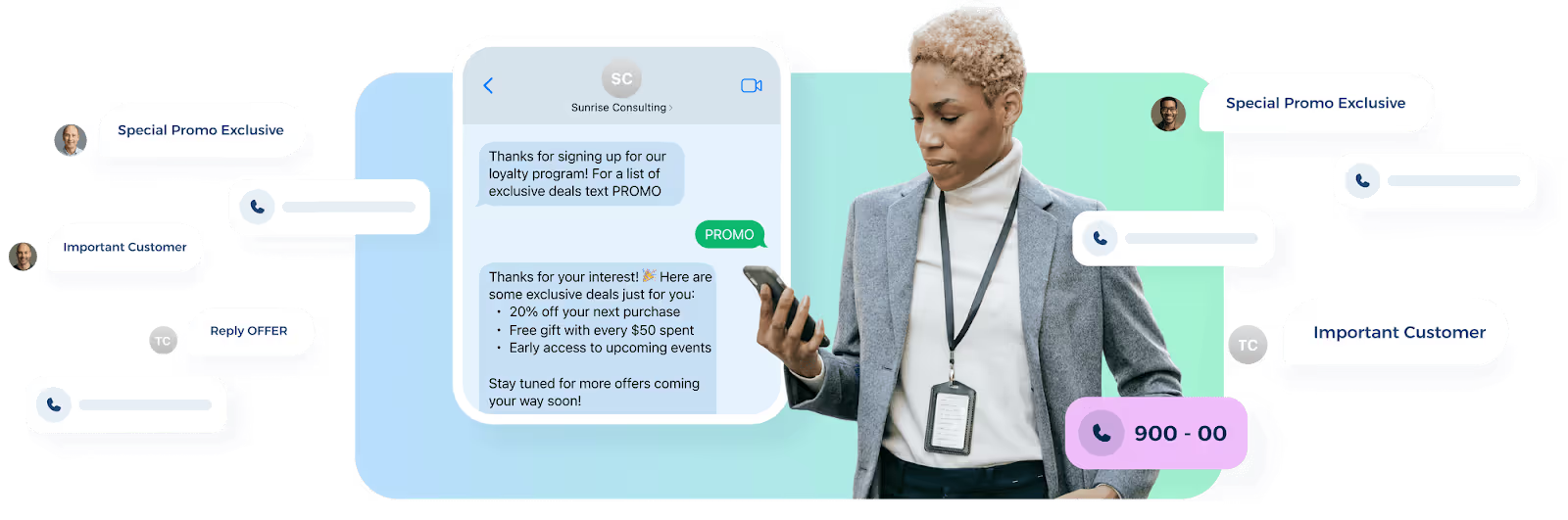
These short codes are registered and approved by mobile carriers, which makes them reliable for reaching a large number of contacts at once. Many brands use them for alerts, marketing promotions, two-factor authentication, and customer updates.
Unlike regular SMS numbers from your phone, short code texting allows high-volume sending without being flagged as spam.
This makes it ideal for businesses that want to communicate with thousands of customers instantly, without worrying about message deliverability.
But why would you want to use short code texting when you could email or call your subscriber lists?
It's simple. Short code text messages reach people faster and feel more personal. Studies show SMS has an open rate of 98%, while emails average around 20%.
Many companies use an SMS short code service to manage campaigns. Messaging platforms like TextUs handle message delivery, keyword automation, and compliance checks.
They allow you to focus on crafting good SMS messages instead of dealing with network operators and approval steps required by wireless carriers.
Types of Short Codes
You can choose from different types of short codes based on your goals, budget, and message volume.
Each number type has its own use case and cost difference, so understanding them helps you pick the right fit for your text marketing campaigns.
Vanity Short Codes
Vanity short codes are custom numbers that a business chooses for itself, designed to be an easy-to-remember number.
These dedicated codes follow an easy-to-recognize pattern, like 454545 or 606060, or may align with your brand’s name or slogan.
Because they stand out, vanity short codes are a great choice when running national campaigns or making a lasting impression.
Depending on your brand, a vanity short code is a better option for your business. Vanity codes can help create trust with your audience since they’ll see your own number and automatically know it’s from you.
For example, a restaurant uses a vanity short code like FOODIE (366343) to promote its weekly deals. This consistency across every area code helps with brand recognition and recall.
When using a vanity short code, it’s important to partner with a trusted texting software to handle the technical and compliance parts.
TextUs guides you through the process of obtaining a dedicated short code to help you stay compliant with the Telephone Consumer Protection Act (TCPA). The review process takes several weeks.

Purchase your dedicated SMS short code or book a demo with TextUs today!
Random Short Codes
Random short codes are numbers that network operators automatically assign to a business instead of letting the company pick one. These numbers are randomly assigned during setup and don’t follow a specific pattern or branding style.
Even though these numbers aren’t as memorable as vanity short codes, they serve the same main purpose of sending large volumes of texts.
They are popular with businesses that want to start short code service campaigns without paying for a premium vanity number.
Since carriers assign them automatically, the setup and approval process tends to be faster, and the overall cost is lower. Leasing one usually involves a monthly fee, which depends on your carrier and campaign type.
While random codes are a solid option for function-focused companies, numbers like 543762 aren’t as recognizable as vanity codes such as 454545.
However, for one business managing alerts, two-factor authentication, or internal notifications, random short codes work well.
Short Code vs. 10DLC vs. Toll-Free Texting
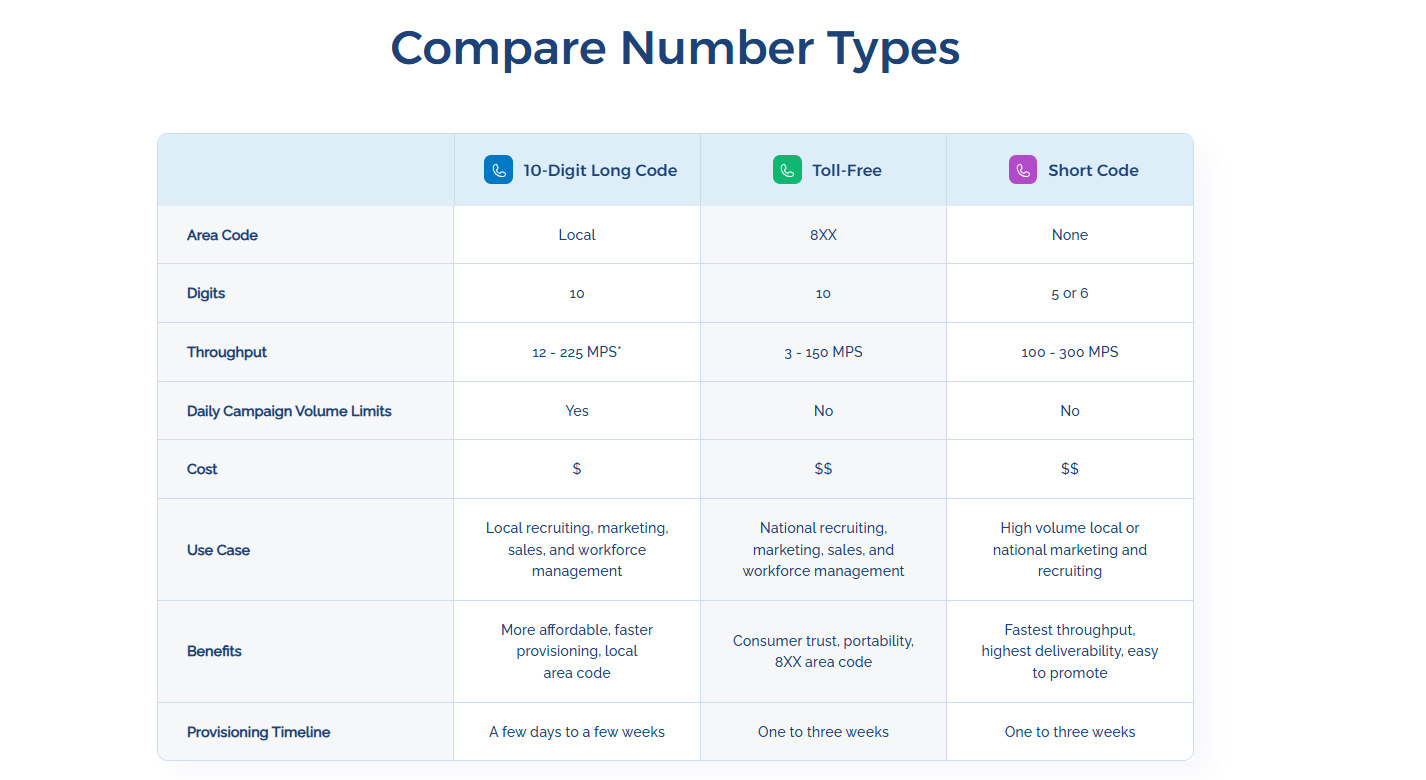
Short codes are designed for high-volume SMS campaigns, urgent updates, keyword opt-ins, and large subscriber lists. Still, not every business needs this level of message capacity.
A registered long code (10DLC) number or verified toll-free number may suit lower-volume outreach, ongoing conversations, or service-based communication.
The table below compares each SMS code type by use case, message volume, cost, and setup.
How Much Does Short Code Texting Cost?
Short codes are leased rather than purchased. Pricing usually falls between $500 and $1,500, depending on whether the number is randomly assigned or selected as a vanity code.
Random short codes tend to cost less because the registry assigns the number. Vanity short codes carry a higher price because you choose an available five- or six-digit number that aligns with your brand or campaign.
Short-code leases are available for fixed terms, commonly ranging from 3 to 12 months. Your texting provider may package the number lease with setup, message usage, and campaign support.
The added investment may be worth it when you need high-throughput, large-volume campaigns, memorable keyword promotions, or time-sensitive messaging.
TextUs offers short-code eligibility through its Enterprise plan. Short-code pricing depends on your messaging volume, campaign scope, and setup needs. Book a demo today!
Use Cases for Short Codes Across Industries
There are tons of ways to make short code messages work for your brand, no matter your industry.
Staffing and Recruitment
It’s no secret that the job market is competitive. In fact, 47% of job seekers say texting is their preferred communication method when connecting with employers during the hiring process.
Examples:
- Instant job alerts: Send notifications for new openings the moment they go live
- Interview confirmations: Reduce no-shows by confirming interviews via text
- Application status updates: Keep candidates informed with real-time updates
- Employee engagement: Keep current staff informed about company announcements, recognition programs, or policy changes
- Shift scheduling: Notify temporary workers about available shifts or schedule changes
SMS marketing is the easiest way for recruiters and staffing agencies to stay ahead. Because texts have a higher open rate, recruiters can engage candidates faster than with emails or calls.
Retail and Ecommerce
If you’re a small business, one of your main goals is to drive lead generation and increase sales. SMS short codes can help you do that.
Examples:
- Promotional campaigns: Send alerts about new arrivals, limited-time offers, and flash sales
- Abandoned cart reminders: Encourage customers to complete their purchases
- Loyalty programs: Reward frequent buyers with personalized discount codes
- Shipping updates: Keep customers informed about delivery status
- Product launch announcements: Generate excitement for upcoming collections or collaborations
Retail brands that text regularly create a sense of urgency and exclusivity. With a short-code texting app, you can set up automated sequences while tracking delivery and open rates.
Hospitality and Services
Customers want quick, accurate updates, and short code SMS marketing makes that easy.
Examples:
- Booking confirmations: Automatically confirm hotel or restaurant reservations
- Appointment reminders: Notify clients about upcoming services (like spa sessions or home repairs)
- Service updates: Provide real-time status on vehicle repairs, home cleaning, or deliveries
- Customer satisfaction surveys: Collect quick feedback right after a visit or service
- Local event announcements: Share updates about festivals, discounts, or seasonal specials
These small touches improve customer experience, boost bookings, and encourage repeat confirmations.
Education and Nonprofits
Schools, universities, and nonprofit organizations depend on communication for student engagement.
Examples:
- Event reminders: Notify students, parents, or donors about upcoming events
- Emergency announcements: Send fast notifications about weather or safety issues
- Registration deadlines: Remind students about enrollment or form due dates
- Donation drives: Make giving simple by texting keywords to donate
- Volunteer coordination: Keep volunteers updated on schedules and changes
Short codes allow schools and nonprofits to use mass texting to stay connected, improve participation, and build stronger relationships with their communities.
Financial Services
Banks, credit unions, and payment platforms depend on trust and speed. Short code texting lets them send secure, time-sensitive updates to customers.
Examples:
- Fraud alerts: Warn customers instantly about suspicious activity
- Payment reminders: Send friendly notices for upcoming due dates
- Transaction notifications: Confirm deposits or withdrawals in real time
- Loan updates: Inform applicants about approval or documentation status
- Authentication codes: Provide two-factor verification for account security
Short codes for financial and lending institutions promote a safe and reliable way to communicate, which reduces risk while improving customer confidence.
What Makes Short Code Texting Effective?
There’s a reason short code texting continues to be one of the most powerful tools in marketing. It simply works!
If you’ve been in the marketing space for any length of time, open rates and read rates will tell the story. The average American also checks their phone 205 times per day, which breaks down to roughly once every 5 minutes.
Another reason for the success of short code texting is its simplicity. Texts are short, to the point, and easy to read. That makes marketing messages more personal than any email or social media post.
But instant engagement and high open rates are not the only reasons short code messages perform so well. They also bring several benefits that make them valuable for any business:
Brand Recognition
Since short codes are usually six-digit numbers, they’re easier to remember than a full phone number.
A random or vanity code can help your audience instantly identify your brand when they see your message appear.
For example, a restaurant using 454545 for promotions or a gym using 606060 for reminders makes its texts more recognizable and trustworthy.
Customers start associating that short code number with your business, and over time, it builds familiarity. It also helps prevent your texts from being mistaken for spam or ignored.
Before launch, you will go through the short code registry to verify ownership and follow SMS compliance regulations that help protect consumers.
Simple Opt-In Process
Short codes make it easy for people to join your text messaging list. Instead of filling out a long form or visiting several pages, a customer can text a keyword to your number.
For example: “Text JOIN to 20202.” That’s all it takes. This convenience encourages more people to sign up and helps you grow your subscriber lists faster.
The same keyword can also deliver an offer or place the contact into a follow-up sequence. This makes it easier to continue the conversation after the first opt-in.
TextUs supports unlimited keywords so that you can run several campaigns from one dedicated short code.
You may use different keywords for promotions, events, or lead sources while keeping each audience organized. Book a demo with TextUs today!
Larger Audience Reach
Short codes are built for speed and scale. A single short code can send up to 300 messages per second, which allows you to reach large audiences instantly.
This performance is far better than shared short codes, long codes, or toll-free numbers, which often face slower delivery times.
If you’re promoting a flash sale, confirming appointments, or sending appointment reminders, short codes guarantee better delivery and timing accuracy.
Better Engagement and Conversion Rates
Short code texting drives stronger response rates from customers.
People don’t just open texts but also act on them. Because messages are concise and direct, recipients are more likely to reply or take the next step.
Research shows SMS response rates can reach 45%, compared to less than 6% for email. That level of engagement is why short codes are a favorite for business texting across industries.
Works Well with Other Marketing Channels
Short codes also fit easily into your broader text marketing and advertising strategy. You can include them in social posts, flyers, or web banners to give customers a quick way to engage.
A simple call-to-action like “Text DEALS to 50505 to get 10% off your next order” can turn casual browsers into buyers.
Whether you’re applying for a new short code or adding one to your existing campaign, it’s a proven way to connect with customers instantly and keep communication simple.
How to Get a Short Code for Your Business
A short code cannot go live as soon as you choose a number.
First, you need to lease the code through the U.S. Short Code Registry or work with a short code provider that can guide you through the process.
You will also need to prepare campaign details for carrier review. These may include your opt-in method, sample messages, message frequency, HELP and STOP responses, terms, privacy policy, and customer support information.
Once the campaign details are complete, your texting provider submits the registration for approval. Approval often takes 6-8 weeks when carriers do not request more information.
For a closer look at each stage, read our complete guide on how to get short codes for text messaging.
Short Code Compliance Requirements
Short code campaigns must meet strict carrier and industry standards before they can go live.
These rules became even more important after major U.S. carriers phased out shared short codes in 2021.
Since several brands used the same short code, one sender’s poor text message marketing practices create compliance and delivery risks for everyone.
Businesses now use dedicated short codes that are tied to one organization and one approved messaging program. Still, here are the main compliance requirements you have to follow:
Get Explicit Consent
The level of consent depends on whether the messages are promotional or informational. Your opt-in language should identify the business and explain what the subscriber agrees to receive.
A purchase, account registration, or general inquiry should not count as automatic permission for marketing texts.
Set Clear Expectations
Customers should know what they are signing up for before they join your list.
Your opt-in form, keyword advertisement, or landing page should include the business name, message purpose, expected frequency, support details, and a notice that message and data rates may apply.
Links to your terms and privacy policy should also be easy to find.
Make Opting Out Simple
Subscribers need a clear way to stop future messages. Your campaign should support STOP requests and provide HELP information when requested.
SMS opt-out requests should be processed immediately. Once someone unsubscribes, they should no longer receive unwanted messages from that campaign.
Keep Proof of Consent
Your business should keep records of when, where, and how each subscriber opted in. This information confirms that the person agreed to join the messaging program.
Records may include timestamps, form submissions, keyword responses, consent language, and the source of each contact.
Stay Within the Approved Use Case
A code approved for appointment reminders should not begin sending unrelated promotions without the right consent and approval.
Carrier approval is not a one-time pass. Campaigns can still face carrier filtering or suspension if the content, opt-in process, or complaint levels do not meet current requirements.
A business texting platform like TextUs can support keyword responses, opt-out controls, registration, and campaign monitoring.
But you're still responsible for your contact lists, consent records, message content, and compliance practices.
Power Your Business with Short Code Texting With TextUs
If you want your messages to be remembered and acted on, short code texting is the way to go.
Customers are checking their phones hundreds of times a day, and with the right strategy, your texts can be the ones that capture their attention.
TextUs helps you send professional, high-volume messages through verified short codes while staying compliant and organized.
From setup and final approval to campaign tracking and automation, this SMS marketing platform handles the hard parts so you can focus on connecting with your audience.

Short code texting doesn’t have to be complicated with the right SMS service platform. Book a demo with TextUs today and see how quickly real conversations turn into real results!
Continue Reading



Frequently Asked Questions
How do I find who owns a shortcode?
You can check who owns a short code by looking it up in the U.S. Short Code Directory or by asking your mobile carrier.
You can also text “HELP” to the number. Most short codes automatically reply with the business name, support details, and instructions to opt out if you no longer wish to receive messages.
Why would someone use a short code to text?
People use short codes because they’re fast, safe, and easy to remember. Businesses rely on them for sending text messages like sale alerts, appointment reminders, and verification codes.
These texts come from verified five- or six-digit numbers instead of random phone numbers. Therefore, customers know they’re from real brands and not spam.
Can you transfer a short code to another texting provider?
Yes. You can transfer a dedicated short code to another provider without changing the number. The new provider may need to review your campaign and coordinate the provisioning process with carriers.
Business Texting
Built for Results
Create and convert pipeline at scale through industry leading SMS software