
How Customer Retention Texting Improves Post-Sale Engagement
See how customer retention texting supports post-sale engagement and how TextUs helps automate follow-ups, feedback, loyalty outreach, and support.

Written by
Adam Hamdan
Published
September 21, 2026

Customer retention takes consistent effort long after someone chooses your brand for the first time.
A thoughtful SMS retention strategy keeps communication active without overwhelming customers with promotions.
Quick yet empathetic communication also supports excellent customer service because customers get timely help when concerns come up.
In this article, we will explain the benefits of retention texting and how to build a strategy that keeps customers engaged.
You'll also learn how text automation software helps manage post-sale communication and long-term retention efforts.
TL;DR
- SMS supports customer retention by keeping post-sale communication active with timely updates, reminders, support, and relevant messages.
- A strong customer retention texting strategy combines churn signals, lifecycle segmentation, personalized messages, behavioral triggers, and two-way conversations.
- Customer retention texting performs best when you combine consent, focused messages, thoughtful timing, relevant personalization, feedback, and performance tracking.
- TextUs turns retention texting into a connected strategy with personalized campaigns, automated follow-ups, two-way conversations, CRM data, analytics, and deliverability controls.
Why SMS Plays a Role in Customer Retention
Many businesses use text messaging to keep communication active after a purchase, appointment, or signup. This makes it easier to retain customers after the first interaction.
An established SMS messaging strategy strengthens the customer experience. It lets you reach mobile-first consumers in a channel they already check throughout the day.
Ongoing contact also improves relationships since customers feel supported after the sale.
Order updates, service reminders, product tips, renewal notices, and short check-ins help customers stay informed without relying on constant promotions.
Finally, consistent post-purchase communication supports brand loyalty over time. Customers who receive messages tied to their needs have more reasons to stay engaged and return for future purchases.
How to Build a Customer Retention Texting Strategy
A thoughtful texting plan keeps your outreach consistent. Here are customer retention strategies that support long-term engagement and stronger results.
Step #1. Identify Retention or Churn Moments
Retention texting starts with the moments when customer activity changes or drops.
A subscriber who stops using a service before renewal or a repeat customer who passes their usual reorder date all signal that the relationship needs attention.
Customer data such as purchase history, product use, missed appointments, negative feedback, and reward activity reveals these patterns before the customer disappears.
Step #2. Segment Based on Lifecycle and Behavior
Different customers need different retention messages based on where they are in the relationship and how they interact with your business.
Segments may include new customers, repeat buyers, loyalty program members, high-value customers, and people who have stopped engaging with previous SMS marketing campaigns.
Behavior-based segments promote relevant messaging because each group receives content tied to its current needs. You can tailor messages instead of sending the same text to the entire customer base.
Step #3. Map Texts to the Customer Lifecycle
Each stage of the customer lifecycle calls for a different type of retention text.
New customers may need onboarding guidance and shipping updates, while established customers may benefit from product tips, service reminders, payment reminders, or renewal notices.
Long-term customers respond to loyalty rewards, early access, or account updates that recognize their continued relationship with the business.
A lifecycle-based approach keeps each message tied to what the buyer needs at that stage. It can increase customer retention over time.
Step #4. Personalize Messages With Customer Data
Customer data gives retention texts more context than a generic first-name greeting.
Account details, product interests, service activity, and past interactions help you leverage personalization so each message reflects what the customer may need next.
A strong SMS marketing strategy can reference a recent purchase, an upcoming renewal, or a service the customer already uses.
This keeps the message specific and provides helpful information without making the outreach disconnected from the relationship.
Step #5. Use Behavioral Triggers
Behavioral triggers send retention texts after a specific customer action or change in activity.
A missed appointment, failed payment, completed purchase, inactive account, or approaching renewal can trigger a message at the point when the customer is most likely to need it.
These triggers make it easier to regularly engage customers without relying on a fixed campaign schedule.
For example, an inactive customer may receive a re-engagement message, while a customer who reports a problem may receive a follow-up that lets staff respond quickly.
Step #6. Make Retention Texting a Two-Way Conversation
With two-way messaging, customers can reply with questions, confirm details, ask for support, or continue a conversation without switching to email or waiting through phone calls.
Conversational texting also supports excellent customer service because staff can see what customers need and respond in context.
Automation can handle simple replies, while a person can step in when the conversation needs empathetic communication.
Best Practices for Customer Retention Texting
An effective retention texting program depends on more than sending messages at the right stage of the customer journey.
Here are SMS best practices that help make your outreach relevant and respectful:
Get Permission Before Sending Texts
Customer consent should come before promotional or retention outreach. A proper opt-in process connects phone numbers and consent records with customers who expect to hear from your business.
Your contact list has to reflect current consent and unsubscribe activity. This protects the relationship from the start and reduces the chance that customers receive messages they never asked for.
Keep Messages Short and Targeted
Retention texts have to focus on one purpose, whether that is a reminder, reward, update, support response, or next step.
The best approach is to keep your messages focused on what the customer needs at that moment.
When you keep texts short, customers spend less time figuring out what it means or what action comes next.
Respect Timing and Message Frequency
Message timing should match the customer relationship instead of following the same schedule for every subscriber. Customer location, recent activity, and message type should all shape when outreach goes out.
Frequency also needs to reflect customer expectations. Too many texts, especially outside of business hours, can feel intrusive.
At the same time, long periods of silence may reduce the value of retention outreach.
Match Messages to Customer Needs
Retention texts should reflect the customer’s current stage, interests, and recent activity.
A first-time buyer may need product guidance, while loyal customers may respond better to rewards, account updates, or exclusive perks.
Relevant communication can strengthen customer loyalty because customers receive messages tied to their relationship with the company.
This approach also helps you foster trusting relationships instead of treating every subscriber as part of the same campaign.
Give Customers a Simple Way to Share Feedback
Customer retention improves when people have an easy path to share concerns before they decide to leave.
A short text lets you request feedback after a purchase, appointment, service interaction, or support conversation without asking customers to complete a long process.
Collecting feedback reveals service gaps, product issues, and changing customer needs. Those insights help improve future communication and turn loyal customers into brand advocates.
Track Your Campaign Performance
Campaign performance should connect message activity with broader retention outcomes.
SMS analytics can show replies, clicks, opt-outs, and other engagement signals that reveal which messages earn attention and which ones need adjustment.
Retention-focused reporting should also connect SMS activity with metrics such as repeat purchases, renewals, and customer retention rate.
This gives you a better view of whether texting contributes to higher engagement and longer customer relationships.
TextUs Improves Customer Retention Through Texting
Effective texting needs more than a message and a list of contacts. The platform behind those conversations shapes how well you manage follow-ups, replies, and ongoing outreach.
TextUs is a powerful tool to improve retention. It brings advanced SMS marketing features together to ensure your retention efforts stay organized as customer needs change.
Send Personalized Retention Campaigns
TextUs Campaigns allows you to reach specific customer groups with messages tied to renewal dates, engagement status, account needs, or other customer data.
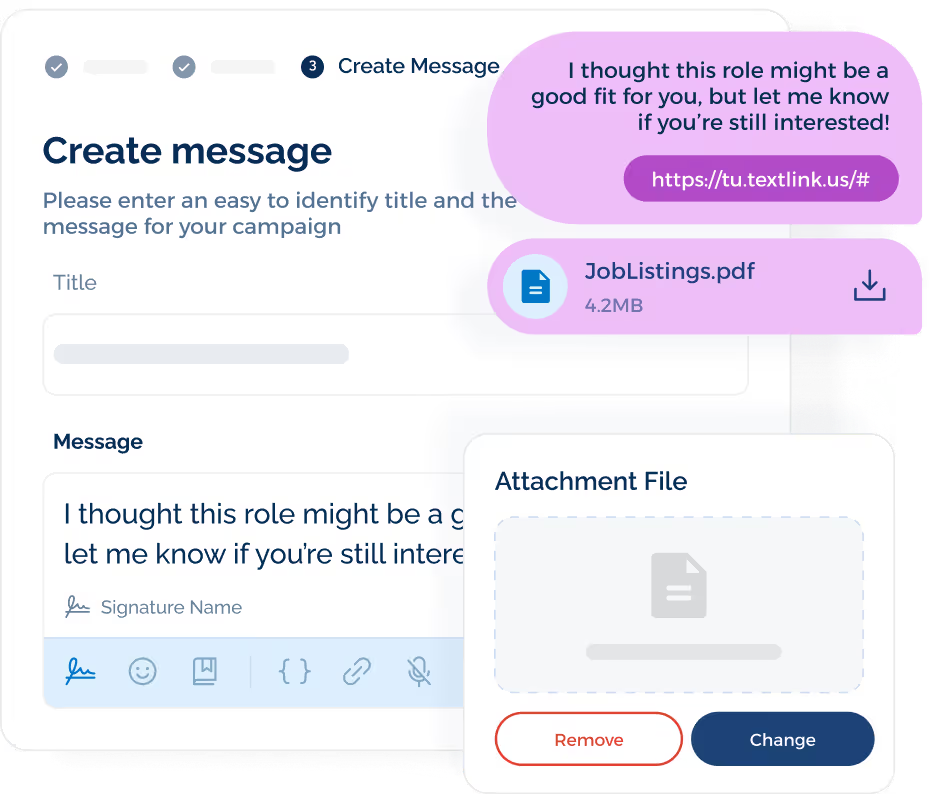
Personalization fields, scheduled sends, reusable templates, attachments, shortened links, recurring SMS campaigns, and A/B testing give SMS text marketing programs more structure.
Message variations and audience targeting also make it easier to test which offers, wording, and CTAs support stronger customer response.
Automate Customer Follow-Ups With Sequences
TextUs Sequences create planned SMS follow-up paths for customers who need more than one message.
A retention sequence might include onboarding reminders, renewal prompts, product education, event notices, or follow-ups after a customer stops engaging.
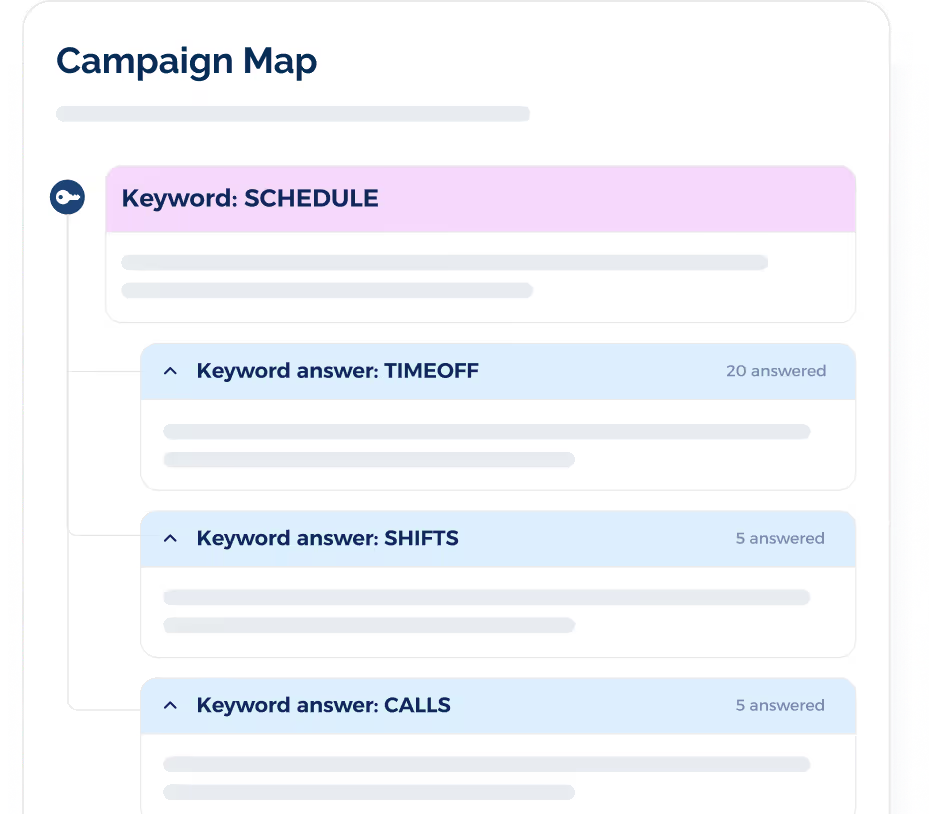
You can also use SMS keywords to trigger automated responses and enroll contacts into specific message paths when they text terms such as RENEW, HELP, or OFFER.
Contact Intelligence adds another layer by scoring engagement as Cold, Warm, or Hot, which can help staff identify conversations that may need more attention.
Continue Every Reply With Conversational Texting
TextUs's shared inbox keeps conversations in one place. Staff can review history, assign owners, use saved responses, and see new replies as they arrive.
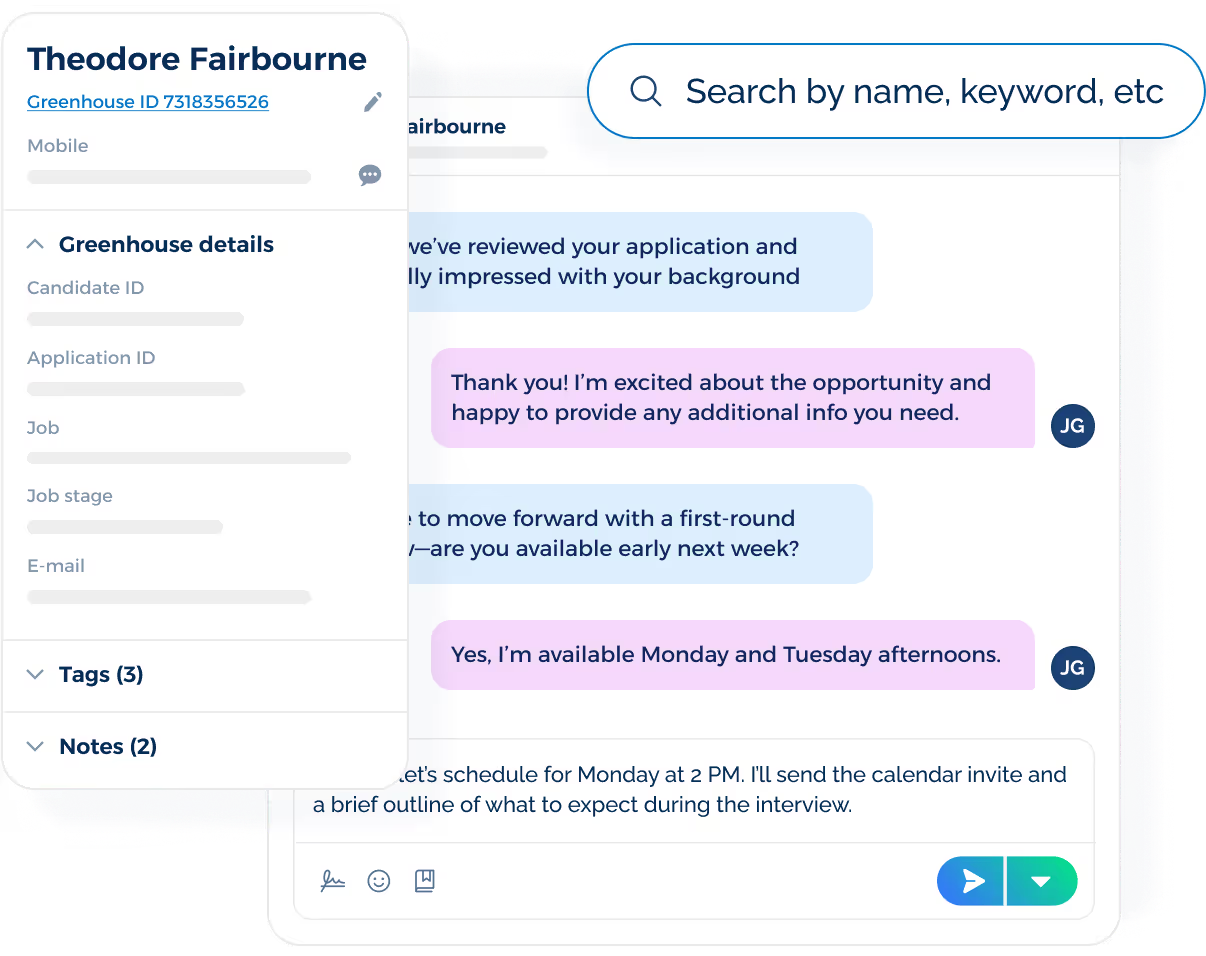
This creates a smoother path from outreach to human support when a customer has a question, concern, or renewal request.
Fast access to conversation context can also boost loyalty. Customers don't have to restart the same discussion each time someone new handles the conversation.
Connect Texting With Customer Data and Analytics
TextUs connects with CRM and business platforms such as Salesforce, HubSpot, Microsoft Dynamics, and other systems used to manage customer records.
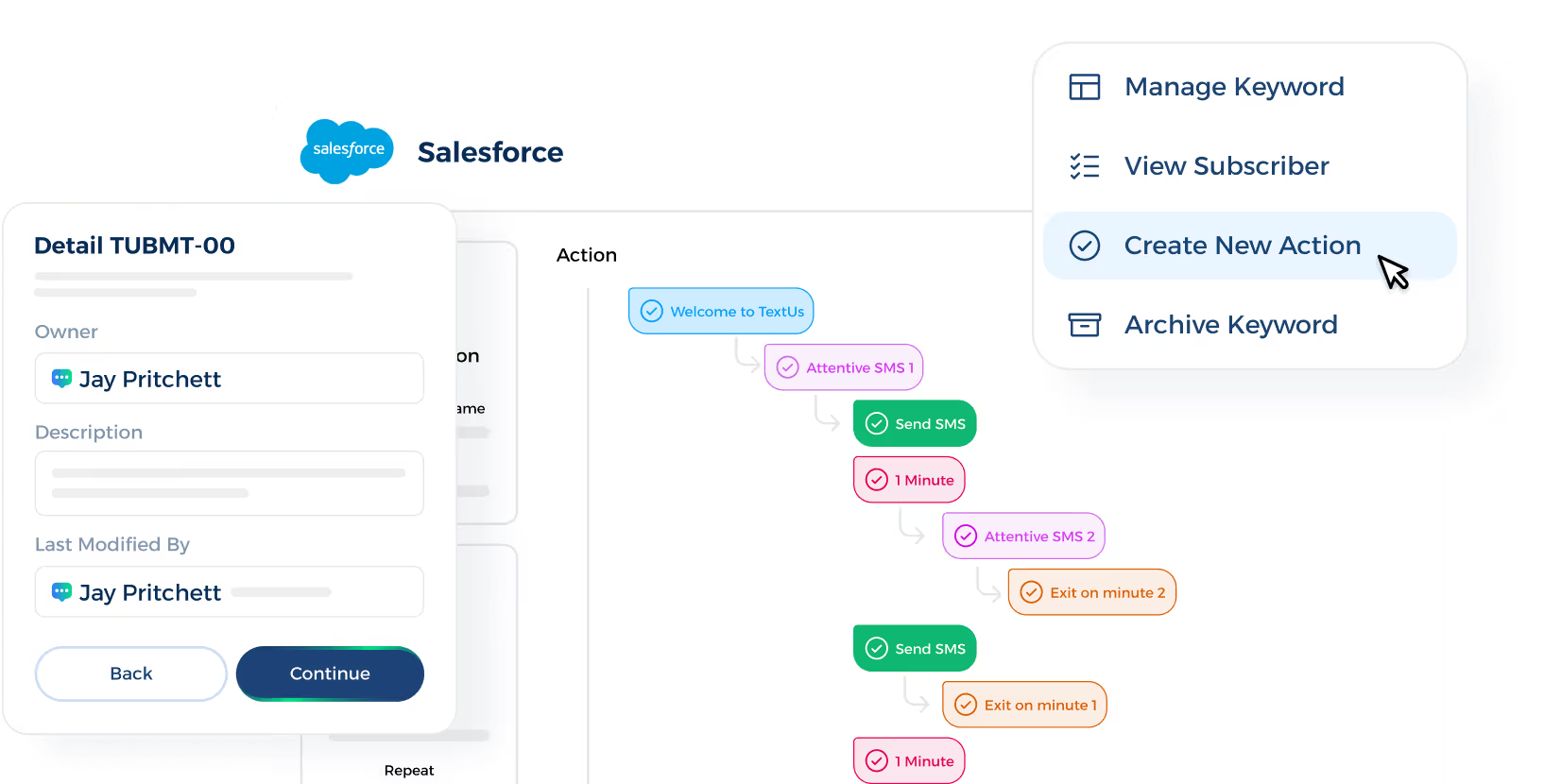
Contact syncing keeps texting activity tied to account information. Customer stage, engagement, and past communication can guide future outreach.
Built-in SMS analytics show campaign delivery, replies, clicks, response activity, and conversation performance.
You can compare these signals with renewals, repeat activity, and lifetime value to understand which retention campaigns deserve more investment and which ones need adjustment.
Protect Message Quality With Smart Delivery
TextUs Message Quality Indicator (MQI) reviews SMS copy before it is sent and scores messages with red, yellow, or green indicators based on potential deliverability risk.
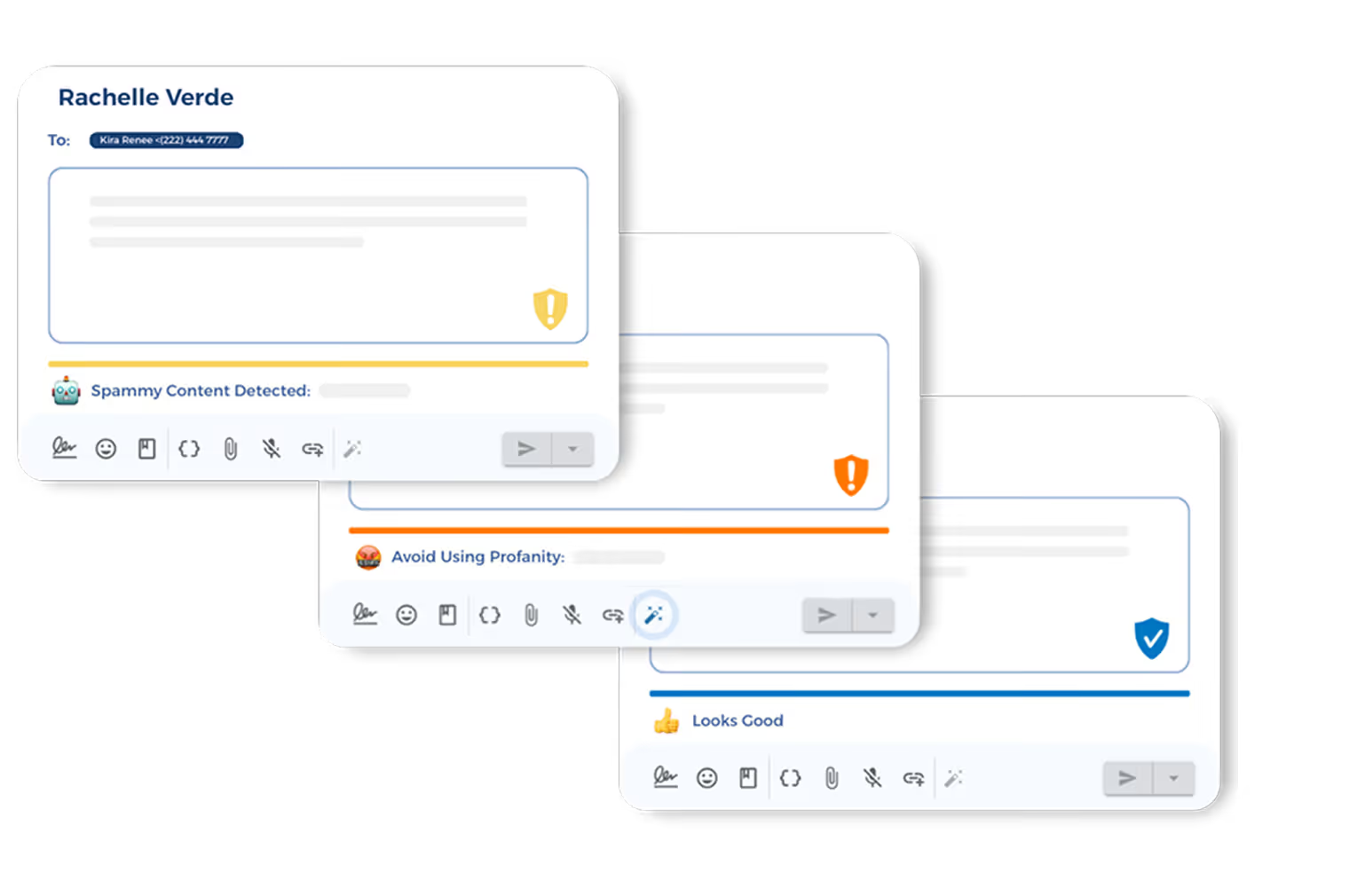
Custom rules also let you flag wording that does not fit certain messaging standards or campaign requirements.
Smart AI Rewrite suggests a safer version when a message contains risky language, while Smart Delivery monitors opt-out thresholds during campaigns.
If risk increases, TextUs can pause the campaign before carrier filtering becomes a larger issue. It helps protect the texting channel you rely on for ongoing customer communication.
Turn Customer Texting Into Long-Term Relationships With TextUs
Retention doesn't end after the sale. Brands that stay connected, listen to customer feedback, and send the right messages create more opportunities to keep buyers coming back.
TextUs brings personalized outreach, smart AI automation, CRM connections, reporting, and deliverability controls into one platform.
SMS becomes more than a promotional channel as it supports service, loyalty, re-engagement, renewals, and long-term customer communication.
When texting fits into your broader digital marketing strategy, it keeps your brand top of mind without depending on email alone.
Book a demo with TextUs today and see how texting increases retention and fits into a more connected post-sale strategy!
FAQs About Customer Retention Texting
What are the 8 C's of customer retention?
There is no single universally accepted version of the 8 C's of customer retention.
A common framework includes communication, consistency, convenience, credibility, competence, care, customization, and commitment. All of these focus on creating an experience that keeps customers coming back.
Is SMS text blasting illegal?
SMS text blasting is not automatically illegal in the United States, but you must follow federal and applicable state texting rules.
Marketing texts require the appropriate customer consent. You should also maintain records of sign-ups, honor opt-out requests, identify the sender, and follow applicable TCPA requirements.
What are the three R's of customer retention?
The three R's are more often discussed as a customer loyalty framework: rewards, relevance, and recognition.
Rewards acknowledge continued business, relevance keeps communication connected to customer needs, and recognition makes customers feel valued.
What is SMS retention?
SMS retention is the use of text messaging to keep existing customers engaged after a purchase, appointment, subscription, or other conversion.
Texts may include service updates, loyalty offers, renewal reminders, re-engagement outreach, and messages that encourage sign-ups for ongoing customer relationships.
Continue Reading



Frequently Asked Questions
Business Texting
Built for Results
Create and convert pipeline at scale through industry leading SMS software