
How to Create a Proactive Customer Communication Strategy
Learn how customer communication management works and explore the steps to improve customer communication. Discover how TextUs can help you.

Written by
Adam Hamdan
Published
March 25, 2026

Every interaction you have with a customer leaves an impression. A thoughtful follow-up or a quick answer to a simple question can turn a routine exchange into an experience that customers remember.
However, customers use multiple communication channels. Some prefer email, while others expect quick responses through chat, phone, or text.
Choosing the right channel and using customer communication tools can improve how you proactively engage with customers.
In this article, we'll explore what customer communication means for modern businesses. You'll also learn ways to optimize customer communication and discover which channel helps you build stronger relationships.
TL;DR
- Customer communication management builds trust, strengthens reputation, improves retention, and increases referrals through proactive interactions.
- You can use several communication channels, such as SMS, email, phone calls, live chat, social media messaging, and website contact forms, to interact with customers.
- Improving your communication includes reviewing current interactions, setting communication goals, choosing the right channels, training staff, and monitoring results.
- Strong communication habits improve customer satisfaction through faster responses, tailored messages, and simple language that customers can quickly understand.
- TextUs helps manage conversations, automate campaigns, integrate messaging with CRM systems, and maintain real-time engagement with customers through text messaging.
What Is Customer Communication Management?
Customer communication management (CCM) is the process businesses use to create, manage, deliver, and track customer interactions on different channels throughout the customer lifecycle.
It involves organizing how messages are sent through email, SMS, phone, chat, social media, and other platforms to keep interactions accurate.
Why Is Customer Communication Management Important?
Proper customer communication management makes sure every interaction with your audience is aligned with your brand standards.
When customers feel heard, and they can rely on you for timely responses, they're more likely to return and recommend your business.
A structured approach also allows you to deliver relevant communications based on where someone is in the buying process. It connects messaging with customer records and workflows to provide context for every interaction.
When teams have access to complete information, they can respond faster and deliver better customer service that reflects each customer’s history and needs.
A well-defined approach also supports strong internal communication. Teams avoid sending mixed or duplicate messages.
This level of consistency supports strong customer relationships because people know they can rely on you for accurate information and consistent follow-up.
Customer Communication Channels for Businesses
The channels you choose influence response speed, message tone, and the overall customer experience. Here are the common communication channels business leaders use for reaching customers.
SMS Messaging
SMS marketing allows you to send text messages straight to a customer’s mobile phone.
Automated messaging works best for short updates that customers need to see quickly, such as reminders, order confirmations, delivery notices, and service updates.
Text messaging also creates a fast two-way conversation. Customers can read the message within minutes and reply right away, which keeps communication responsive compared with many other channels.
If you want to start texting, TextUs allows you to send and receive personalized messages from a single dashboard.
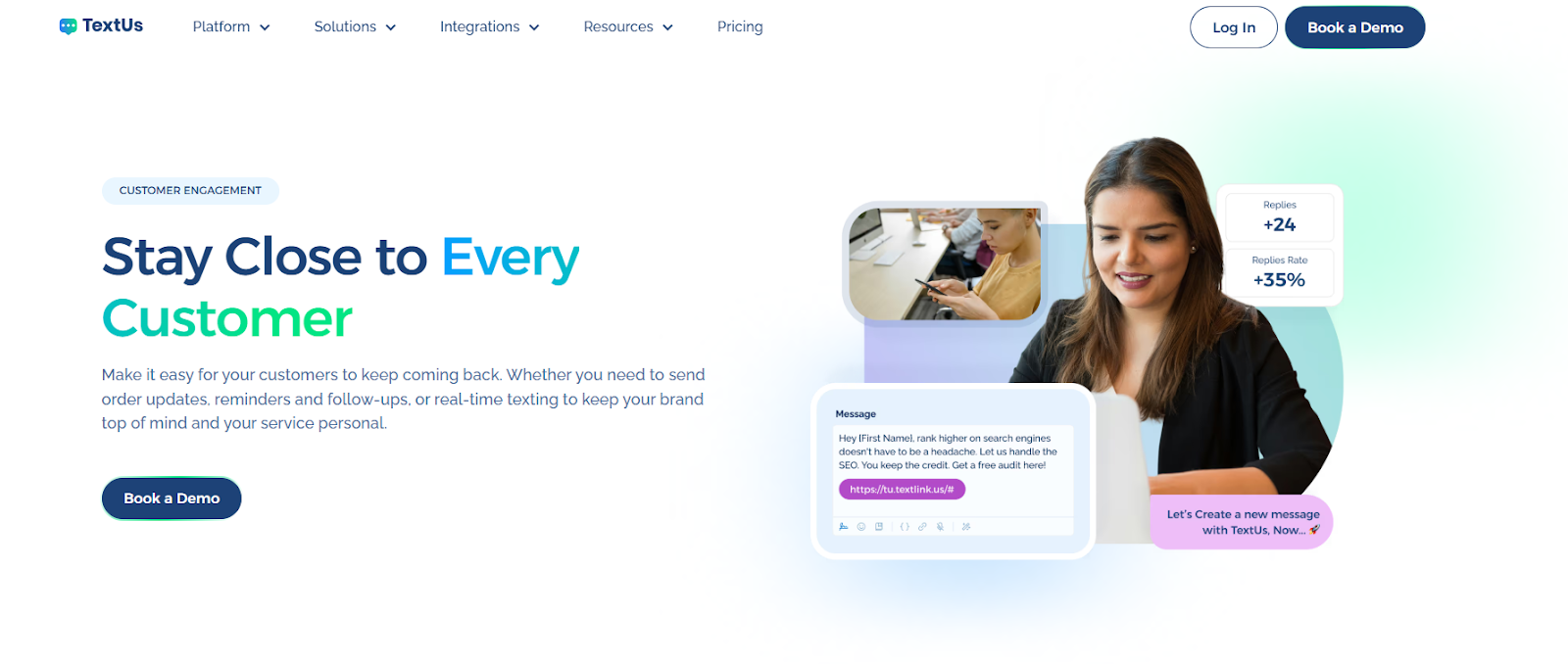
The platform supports SMS marketing campaigns and automation that generate leads, while also allowing sales conversations to continue through personalized text messaging.
TextUs also connects with your customer relationship management (CRM) system to manage contacts, record conversation notes, and keep messaging connected with your existing marketing and sales process.
If you want to strengthen customer communication through SMS, book a demo with TextUs today!
Email Marketing
Email marketing remains a common channel for sharing information with customers that they can review later.
You can use email for order confirmations, account notifications, product updates, newsletters, and customer support responses. These messages include more context, links, or attachments that require more space.
Email also allows you to send messages to large groups of customers at once, such as announcements, promotions, or educational content.
However, email responses take longer compared with other communication channels. Customers may not check their inbox frequently, which can slow down conversations when a quick reply is needed.
Phone Calls
Phone calls allow you to speak with customers in real time. You can explain information more thoroughly when a question requires discussion.
Customers can also describe their concerns in detail and receive answers during the same conversation.
Phone communication adds a human element to customer interaction. Some customers still prefer speaking with a representative instead of sending written messages.
However, phone calls require both you and the customer to be available at the same time. Wait times and call queues can also slow communication during busy periods.
Live Chat Messaging
Live chat messaging allows you to communicate with customers through a chat window on your website.
You can use live chat to answer common questions about pricing, product details, account access, or order status. Customers can ask questions while browsing your products or services without leaving the page.
Live messaging can also support customers during the buying process. If they have a question before making a purchase, you can respond immediately and provide the information they need.
Though live chat requires staff availability to respond quickly. If responses take too long, customers may leave the conversation or continue searching for answers elsewhere.
Social Media Messaging
Messages, comments, and direct customer inquiries appear on channels such as Facebook, Instagram, LinkedIn, and X (Twitter) when customers want to ask a question or share feedback.
You can respond to product questions, support requests, or service concerns through social media messaging. Public replies also show other users that the company acknowledges customer comments and takes time to respond.
Customers also tend to contact brands through social platforms they already use daily. A response on the same platform keeps the conversation simple and familiar for the customer.
Messages and comments can appear at any time. You need a process in place to keep track of incoming conversations and maintain consistent responses.
Website Contact Forms
Website forms provide a simple way for customers to send questions or requests through your website. A customer fills out a form with their name, contact information, and message, which then goes to the appropriate department.
You may use contact forms for service inquiries, product questions, partnership requests, or technical support. The form structure helps collect the details needed to understand the request before responding.
Contact forms also keep communication organized because each submission enters a system that can be tracked and assigned. That process helps prevent requests from being overlooked and makes follow-up easier.
Response time may vary depending on how frequently submissions are reviewed. Customers who expect quick answers may still prefer other channels when they need immediate assistance.
How to Improve Customer Communication
When you review how your company interacts with customers, you can identify gaps and create a better experience throughout the relationship.
Step #1: Review Current Customer Interactions
Start by looking at email messages, phone conversations, website chats, social media interactions, and any other platform where conversations take place.
Pay attention to response speed and tone consistency. Poor communication or delays can weaken trust and damage your customer's perception of your business.
Support records and past conversation logs provide useful insight into how communication happens in practice. You can review these records to see patterns such as customer behavior, repeated questions, and unresolved customer issues.
Customer feedback also plays an important role during this review. Comments from surveys and reviews highlight areas where communication can improve.
Step #2: Define Your Customer Experience Goals
Specific goals guide your customer communication strategy and what outcomes your company wants to achieve.
Some companies focus on faster response times, while others focus on improving message consistency or increasing customer satisfaction.
Your goals should also support broader business objectives. Strong communication can support customer retention, improve the buying experience, and strengthen long-term relationships.
It's also useful to set measurable targets so progress can be tracked. Tracking metrics such as response times and satisfaction scores helps maintain long-term customer satisfaction.
Goals also create shared expectations. Sales, marketing, and customer support can follow the same standards and maintain a consistent experience for every customer.
Step #3: Choose the Right Channels for Engagement
Think about how your customers prefer to contact your business. Communication preferences can vary depending on the situation.
Email works well for detailed explanations, phone calls support complex issues, and website chat allows teams to assist customers quickly.
Text messaging is a great addition to your communication stack. An automated message promotes consistent communications, supports follow-ups, and meets customers on a device they check throughout the day.
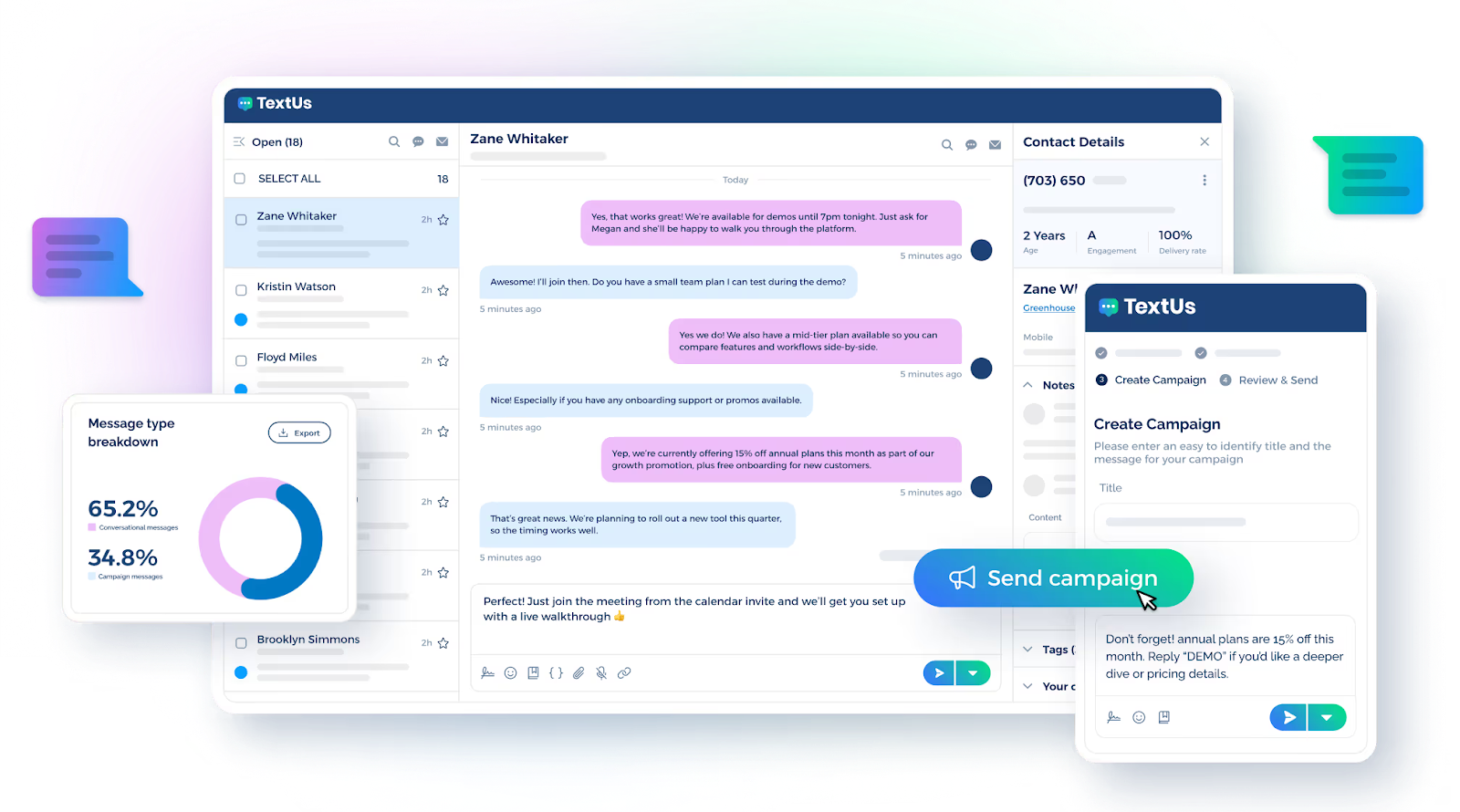
TextUs is a centralized platform built for real-time customer engagement, campaign automation, and one-to-one sales conversations through text messaging.
If you want to move prospects through your pipeline faster than email alone, TextUs can support that effort.
Step #4: Create Consistent Interaction Guidelines
The way your staff respond to questions, handle concerns, and guide conversations shapes how customers view your brand.
Training should focus on message tone, listening skills, and how to respond with accurate information. Your customer service team needs to understand how to keep conversations professional while remaining approachable.
You should also train staff on how to communicate on different channels. Writing an email requires a different approach than responding to a live chat or sending a text message.
Role-playing real customer scenarios can strengthen communication skills. Employees can respond with confidence and handle difficult situations with control.
When every support agent follows the same approach, customers receive a consistent experience regardless of who they speak with.
Step #5: Track Performance and Improve Continuously
You need to track performance to understand how well your communication strategy supports customer expectations.
Start by measuring response times on each channel. Slow replies can signal gaps in your communication processes.
Customer satisfaction scores and feedback surveys also provide insight into how customers view your communication.
You should also monitor retention rates and repeat purchase behavior. Effective communication connects with higher customer loyalty and continued engagement.
Best Practices for Better Customer Interactions
Strong customer communication keeps your conversations productive. Here are some of the best practices you can apply to deliver high-impact interactions.
Respond to Customers Fast
Fast responses show customers that you respect their time and attention. It keeps momentum strong throughout the customer journey.
You need to set response time goals for each communication channel. This helps your staff understand how quickly customers should receive a reply through email, SMS, or other contact methods.
If you track how long it takes to respond to customers, it reveals delays that may lead to a potentially negative interaction or unresolved concerns.
Using the right technology can also support faster communication. Communication tools allow you to manage conversations through CRMs.
These tools also support features such as notifications, conversation assignment, and message tracking. Your support team stays organized and delivers consistent responses, even as inquiries increase.
Personalize Your Messages
Personalized communication makes satisfied customers feel recognized rather than treated like another ticket in a queue.
A simple greeting with the person’s name shows attention and creates a more human interaction.
You can leverage customer data, such as previous purchases, earlier conversations, or past support requests. This will help you respond in a way that reflects the customer’s situation.
SMS segmentation can support more personalized communication. When you group contacts based on behavior, purchase history, or interests, you can send marketing messages that are relevant to each customer.
Keep Messages Simple
Many customers read messages quickly. Long paragraphs can make the information harder to follow, especially on mobile devices.
Customers should understand the purpose of the message within a few seconds of reading it.
Avoid technical terms that customers may not recognize. Plain language keeps the conversation accessible and prevents unnecessary follow-up questions.
Texting abbreviations can also support shorter messages in various channels such as SMS or live chat.
But you have to use them carefully and only when the meaning is widely understood. This could be “FYI,” “ETA,” or “ASAP,” so the message remains professional and easy for customers to interpret.
Implement Loyalty Programs
Customer communication should extend beyond solving problems or closing sales. Exclusive offers and personalized outreach create opportunities that reward customers for their repeat engagement.
You can use your SMS to share special offers, early access announcements, or points updates.
A quick text about a reward or a reminder about unused benefits keeps your brand present without overwhelming the customer. Let customers know what they earn, how they earn it, and what they can redeem.
Turn Every Message Into a Sales Opportunity With TextUs
Timely engagement is one of the key aspects of modern sales and support.
When people reach out with a question or interest in your product, a quick response strengthens communication efforts and increases the chance of turning that conversation into a sale.
TextUs helps you deliver exceptional customer service and faster engagement through real-time SMS messaging. Direct conversations move deals forward and strengthen customer relationships.
This unified platform supports outreach campaigns, automated follow-ups, and personalized one-to-one texting. Your marketing and sales teams can stay connected with prospects and customers.
Conversations should move as fast as customer expectations, and using SMS can build customer loyalty by keeping your outreach consistent.

Book a demo with TextUs today to see how SMS can support lead generation and improve close rates!
Continue Reading



Frequently Asked Questions
What is the goal of customer communication?
The goal of customer communication is to build strong relationships while providing valuable information and dependable support.
Each interaction should guide customers, answer questions, and create a positive experience that reflects awareness of customer sentiment. Strong communication also makes it easier to resolve issues before they escalate.
What makes customer communication effective?
Customer communication becomes effective when messages are easy to understand. You can collect insights through customer surveys to better understand expectations and adjust messaging to match real needs.
A comprehensive knowledge base and accessible self-service tools also empower customers who prefer finding answers on their own.
What are the best channels for customer communication?
The best customer communication channels depend on the type of message and the customer's preference. Using multiple channels gives customers flexibility and strengthens how teams resolve issues in real time.
Texting is a great communication method for quick updates, reminders, and two-way conversations with customers.
Business Texting
Built for Results
Create and convert pipeline at scale through industry leading SMS software