
How Conversational Texting Supports Two-Way Communication
Leverage conversational texting for stronger customer relationships. Learn how TextUs can help you set up two-way SMS to close deals faster.

Written by
Adam Hamdan
Published
March 18, 2026

Most customers no longer want one-sided messages from brands. People expect real conversations where they can ask questions and feel heard.
Conversational texting creates that experience. Instead of sending messages that end after delivery, you initiate conversations that allow customers to respond and continue the interaction.
These conversations can guide someone through the entire customer journey, from the first inquiry to scheduling a meeting or completing a purchase.
In this blog post, we'll explore how conversational texting works and how businesses are using it to boost customer engagement and improve response rates.
TL;DR
- Traditional SMS sends one message to many people, while conversational texting allows real two-way SMS conversations with customers.
- Conversational texting can be used for sales conversations, customer support, recruiting communication, healthcare appointments, and service updates.
- To implement conversational texting, you need to choose an SMS platform, set up a business number, organize contacts, create message templates, train your teams, and monitor conversations.
- Success in conversational texting comes from responding quickly, keeping messages short, personalizing replies, and avoiding excessive messaging.
- TextUs provides you with the tools to manage SMS conversations, automate follow-ups, and handle conversational texting in one platform.
Traditional SMS vs Conversational SMS Marketing
Traditional SMS and conversational SMS marketing both use text messaging, but they support different communication goals. Here are their key differences and how each approach works for your business.
Communication Style
Traditional SMS marketing sends one message to many contacts at the same time. The goal involves delivering information quickly, such as promotions, announcements, or reminders.
Conversational SMS marketing focuses on two-way messaging. Customers can reply, ask questions, and continue the conversation with your team.
Purpose of the Message
Traditional SMS marketing centers on marketing campaigns. You send messages to promote sales, announce events, or share updates with a large target audience.
Conversational texting focuses on building relationships and guiding potential customers through a process. Instead of one-way messaging, you can answer customer inquiries, schedule meetings, confirm appointments, or provide personalized messaging.
Personalization
Traditional SMS marketing sends the same message to a large group of contacts. Some SMS marketing campaigns include basic personalization, such as a name or location.
Conversational texting allows you to tailor each response to the individual customer. You can address specific customer questions and adjust the conversation based on customer preferences.
Timing and Interaction
Traditional SMS marketing usually follows a planned campaign schedule. You send messages at specific times to promote offers or provide updates.
Conversational texting happens in real time. Customers send a message when they need information, and your team responds instantly to continue the conversation.
Conversational Texting Use Cases for Businesses
Here are several ways you can use conversational SMS marketing to improve customer engagement and encourage repeat purchases.
Sales Conversations and Lead Engagement
Many buyers have questions before visiting a store, scheduling a demo, or committing to a meeting. Texting allows you to respond immediately.
You can qualify leads through short conversations. It reveals what the prospect needs and whether they are ready to move forward.
Teams can also send sales follow-ups that keep your business visible while prospects consider their options. Meeting scheduling becomes much easier because a prospect can confirm availability through a quick text reply instead of coordinating through several emails.
Customer Support Communication
Customers prefer sending a message instead of waiting on hold for a phone call. This makes texting a convenient channel for support inquiries.
You can guide customers through troubleshooting steps directly through text messages. Support teams can also send updates during service requests, delivery processes, or order fulfillment.
When you keep the conversation in one message thread, it allows you to review previous details before responding.
Recruiting and Hiring Communication
You can send conversational SMS messages to stay connected with candidates during the recruitment process.
Job applicants frequently respond faster to text messages than email, which helps you move candidates through the hiring pipeline more quickly.
You can schedule interviews through text conversations so candidates can confirm their availability immediately. Teams can also send follow-up messages after interviews and provide updates about application status.
Healthcare Messaging and Appointment Coordination
Patients appreciate it when they can confirm appointments or ask questions through a quick message instead of calling the office.
You can send appointment reminders that reduce missed visits and allow patients to confirm their attendance. Clinics can also respond to questions, send preparation instructions, or follow up after appointments to share additional information.
Messaging for Service-Based Businesses
Conversational texting allows you to coordinate appointments and keep customers informed throughout the service process.
Customers can request services, confirm scheduling details, and communicate directly with your team through text messages.
You can send job updates so customers know when a technician is on the way or when work has been completed. After the service visit, you can also send a quick check-in message to confirm satisfaction and maintain a strong customer relationship.
How to Set Up Conversational Texting for Your Business
If you want to start using text conversations to engage prospects and respond to questions faster, here’s how you can set it up for your business.
Choose a Conversational Texting Platform
You need a system that supports two-way communication, so team members can respond and gain visibility into every interaction with a customer.
The best texting platform provides shared inboxes, mass messaging tools, message templates, and automation features. This makes it easier to handle a large volume of conversations while still keeping each interaction personal.
TextUs is a complete solution designed for conversational text messaging. Rather than wondering who responded to a message or losing track of a conversation, your team can see the full thread and assist when needed.
TextUs also makes it easier to engage customers. You can schedule follow-up messages, send reminders, and start conversations with templates that still feel natural.
With the right tools in place, your team can respond faster and create a better experience for every customer who reaches out. Book a demo with TextUs today!
Set Up Your Business Messaging Number
You need to configure a business phone number for texting to create a direct line with customers.
Many SMS messaging apps allow you to use a local number, toll-free number, or short code, depending on your marketing strategy.
Using a dedicated business number keeps communication professional and makes sure customers recognize your marketing messages on other marketing channels. It also allows your team to manage conversations without relying on personal mobile devices.
Import and Organize Your Contacts
After your messaging number is active, you have to import your SMS list into the platform. Many conversational texting tools allow you to sync contacts from your customer relationship management (CRM) system.
TextUs lets you organize contacts into segments to make communication easier. You can group contacts based on customer type, location, or stage in the buying process.
SMS segmentation allows you to send targeted SMS campaigns and move prospects into one-on-one conversations when they respond.
Create Message Templates and Workflows
Instead of writing every message from scratch, you can create templates for common situations such as meeting requests, follow-ups, appointment confirmations, or customer support responses.
You can also set up automated workflows that trigger conversational SMS marketing campaigns based on customer actions.
For example, an automated message can be sent when a new lead enters your CRM or when a customer schedules an appointment.
Train Your Team on Conversational Messaging
Your team should understand how to communicate through text messaging. Conversations should remain professional and helpful while guiding more customers toward the next step.
Sales teams may use texting to qualify leads or schedule meetings. Customer support teams may use it to respond to questions or provide updates. An established guideline makes sure your team communicates consistently with customers.
Monitor Conversations and Improve Your Strategy
Once conversational texting is active, you need to review message performance. Many messaging platforms provide reporting dashboards that show engagement, response rates, and conversation activity.
When you monitor results, it's easier for you to refine the messaging approach and identify opportunities to improve communication.
Over time, your team can develop two-way conversation messaging strategies that move customers closer to a purchase.
Conversational Texting Best Practices You Can Follow
Conversational texting works best when it's respectful of the customer’s time. Here are several tips that help you keep customers engaged and improve customer satisfaction.
Respond Quickly to Incoming Messages
Speed matters when someone reaches out. Quick replies create immediate engagement and show customers that your team is paying attention.
Response time plays an important role in conversational texting. Your team can address customer complaints and collect customer feedback while they’re still active in the conversation.
When customers receive instant responses, they are more likely to convert into loyal customers. This is one of the key benefits of conversational texting.
Keep Messages Short and Valuable
Customers check messages quickly on their phones. Therefore, shorter responses written in natural language make communication easier to understand.
Using text abbreviations and emojis can make conversations sound more human, but they should be used carefully.
Common abbreviations such as “FYI” or “ETA” can save time when they are widely understood, but too many shortcuts can confuse customers.
SMS emojis can add warmth to a message and turn it into an interactive marketing campaign. Still, they should support the message rather than replace professional communication.
Short messages also allow your team to deliver useful information without overwhelming the reader. When conversations stay simple, it becomes easier to understand customer behaviors and collect valuable data for future improvement.
Use Personalization in Conversations
When you respond using your own words and match your brand identity, customers recognize that a real person is listening and responding to their needs.
Customer data from previous interactions, purchase history, or preferences allows you to tailor your responses and show that you understand their situation. Customers feel valued, which also builds long-term brand loyalty.
Avoid Over-Messaging Customers
Sending too many messages can overwhelm your audience and reduce the impact of your outreach.
Instead of constant texting, focus on meaningful communication that fits within a thoughtful SMS strategy.
Well-timed messages also work better than frequent ones. You need to familiarize yourself with the best time to send marketing messages according to your audience and industry.
You can test different times and review campaign results to help you identify when your audience responds best.
Turn Text Messages Into Stronger Customer Relationships With TextUs
Great conversations create better customer experiences. When customers can reach you through a simple text message, communication becomes more personal and easier to manage.
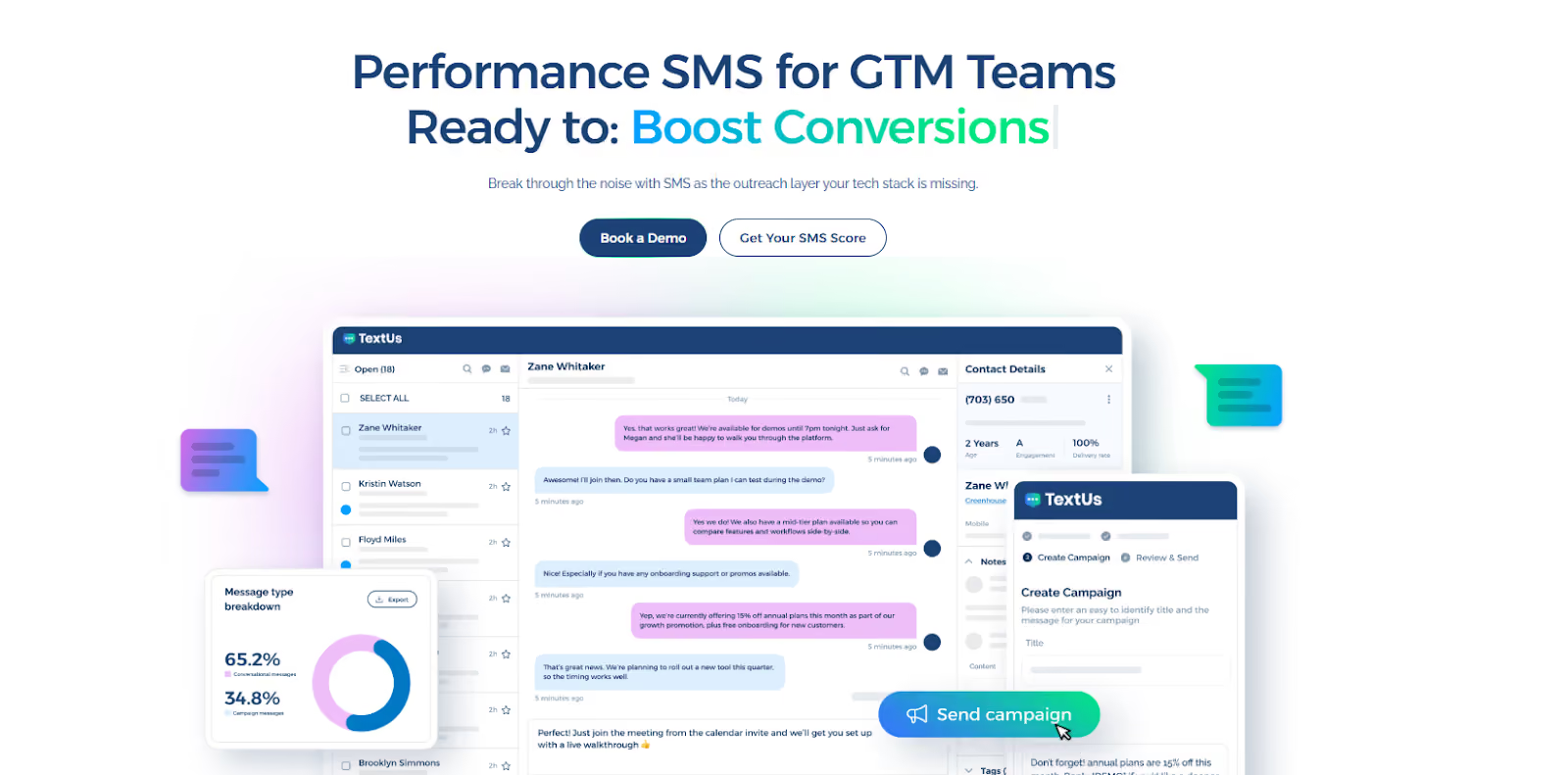
TextUs makes conversational texting simple for your team. You can manage customer conversations in one platform, respond quickly to incoming messages, and keep communication organized with shared inboxes.
If you want to create stronger engagement and maintain consistent communication with your customers, TextUs provides the tools to support that. Book a demo today!
FAQs About Conversational Texting
How is conversational texting different from chatbots?
Conversational texting involves real conversations between your team and your customers through text messages. Your team responds to questions and continues the discussion based on what the customer needs.
Chatbots send automated responses based on preset rules. They can answer simple questions, but they cannot handle detailed conversations the way a person can.
What tools are used for conversational texting?
SMS marketing platforms are designed for team communication. They allow you to send and receive messages, manage conversations, and organize contacts.
Many SMS tools also include shared inboxes, message templates, and automation features. TextUs lets you manage customer conversations while providing customer insights to improve your messaging strategies.
Is conversational texting compliant with SMS regulations?
Conversational texting can remain compliant when your business follows SMS compliance rules. Customers must give permission before receiving text messages from your business.
Messages should also include a way for customers to opt out. You must follow regulations such as the Telephone Consumer Protection Act (TCPA) in the United States and keep records of customers' explicit consent.
Can conversational texting improve sales and customer engagement?
Conversational texting allows you to respond to customers quickly. New customers can ask questions and receive answers without waiting for a phone call.
Fast responses and direct conversations can strengthen relationships and encourage customers to make a purchase or schedule an appointment.
For many ecommerce brands, texting is also a cost-effective way to engage with customers and increase engagement.
Continue Reading



Frequently Asked Questions
What is conversational texting and why does it matter for business communication?
Conversational texting is two-way SMS communication that feels like a natural dialogue rather than a one-way broadcast. It matters because it builds trust, increases response rates, and moves people toward action faster.
How does two-way SMS improve customer and candidate engagement?
Two-way SMS lets customers and candidates reply naturally and get responses in real time, creating a communication experience that feels more like a helpful conversation than a marketing message.
What technology enables conversational texting for businesses?
Business SMS platforms with shared inboxes, CRM integrations, automated routing, and real-time notification systems enable teams to manage high volumes of two-way text conversations efficiently.
Business Texting
Built for Results
Create and convert pipeline at scale through industry leading SMS software