
Performance-Driven Marketing in Modern Advertising
Learn about the impact of performance-driven marketing and explore strategies. Discover how TextUs can help with performance-driven SMS outreach.

Written by
Adam Hamdan
Published
February 12, 2026

Many performance marketers struggle to understand why campaigns fail to produce results.
Budgets are spent, messages are sent, and reports show activity. But outcomes don't lead to engagement or conversion.
Performance-driven marketing offers a structured way to address these issues. Each campaign begins with a defined goal and is built around actions that can be tracked.
In this article, we'll explain how performance-driven marketing helps solve common marketing challenges. You'll also find different strategies for measuring outcomes and improving results over time.
TL;DR
- Many businesses struggle with visibility and slow follow-up, which makes it harder to repeat what works and strengthen campaign results.
- Performance-driven marketing connects each campaign to actions that can be measured and reviewed.
- Strong performance strategies focus on defining the message, building a brand message, setting targets, choosing the right mix of channels, improving landing pages, nurturing leads through SMS, and tracking everything to improve results.
- TextUs supports performance-driven marketing by turning SMS into a marketing channel you can measure and manage.
The Impact of Performance-Driven Marketing
Instead of relying on traditional advertising methods that prioritize reach alone, performance marketing enables you to focus on specific actions that drive measurable results.
For example, a campaign built to promote an offer should not only be measured in ad impressions, but in how many users clicked, replied, or signed up. Each touchpoint becomes part of a system, not just a single push.
Still, many marketing companies struggle with unclear returns on their digital marketing. As per Marketing Week’s survey, 60% of marketers say they don’t have full visibility into how their work performs.
According to Verse, 41% of companies report that following up with high-quality leads quickly is also a major barrier to conversion.
These challenges limit growth and slow down sales efforts. When you can’t tell what part of your marketing activities is working, progress becomes harder to track and repeat.
A performance-driven model solves that by keeping each campaign tied to one goal at a time. This also helps departments work together, since sales and marketing can rely on the same data to make decisions.
Strategies and Tactics for Performance Marketing Success
Performance-driven marketing works best when there’s a structure behind every campaign and when it fits into a larger digital marketing strategy. Below are key strategies to help you get better results on your marketing efforts.
Define Your Campaign Message
Before launching any ad, email, or follow-up, you need to be strategic about what you’re asking people to do. It can be clicking a link, booking a meeting, or filling out a form.
When the message is built around that one action, it becomes easier to shape the rest of the campaign, from the channel to the timing. But you also need to know where the person is in the process.
Someone hearing from you for the first time through social media platforms or Google Ads will need a simple message that explains the next step. Someone who has already shown interest may need a reminder or follow-up.
In both cases, the message should be easy to understand, with no distractions or mixed signals that could lower conversion rates.
It also helps to test different versions of the message. With A/B testing, you can send two versions of the same campaign to similar contacts and compare the results using real performance data.
Build a Brand Message
A brand message helps people understand your business and why they should trust your services and expertise. This message supports everything you send out, such as advertising, emails, texts, follow-ups, and content marketing.
Your brand message should be shaped around how you want to be perceived, whether they find you through organic traffic, native ads, or sponsored content.
If your tone is approachable, your outreach has to reflect that on multiple ad channels. If you're running B2B marketing campaigns, your message should remain professional without sounding distant. In either case, consistency makes your campaigns more reliable and easier to trust.
Texting can support this consistency when used correctly. With TextUs, every message can include customer names, locations, or product types. These details are automatically pulled in, so each recipient receives a message that feels written for them.
Set Performance Targets
A performance campaign needs to have a goal to keep your team focused on what the campaign is supposed to achieve. These targets may include replies, leads, conversions, bookings, or sign-ups.
For example, if your goal is to increase replies, the message format may look different than if you were driving traffic to a landing page. The channel, timing, and follow-up all depend on what result you are aiming for.
Tracking progress is what turns these goals into something useful and supports measurable results.
Once a campaign is live, you should review performance regularly and adjust based on what the numbers show. You can tweak the message, shift spend to a different channel, or update the call to action.
Choose the Right Performance Marketing Channel
Not every message belongs in one channel. Search engine marketing is ideal when people are actively looking for a solution on a search engine. Email supports longer explanations within your broader online marketing and digital advertising efforts.
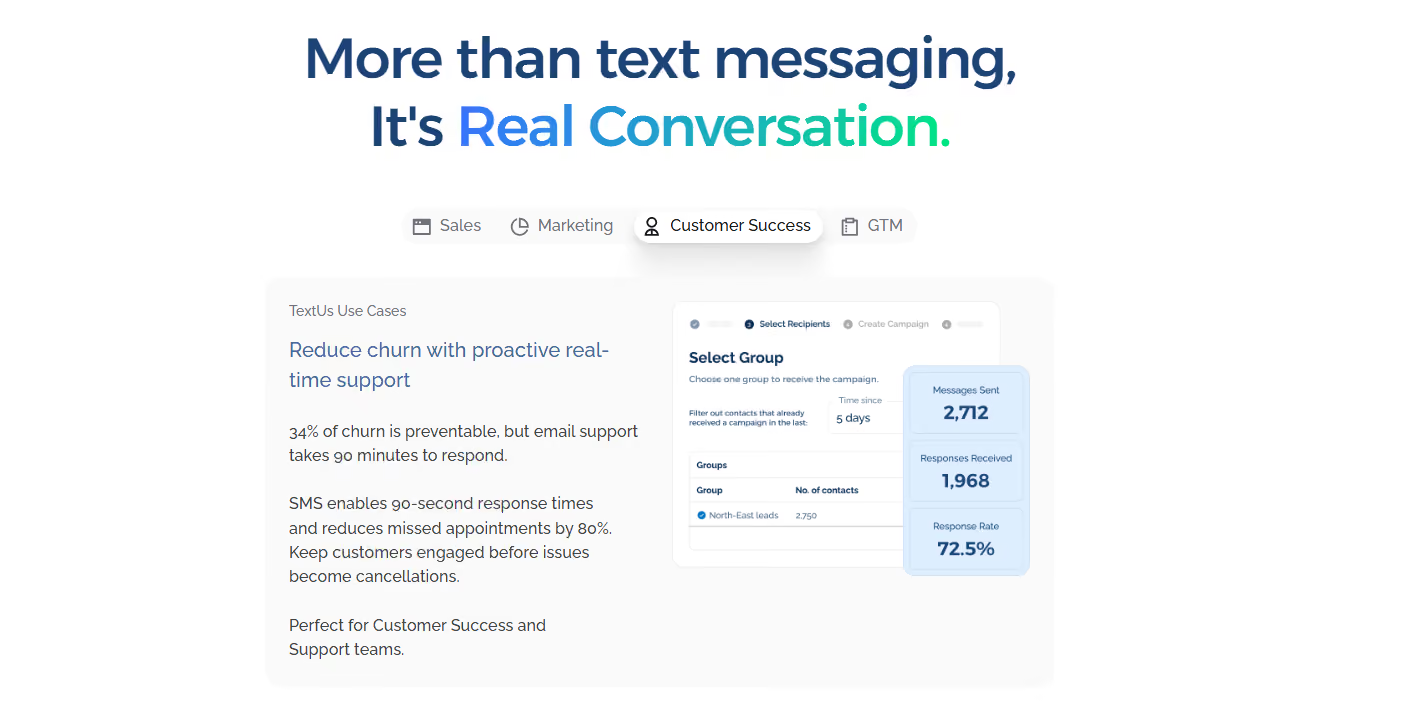
SMS marketing is the best channel for speed, urgency, or immediate response. It also fills the gap between first contact and final action.
Using a performance SMS platform like TextUs gives you the option to send broadcast messages or automate follow-ups.
Using too many channels at once can cause overlap. However, using a single channel may limit your reach. The right approach combines a few well-selected tools, with each one supporting a specific part of the process.
For example, qualified leads will get triggered welcome messages, while leads that stopped replying can receive re-engagement texts tied to a targeted action.
TextUs also supports keyword-based workflows, which automatically add contacts to a specific group based on their replies. This allows leads to move forward without constant follow-up.
TextUs helps your team stay engaged without chasing leads all day. Book a demo today!
Build Conversion-Ready Landing Pages
Performance marketing depends on what happens after someone clicks or replies.
Whether traffic comes from display advertising, social media content, or SMS, the landing page should match the message and guide visitors toward a desired action.
The layout, copy, and flow have to match the campaign message. A simple form, a strong call to action, and a value statement are enough.
Avoid features that slow the page or trigger ad blockers, especially if you're using pop-ups or excessive scripts. These issues can prevent users from seeing the content you worked hard to create.
Consistency between the message and the landing page also builds trust. If the tone, offer, or branding sounds different, visitors may leave without taking action. That’s why it helps to review the full path, from the first outreach to the final click.
Automate Lead Nurturing With SMS
Once a lead enters your system, consistent follow-up helps keep interest active and prevents drop-off. But you need to stay visible while respecting timing and intent.
Drip campaigns allow you to stay in contact over time through a planned series of touchpoints. Each message is sent based on timing or behavior to avoid gaps after the first interaction.
SMS sequences can handle appointment reminders, short check-ins, or limited offers. Email marketing can support longer content or education tied to user actions such as form submissions or event sign-ups.
Together, these channels shorten the sales cycle and support stronger customer retention.
TextUs supports SMS integrations with your existing nurturing workflows. Customer relationship management (CRM) updates or form submissions can trigger text messages. It creates a reliable process where every lead receives messages tied to intent.
Test Everything, Scale What Works
Every campaign needs to be more than just an activity. Results come from knowing what happened after each message was sent.
As you track results, make sure they cover your reach and response. You need to know if messages were delivered to the target audience and see how they reacted.
This approach applies to every channel, but it becomes useful when texting is part of your outreach. Texting brings fast responses, and TextUs makes it easy to see how each message performs.
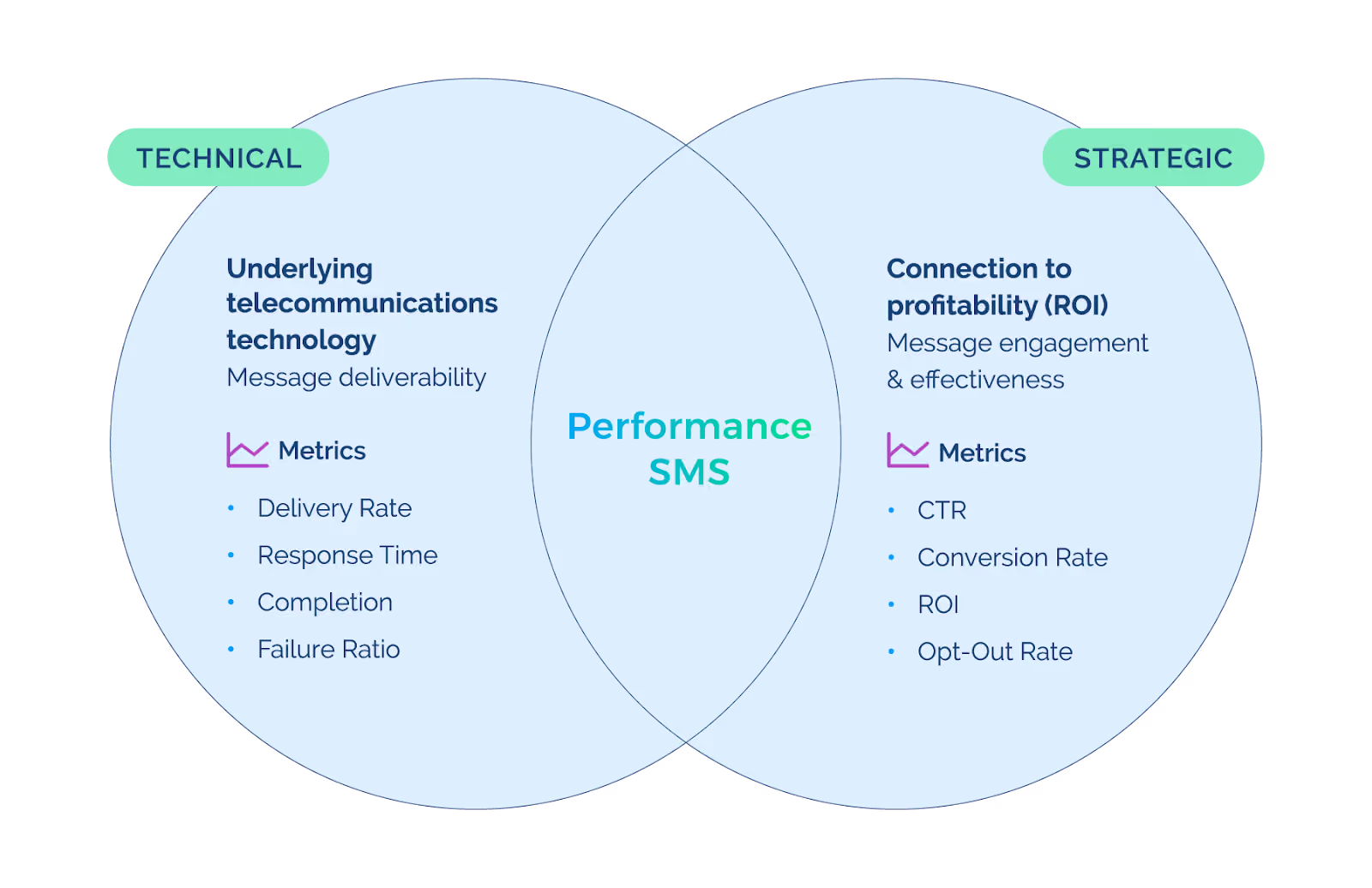
With performance SMS, you gain real-time access to message results. You can track delivery to confirm reach, and you can measure clicks or replies to understand engagement. It also helps you spot which messages are working and where changes might be needed.
When delivery and engagement are tracked together, you get a full view of SMS performance. That insight helps you improve your individual campaigns and entire approach to outreach.
Keep Your Outreach Consistent and Trackable With TextUs
Every performance campaign should focus on results that can be tracked and repeated. SMS is a top-performing marketing channel for turning interest into action.
TextUs allows you to send SMS campaigns that are built for response. Each message fits into your larger campaign without adding more work for your team. It's easier to stay organized, test different versions, and focus only on what works.
Rather than paying for ad impressions or banner ads that may never convert, you can build campaigns around a performance-based model where results guide what continues or stops.
If your team is focused on performance, texting should be part of your strategy. With TextUs, you can use texting as a trackable channel that supports follow-up and lead conversion.
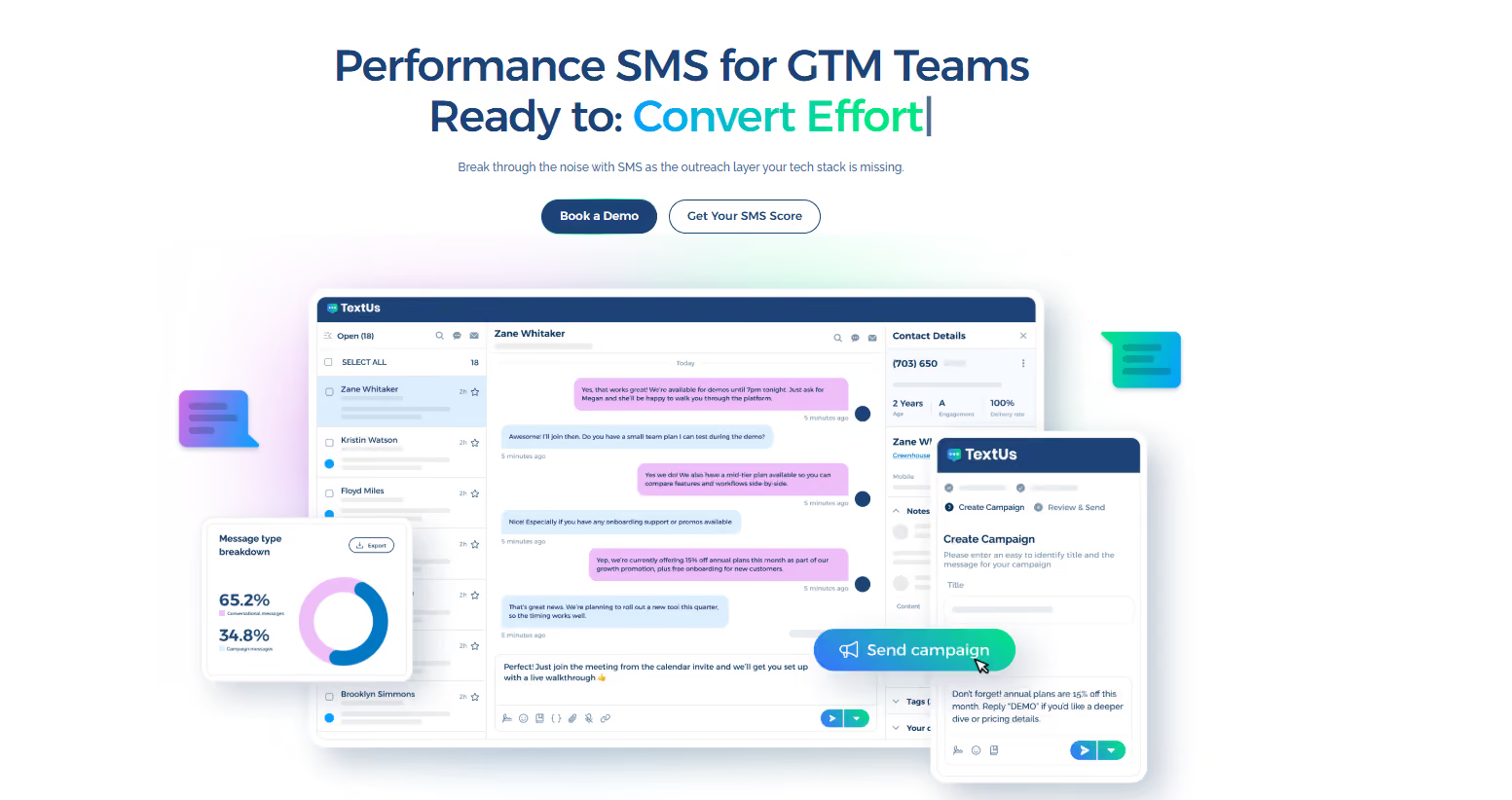
Book a demo today to see how your team can use SMS to support better conversations!
FAQs About Performance-Driven Marketing
What is performance-based marketing?
Performance-based marketing is a strategy where success is measured by completed actions that can be tracked. This could include clicks, leads, bookings, or sales.
Instead of focusing on general exposure, each campaign is tied to a specific goal. It offers a lower risk path for businesses that want to drive sales through focused campaigns rather than broad visibility.
What's better, SEO or PPC?
Search engine optimization (SEO) supports long-term visibility through websites and interactive content, while pay-per-click (PPC) marketing provides fast access to new audiences through paid ads.
PPC delivers faster results and can drive targeted traffic right away. Many businesses use both together. SEO helps build trust and supports ongoing growth, while PPC supports campaigns that need a quick response or short-term testing.
What is the 3-3-3 rule in marketing?
The 3-3-3 rule is a simple way to shape outreach messages. It suggests that you have 3 seconds to grab attention, 3 sentences to explain your offer, and 3 minutes to earn a response.
This rule is often applied to cold emails or outbound messages, helping marketers stay focused and avoid long communication.
What is an example of performance marketing?
A performance marketing example is a paid search campaign designed to generate demo requests. You set a budget, choose target keywords, write an ad, and direct clicks to a booking page.
Other examples include affiliate marketing, where partners promote products and are paid only for results. SMS and email are also top-performing marketing channels for driving clicks, replies, or form submissions.
Continue Reading



Frequently Asked Questions
What is performance-driven marketing?
Performance-driven marketing is an approach where every campaign is tied to specific, measurable outcomes — such as leads generated, conversions, or revenue. Decisions are made based on data, and budgets are allocated to what demonstrably works.
How is performance marketing different from traditional marketing?
Traditional marketing focuses on brand awareness and reach; performance marketing focuses on measurable actions and ROI. In performance marketing, every dollar spent is tied to a trackable outcome — clicks, leads, conversions, or revenue.
What role does SMS play in a performance marketing strategy?
SMS is a high-performance channel that delivers measurable results through open rates, reply rates, and conversion tracking. Performance marketers use SMS to follow up with leads instantly, driving measurable pipeline contribution that's easy to attribute.
Business Texting
Built for Results
Create and convert pipeline at scale through industry leading SMS software