
12 Common Revenue Leakage Examples and How to Fix Them
Explore the top 12 most common revenue leakage examples and learn how to fix them. Discover how TextUs can help you stay on top.

Written by
Adam Hamdan
Published
April 14, 2026

A few manual errors, inconsistent contract updates, or missed billing details may seem minor on their own. But together they can lower your collected income over time.
Those problems become even harder to catch when they are buried inside routine workflows.
In this article, we’ll break down the most common revenue leakage examples, explain why they happen, and show how to prevent revenue leakage before it grows into a larger business problem.
TL;DR
- Revenue leakage occurs when breakdowns in pricing, renewals, invoicing, collections, service tracking, and account follow-up cause businesses to miss or fail to collect income they already earned.
- Common revenue leakage examples include pricing errors, unauthorized discounts, missed contract renewals, underbilling, unbilled work, invoice inaccuracy, subscription billing mistakes, poor usage tracking, weak collections, commission errors, and refund-related issues.
- Fixing revenue leakage starts with identifying the source, auditing the full revenue cycle, improving billing and contract controls, tightening pricing oversight, tracking delivered work, following up on quotes, monitoring revenue metrics, and building a repeatable review process.
- TextUs supports revenue protection by reducing missed billing follow-up and stalled quote approvals through SMS messaging.
Why Revenue Leakage Creates Long-Term Business Risk
Revenue leakage does not just lower short-term income. It can create deeper financial and operational problems that build over time.
Here are the main long-term business risks that revenue leakage can create.
Shrinks Profit Margins
Revenue that should have been collected is lost after the sale. This means you still carry the cost of labor, tools, support, and delivery without the full return.
Your company can appear busy and productive on paper while making less income than expected.
Over time, that shortfall can lead to weaker budgets, tighter spending, and slower expansion plans, with a significant impact on long-term performance.
Disrupts Cash Flow
Missed charges, unpaid invoices, and renewal gaps can disrupt incoming funds and create strain in day-to-day financial planning.
Finance leaders then work with numbers that do not reflect what the business truly earned.
Poor visibility in billing and collections can lead to weak forecasts and added strain on your company's financial health.
Weakens Reporting Accuracy
Another long-term risk comes from bad data. Sales and finance leaders may think a product line or customer segment is performing well, even when collected income tells a different story.
Stronger data analysis can make those issues easier to detect, while cleaner records also support more accurate revenue recognition.
Damages Customer Relationships
Customer relationships can also suffer. Wrong invoices, missed renewal notices, and disputed charges create frustration and can damage trust.
Leakage is not just about lost money. It can also trigger churn, missed expansions, and lower account value.
12 Most Common Revenue Leakage Examples
Revenue leakage can show up at many points in a company’s income process. Here are the most common examples of revenue leakage to watch closely.
1. Pricing Errors
Pricing errors can start early in the sales process and carry through the rest of the account lifecycle.
A rep may use an outdated rate or apply the wrong product price. Once the deal moves forward, revenue leaks can appear when you invoice less than planned and collect less than expected.
2. Unauthorized Discounts
Unauthorized discounts can cut into expected income before invoicing even starts.
Sales reps may offer lower pricing without approval, apply outdated promo terms, or make verbal concessions that never reach finance.
Over time, discounting outside approved pricing rules can weaken profit margins and create inconsistencies between quoted value and collected income.
3. Missed Contract Renewals
Missed renewals are a major source of lost recurring income. A customer contract may expire without outreach, billing may stop without notice, or service may continue under old terms.
Poor renewal follow-up can interrupt revenue streams and create a disconnect between forecasted income and actual revenue.
4. Underbilling Customers
Underbilling happens when a business invoices less than what the customer owes. This issue is also tied to human error or weak approval controls between sales data and billing records.
Stronger coordination through revenue operations can help connect delivery records and account activity.
5. Unbilled Work or Services
Your business may complete work and never charge for the full value of services rendered.
Added support hours, project changes, rush requests, or extra deliverables can slip through without an updated invoice.
Leakage tied to service delivery is common in agencies, consulting firms, SaaS companies, and any business with custom work.
6. Invoice Errors
Billing errors can appear in many forms, including wrong totals, incorrect tax amounts, missing line items, duplicate invoices, or invoices sent too late.
Weak billing and invoicing processes can make those mistakes harder to catch, especially when finance is working with incomplete or outdated records.
7. Subscription Billing Mistakes
Subscription businesses face leakage when billing does not match account activity. Customers may use more seats, access higher-tier features, or stay active after failed payments without a billing update.
Poor control over billing cycles and plan changes can create long-term revenue loss that stays hidden for months.
8. Poor Usage Tracking
Usage-based pricing only works when consumption is tracked with accuracy. If usage logs are incomplete or disconnected from invoicing, a business can miss charges that should have been billed.
Weak tracking between product activity and a lack of automated billing systems can create potential revenue leakage in metered or variable pricing models.
9. Missed Upsell or Cross-Sell Revenue
Revenue leakage is not limited to billing mistakes. It can also include missed chances to grow existing accounts.
When account managers fail to act on buying signals, upgrade interest, or add service needs, the business loses potential income that could have supported stronger revenue generation.
10. Weak Collection Processes
Your company may invoice on time and still lose income if collection follow-up is weak.
Unpaid balances, ignored reminders, and inconsistent escalation can hurt cash flow and leave earned income uncollected.
Poor collection handling can also make it harder for finance teams to measure risk and protect financial stability.
11. Channel Partner or Commission Errors
Partner sales and commission structures can create leakage when payouts, discounts, or reseller terms are not tracked with care.
You may overpay commissions or lose margin through outdated agreements. Weak controls in partner programs can affect both revenue management and reporting accuracy.
12. Returns, Credits, and Refund Errors
Returns and credits need careful review because they can lower collected income fast.
You may be issuing refunds without proper checks, applying credits twice, or approving adjustments that do not match the original transaction.
Problems in refund handling can distort or weaken billing accuracy and hide the true size of lost income.
How to Fix Revenue Leakage
Fixing revenue leakage starts with finding where money slips out during sales, billing, renewals, collections, and service fulfillment.
Below are the main steps you can take to stop revenue leakage and protect earned revenue.
Step #1: Identify Revenue Leakage and Audit Cycle
The first step is to review each stage of your revenue process, from pricing and contracts to invoicing and collections.
After you identify the first problem area, it's time to review the entire revenue cycle from beginning to end.
You have to look at each handoff from sale to payment. Review pricing approvals, signed agreements, invoice creation, payment follow-up, and renewal handling.
You should also pay close attention to financial processes and the way information moves between departments. Weak handoffs, incomplete records, and manual processes can create gaps that are easy to miss during daily work.
Your audit should also compare contracts, invoices, and financial data to confirm that records match at every stage.
A focused revenue leakage audit helps narrow the issue faster. Once the source is identified, you can address the root problem with more accuracy and avoid larger losses over time.
Step #2: Improve Billing and Invoicing Processes
Wrong amounts, duplicate charges, and missed invoices can all create loss long after a sale is closed.
It helps to look at how billing data moves from sales, contracts, or service updates into finance. Outdated systems and manual updates can increase risk, so you should review where automated systems or stronger billing controls could improve consistency.
Payment reminders, invoice notices, and past-due alerts sent through SMS marketing can keep billing communication visible and prompt faster action from customers.
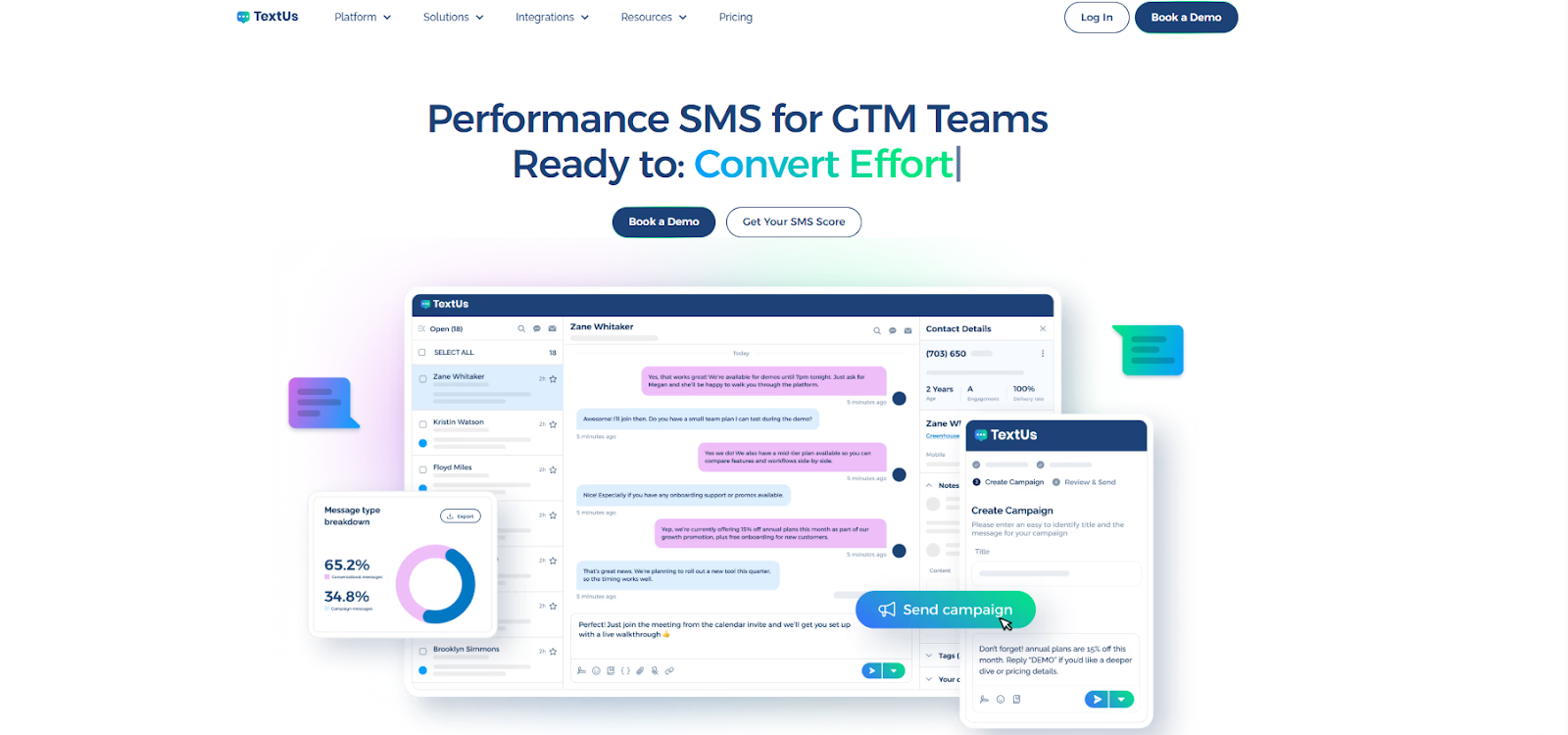
When used at the right points in the billing cycle, texting can support collections, improve response rates, and help you prevent revenue leakage tied to slow payment follow-up.
Step #3: Strengthen Contract Management
Contract mismanagement starts when terms are not updated after a sale closes or when changes made later are not reflected in billing records.
You need to review all your contract terms tied to pricing, renewals, service scope, billing timing, and account changes. Check that every agreement matches what was sold and what the customer is receiving.
A close review of ownership also matters. Administrative errors can grow when no one is responsible for contract updates or for moving revised terms into finance and billing workflows.
Stronger control over contracts can help prevent disputes tied to poorly managed contracts. It also supports better coordination between sales, finance, and account teams.
Step #4: Tighten Pricing and Discount Controls
A quoted rate that falls outside approved policy, an outdated discount rule, or a one-off concession that never reaches finance can all create avoidable loss. Problems like these can build over time and lead to declining profit margins, even when sales volume looks strong.
You have to review your current pricing strategies and discount approval process to confirm that sales are working from current rates and approved terms.
Check who can approve exceptions, how those approvals are documented, and how updated pricing moves into contracts and billing.
More discipline in pricing records can support stronger invoice accuracy once deals move into billing and collections.
Step #5: Track Delivered Work More Closely
Revenue can be lost when work is completed but not fully charged. Added hours, expanded scope, custom requests, or extra support can be missed if records are incomplete or updated too late.
In service-based businesses, weak tracking of services delivered can create billing gaps that stay hidden until revenue is reviewed later.
Accurate tracking supports a closer match between what the business provides and what appears on the invoice. Complete records for labor, usage, and account activity make it easier to connect each charge to the right customer, rate, and billing period.
Step #6: Follow Up on Quotes and Approvals
A prospect may show interest early, then go quiet during review, approval, or internal discussion. Customer behavior at that stage changes when follow-up is too slow or too inconsistent.
A stronger follow-up process helps your sales teams keep deal momentum moving after a quote is sent.
TextUs supports both personal outreach and scheduled follow-ups, which makes it easier to continue the conversation after important sales or service moments.
Contacts pulled from connected systems can receive targeted SMS marketing campaigns with a simple next step. While SMS drip campaigns can keep communication moving without relying on someone to remember every follow-up.
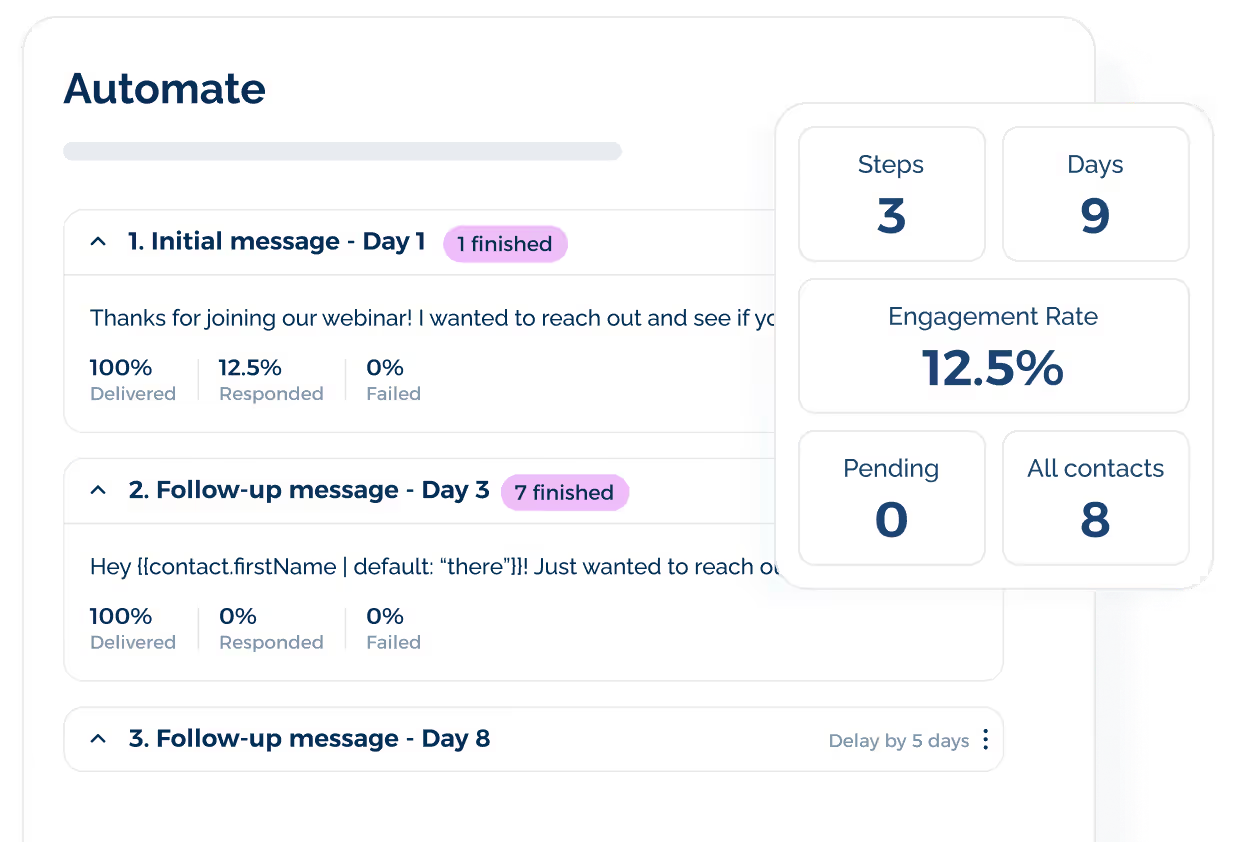
Supporting content can also make the next action easier for the recipient. Sales reps can send recap materials, setup notes, approval details, or other useful resources in the same thread.
Finally, conversation visibility is another advantage. Replies stay visible in one shared space, which helps sales teams keep track of active discussions and avoid missed handoffs.
Step #7: Track Revenue Leakage Metrics
You cannot measure revenue leakage if it only looks at top-line sales numbers.
A better approach includes billing performance, renewal outcomes, write-offs, credits, dispute volume, and any gap between contracted value and collected income.
The most useful metrics should connect to day-to-day revenue performance. Invoice completion rates, renewal rates, discount exceptions, overdue balances, and unbilled work can all show where leaks are forming.
Regular review of those numbers can help leaders monitor key performance indicators (KPIs) tied to revenue protection and spot negative patterns before they create a larger financial issue.
Step #8: Build a Repeatable Revenue Review Process
A one-time fix will not reduce revenue leakage for good. A repeatable review process gives you a structured way to catch problems early.
Consistent review creates stronger visibility into the way revenue systems perform and helps uncover issues tied to outdated systems, weak handoffs, or missing updates.
It also supports better use of accurate data when sales and finance teams need to make decisions about billing, renewals, and customer follow-up.
Cross-functional review is just as important. Shared check-ins between revenue, billing, and account stakeholders can improve accountability and support cleaner follow-through after issues are found.
Stay Connected to Revenue-Critical Conversations With TextUs
Revenue leakage can grow fast when small communication problems turn into missed payments, stalled approvals, and forgotten follow-up.
Those communication breakdowns can create operational inefficiencies that leave opportunities sitting too long without action.
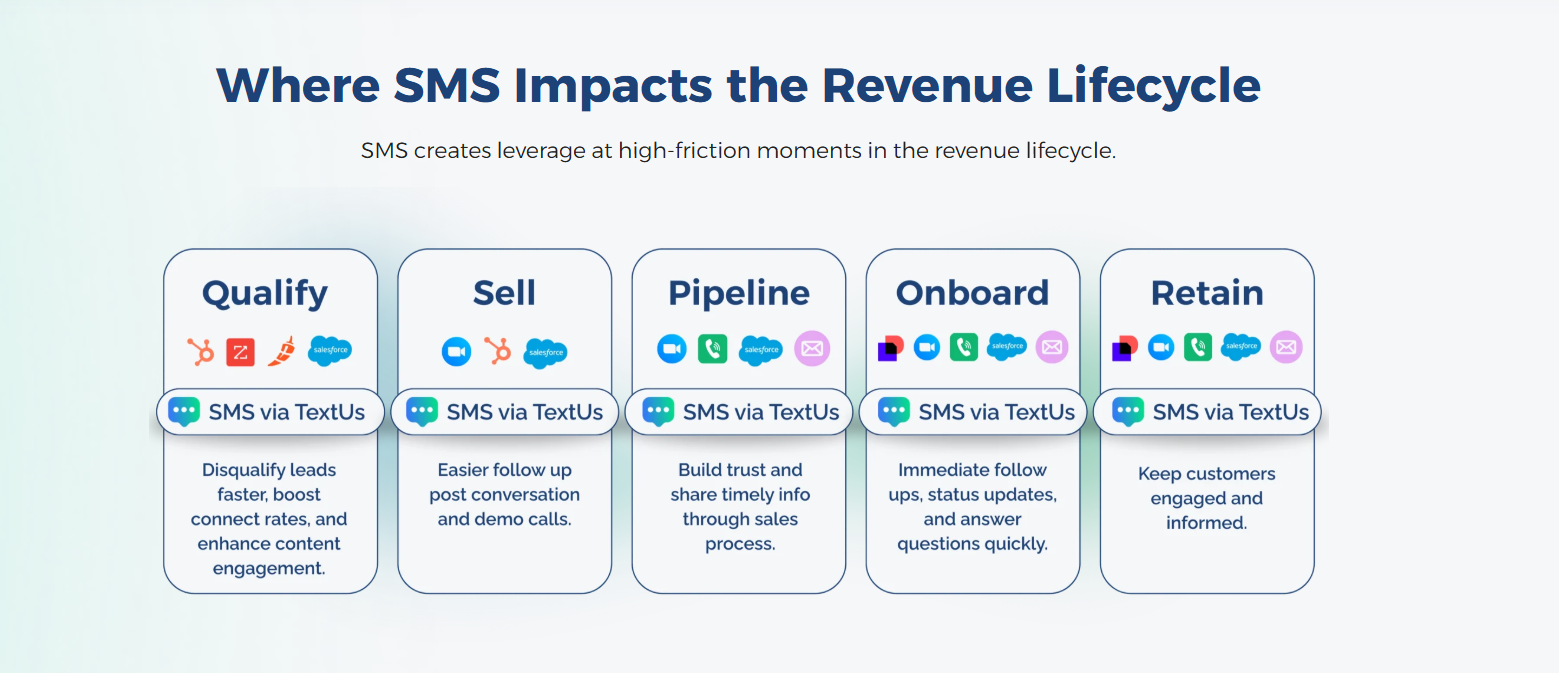
TextUs supports a stronger follow-up system through SMS marketing. It helps keep your outreach active, visible, and easier for prospects and customers to respond to.
This platform supports SMS marketing programs built for revenue-focused communication. You can send campaigns to segmented lists, launch sequences, and use keyword replies to move contacts toward scheduling, support, or sales conversations.
Book a demo with TextUs today to see how it can support SMS marketing that protects more revenue opportunities!
Continue Reading



Frequently Asked Questions
Is revenue leakage the same as lost revenue?
Revenue leakage refers to income a business should have captured but failed to collect due to internal process issues, such as billing problems, contract gaps, or pricing errors.
Lost revenue is a broader term and can also include missed sales, customer churn, downgrades, or weaker demand.
Which industries face revenue leakage most often?
Any business can experience revenue leakage, but it tends to be more prevalent in industries with recurring billing, custom pricing, renewals, usage-based charges, or service-heavy accounts.
SaaS companies, professional services firms, agencies, healthcare providers, telecom companies, logistics businesses, and subscription-based companies usually face higher risk.
Can small businesses have revenue leakage, too?
Yes. Small businesses can face revenue leakage just as much as larger companies. The risk is higher because they may rely more on spreadsheets, hand-entered updates, and manual follow-up.
A few missed charges, invoice issues, or renewal gaps can have a significant impact on a smaller company.
Business Texting
Built for Results
Create and convert pipeline at scale through industry leading SMS software