
Pipeline Generation Strategy: Turn Leads Into Deals
Learn how to build an effective pipeline generation strategy and turn leads into deals. Discover how TextUs can help you keep prospects engaged.

Written by
Adam Hamdan
Published
March 24, 2026

Sales growth rarely happens by chance. You need a structured pipeline generation strategy that keeps new opportunities entering your sales funnel.
When your pipeline generation efforts stay consistent, prospects move through the buying process smoothly.
Marketing attracts leads, sales advances opportunities, and revenue operations coordinates the handoff while tracking results between both teams.
In this article, you'll learn why pipeline generation strategy supports sales growth and how to maintain a continuous flow of opportunities.
TL;DR
- Some businesses struggle with pipeline generation due to inconsistent lead sources, weak qualification, poor nurturing, and misalignment between marketing and sales.
- Revenue growth depends on a steady flow of qualified prospects entering the sales funnel, not just closing deals at the final stage.
- A strong pipeline strategy includes defining an ideal customer profile, generating demand, qualifying leads, nurturing prospects, and maintaining consistent sales follow-up.
- You can build reliable pipeline growth by mapping the buyer journey, selecting the right channels, creating high-value content, implementing lead capture systems, prioritizing leads, building campaigns, and tracking pipeline metrics.
- TextUs supports pipeline engagement with SMS communication that keeps conversations active, improves response speed, and helps move leads toward opportunities.
Why Businesses Struggle With Pipeline Generation
A weak sales strategy leads to fewer qualified opportunities and slower deal progress.
Sales staff spend time with prospects who are not ready to purchase, while marketing attracts leads that do not match the ideal customer profile.
Here are common reasons businesses struggle with pipeline generation:
Lack of Consistent Lead Sources
Search traffic, paid ads, referrals, events, and outbound outreach all bring leads into the pipeline and support lead generation.
If you depend on only one method, you'll face unstable lead flow. As a result, business growth becomes unpredictable, which affects pipeline health and makes it harder to achieve revenue targets.
Poor Lead Qualification
Marketing may attract many leads, but many of them lack purchase intent or do not match the ideal customer profile or target accounts.
Sales staff then spend time speaking with contacts who cannot make purchasing decisions or companies that do not fit the product or service.
Poor qualification slows pipeline movement and creates frustration for sales staff. When leads enter the pipeline before proper evaluation, it becomes filled with low-value prospects instead of qualified sales opportunities.
Weak Nurturing Processes
Many prospects do not purchase immediately after the first interaction. They research options, compare vendors, and gather information before speaking with sales.
Without an ongoing process, communication with prospects stops after the first contact. Over time, those prospects lose interest or shift attention to competitors.
Weak nurturing creates gaps between the first interaction and the sales conversation. Without ongoing communication, many potential opportunities disappear before entering the pipeline.
Ineffective Sales and Marketing Alignment
Sales and marketing should work toward the same pipeline goals. In many organizations, both groups operate with different priorities and definitions of a qualified lead.
Marketing may pass leads to sales before proper evaluation. Sales staff may reject those leads because they do not match the target customer profile. This disconnect slows pipeline growth and creates confusion around lead quality.
Why Pipeline Generation Matters for Revenue Growth
According to Gartner, generating new pipeline is the number one challenge for sales leaders. This shows that revenue problems begin with weak opportunity flow and ineffective marketing efforts.
You cannot rely on closing deals alone. Revenue growth depends on a steady stream of qualified prospects entering the pipeline.
When pipeline activity slows, deal volume drops in later stages. Sales forecasting then becomes less reliable because future opportunities remain uncertain.
A strong pipeline generation approach supports predictable revenue. New prospects enter the sales funnel on a regular basis, which allows sales staff to maintain an active deal flow.
Communication speed plays a large role in sustainable pipeline progress.
Prospects who request a demo, download a resource, or register for an event expect a quick follow-up. A slow response allows interest to fade or pushes prospects toward another vendor.
SMS marketing creates faster contact with prospects after initial engagement. An automated text message after a form submission or event registration prompts quick replies and keeps the conversation active.
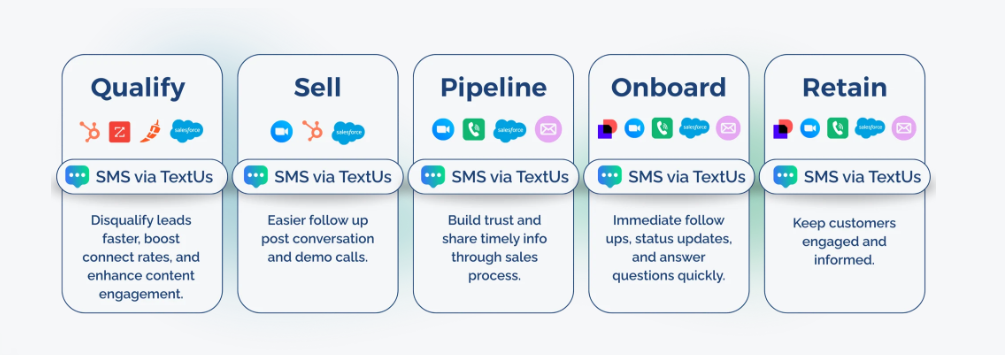
Fast communication increases the chance that a lead moves into the opportunity stage.
Book a demo with TextUs to see how you can keep pipeline conversations active!
Key Parts of a Pipeline Generation Strategy
Each building block supports different pipeline generation activities, from attracting prospects to moving qualified buyers toward a sales conversation.
Ideal Customer Profile (ICP)
An ideal customer profile defines the type of company most likely to purchase a product or service. It outlines factors such as industry, company size, job roles, and common challenges.
A targeted ICP prevents marketing campaigns from attracting poor-fit leads. This data-driven approach also supports a predictable pipeline because teams focus on prospects with stronger purchase potential.
Demand Generation
Demand generation attracts prospects who are researching solutions. Marketing activities such as SEO content, webinars, social media discussions, and industry reports introduce the brand to potential buyers.
These activities build awareness before a sales conversation begins. Prospects enter the pipeline after they show interest through actions such as downloading content, registering for an event, or requesting product information.
Lead Qualification
Lead qualification determines if a prospect fits the ideal customer profile and shows interest in purchasing.
Sales staff review factors such as company size, buyer role, and purchase timeline before moving a lead into the opportunity stage. You can also use lead scoring and intent data to identify prospects with stronger buying signals.
These practices help teams maintain a healthy pipeline and focus on opportunities that are more likely to convert.
Lead Nurturing
Most prospects require several interactions before they speak with sales. Lead nurturing keeps communication active during the research stage.
Educational content, case studies, and webinar invitations provide useful information while prospects evaluate solutions.
Sharing customer success stories can also help prospects understand how other companies solved similar challenges.
SMS can nurture warm leads by sending a text reminder about a webinar or demo. It keeps prospects engaged while they continue their research.
Sales Follow-Up
Sales messages move prospects through the later stages of the pipeline. After an initial conversation, sales staff maintain communication through meeting confirmations, product demonstrations, and proposal discussions.
Consistent interactions keep deals moving forward and prevent opportunities from going silent. SMS supports follow-up communication by allowing sales staff to send quick reminders or confirm meetings through text.
How to Build an Effective Pipeline Generation Strategy
Generating pipeline leads requires constant activity. Here are the key steps to building a successful pipeline generation strategy:
Step #1: Define Your Ideal Customer Profile
Customer data also provides useful insight when building an ICP. You can review past deals to identify patterns among successful customers and uncover common pain points.
Once the ICP becomes clear, marketing and sales gain a shared focus. Marketing attracts prospects that match the ICP, while sales reps concentrate on opportunities with stronger purchase intent.
Step #2: Map the Buyer Journey
Most buyers do not contact sales right away. They first research their problem, compare solutions, and gather information before entering the sales cycle.
The buyer journey includes three main stages:
- Awareness stage – The prospect recognizes a problem and begins researching possible solutions
- Consideration stage – The prospect evaluates different products, services, or approaches to solve the problem
- Decision stage – The prospect compares final options and prepares to choose a vendor or solution
Once you map these stages, your sales and marketing teams create valuable content and outreach that match buyer needs at each point in the process.
This alignment supports future sales and builds a steady flow of prospects entering the pipeline.
SMS can also support communication during the later stages of the buyer journey. Text messages let you engage qualified leads while they evaluate solutions.
Step #3: Choose Your Pipeline Generation Channels
Each channel plays a different role in bringing prospects into the sales process.
Some channels attract buyers actively searching for solutions, while others raise awareness among companies that may not yet know about your product.
Common pipeline generation channels include:
- SEO and content marketing – Blog articles, guides, and educational resources that answer buyer questions and attract search traffic
- Email marketing – Campaigns that keep prospects engaged after they download content or register for an event
- Social media outreach – Platforms such as LinkedIn, where business leaders connect with decision makers and share insights
- Webinars and virtual events – Educational sessions that give prospects a deeper understanding of a product or service
- Outbound prospecting – Sales outreach through email, LinkedIn messages, or calls to introduce the company to future customers
Pipeline generation also depends on strong communication after a lead enters the funnel. Your target audience may request information, attend events, or download resources before speaking with sales.
SMS marketing supports that communication in a different way than email or phone outreach. It fits naturally into busy work schedules and helps shorten sales cycles.
Sales texting software like TextUs supports business texting within your workflow.
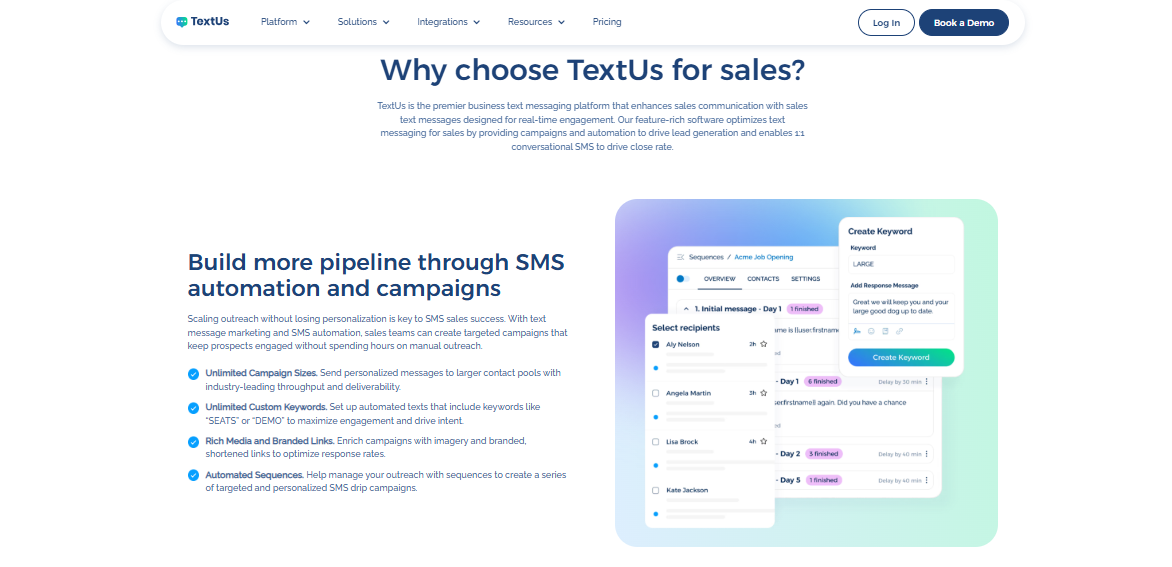
SMS features such as two-way texting, automated replies, shared inbox messaging, and keyword-based responses help you manage conversations with high-quality leads.
Book a demo with TextUs to explore how SMS can support lead communication and pipeline follow-up!
Step #4: Create High-Value Content
Content provides the information prospects need during the research process and helps maintain sustainable growth.
Educational content answers common questions, explains industry challenges, and introduces possible solutions. Prospects who find useful information are more likely to trust the company and continue learning about the product or service.
Several content formats attract prospects during the early stages of the pipeline. Blog articles answer search queries and bring visitors to the website.
Case studies show how other companies solved similar challenges. Webinars give prospects the opportunity to learn directly from subject experts.
Step #5: Implement Lead Capture Systems
Lead capture systems generate leads from interested visitors. It lets you identify prospects who want to learn more about a product or service.
This could be landing pages for content downloads, webinar registration forms, demo request forms, and newsletter sign-ups.
Each form collects basic details such as name, company, role, and contact information. That data helps sales reps understand who the prospect is and how to continue the conversation with promising leads.
The design of these forms also influences your results. Short and simple forms tend to increase completion rates because prospects can submit their information quickly.
You can capture, qualify, and convert more leads through keyword-powered SMS automation.
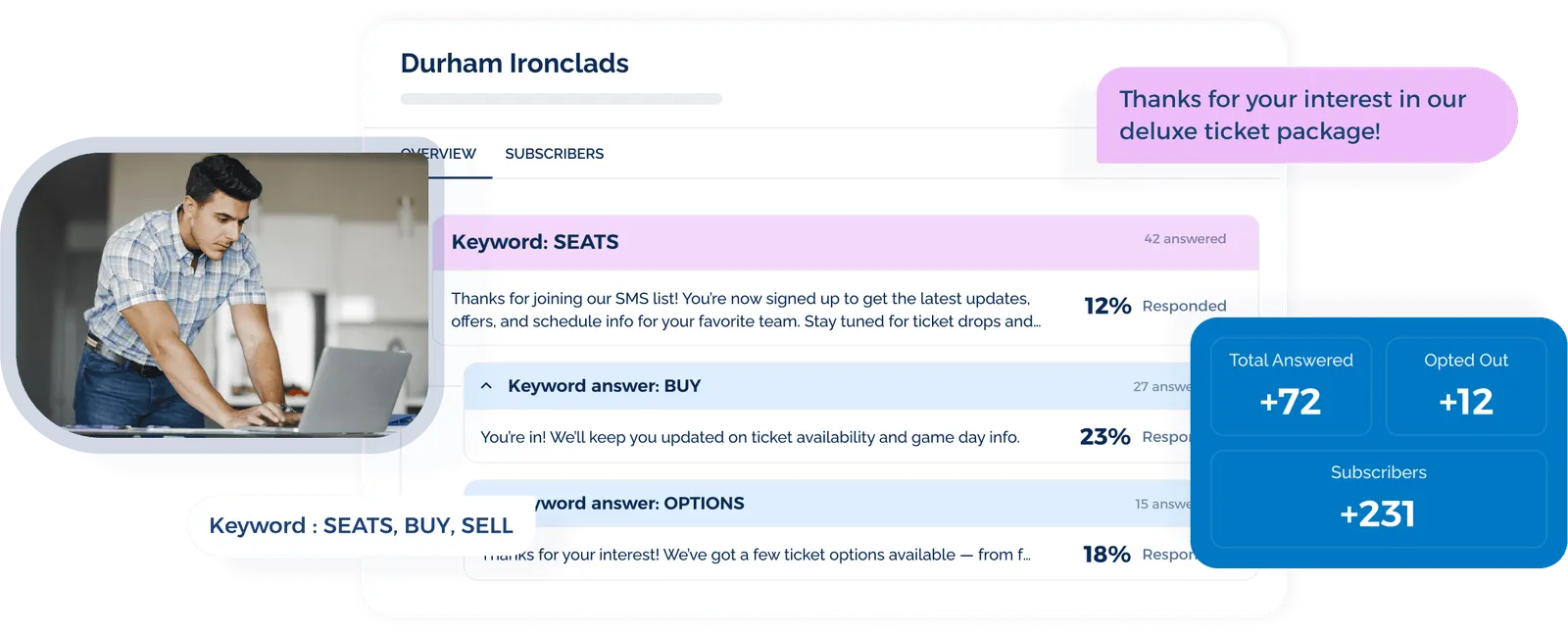
Using marketing automation platforms like TextUs, potential customers can send a keyword through text to request information, register for an event, or access a resource.
That action automatically collects contact details and places the prospect into a follow-up sequence.
Step #6: Qualify and Prioritize Leads
Not every lead should enter the sales pipeline right away. Some prospects only gather information, while others do not match the ICP.
Lead qualification allows you to identify which prospects show real purchase interest and which ones require further nurturing.
Leads who show higher engagement, such as attending a webinar, requesting a demo, or downloading several resources, should receive faster follow-up. These signals indicate a stronger interest in the product or service.
Step #7: Build Lead Nurturing Campaigns
Lead nurturing can include educational email sequences, webinar invitations, product updates, and case studies that explain how other companies solved similar problems.
Each interaction provides more context that helps prospects understand the value of the solution.
Pipeline nurturing also helps move prospects closer to the sales stage. As prospects engage with resources and attend events, they gain more knowledge about the product or service.
Text messaging can also support nurturing through SMS drip campaigns. A drip sequence sends a series of scheduled text messages that keep prospects engaged after they enter the pipeline.
These messages may include reminders about upcoming webinars, links to helpful resources, follow-ups after a demo request, or prompts to schedule a call.
SMS marketing campaigns are more effective because text messages receive high open rates and quick responses. Prospects are more likely to read short messages that appear on their phone compared with long email messages.
Step #8: Track Pipeline Metrics and Optimize
Key metrics reveal how prospects respond to outreach, how quickly leads move through stages, and where opportunities stall.
Response behavior is one important signal to monitor. Messaging that receives few replies demonstrates a problem with the way outreach is written.
Generic or overly promotional messages tend to get ignored. Prospects respond more frequently when communication feels conversational and focused on a specific problem they face.
You should track several pipeline indicators to guide these improvements, such as lead response rates, time between lead capture and first reply, and conversation engagement levels.
These insights allow you to adjust messaging, follow-up timing, and outreach methods to improve engagement.
Keep Prospects Engaged Through Every Stage With TextUs
Opportunities stall because prospects stop responding to email or phone outreach. Faster and more convenient communication keeps conversations active with prospects.
TextUs supports pipeline generation by adding business texting to the sales workflow. Conversations begin right after a form submission, continue through meeting confirmations, and stay active during the evaluation stage.
Two-way texting allows prospects to ask quick questions, respond to outreach, and coordinate next steps without long email threads.
TextUs also fits naturally into your existing tech stack and sales tools, which makes it easier for sales teams to manage conversations.
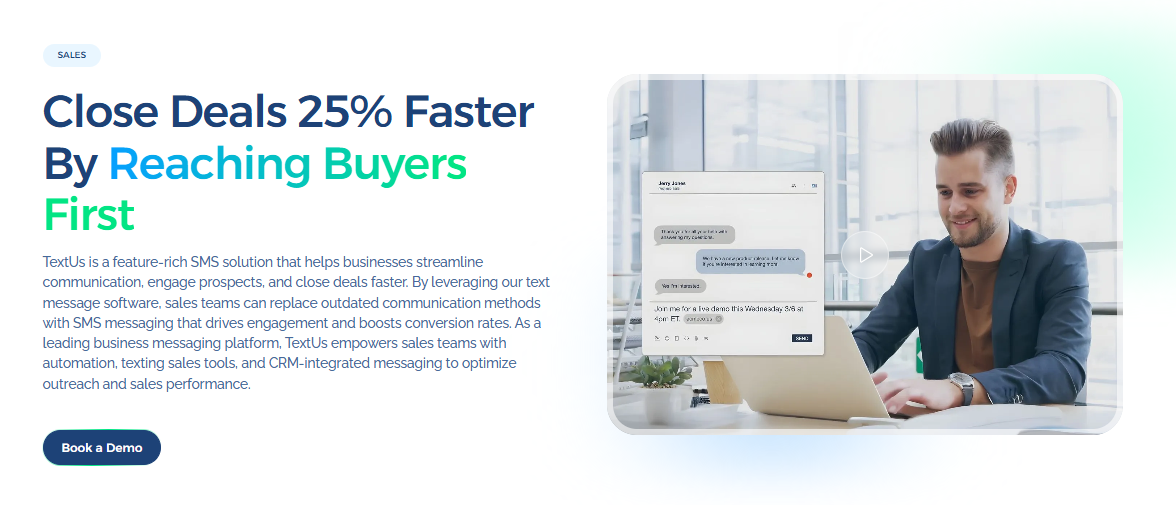
Book a demo with TextUs today to see how it can move opportunities from first contact to closed deal!
Continue Reading



Frequently Asked Questions
What is the difference between lead generation and pipeline generation?
Pipeline generation turns early interest into opportunities that sales teams can pursue.
While lead generation mainly focuses on collecting a large number of contacts. These contacts may sign up for a webinar, download a guide, or complete a form to learn more.
What channels generate the most sales pipeline?
Several channels contribute to pipeline growth and help you build more pipeline.
Common sources include SEO content, email campaigns, webinars, social media outreach, and outbound sales outreach.
How do marketing and sales work together in pipeline generation?
Marketing attracts prospects through content, campaigns, and events. Sales development teams then contact those prospects, confirm their interest, and guide them through the buying process.
Both groups share information about lead activity and pipeline progress. Communication tools such as email, customer relationship management (CRM) platforms, and SMS messaging help maintain contact with prospects as they move through the pipeline.
Business Texting
Built for Results
Create and convert pipeline at scale through industry leading SMS software