
Short Code vs Long Code: Which Should You Use?
Explore our guide on using short-code vs long-code phone numbers and learn how to choose one. Discover how TextUs can improve your SMS strategy.

Written by
Adam Hamdan
Published
February 25, 2026
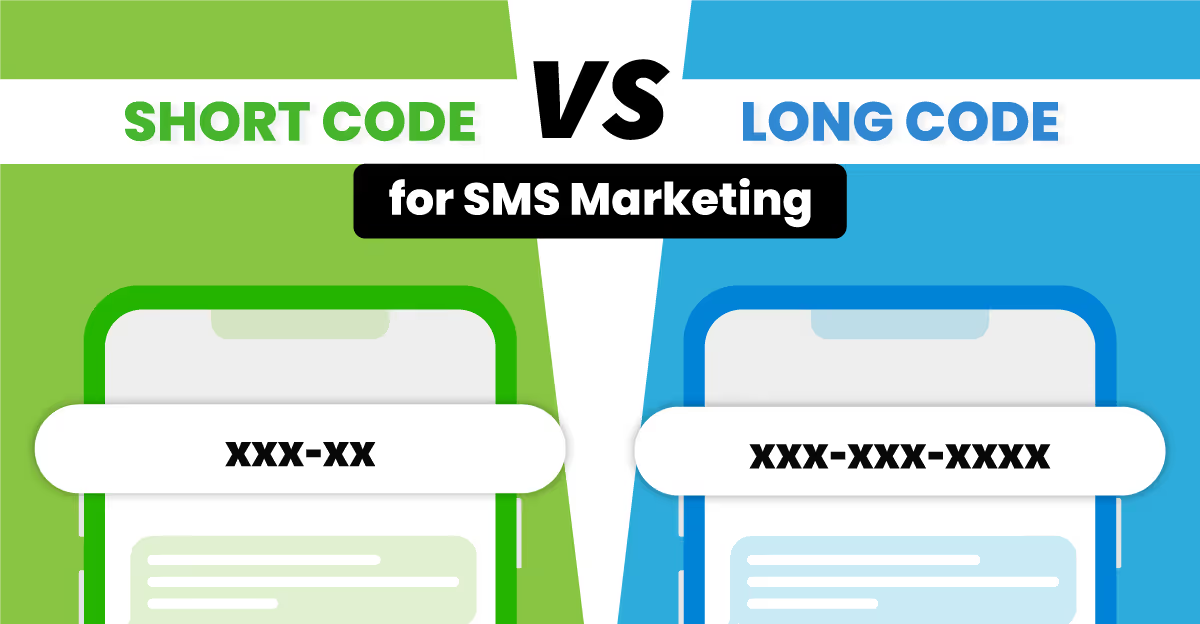
The business number you choose impacts how fast messages are sent, how customers respond, and how your texting program grows over time.
Many businesses pick a type of sender ID too quickly. Then run into problems once campaigns expand or conversations start piling up.
Short code and long code can support your messaging strategies. But each one comes with different setup rules, pricing, and sending limits.
In this guide, you’ll learn the difference between short codes and long codes and which number type fits your business goals.
TL;DR
- Short codes are five- to six-digit numbers used for large SMS campaigns, automated alerts, and promotions.
- Long codes are standard ten-digit phone numbers used for one-to-one texting, such as sales conversations, support messages, and appointment reminders.
- The main differences come down to sending speed, messaging cost, approval timelines, deliverability expectations, branding impact, and compliance requirements.
- Choosing between short code and long code depends on your goals, monthly message volume, budget, and how your business plans to manage consent and carrier rules.
- TextUs supports both short codes and long codes, so you can run SMS and MMS messages, manage conversations, and grow your SMS marketing strategy without switching systems.
What Is a Short Code?
A short code is a special phone number made for texting.
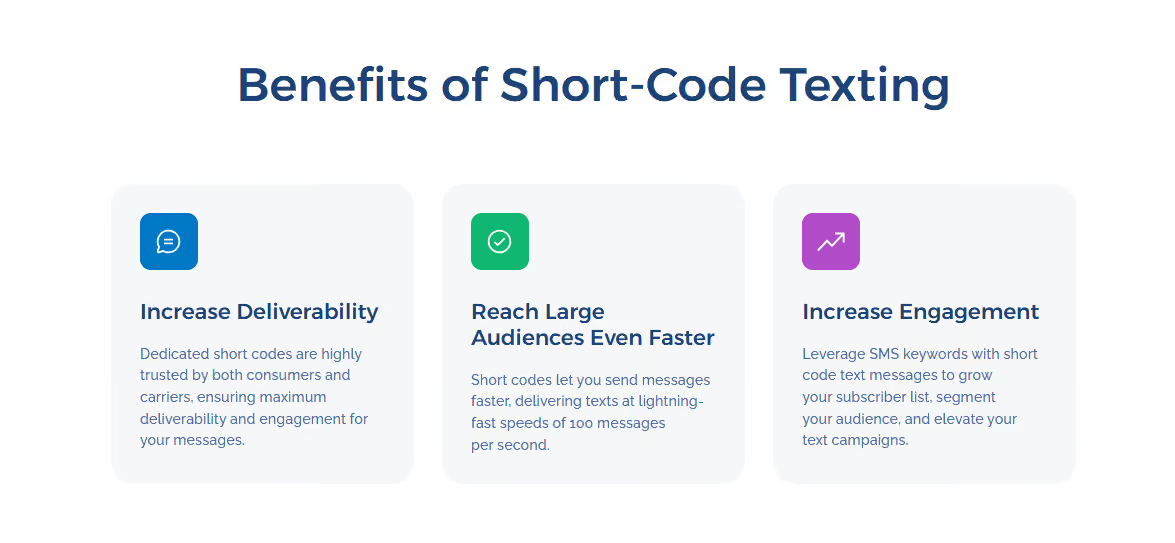
You can use short codes for automated texts, such as:
- Notifications and alerts
- Two-factor authentication codes
- Sales promotions
- Marketing campaigns
- Event reminders
- Contests and voting
Since SMS short codes are short, customers can remember them more easily. You can place them in ads, billboards, social media posts, and TV commercials to increase visibility and drive opt-ins.
What Is a Long Code?
A long code is a regular ten-digit phone number that enables you to send and receive SMS messages.
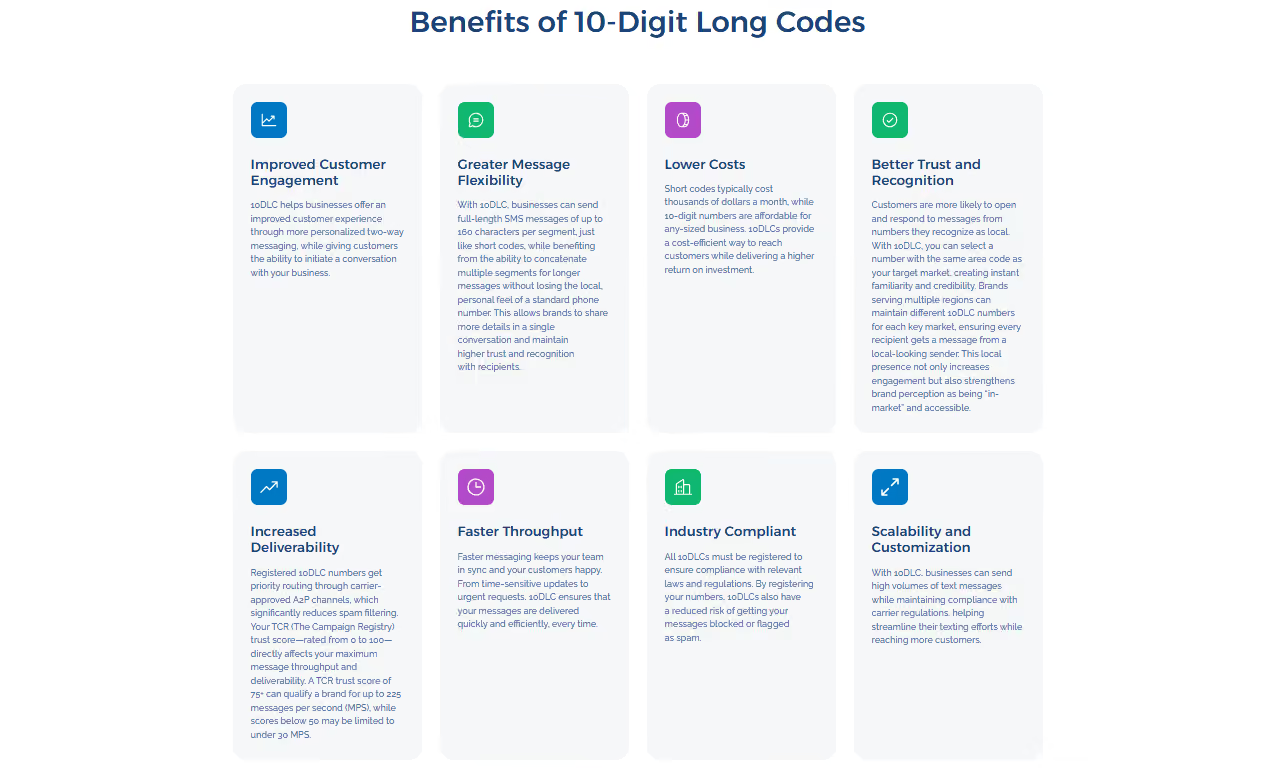
It's common for everyday business texting, like:
- Appointment reminders
- Customer support questions
- Sales follow-ups
- Order updates
- Customer feedback requests
- Service scheduling
SMS long codes are ideal if you want business texting to feel more personal, since the number looks like a real phone number a customer would expect to see.
Long Code vs Short Code: Key Differences Explained
Both are used for business text messaging, but they are built for different goals, message volumes, and communication styles.
Below, we'll explain how short codes and long codes compare and where each one fits best.
Message Speed and Throughput
Short codes are built for high-volume messaging. They support faster sending rates, which makes them a strong option for large campaigns, alerts, and automated messages.
Long codes are built for one-to-one texting. They support lower sending rates, so they are better for conversations like sales follow-ups, customer support messages, and appointment scheduling.
Cost Comparison
Dedicated short codes cost more to start and keep active. You'll pay setup fees and higher monthly charges to lease the number from carriers.
Long codes are cheaper to set up and maintain. You can get started with minimal fees, which makes them a strong choice for small businesses or teams testing SMS messaging before scaling.
Approval Process
Short codes require a carrier review before they go live. You must submit details about the use case, the opt-in flow, the sample messages, and the brand.
Approval can take weeks, depending on the provider and carrier review timeline. This approval step is part of a broader vetting process that carriers use to reduce abuse.
Long codes have a faster setup process in many cases. In the United States, business long codes still require application-to-person (A2P) registration under 10DLC rules. That process verifies the business and message type, but it is usually quicker than short-code approval.
Deliverability Rates
Short codes tend to perform well for bulk text messaging because they are registered, reviewed, and tied to a specific use case.
Carriers also expect short codes to send SMS messages, so they are less likely to be impacted by carrier filtering when used correctly.
Long codes can deliver well for normal business texting. But if a long code is not properly registered, messages are more likely to be blocked by carrier spam filters.
Issues can also happen when they're used for high-volume promotions, since carriers can limit traffic if your patterns look like spam.
Brand Recognition
Short codes are easier to remember. A customer can recall “Text JOIN to 12345” more easily than a full phone number.
That makes short codes a strong fit for ads, print materials, and social campaigns. Vanity short codes also allow a business to pick a number pattern that matches the brand.
Long codes look like regular phone numbers, which makes them feel more personal. For customer service and sales messages, a local-looking ten-digit number with an area code can look more natural than a five-digit code.
How to Choose Between Short Code and Long Code
The best choice depends on your SMS goals, message volume, budget, and how you plan to stay compliant.
You can use the steps below to make a better decision before setting up your SMS number.
Define Your Messaging Goals
Start with the main purpose of your SMS program. Think about how you want to reach customers.
Before choosing, ask yourself:
- Are you trying to send alerts to a large number of contacts?
- Are you a small company starting with a small-scale texting strategy?
- Do you want every user interaction to feel like a one-to-one exchange?
- Do you want a number that looks like a normal mobile phone number?
You should also consider if you want texting and calling connected. Some businesses prefer to use the same number for SMS and voice calls. Others separate texting from calls and traditional voice communication.
Once your goals are clear, choosing between a short code and a long code becomes much easier.
Estimate Your Monthly Volume
Message volume is one of the biggest decision points.
If you expect texting to be a daily communication channel with customers, your message count will grow quickly. SMS marketing campaigns, alerts, and promotions can also increase volume in short bursts.
If you plan to send more messages at once, such as reminders or updates to a broad audience, short codes are better equipped for that demand.
Long-code messaging is better suited for moderate message flow and conversational texting, where a single one-message exchange can lead to back-and-forth replies.
Consider Budget Constraints
Short codes are a cost-effective option because they are leased as dedicated numbers and go through a longer setup process. You'll also pay monthly fees to keep the short code active, along with platform and messaging costs.
Long-code numbers are easier for smaller businesses to start with. They choose a long code first because it keeps costs low while they build their SMS program and learn what customers respond to.
If your business is testing SMS for the first time, a long code is the more practical choice. If SMS is already a major channel and you plan to run large campaigns, a short code can be worth the added cost.
Evaluate Compliance Requirements
SMS compliance is required for all business texting. Both short codes and long codes need proper consent, opt-out options, and message content that matches what customers signed up for.
Short-code messages go through a strict setup and review process before they go live.
This review is part of the provisioning process and includes checks of your use case, opt-in flow, and message samples. This is to make sure your messages follow carrier and industry rules for high-volume messaging.
In the US, business long codes operate under A2P 10DLC rules. That process includes registration of your brand and campaign use case.
Carriers use those registration details to verify who is sending messages and what type of content is being sent. This helps reduce unwanted traffic and keeps business SMS programs legitimate.
Build a Better SMS Program With TextUs
Your SMS number type is only one part of the setup. The platform you choose controls how easy it is to stay compliant, manage conversations, run campaigns, and track results.
The best SMS marketing platform should support short codes and long codes, plus the tools you need to run texting the right way.
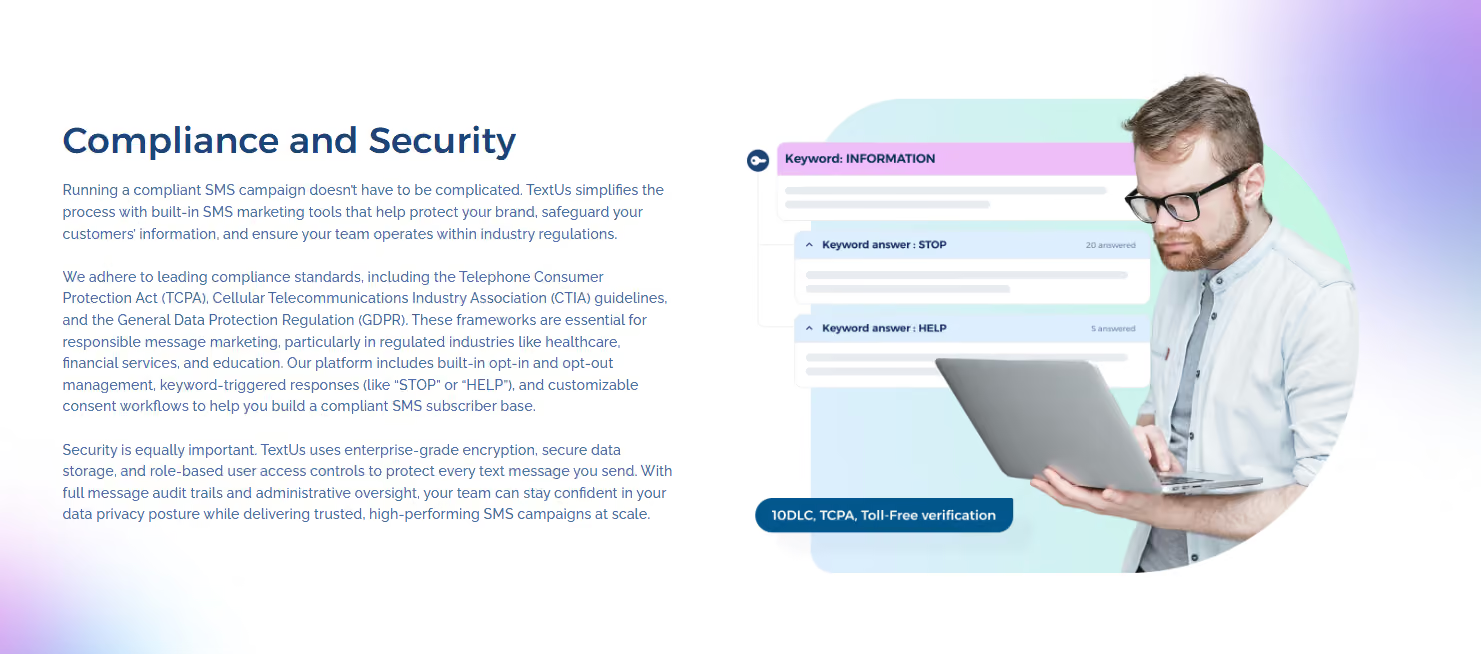
That includes opt-in tracking, opt-out automation, message templates, reporting, and a shared inbox for sales and support conversations.
If you want a platform that supports two-way messaging and campaign texting, TextUs is built for business messaging. It supports high-volume programs while still keeping conversations personal.
TextUs also makes it easier to launch SMS programs without getting stuck in manual processes. You can run campaigns, automate follow-ups, and manage customer replies, while still staying aligned with carrier rules and opt-in requirements.
Book a demo with TextUs today to see how your business can launch faster and stay compliant!
FAQs About Short Code vs Long Code
Why would someone use a short code to text?
Businesses use short codes because they are built for SMS programs that need fast sending and large campaign support. Short codes are common for marketing promotions, emergency alerts, and mass notifications.
They are also easier for customers to remember. That makes short codes useful in ads, social media, and sign-up campaigns where a person needs to act quickly.
How do I find who owns a short code?
In many cases, you can find the owner of a short code by searching the number online along with the keyword in the message. Many brands include their company name in the SMS content, which makes it easier to identify the sender.
If the message does not include a brand name, your best messaging option is to reply with HELP. Many short code programs use HELP as a support keyword and will respond with the business name or support contact.
What is a long code?
A long code is a standard ten-digit phone number used for business texting. It looks like a normal local number, which makes it feel more personal.
Long codes are best for one-to-one communication, such as customer support, sales follow-ups, appointment reminders, and service updates.
What is an example of a short code?
A short code is usually a five- or six-digit number. Examples include:
- 12345
- 54321
- 867530
- 40404
You will usually see short codes used with a keyword, such as “Text JOIN to 12345.”
For commercial messaging, many businesses use short codes because they are the industry standard for large SMS campaigns and automated programs.
Is there an alternative to a short code or long code?
A toll-free number uses text-enabled 8XX numbers such as 800, 888, 877, 866, 855, 844, or 833. It can support texting and may also receive calls on the same number.
In the US, toll-free messaging requires verification before sending business traffic. Unlike 10DLC long codes, toll-free numbers do not go through The Campaign Registry (TCR). But they must still be approved by carriers
Continue Reading



Frequently Asked Questions
What is the difference between short codes and long codes for business texting?
Short codes are 5-6 digit numbers built for high-volume campaigns with fast throughput. Long codes are standard 10-digit numbers better suited for conversational, two-way texting. The right choice depends on your messaging volume and use case.
Which is better for SMS marketing — a short code or long code?
Short codes are better for mass marketing campaigns that need fast delivery to large lists. Long codes are better for personalized, two-way conversation-based outreach. Many businesses use both, depending on the campaign type.
What is 10DLC and how does it apply to long code texting?
10DLC (10-digit long code) is a carrier-mandated registration system for business SMS sent through standard phone numbers. Registering your business and campaign use case with 10DLC improves deliverability and is required to send at meaningful volumes without message filtering.
Business Texting
Built for Results
Create and convert pipeline at scale through industry leading SMS software