
How to Engage Passive Candidates in 10 Strategic Ways
Learn how to engage passive candidates with 10 practical strategies and build stronger recruiting conversations with TextUs business texting.

Written by
Adam Hamdan
Published
November 5, 2026

Most recruiting teams focus their efforts on people already responding to job opportunities. But many experienced professionals aren't searching for a change.
Reaching these candidates requires more than sending a job pitch and waiting for a response.
Instead of pushing people directly toward the application process, you need to create interest through personalized outreach and opportunities that match what they value.
In this article, you will learn practical ways to engage passive candidates and build a stronger candidate engagement strategy.
TL;DR
- Passive candidate engagement helps you expand your reach by connecting with professionals who have the skills you need, even before they start a job search.
- You can engage passive candidates by defining your ideal candidate profile, using SMS marketing, expanding sourcing channels, revisiting past candidates, leveraging referrals, researching candidates, personalizing messages, and staying connected over time.
- Building a passive candidate engagement strategy starts with setting goals, segmenting candidates, planning communication, managing ownership, creating follow-up triggers, tracking results, and improving your approach based on feedback.
- TextUs helps you turn passive candidates into active conversations with personalized SMS outreach, automated follow-ups, and two-way communication.
Why Passive Candidate Engagement Matters
Finding qualified candidates has become a bigger challenge even as more people enter the job market. According to LinkedIn, 66% of recruiters said finding qualified talent had become more difficult over the previous year.
The challenge is that active job seekers only represent part of the people you could reach.
Many experienced professionals aren't actively seeking a new job, yet they may still consider an opportunity that aligns with their career goals.
That's why recruiting passive candidates needs its own approach. Instead of waiting for someone to apply, you reach people who already have the background you need and start the conversation from there.
When you explain why you reached out and what makes the role worth considering, you have a better chance of turning a passive prospect into someone who wants to learn more.
How to Engage Passive Candidates in 10 Easy Ways
Contacting passive candidates starts with knowing what could make them open to a new opportunity. Here are 10 ways to reach them, build interest, and create a connection:
1. Define Your Ideal Candidate Profile
First, you need to get specific about the type of person you want to reach.
Speak with the hiring manager about the core requirements, experience level, location needs, and what success would look like after the first few months.
A useful candidate profile goes beyond a list of credentials. Consider the backgrounds, industries, career paths, and responsibilities that could translate into the job opening, even if someone doesn't match every requirement on paper.
2. Add SMS to Your Outreach Strategy
One of the biggest challenges with passive engagement is getting someone’s attention when they're not actively looking for a new role.
Email inboxes fill up fast, and long recruiter messages are easy to skip when there's no urgent reason to respond.
Text marketing creates a direct path to the conversation. Text messages let you introduce the opportunity, ask about interest, or follow up without asking the person to read through a long pitch.
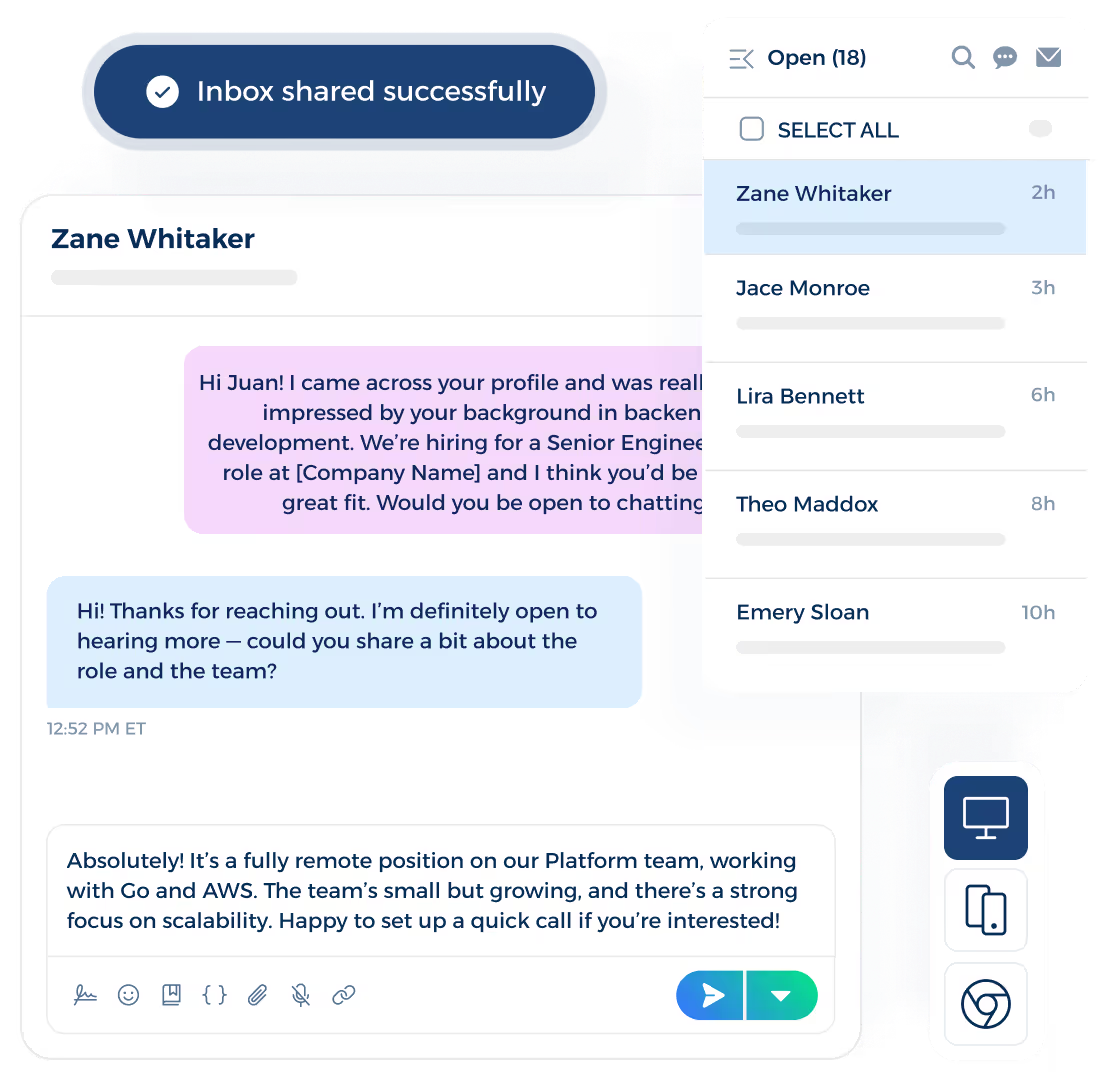
You also have to keep the message personal, explain why you reached out, and avoid asking for too much at once. A simple question is more approachable than sending a long pitch or pushing for a call right away.
TextUs makes this type of outreach easier to manage as conversations grow. You can send two-way recruiting text messages, schedule follow-ups, and see previous conversations with applicants.
Book a demo with TextUs today to see how SMS helps you reach passive candidates faster and keep more conversations moving!
3. Expand Beyond Traditional Job Boards
Traditional job postings are valuable when people are already searching. But many passive job seekers aren't checking career sites every week, so waiting for applications limits who you reach.
Start by listing the places where active applicants in your target field already spend time. This includes professional associations, alumni groups, niche communities, industry events, referral networks, and social media platforms tied to their profession.
A talent blog can also keep professionals connected through career advice, industry updates, employee stories, and information about future roles.
Next, narrow those channels based on the role. You can track which channels produce replies, conversations, and qualified prospects so you know where to spend more time.
The goal is to build a repeatable sourcing routine rather than search everywhere at once.
4. Revisit Candidates in Your Database
Former finalists, previous interviewees, and people who declined an offer already have some history with your company.
You can filter your database by skills, location, experience, previous interview stage, and role interest. Recent recruiter notes also provide useful clues about what the person wanted and whether the timing was the main issue.
Some candidates may have gained more experience or developed new skills since your last conversation, while others may now be open to a different opportunity.
5. Tap Into Employee Referrals
Employee referrals can help you reach people who are less likely to respond to a standard sourcing campaign. Make each request specific by describing the experience, skills, and role requirements you need.
It helps to make the referral request specific. Share the experience, skills, and role requirements you're looking for so current employees know who might be worth introducing.
Referrals can also strengthen your talent pool through warmer connections. Someone may be more open to hearing about an opportunity when the introduction comes from someone they already know and trust.
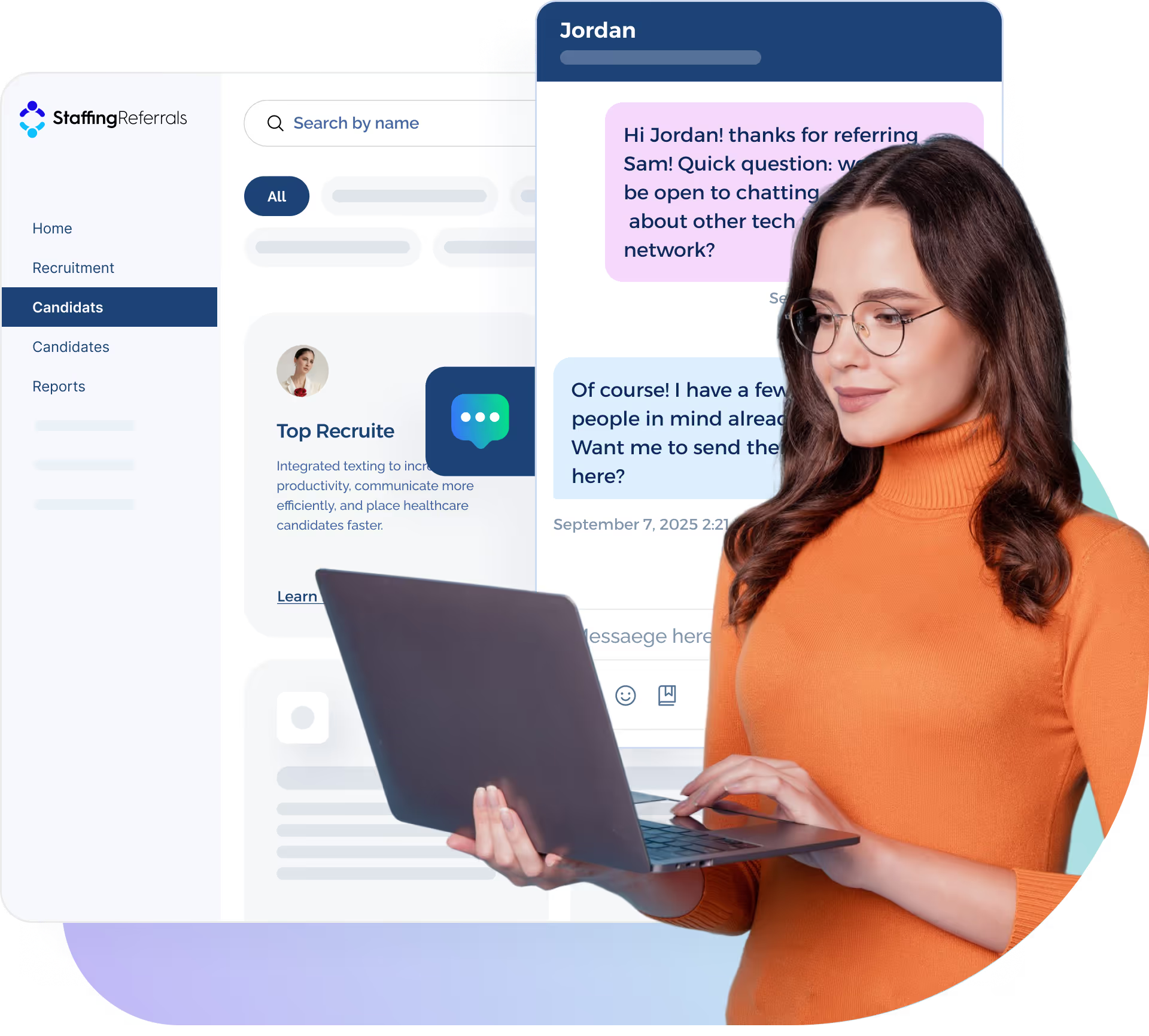
TextUs supports referral outreach through its integration with Staffing Referrals. You can reach existing employee and talent networks, invite promoters to submit referrals, and track referral activity as new names come in.
6. Research Candidates Before Outreach
Good outreach starts with knowing why a passive candidate belongs on your shortlist. You can look for signs that connect directly to the role, such as recent projects, career progression, or industry experience.
Professional profiles, portfolios, company pages, and LinkedIn data help you spot those signals. They may also show whether someone has taken on broader responsibilities or moved into leadership.
From there, focus on the candidate's skills that match what the role needs. That keeps the message specific without turning it into a long summary of their career history.
7. Explain the Reason for Your Outreach
Passive candidates are more likely to pay attention when they understand why you chose them.
A full job description provides important details, but it may not be the best starting point for someone who was not already searching for a role.
Start with the reason you selected them, then share the responsibilities, requirements, and other details once there is interest in learning more.
You can mention their job experience, project, or strength that caught your attention, then tie it back to the current position. This gives the person a specific reason to keep reading.
A few thoughtful details also show genuine interest in their career rather than interest in filling a vacancy as fast as possible. Keep the explanation brief so the main point doesn't get buried.
8. Personalize Your Email Subject Line
The email subject line decides whether your message gets opened or ignored. Keep it specific enough to show that the message has a purpose.
You can reference the role, area of expertise, or career opportunity rather than using vague lines like “Exciting Opportunity” or “Quick Chat.” A subject tied to the person’s background gives them a better idea of what the message is about.
Also, you have to avoid sounding promotional. The subject line only needs to create enough interest for the person to open the email and read what comes next.
9. Add Value With Each Follow-Up
One unanswered message doesn't always mean the recipient has no interest. They may be busy, unsure about the timing, or still deciding whether the opportunity is worth exploring.
Each follow-up should give them a fresh reason to reply. Share a new detail about the role, the team, career growth, flexibility, or what they would be responsible for instead of repeating the original pitch.
SMS recruiting supports quick and direct follow-ups with passive candidates. A quick note can check interest, share one new detail, or ask a simple question that is easy to answer from a phone.
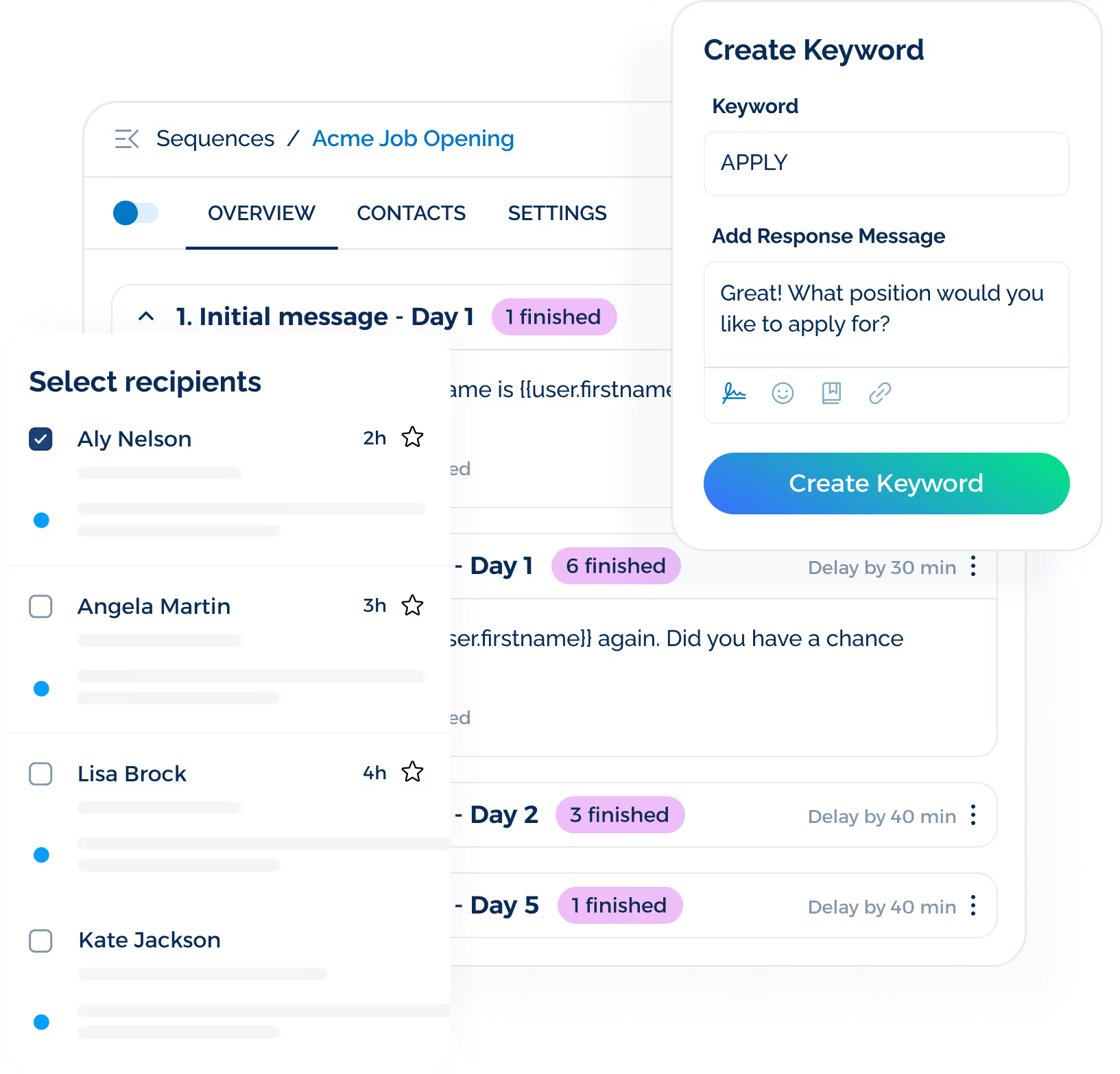
Keep an eye on how the person responds and stop outreach when they decline or ask not to be contacted. The goal is to stay present, not overwhelm someone who is not ready to engage.
10. Stay Connected With Candidates
Active candidates may be ready to move quickly, but passive candidates often need more time before considering a change.
Candidate nurturing keeps those relationships active. You can add promising people to your talent pipeline and stay in touch with role updates, company news, career opportunities, or information tied to earlier conversations.
Texting keeps communication brief and conversational. Regular check-ins through text keep your agency on their radar until they're ready to explore another opportunity.
How to Build a Passive Candidate Engagement Strategy
A strong approach to passive candidates depends on more than one outreach message. Here’s how you can build a recruitment strategy that keeps your efforts organized and focused on the right people.
Step #1. Set Goals for Passive Candidate Engagement
A passive candidate strategy needs a specific purpose from the start. Your goal might be building interest for future open positions, creating a stronger pipeline for hard-to-fill roles, or reaching top talent before a vacancy becomes urgent.
Each goal should connect to a stage of the hiring process. Replies, qualified conversations, interview interest, and movement to the next stage show whether the campaign is producing the result you want.
These goals also guide how you choose the audience, message, channel, and follow-up plan for each campaign.
Step #2. Prioritize Candidate Groups Based on Hiring Needs
Not every role needs the same level of sourcing effort. Positions that require specialized skills, niche experience, or a smaller candidate market need more attention before the need becomes urgent.
Role urgency, availability of talent, location, experience level, and past interest are important factors when deciding where to spend recruiter time.
SMS segmentation supports that process. You can separate the best candidates by job type, location, stage, or past engagement, then send updates that better match each segment’s interests and needs.
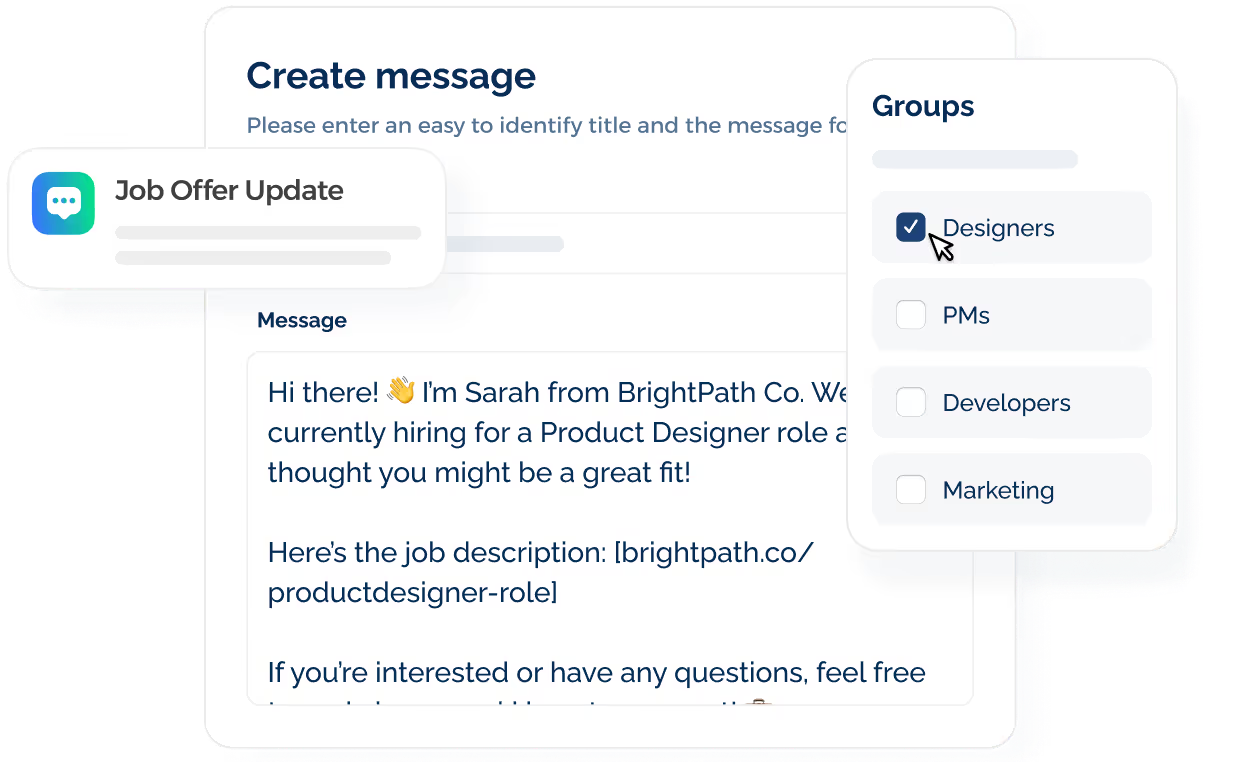
Your top candidates for priority roles can receive more focused communication, while broader segments stay available for future hiring needs.
Step #3. Map Communication Cadence by Candidate Stage
The right outreach frequency depends on where someone sits in the hiring process.
People who are actively searching may expect faster communication, while passive prospects need more space between touchpoints.
Early-stage outreach might begin with one introduction followed by a spaced follow-up. Warmer candidates may receive role updates, scheduling texts, or answers to questions as interest grows.
Once someone enters the interview process, communication should become more frequent so they know what happens next.
A simple cadence by stage keeps your recruiting strategy consistent without overwhelming candidates.
SMS can support shorter touchpoints between larger conversations, especially for interview reminders, updates, and check-ins that don't require a long email.
Step #4. Define Recruiter Ownership and Handoff Points
Candidate communication can be confusing when several recruiters contact the same person or no one knows who owns the next step.
Defined conversation ownership keeps your campaigns organized from first contact through later stages of the recruitment process.
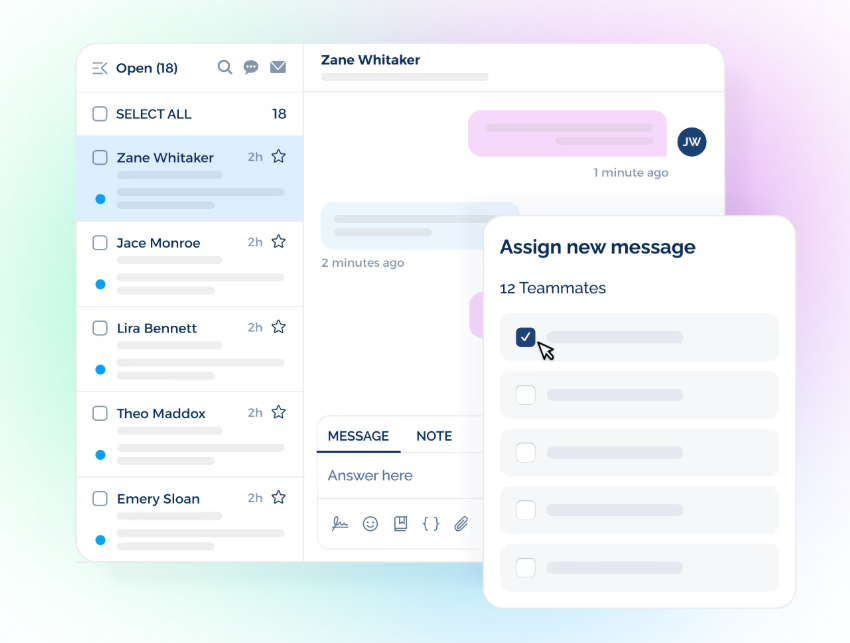
Each recruiter should know which applicants they manage, when ownership changes, and what information needs to move with the handoff.
Notes on past conversations, candidate preferences, timing, and next steps give the next person enough background to continue the discussion smoothly.
Step #5. Set Guidelines for Channels and Message Frequency
Longer information can be shared through email, while SMS supports short messages that keep conversations active. Phone calls and video chats can follow when candidates are ready for more detailed discussions.
Message frequency needs the same level of planning. Too many touchpoints in a short period push candidates away, while long gaps can make the conversation lose direction.
Simple guidelines help you decide when to switch channels, how long to wait between messages, and when to stop outreach. Candidate preferences should also shape those decisions once someone responds.
Your response rates will show whether the current mix is working. Lower engagement could point to poor timing, the wrong channel, or too many messages.
Step #6. Create Triggers for Re-engagement
A new vacancy, added responsibility, location change, or updated compensation package creates a natural point of contact. Possible triggers include:
- A new job that matches the person’s experience or previous interests
- A change in salary range, location, schedule, or remote-work options
- A candidate earning a certification, promotion, or new area of responsibility
- Six or twelve months passing since the last conversation
- A previously unavailable role opening again
- New information that addresses the reason someone declined before
Past rejected candidates also belong on this list when the role requirements change, or their experience grows.
Someone who chose to stay with their current employer may also have different priorities several months later.
Step #7. Track Your Passive Candidate Engagement Rate
Your passive candidate engagement rate shows how often outreach turns into a response or interaction.
A simple calculation is: Engaged candidates ÷ candidates contacted × 100
Before the campaign begins, you need to decide which actions count as engagement.
These might include replying to a message, booking a call, registering for an event, clicking a role link, or agreeing to learn more about an opportunity.
You can separate basic interactions from meaningful conversations when reviewing performance. A link click shows interest, while a reply that leads to a recruiter conversation signals a stronger level of engagement.
Step #8. Review Results and Adjust Your Approach
The numbers only tell part of the story. Regular reviews also need to look at what candidates say, where conversations lose interest, and which questions or concerns come up more than once.
Suppose candidates respond to the initial outreach but lose interest after learning more about the role. In that case, the issue may sit with the job description, compensation, company culture, or another part of the opportunity.
Recruiter feedback adds another layer of insight. Common objections, repeated questions, and reasons for declining point to areas that need changes in messaging, role positioning, and follow-up.
Small adjustments based on real candidate feedback help you adjust your communication strategy based on what drives interest.
Make Passive Recruiting More Conversational With TextUs
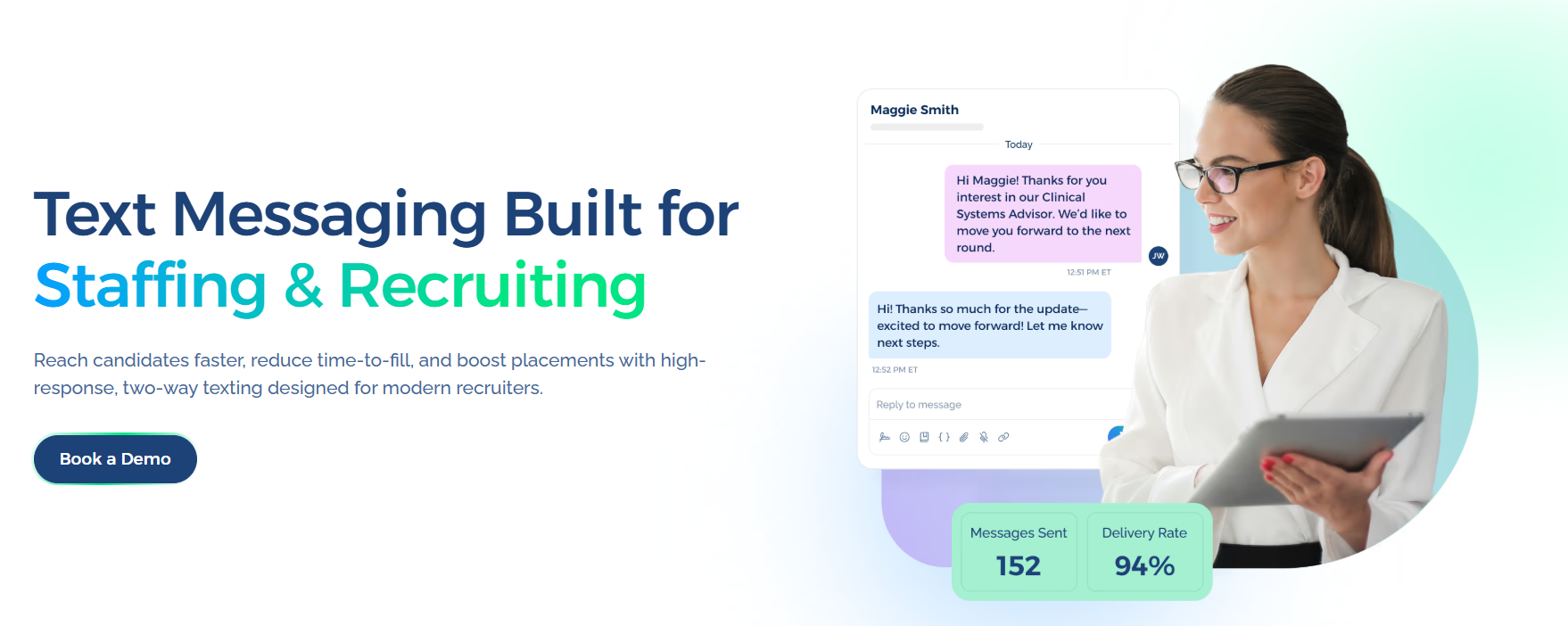
The people you want to hire aren't always browsing for a job. TextUs helps you start conversations with qualified professionals, keep communication active, and stay connected with potential candidates.
With business texting, you can send personalized messages, manage two-way conversations, and follow up through a channel that feels direct and convenient.
TextUs also supports your employer brand by helping you create consistent candidate interactions from the first message through every follow-up.
Whether you're building a future talent pipeline or reconnecting with potential candidates, TextUs keeps relationships active throughout the recruiting process.
Book a demo with TextUs today to see how texting can support your passive candidate engagement strategy!
FAQs About How to Engage Passive Candidates
How to reach passive candidates?
You can reach passive candidates by finding the right channels and giving them a reason to respond.
You may connect through referrals, professional networks, previous applicants, social platforms, and personalized messages that highlight why the opportunity fits their experience.
What are the 5 C's of recruitment?
The 5 C's of recruitment commonly refer to Connection, Communication, Collaboration, Culture, and Candidate Experience.
These principles focus on building stronger relationships, improving communication, and creating a positive experience throughout the hiring journey.
What is the 70/30 rule in hiring?
The 70/30 rule in hiring is used to describe a balanced approach where recruiters spend more time building relationships and engaging talent rather than only focusing on immediate vacancies.
The exact meaning varies by organization. You can adapt the ratio based on your hiring goals and recruiting approach.
What are passive candidates?
Passive candidates are professionals who aren't actively looking for a role but may consider the right opportunity when approached.
Unlike people who are actively job hunting, they're usually satisfied with their current job but may be interested in factors such as career growth, flexibility, or work-life balance.
Continue Reading



Frequently Asked Questions
Business Texting
Built for Results
Create and convert pipeline at scale through industry leading SMS software