
20 Call Center Recruiting Strategies to Find and Hire Agents
Struggling to hire agents? Explore 20 call center recruiting strategies to attract qualified applicants and improve follow-ups with TextUs.

Written by
Adam Hamdan
Published
November 25, 2026

An unfilled call center position affects more than your recruitment targets. Existing agents face heavier workloads, team morale suffers, and longer wait times may lead to unhappy customers.
The pressure to fill vacancies grows, but rushed hiring decisions create more problems down the line.
You need to balance changing staffing demands with the need for agents who can handle difficult conversations and demanding schedules.
The right recruitment approach can improve your hiring outcomes and protect customer satisfaction.
In this article, we'll explore call center recruiting strategies to help you attract qualified applicants, make informed hiring decisions, and build a dependable workforce.
TL;DR
- Call center recruitment faces high turnover, changing staffing demands, difficulty finding qualified agents, and communication gaps that can cost applicants.
- Call center recruiting strategies cover SMS outreach, staffing forecasts, candidate qualifications, job descriptions, compensation, employer branding, job boards, and social media.
- Additional approaches include employee referrals, recruitment partnerships, candidate re-engagement, transferable skills, remote hiring, and simpler applications.
- Skills assessments, structured interviews, realistic job previews, hiring events, task automation, and employee onboarding and retention complete the approach.
- Build your recruitment strategy around hiring goals, candidate requirements, recruitment channels, a structured hiring process, and performance and retention data.
- TextUs supports call center recruitment with SMS campaigns, automated follow-ups, two-way texting, and ATS integrations to reach candidates, manage communication, and simplify hiring.
What Makes Call Center Talent Acquisition Challenging?
A sudden increase in call volume, new client accounts, or unexpected resignations can leave you with multiple positions to fill.
One of the biggest challenges is high turnover. The Contact Center Management Association reported a 25.76% employee attrition rate in its 2026 benchmark.
This means you need to replace departing customer service agents while also preparing for upcoming hiring demands.
A large number of applications also doesn't guarantee you'll find the right candidates. Call center positions require patience, problem-solving abilities, and the skills needed to handle difficult customer interactions.
Delayed responses, missed interview invitations, and lengthy hiring timelines cause applicants to accept other offers.
Without clear communication and consistent follow-ups, you risk losing interested candidates before they complete the hiring process.
20 Effective Call Center Recruiting Strategies to Hire Top Agents
A successful call center recruitment approach starts with knowing where to find qualified agents and how to keep them interested.
Here are 20 call center recruiting strategies to help you attract the right talent and fill open positions.
1. Reach Candidates Through SMS
Applicants can sometimes miss calls, overlook emails, or stop responding while waiting for interview updates.
When you have multiple shifts to fill and training classes approaching, every unanswered message puts more pressure on your hiring targets.
SMS recruiting provides a direct way to reach candidates throughout the interview process. You can share job openings, confirm shift availability, send interview reminders, and follow up on pending applications.
Candidates can also ask questions about pay, schedules, and requirements through two-way texting.
TextUs is text recruiting software built for staffing agencies that need to reach large candidate groups without sacrificing personal communication.
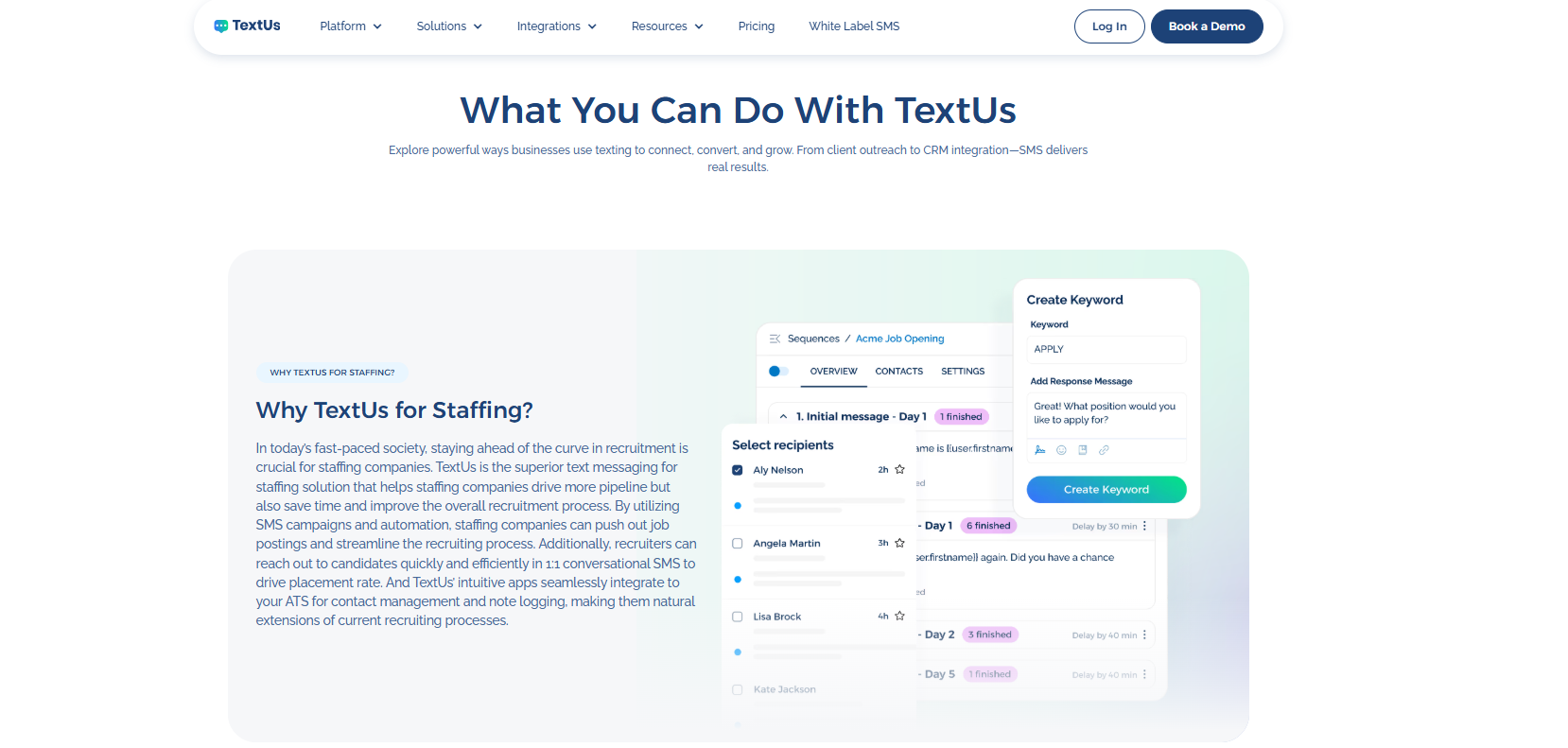
Its SMS campaigns can target applicants by role or availability, while automated sequences handle follow-ups. A shared inbox keeps conversations accessible to recruiters, and supported ATS integrations connect message history to candidate records.
With TextUs, you maintain a positive candidate experience from the first job invitation through onboarding, even when hundreds of applicants need your attention.
Book a demo with TextUs today to see how texting helps you reach top-tier talent and fill vacancies faster!
2. Forecast Your Staffing Needs
When recruitment begins only after positions become vacant, existing agents may face heavier workloads while customers experience longer wait times.
An accurate hiring forecast starts with historical call volumes, current headcount, and performance metrics. You also need to account for employee turnover, planned absences, training periods, and shifts that are difficult to fill.
These insights allow you to anticipate future hiring needs by role while maintaining service quality that supports business success.
For example, if a new client campaign requires 30 agents within six weeks, the recruitment timeline should account for screening, interviews, and training.
3. Define Your Ideal Candidate
Not every call center position requires the same qualifications. Inbound support agents need patience and problem-solving abilities, while outbound sales representatives need persuasion and confidence.
Before recruitment begins, you have to identify the essential duties of each role and what successful performance looks like.
Beyond technical knowledge, the right skills include active listening, empathy, adaptability, and the ability to stay calm. These qualities are important when agents handle frustrated customers, resolve complaints, or manage multiple conversations throughout a shift.
Feedback from supervisors and top performers can help you distinguish must-have qualifications from skills that can be taught during training. This way, you can assess applicants based on their potential to deliver excellent customer service.
4. Write Compelling Job Descriptions
When job postings reflect the actual role, you spend less time screening mismatched applicants and reduce the risk of early withdrawals.
Clear job descriptions give candidates a better idea of what to expect before applying. Job ads need specific details about daily responsibilities, shift schedules, work location, salary ranges, and available benefits.
The required skills also need to be stated, such as communication abilities, computer proficiency, or technical knowledge.
Applicants also want to understand what happens after they apply. A brief overview of the application steps, interview expectations, and potential start dates encourages suitable candidates to proceed.
5. Offer Competitive Pay and Benefits
Call center agents compare several job offers. If competing employers offer better compensation, you risk losing top candidates even when they're interested in the position.
A competitive offer starts with knowing what other call centers pay for similar roles.
A compensation package can include base salary, performance bonuses, night shift differentials, health insurance, paid leave, and transportation allowances. Flexible schedules and remote work options may also attract candidates who need better work-life balance.
But compensation isn't the only reason someone accepts a job. Candidates also consider growth opportunities, paid training, and whether the employer recognizes good performance.
When these benefits reflect what agents value, you have a better chance of securing qualified hires and improving employee satisfaction after they join.
6. Build a Positive Employer Brand
What sets your company apart is the experience agents expect after they're hired. A strong employer brand shows them why they would want to join your organization over another contact center.
Employee testimonials, workplace videos, and social media posts can highlight how supervisors support agents, recognize achievements, and encourage career development. These give potential candidates a better view of your company culture before they apply.
Recruitment messages need to reflect your company's mission and match what employees experience on the job.
For example, if you promote career advancement, you have to feature agents who have progressed into supervisory or quality assurance roles.
7. Post Jobs on Recruitment Platforms
A well-written job posting has a better chance of reaching interested applicants when it appears on the right platforms.
Platforms like Indeed, LinkedIn, and regional job boards can help you connect with job seekers interested in customer service, technical support, and outbound sales positions.
Separate postings for different roles, shifts, and locations allow you to target qualified candidates with specific preferences.
Track which platforms produce qualified candidates who attend interviews and start work, then adjust your posting budget.
8. Recruit Agents Through Social Media
Social media allows you to reach people who may not be actively searching job boards but are open to new career opportunities.
Platforms like Facebook, LinkedIn, Instagram, and TikTok help you promote vacancies for customer service representatives, sales agents, and technical support staff.
Adapt recruitment content to each platform. Short videos and employee testimonials can show your center culture and company values through everyday team interactions.
Local Facebook groups and online career communities are also good places to promote available positions. Posts can include salary ranges, shift options, location details, and direct application links.
9. Launch an Employee Referral Program
Current agents may know former colleagues, friends, or family members who would be a good fit for your call center.
An employee referral program encourages them to refer candidates who have relevant customer service experience or the potential to succeed in the role.
The program needs to have guidelines and incentives that encourage participation. You can offer bonuses when referred candidates get hired or complete their first 60 to 90 days of employment.
Employee referrals also help you build a talent pool for upcoming hiring campaigns. By tracking which referrals pass interviews, accept offers, and remain employed, you identify the sources of your best candidates and improve your referral program over time.
10. Partner With Schools and Staffing Agencies
Schools, colleges, and vocational institutions introduce you to students and recent graduates interested in entry-level call center positions.
You may work with career offices to promote vacancies, organize campus recruitment events, and attend job fairs where applicants can learn about your company and available roles.
Staffing agencies are another option when you need to recruit large numbers of agents within a short period. They help you source high-quality candidates for customer service, technical support, or multilingual positions.
11. Reconnect With Previous Applicants
Some candidates may have declined an earlier offer because of salary expectations, shift schedules, or personal commitments.
Your applicant tracking system (ATS) contains valuable insights about candidates who passed assessments, reached final interviews, or expressed interest in specific roles.
Texting allows you to reconnect with these contacts, share suitable openings, and ask whether their availability or preferences have changed.
Candidate nurturing also plays an important role in maintaining these relationships. With their consent, you can send occasional text updates about new positions, hiring events, and career opportunities.
Even if someone isn't ready to apply, consistent contact keeps your call center on their radar and encourages them to reconsider when a suitable position becomes available.
12. Hire for Transferable Skills
Rather than focusing on previous job titles, you may consider the communication skills, patience, and problem-solving abilities applicants have developed in other industries.
Candidates from retail, hospitality, sales, and administrative positions may have prior experience handling customer concerns, answering questions, and working under pressure.
For example, a retail associate who handles customer complaints may have the same abilities needed to resolve difficult calls.
When hiring candidates without direct call center experience, you can use short role-play exercises and situational questions to assess how they respond to customer concerns.
Technical systems, call scripts, and product knowledge can be taught during training, so you don't have to limit your search to experienced agents.
13. Expand Reach With Remote and Hybrid Hiring
Instead of limiting recruitment to applicants within commuting distance, you can connect with top talent from other cities or regions. This is valuable when filling positions that require specific language skills, technical expertise, or overnight availability.
However, remote call center roles come with different requirements. Applicants need reliable internet access, a quiet work environment, and the ability to handle customer calls without direct supervision.
Your screening process should assess these requirements alongside their communication abilities and experience with remote collaboration tools.
Hybrid arrangements also appeal to candidates who prefer a balance between home and office work. Clear expectations about office attendance, equipment, training, and shift schedules help you identify applicants who can commit to the arrangement.
14. Simplify the Application Process
Lengthy forms, repeated questions, and complicated application portals can discourage interested candidates from completing their applications.
A simpler application process starts with fewer form fields, mobile-friendly applications, and short screening questions. Automated confirmations also acknowledge applications and inform candidates about the next steps.
Text-to-apply is another option worth considering for high-volume call center recruitment. Candidates can text an SMS keyword to your recruiting number and receive an application link or initial screening questions.
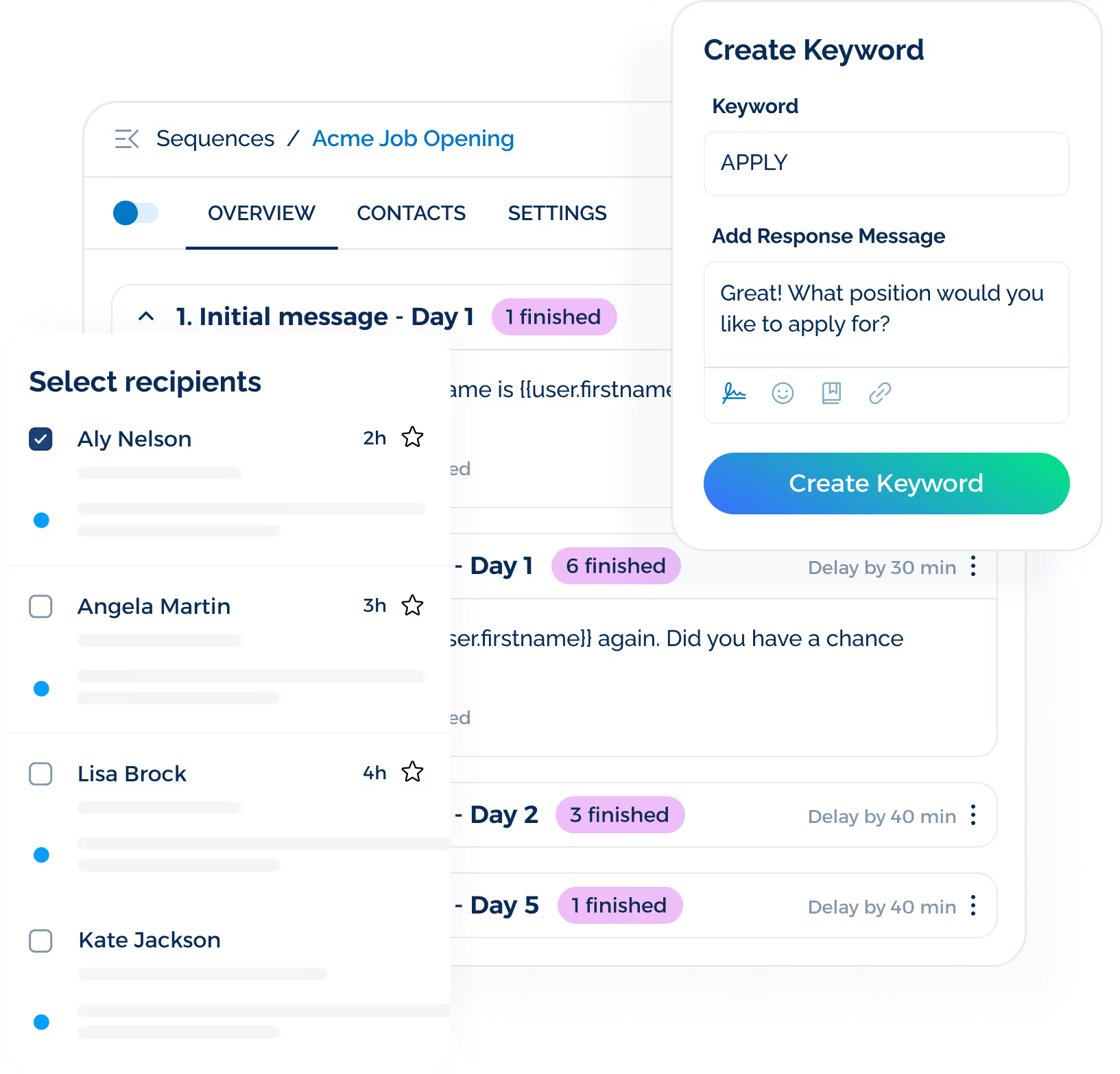
Mobile recruiting allows interested applicants to respond to job advertisements directly from their phones and gives you another way to connect with candidates.
15. Conduct Skills Assessments
A candidate may perform well during an interview but struggle with the demands of a busy call center.
Skills assessments allow you to evaluate how applicants handle customer concerns, process information, and solve problems before making a hiring decision.
For example, inbound support applicants may complete listening comprehension and customer service tests, while technical support candidates need troubleshooting exercises.
Typing tests, computer proficiency checks, and language assessments also reveal whether applicants meet the requirements of the role.
A consistent scoring system allows you to compare candidates based on the same job requirements. Practical exercises let you identify quality workers without making the recruiting process demanding.
16. Use Structured Interviews
Use the same core questions and scoring criteria for applicants interviewing for the same role.
Interview questions may focus on situations agents encounter during their shifts. You can ask how candidates would calm an upset customer, handle multiple requests, or respond when they don't know the answer to a question.
A standardized scorecard also lets you gather feedback from interviewers on communication, problem-solving, and customer service judgment.
With consistent criteria, you can make more informed hiring decisions and identify applicants who are prepared for the demands of the role.
17. Provide Realistic Job Previews
Candidates feel excited about a call center position without knowing what a typical shift involves.
Before extending an offer, you need to explain the daily workload, types of customer interactions, performance targets, and work schedules.
A realistic job preview can include sample customer calls, a short office tour, or conversations with current agents.
You may also introduce the tools they will use, explain how supervisors provide support, and discuss how the center team handles demanding situations.
Honesty about the challenges and benefits of the position gives applicants a better understanding of your workplace culture.
18. Organize Call Center Hiring Events
When your call center needs to recruit dozens of agents for upcoming training classes, individual interviews can take up much of your recruiters' time.
Hiring events allow you to meet multiple applicants in one day, introduce available positions, and identify promising candidates for the next stage.
Walk-in interviews, campus recruitment drives, and virtual job fairs are good options for reaching interested applicants.
You may organize short information sessions about salaries, shift schedules, and job expectations, followed by initial screening and one-on-one interviews.
A successful recruitment event also requires preparation and follow-ups. Advance registration, text reminders, and scheduled interview slots can improve attendance.
19. Automate High-Volume Recruitment Tasks
Call center hiring campaigns attract hundreds of applicants within a short period, especially during seasonal peaks or new client launches.
Therefore, you spend hours reviewing applications, coordinating interviews, and updating candidates. This leaves you less time for direct conversations with applicants.
Recruitment automation can handle many of these activities. An ATS organizes applications by qualifications and shift availability, while scheduling tools coordinate interviews and send reminders.
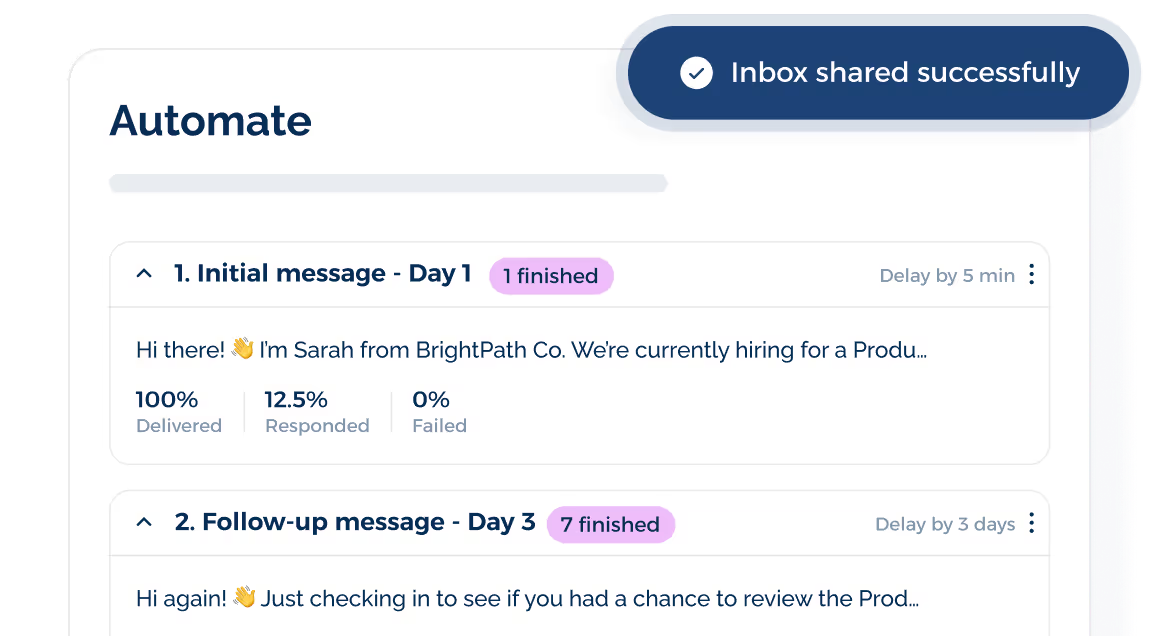
Text automation software also allows you to maintain contact with applicants at different hiring stages. SMS drip campaigns deliver a series of scheduled messages, from application confirmations and interview details to post-interview updates and follow-ups.
Match scheduled messages to each applicant’s current hiring stage, and stop or revise follow-ups when their status changes.
These messages help maintain candidate interest throughout recruitment, even when you have multiple shifts and training classes to fill.
20. Improve Onboarding and Retention
The first few weeks are important for helping new call center agents adjust to their responsibilities, understand performance expectations, and feel confident in their roles.
A structured onboarding program includes product training, call-handling exercises, system walkthroughs, and guidance from experienced agents.
Regular check-ins during the first 30, 60, and 90 days also allow supervisors to address concerns and provide additional coaching.
Text messaging supports employee retention through training updates, quick check-ins, and ongoing communication with new agents.
Recruitment teams can also gather feedback from recent hires about their application experience, training, and transition into the role. Exit interviews with departing agents may reveal recurring concerns about schedules, workloads, or job expectations.
How to Build a Successful Call Center Recruitment Strategy
A well-planned approach to hiring can help you find suitable agents, meet staffing demands, and prepare for upcoming vacancies.
Here are five steps to build a recruitment plan that supports your call center's hiring goals.
Step #1. Set Recruitment Goals and Staffing Targets
Your recruitment strategy needs specific targets based on current vacancies, expected call volumes, and upcoming business demands.
Start by determining how many agents you need, which shifts require coverage, and when new hires must begin training.
You also need to establish a hiring budget that accounts for job advertising, recruitment tools, and candidate screening costs.
Coordination with hiring managers and workforce supervisors allows you to set realistic timelines and meet deadlines without rushing important hiring decisions.
Step #2. Identify Your Ideal Candidates
Each call center role comes with different responsibilities and expectations.
For example, technical support agents need troubleshooting knowledge, while outbound sales representatives require persuasion and objection-handling skills.
Candidate criteria should include relevant experience, communication skills, schedule availability, and minimum qualifications.
These details can guide how you write job descriptions, screen applicants, and select people who are prepared for the demands of each position.
Step #3. Choose Your Recruitment Channels
The right recruitment channels depend on where potential call center applicants search for opportunities.
Job boards, social media, employee referrals, career fairs, and staffing agencies offer different ways to connect with interested candidates. A combination of these sources expands your reach beyond a single platform.
Application completion rates, interview attendance, and successful placements also provide insight into where your hiring budget produces the best results.
Text marketing is a communication channel worth including in your recruitment marketing stack.
An integrated texting software connects SMS outreach with existing candidate records. This allows you to access contact details, review previous interactions, and coordinate follow-ups.
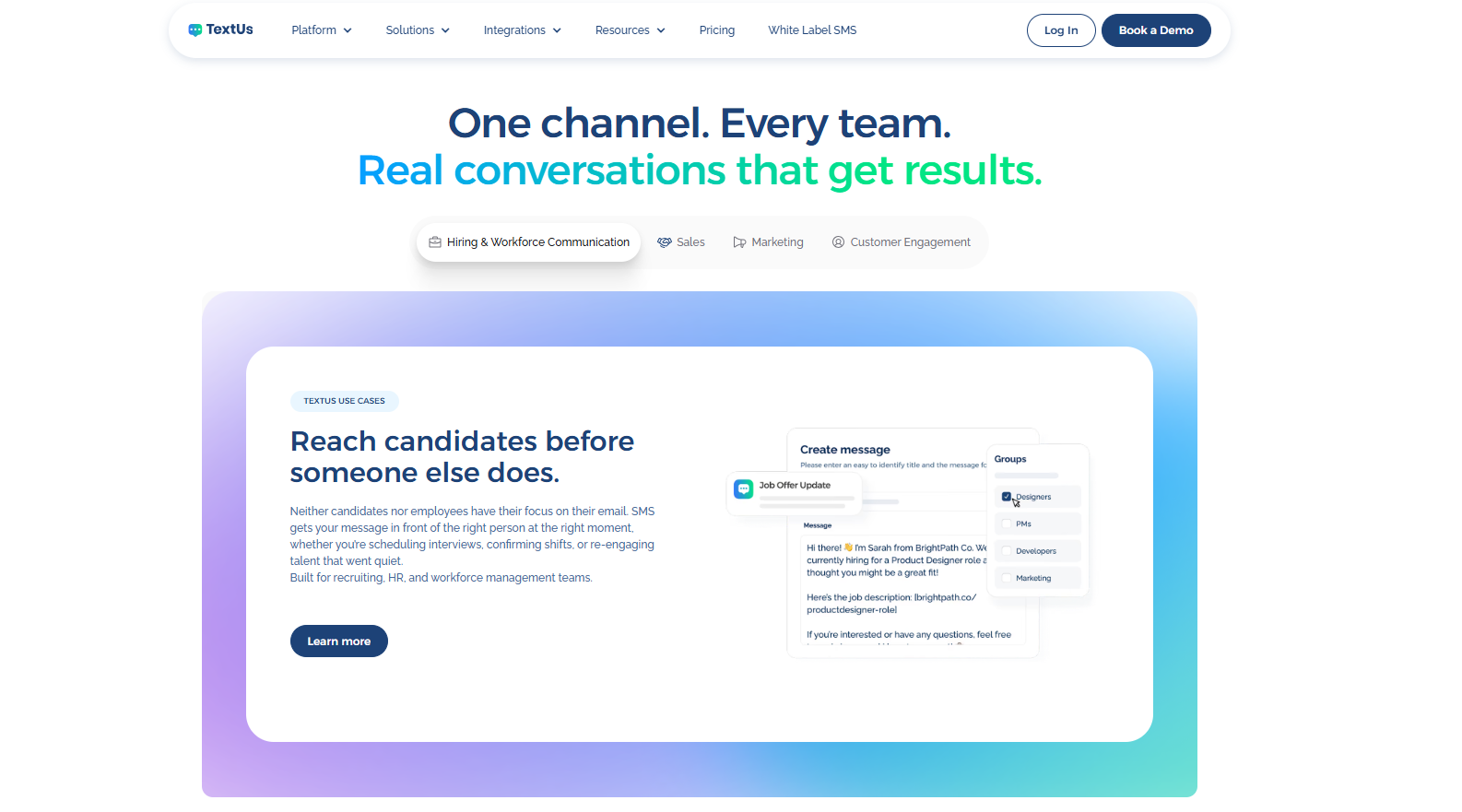
TextUs integrates with supported ATS platforms such as Bullhorn, Greenhouse, Workday, and Oracle Taleo.
Its contact syncing and message logging features keep SMS conversations connected to ATS records, which reduces duplicate data entry and improves visibility into candidate engagement.
Book a demo with TextUs today to see how it complements your recruitment channels!
Step #4. Design Your Call Center Hiring Process
A structured recruitment process allows you to manage applicants from their initial application through screening, interviews, job offers, and onboarding.
Each stage needs defined requirements, so candidates understand what to expect and your recruiters know which actions come next.
Your plan should also specify who handles applications, conducts interviews, approves offers, and communicates hiring decisions.
Consistent response-time targets prevent applicants from waiting too long between stages, especially during large recruitment campaigns.
Step #5. Review Results and Improve Hiring Approach
Metrics such as time to hire, interview attendance, offer acceptance rates, and cost per hire provide a better picture of how your hiring efforts perform.
A comparison of recruitment channels also shows which sources bring in applicants who complete interviews, accept offers, and start training.
For example, a job board may generate hundreds of applications but produce fewer successful hires than employee referrals. These findings help you decide where to focus your recruitment budget.
The review also needs to continue after candidates start working. Feedback from new employees and hiring supervisors, along with 30-, 60-, and 90-day retention data, will reveal whether your selection criteria match the demands of the job.
Make Every Candidate Connection an Opportunity With TextUs
Every recruitment campaign has value beyond the positions you need to fill today. Applicants who aren't selected or aren't available yet may be a great match for your next hiring class.
A strong recruitment strategy allows you to make the most of these opportunities while building a network of candidates for future vacancies.
TextUs helps you get more value from your call center recruitment channels through business texting.
Its SMS keywords and QR codes allow interested applicants to respond to job advertisements, social media campaigns, and recruitment events directly from their phones.
You can also organize contacts into targeted groups, share suitable opportunities, and measure campaign engagement to improve your outreach.
Your call center's long-term success depends on having access to interested candidates whenever staffing demands change.
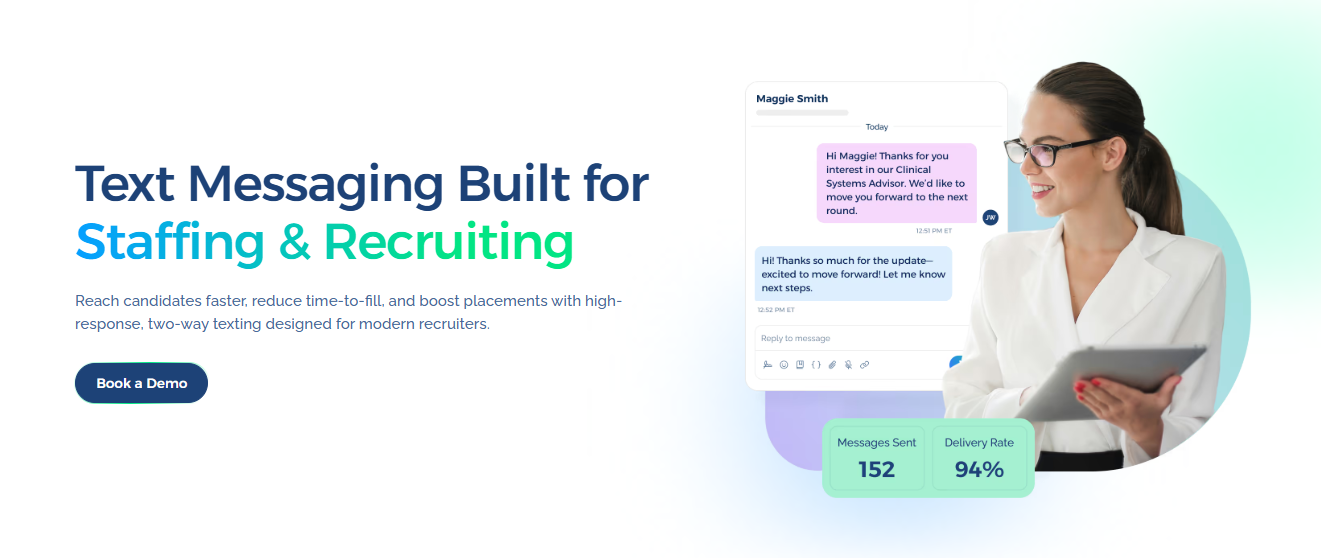
Book a demo with TextUs today and explore what business texting can bring to your next hiring campaign!
FAQs About Call Center Recruiting Strategies
What is the 80/20 rule in call centers?
The 80/20 rule is a common call center service-level target where 80% of incoming calls are answered within 20 seconds.
This benchmark helps managers plan staffing requirements and measure call accessibility, although targets vary depending on customer needs and business operations.
What are some examples of recruitment strategies?
Common recruitment strategies include SMS recruiting, employee referrals, social media campaigns, job board advertising, and partnerships with staffing agencies.
Regular emails featuring employee stories, career opportunities, and Employer Value Proposition (EVP) also nurture candidates and remind them of the benefits of joining your call center.
What are the 5 C’s of interviewing?
One common version of the five C's includes competence, character, communication, confidence, and cultural fit.
These factors provide a guide for assessing job qualifications, professionalism, communication, and alignment with workplace expectations.
What are the key strategies for running a successful call center?
Workforce planning, agent training, quality monitoring, and supportive management are key parts of successful call center operations.
Competitive compensation, consistent coaching, and career development opportunities also help reduce turnover and maintain customer service quality.
Continue Reading



Frequently Asked Questions
Business Texting
Built for Results
Create and convert pipeline at scale through industry leading SMS software