
How to Follow Up After a Job Application: 8 Tips for Recruiters
How to follow up after a job application: Get eight recruiter tips, practical message examples, and ways TextUs supports candidate communication.

Written by
Adam Hamdan
Published
November 13, 2026

A slow response puts you behind before the hiring conversation even starts. While your team reviews applications, another employer may already be starting a conversation with the same person.
As a recruiter, knowing how to follow up after a job application keeps promising applicants from drifting away during that review period.
A quick acknowledgment, status update, or prompt text keeps candidates in the loop and reduces unnecessary back-and-forth about their application status.
In this article, you’ll learn why follow-up is part of a better hiring process, how to reach candidates after they apply, and message examples you can use for different situations.
TL;DR
- Fast recruiter follow-up reassures candidates that their application was seen, keeps them informed, and reduces the risk of losing strong talent to another employer.
- A strong candidate follow-up process includes choosing the right channel, checking role fit, prioritizing who needs a response, personalizing the message, setting one clear action, timing outreach well, sharing updates, and following up again when needed.
- This guide covers follow-up message examples for application confirmations, qualified candidates, information requests, next-stage invitations, status updates, unresponsive candidates, email follow-ups, and recent applicants.
- TextUs lets you automate initial outreach, segment candidates by role, send targeted campaigns, and manage follow-up through templates, sequences, and a shared inbox.
The Importance of Following Up After Candidates Apply
When a candidate looks like a potential match, an early follow-up lets them know their application reached your hiring team and that the process is moving forward.
For an open position with many applicants, long periods of silence hurt the candidate experience.
Even a short acknowledgment reassures applicants that a real person has seen their submission instead of leaving them wondering where they stand.
During an active job search, strong candidates may be speaking with several employers at the same time.
Timely communication also gives you a better chance to keep strong talent engaged before they move forward with another employer. Starting outreach soon after candidates apply can help maintain their interest in the role.
8 Tips for Better Candidate Follow-Up After an Application
A good follow-up starts with knowing which candidates need a response and what action you want them to take next. Here are key tips on how to structure your follow-up communication:
1. Choose the Right Communication Channel
A qualified candidate may still miss a follow-up if it reaches a channel they don't check regularly.
Choosing the right channel improves the chances of reaching them before interest drops or another employer moves first.
The preferred method depends on the type of update, and using multiple channels can keep recruiters from relying on one inbox.
Email and phone calls still have a place when the conversation needs more detail. But texting candidates is better for short, time-sensitive communication.
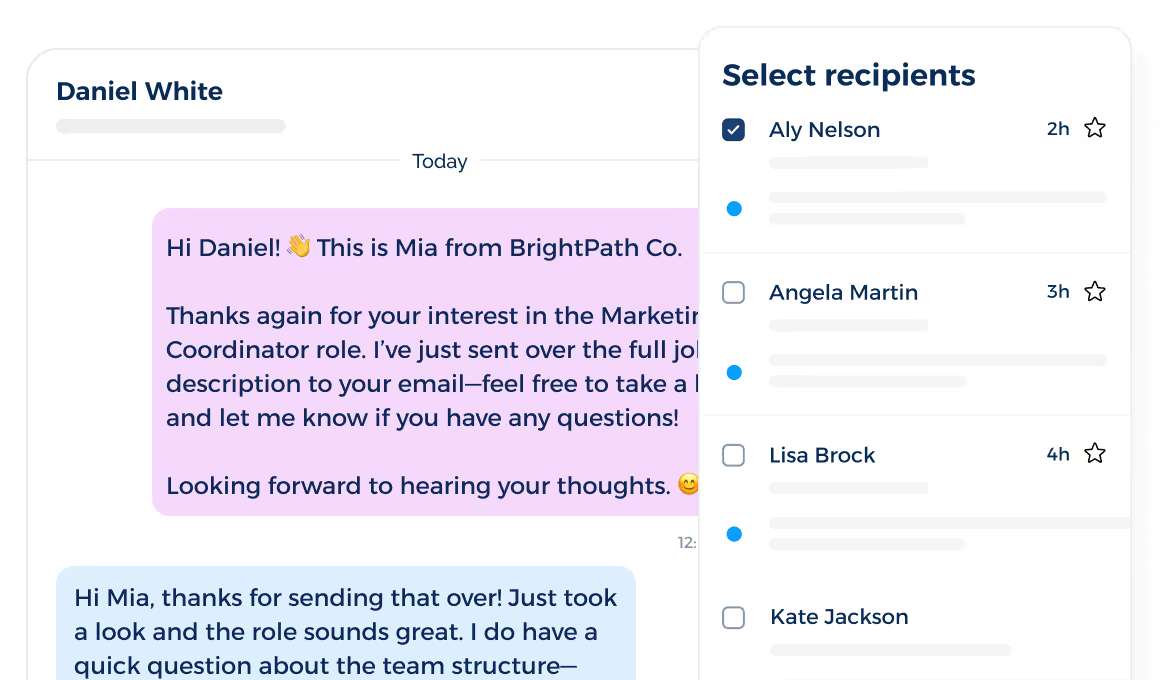
Text messaging supports several points in the follow-up process. A short text confirms that an application was received, requests availability, shares the next step, or checks whether they're free for a screening call.
Texting also gives candidates a simple way to respond without opening an email or returning a call. If they opt in through SMS keywords, the same conversation can carry application updates and next steps.
From there, you can route the response into the right recruiting conversation and continue the follow-up by text.
Book a demo with TextUs today to see how business texting and multi-layered keyword responses support candidate follow-up from application to interview!
2. Review the Application Against the Role
Start by comparing each application with the job description and the requirements listed in the posting.
Focus on the qualifications most closely tied to the job title rather than expecting every candidate to match every preference.
The cover letter, resume, and application answers may also reveal experience that isn't obvious from titles alone. Relevant skills and experience should also connect to the work the person would handle.
You have to pay attention to transferable experience as well, especially when the candidate comes from a different industry or has held a slightly different role.
3. Decide Which Candidates Need a Follow-Up
After you review applications, separate candidates based on how closely they match the role and what action each person needs next. This keeps your follow-up focused instead of sending the same response to everyone.
Your priority will usually be strong candidates who meet the main requirements and appear ready for further screening.
For a single job with a large applicant pool, candidate groups such as "moving forward," "still under consideration," or "no longer progressing" can make the next step easier to manage.
This process also helps you decide who needs prompt contact and who can receive a later status update. Qualified applicants are less likely to sit without communication while the rest of the pool is still under review.
4. Personalize the First Message
A personalized message shows the candidate that you have reviewed their application rather than sending the same response to everyone.
Details such as a specific skill, past achievement, or experience leading a team give you something concrete to reference.
Your opening should make it clear who is reaching out and why. The company name, role, and basic recruiter contact details reassure the candidate that the message comes from the right person at your agency.
A professional tone still leaves room for the message to feel human. One specific reference to the applicant's background is enough to show genuine interest without making the message overly formal.
5. Make the Next Step Easy to Follow
Your follow-up should leave the candidate with one simple thing to do. Too many questions at once can make the message feel like extra work and make a reply less likely.
If someone is ready to move ahead, the next step could be a phone screen or an interview invitation. Other candidates may need to send additional materials before you continue the process.
If you still need to check interest, you can politely inquire whether they want to continue. One specific ask keeps the conversation focused and provides the candidate a simple way to respond.
6. Send Follow-Ups at Reasonable Times
The hiring timeline in the job posting can be a useful reference. But fast-moving roles call for earlier contact.
A long wait can also give good candidates time to accept another opportunity. Two weeks may be fine for a slower hiring process, but it can be too long when you already know who you want to speak with.
The time of day counts too. Messages sent during normal business hours are less intrusive and more likely to reach candidates.
With text automation software like TextUs, you can plan follow-ups ahead of time. It lets you schedule a series of messages to go out at set points.
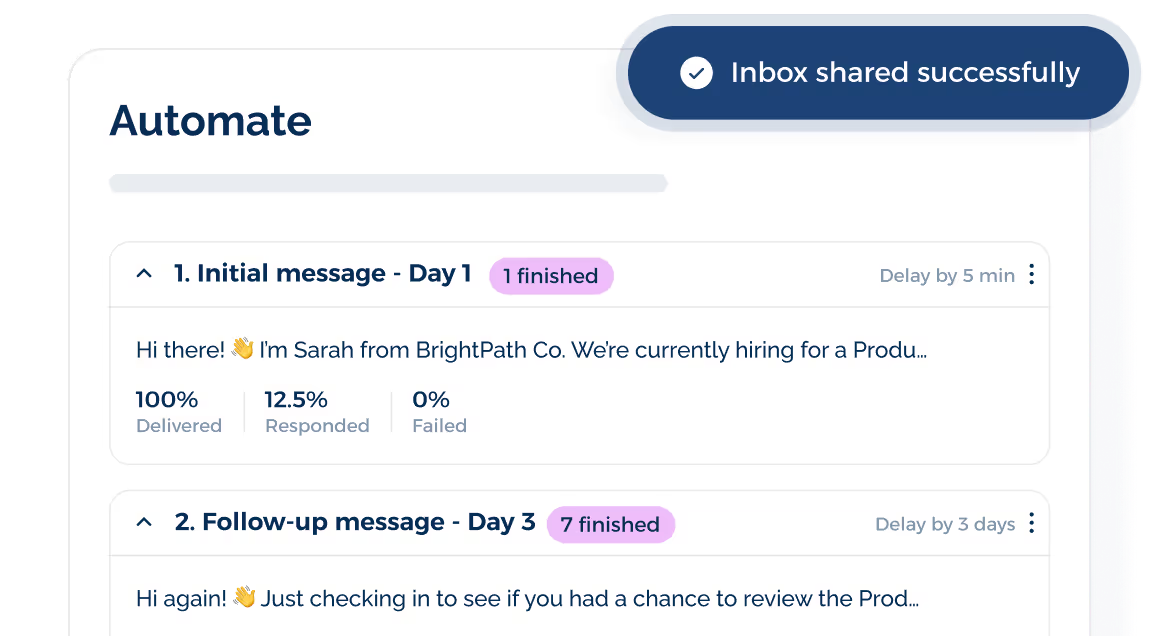
Candidates receive application updates, reminders, and check-ins even when your recruiters are busy with other hiring tasks.
7. Move Qualified Candidates to the Next Stage
Once you know who your top candidates are, the follow-up should keep things moving. A quick message shows that they are still under consideration and explains what comes next.
The next stage may involve an assessment, recruiter call, or another part of the interview process. Reaching out before candidates have to chase you for an update also shows initiative from your side.
Even when the next step is not immediate, a brief update or a thank-you note gives them a reason to stay connected. That small touchpoint can make the process feel more organized and respectful.
8. Follow Up When a Candidate Doesn't Respond
Silence doesn't always mean the candidate is no longer interested. Your first message may have been missed, buried, or seen at a bad time.
A second follow-up note provides them another chance to respond without putting pressure on them. Keep the message short, mention your earlier contact, and focus on one reason for reaching out.
The wording should be calm and natural. You want to avoid sounding desperate, especially if the candidate hasn't engaged with your first message.
If there's still no response after another attempt, it's reasonable to close the loop and continue with other applicants.
Job Application Follow-Up Message Examples
Your follow-up message doesn't need to be long, but it should sound personal enough. Here are a few examples you can adapt for common follow-up situations.
Application Confirmation
An acknowledgment reduces uncertainty right after someone applies. It also gives you a natural point to express gratitude before the review starts.
Example
- Hi Jordan, this is Mia from Northstar Health. Thanks for submitting your application for our Medical Assistant role. We received it and will be reviewing applications this week. We’ll text you if we need anything else.
Follow Up With a Qualified Candidate
After the recruiter or hiring manager spots a potential match, the conversation can shift from acknowledgment to interest.
A reference to a specific project or responsibility shows that you paid attention to the application.
Example
- Hi Marcus, this is Leah from Apex Staffing. I reviewed your application for our Warehouse Supervisor opening and noticed your experience with shift scheduling. Would you be open to a short call this Thursday?
Request More Information
Some applications leave one or two questions unanswered. A quick message fills that gap without asking the candidate to repeat information you already have.
Example
- Hi Nina, this is Carlos from BrightCare. Thanks for applying for our RN position. Could you confirm whether you’re available for weekend shifts? A quick reply here is fine.
Invite the Candidate to the Next Stage
Once you decide to continue with someone, the message can focus on arranging the next conversation. Specific dates or options also make the reply easier.
Example
- Hi Derek, this is Sam from Horizon Logistics. We’d like to move forward with your application for the Operations Coordinator role. Are you available Tuesday or Wednesday for a 20-minute call?
Share an Application Status Update
Hiring decisions don't always happen on the original timeline. A brief update reassures candidates that the role is still active and that they haven't been forgotten.
Example
- Hi Abigail, this is Erin from Westbridge. I wanted to share an update on the position you applied for. Our team is still reviewing applications for the Marketing Specialist role, and we expect to have more information by Friday. Thanks for your patience.
Reconnect With Unresponsive Candidates
A second message offers the candidate another chance to reply if the first one was missed. It can also check continued interest before you close out the conversation.
Example
- Hi Alex, this is Jenna from Peak Talent. I wanted to follow up on my earlier message about the Customer Success role. If you’re still interested, reply here, and I’ll send the next steps.
Follow Up by Email
A follow-up email fits situations where you need more room for background, scheduling details, or documents. It also works when the candidate has already used email as the main point of contact.
Example
- Hi Taylor,
Thank you for your application for the Account Manager role. Your background caught our attention, and we’d like to learn more about your relevant experience. Would you be available for a short conversation this week? Please send a few times that work for you.
We look forward to hearing from you.
Best regards,
Olivia
Follow Up With Recent Applicants
For candidates who recently applied, there may not be much to update yet. A quick acknowledgment is enough to let them know their application is in the queue.
Example
- Hi Chris, this is Dana from Summit Recruiting. Thanks for applying for our Sales Representative opening. We’re reviewing applications now and wanted to confirm that we received yours. We’ll be in touch if you’re selected for the next step.
Speed Up Candidate Follow-Up With TextUs
Qualified candidates may be considering more than one opportunity. The longer they wait to hear from you, the more likely it is that another employer will move first.
TextUs lets you automate initial outreach, so candidates hear from your team sooner after they apply. Contact lists can also be segmented by role, location, experience, or hiring need, which makes each message more specific to the opportunity.
Templates, scheduled sends, automated sequences, and a shared inbox keep follow-up organized after the first text. You can shift from broader outreach to one-to-one conversations while keeping track of replies.
With faster follow-up and fewer missed conversations, you keep candidates informed from the application process through the next hiring stage.
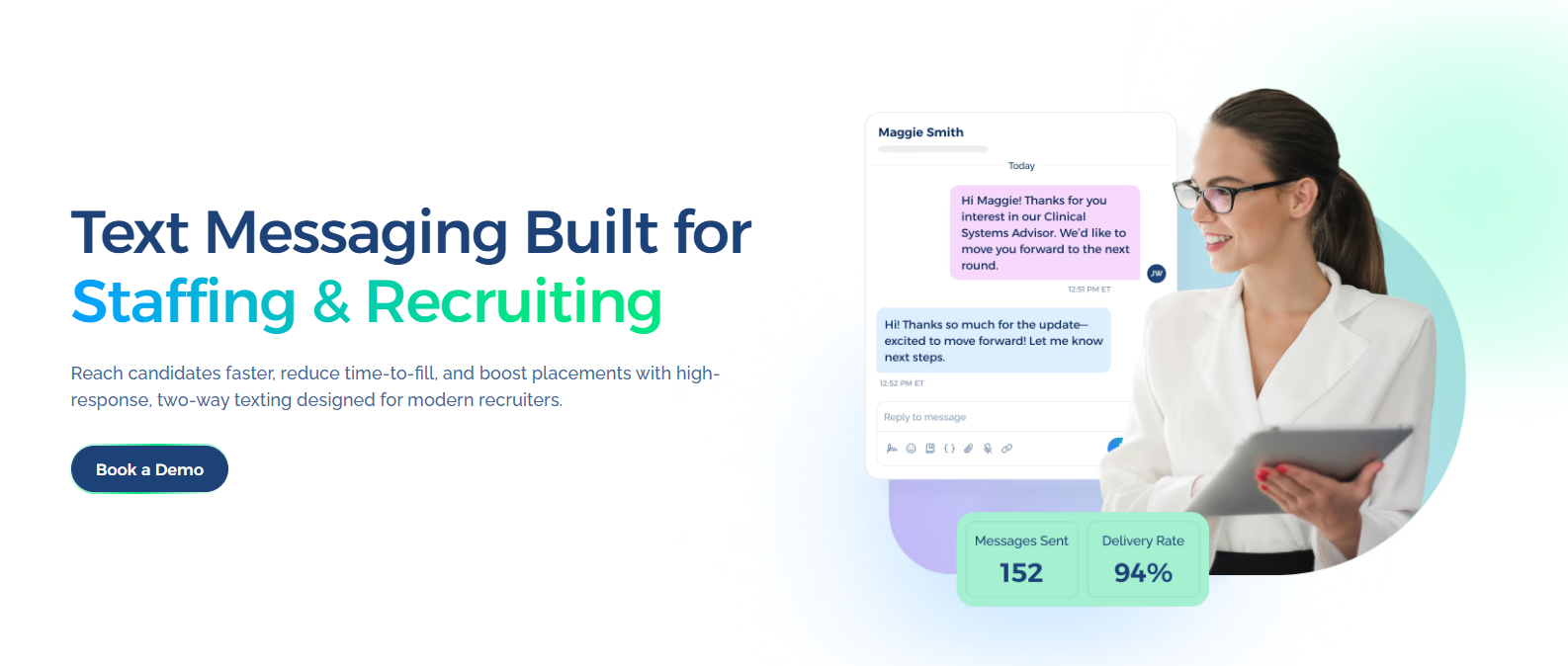
Book a demo with TextUs today to see how business texting helps you reach job seekers sooner and move qualified applicants forward!
FAQs About Following Up After a Job Application
How do you politely follow up on a job application?
Your follow-up should remind the candidate which role you're contacting them about and why you're reaching out. A concise email can mention the position title, their application, and the update or action you need from them.
How long should you wait to follow up after a job application?
Use the hiring timeline to decide when to respond. Your team may wait until applications close, while an online portal keeps applicants informed. For faster-moving roles, contact qualified candidates earlier to maintain interest.
What should a recruiter include in a job application follow-up?
Include the company name, position title, reason for reaching out, and requested next step. When relevant, mention the application status or updated hiring timeline. As the potential employer, you can also say when you hope to share another update without promising a final decision date.
How should recruiters share an application status update?
A status update should tell candidates whether their application is still under review or your team is ready to continue the conversation. Even when there's no final decision, a short message keeps applicants from wondering whether the role is still active.
Continue Reading



Frequently Asked Questions
Business Texting
Built for Results
Create and convert pipeline at scale through industry leading SMS software