
Lead Response Management Strategies to Keep Leads Engaged
Learn how lead response management can improve your conversions and explore key stages and best practices for lead response management.

Written by
Adam Hamdan
Published
October 2, 2026

When a lead reaches out, they expect a response within the first hour. A fast reply helps keep their interest and move the conversation forward.
One of the biggest challenges companies face is responding in a timely manner to every new inquiry. As lead volume grows across multiple channels, consistent follow-up becomes harder to maintain.
Without a lead response management system, follow-ups get missed, and you end up leaving money on the table.
In this article, you’ll learn why lead response management matters and how fast responses help build trust and increase conversions. You'll also find which best practices improve follow-up speed and consistency.
TL;DR
- Faster responses to inbound leads build trust, reduce lost opportunities, and increase the chances of converting interest into revenue.
- Managing leads requires a structured process that includes capturing, tracking, qualifying, assigning, and nurturing each lead.
- Many businesses lose opportunities due to delayed replies, disorganized systems, and inconsistent follow-up.
- Strong lead response management combines fast replies, multi-channel outreach, smart routing, automation, and consistent follow-up to improve engagement and conversions.
- TextUs is an SMS marketing platform that helps teams respond faster, keep conversations personal, and manage lead follow-up with consistency and control.
How Quick Responses Impact Lead Conversion
When a potential customer expresses interest, the window to respond is narrow.
According to Artemis GTM’s 2026 Speed to Lead Benchmark Study, B2B leads that receive a response within five minutes have an estimated 21% lead-to-opportunity conversion rate.
Despite the value of a fast response, the same study found that the average lead response time is about 42 hours. That delay allows interest to cool and opens the door for competitors to step in.
When leads are actively searching for a solution, the business that reaches them quickly becomes the one they trust.
A prompt reply builds trust, reflects your team’s commitment, and helps shape how potential clients perceive your brand during initial contact.
Fast responses are just one part of a much larger speed-to-lead strategy. A strong lead management system involves having the tools and workflows in place to guide every lead from inquiry to conversion.
When your team is set up to respond with speed and clarity, you increase your chances of turning interest into revenue.
5 Stages of Lead Management
Effective lead management turns interest into business opportunities by guiding each prospect through an intentional process.
Here are the five essential stages every business should follow to manage and convert leads successfully.
1. Lead Capture
This is the first step in your pipeline generation. It focuses on collecting lead information through web forms, chat, landing pages, phone calls, lead-generation tools, or third-party sources.
The goal is to gather relevant contact details and initial context about the lead’s interest.
2. Lead Tracking
During this stage, every action a lead takes is logged and reviewed. This includes browsing product pages, clicking on emails, or filling out forms.
The data gathered helps your team measure engagement, compare response time buckets, assess lead quality, identify sales-ready leads, and decide the best time and method for follow-up.
3. Lead Qualification
Not all leads are ready to buy, so this step filters out low-quality leads from high-potential ones.
Qualification includes evaluating whether a lead is a good fit for your product or service and whether they’re in a buying mindset.
Many teams use frameworks such as BANT (budget, authority, need, timeline) or a lead-scoring system to identify the most qualified leads based on intent signals, behavior, demographics, and type.
4. Lead Distribution
Once a lead is qualified, it should be assigned to the right person or team.
Lead distribution makes sure the lead goes to a sales rep based on predefined routing rules, such as geography, product interest, deal size, or rep availability.
Lead distribution may also include automatic reassignment when the original representative is unavailable or the SLA window expires.
5. Lead Nurturing
Leads not yet ready to buy need consistent, personalized communication to move them closer to a decision. This stage uses targeted emails, calls, and texts to share relevant updates, answer questions, and build trust over time.
SMS marketing stands out as an effective channel for immediate follow-up and real conversations, offering a personal touch that can accelerate response rates.
SMS marketing software makes it easy to automate, personalize, and manage your marketing strategy. You'll stay connected and convert more leads as they progress through the sales funnel.
Best Practices for Lead Response Management
Strong lead response management does more than accelerate sales efficiency. It also shapes the first impression prospects have of your business and sets the tone for future interactions.
Here are proven best practices your sales team can follow to build a reliable lead response system:
Respond Promptly to Every Inquiry
Timely response is a crucial factor in converting leads quickly, while your first response sets the tone for the conversation.
You can use the following strategies to respond immediately:
- Set up instant automated responses via email or SMS so you can respond quickly
- Use SMS to initiate contact and start conversations immediately
- Route qualified leads efficiently using predefined workflows
- Enable real-time lead alerts through your customer relationship management (CRM) or lead management platform
- Rotate after-hours coverage or use automated messages outside business hours
- Build a library of pre-written templates to reduce response time
- Monitor team-wide response time to identify gaps and improve contact rates
A defined SLA window also gives your team a response-time target for new inquiries and makes it easier to identify when follow-up falls behind.
Texting offers a personal way to connect with leads in seconds. Unlike email, SMS reaches prospects where they’re most active and encourages faster replies.
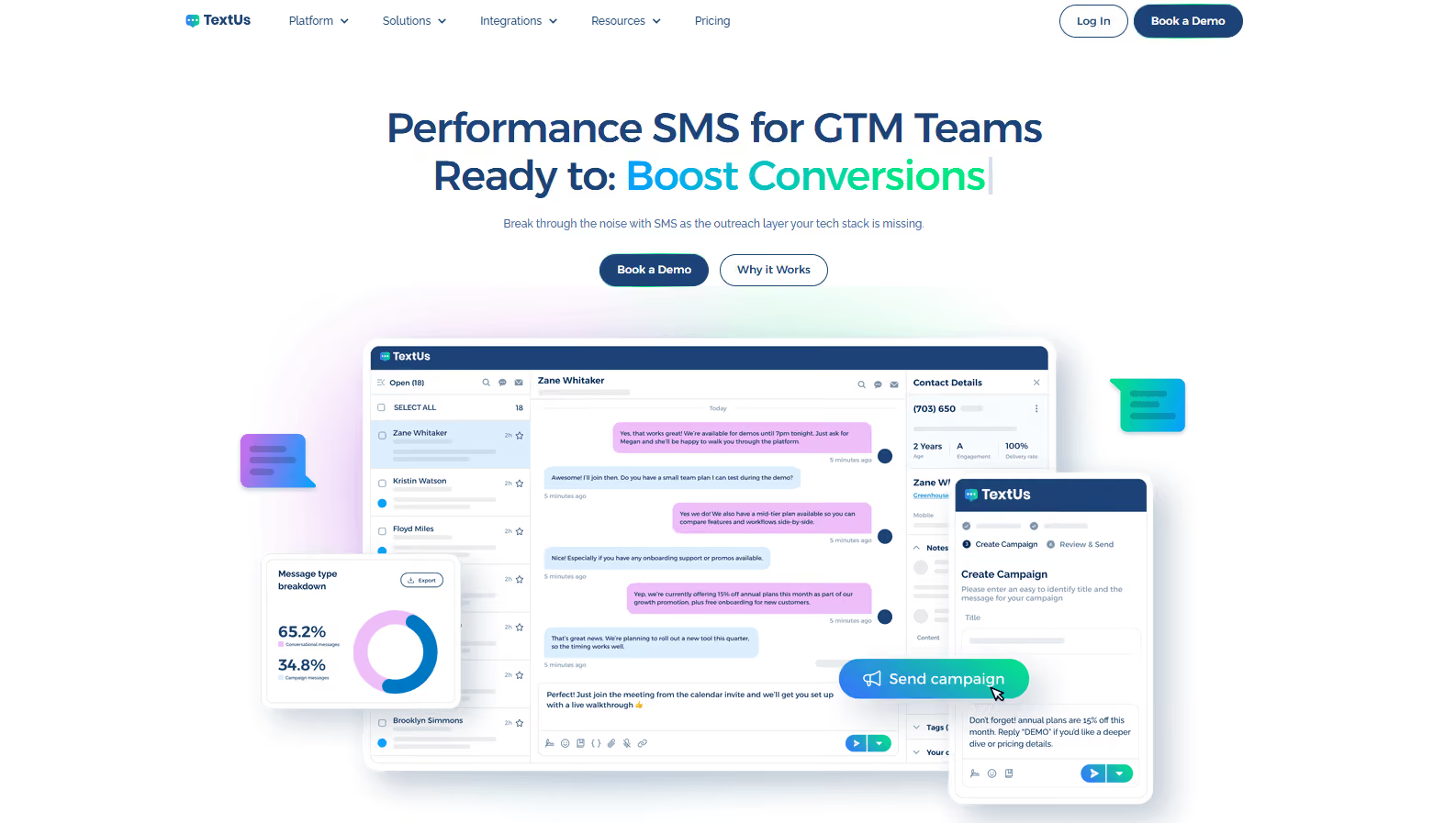
When you integrate TextUs, your team can respond instantly, automate initial outreach, and maintain meaningful conversations.
This creates a strong first impression and improves your chances of moving leads into the next stage. Book a demo with TextUs today!
Use Multiple Communication Channels
Response patterns can vary across different campaigns and touchpoints. Some respond faster to email, others are more likely to engage through a quick text or a phone call.
A multi-channel approach improves the chances of connecting with leads at the right moment in their decision-making process.
A brief text receives faster replies than an email and creates a more natural first contact. It’s also ideal for acknowledging a new inquiry, confirming interest, or setting up a meeting.
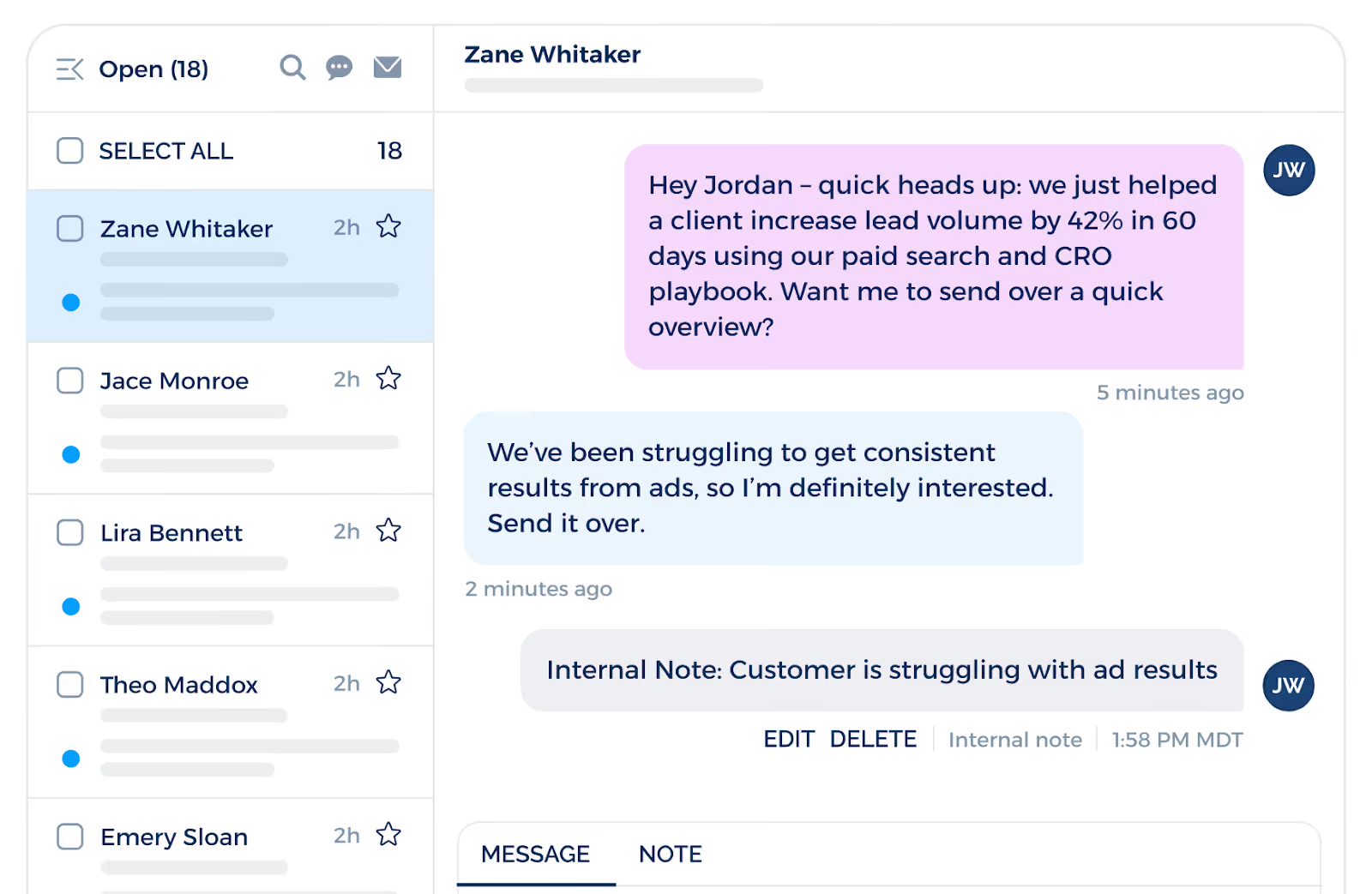
Leads are far more likely to respond when communication feels easy and accessible.
When paired with follow-up emails and occasional calls, text messaging becomes a core part of a balanced communication strategy.
Route and Prioritize Leads Based on Context
Not every lead requires the same response path. Your lead source and available enrichment data can help determine who receives the lead and how fast follow-up needs to happen.
The routing process may assign high-intent leads to a specialized team or use round-robin distribution when several sales reps can handle the same inquiry. This reduces assignment delays and keeps new opportunities from sitting untouched.
TextUs supports smarter prioritization through AI-powered contact intelligence. It scores each contact based on engagement and categorizes them as Cold, Warm, or Hot.
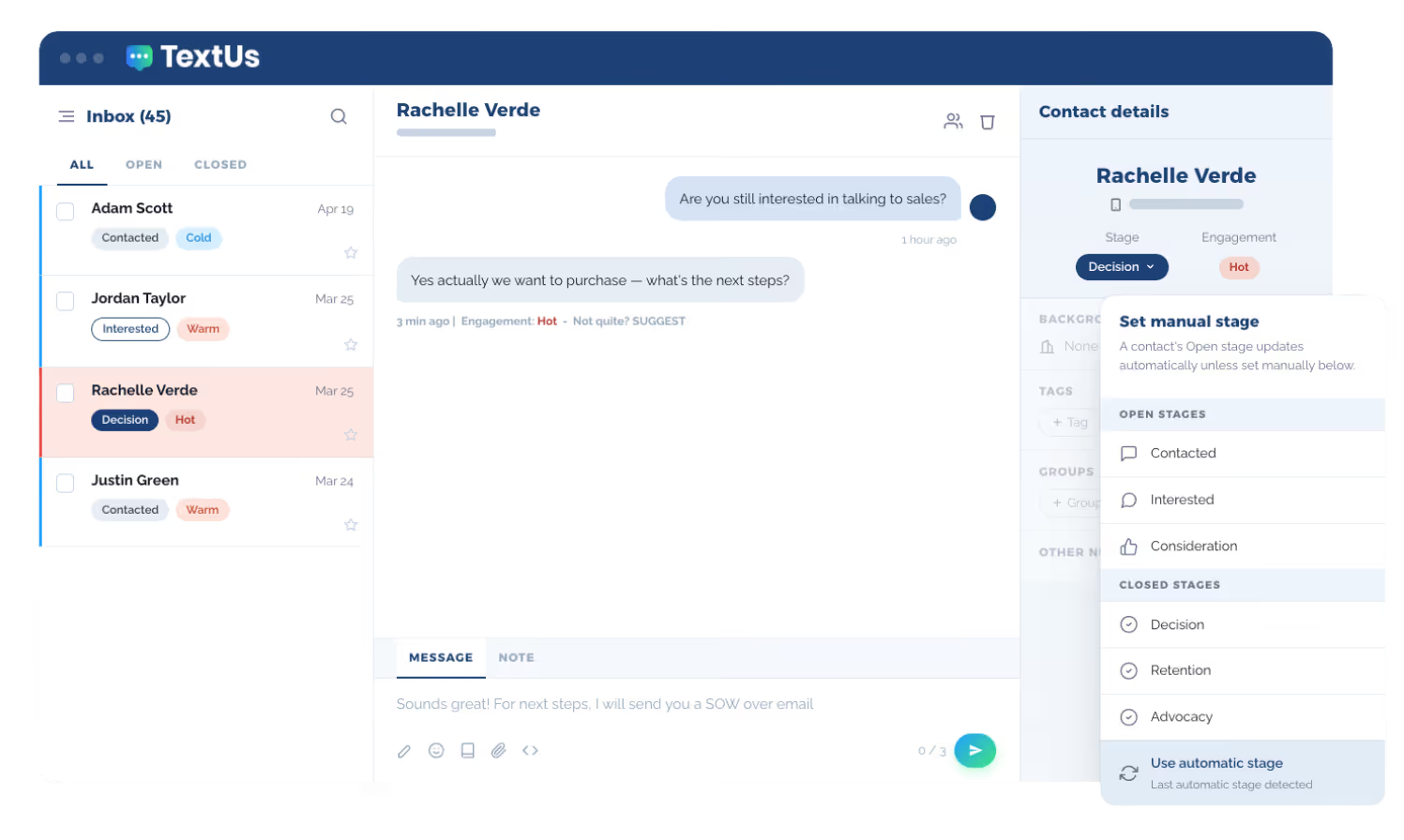
It also tracks where each contact sits in the relationship funnel without requiring manual tags. These signals help your team focus on high-priority leads first while keeping lower-engagement contacts visible for future follow-up.
Use Automation Without Losing the Human Touch
The more you automate your lead response process, the more efficient and consistent your sales pipeline becomes.
Automation speeds up lead response time and keeps follow-up consistent, from the moment a lead enters your system to the point of qualification and handoff.
You can automate key areas, including lead capture forms, data enrichment, scoring, assignment, email sequences, meeting scheduling, and pipeline updates.
Still, effective lead engagement requires authenticity and relevance. Every automated message should be tied to specific lead behavior or context.
You can use personalization tags, thoughtful timing, and tailored messaging to make automated outreach feel like a natural extension of a real conversation.
SMS automation boosts this strategy by making engagement immediate and intent-driven. TextUs offers features like custom SMS keywords that allow you to trigger automatic responses when a prospect texts.
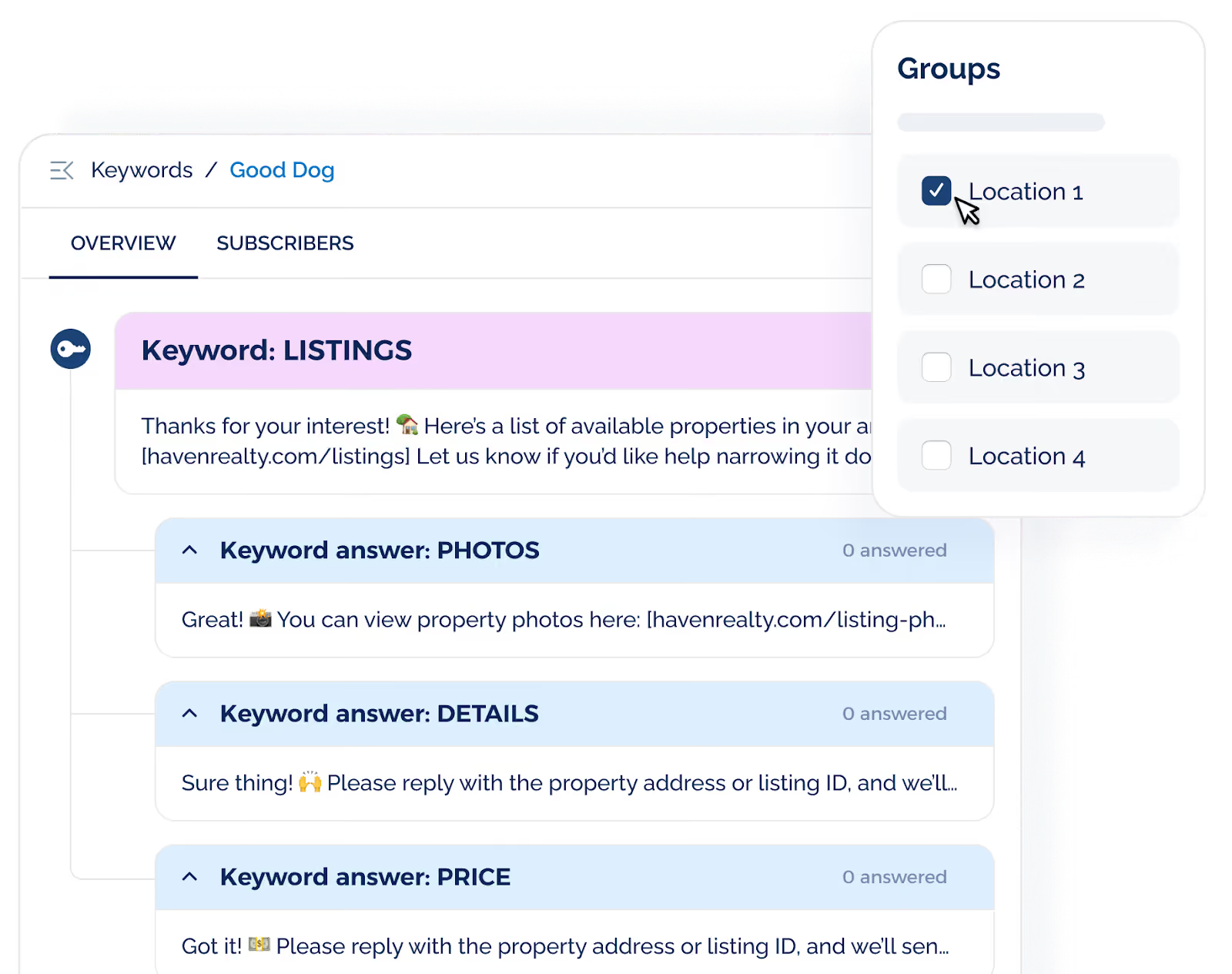
By automating repetitive steps within revenue operations, your team can focus on relationship-building and closing deals.
You can also use automated sequences to build personalized SMS marketing campaigns that nurture warm leads over time.
Be Persistent in Your Follow-Up
Many leads don’t convert within the first few hours after outreach. When you stay persistent, it gives your team more opportunities to reconnect when the lead is ready.
Effective follow-up requires a thoughtful sequence of outreach across different channels, spaced appropriately to maintain interest without overwhelming the lead.
Follow-up efforts can include value-driven emails, personalized voicemails, calendar invitations, and content that speaks to the lead’s pain points or buying stage.
SMS can also support your follow-up efforts as a convenient, real-time way to reconnect with leads who haven’t responded through other channels.
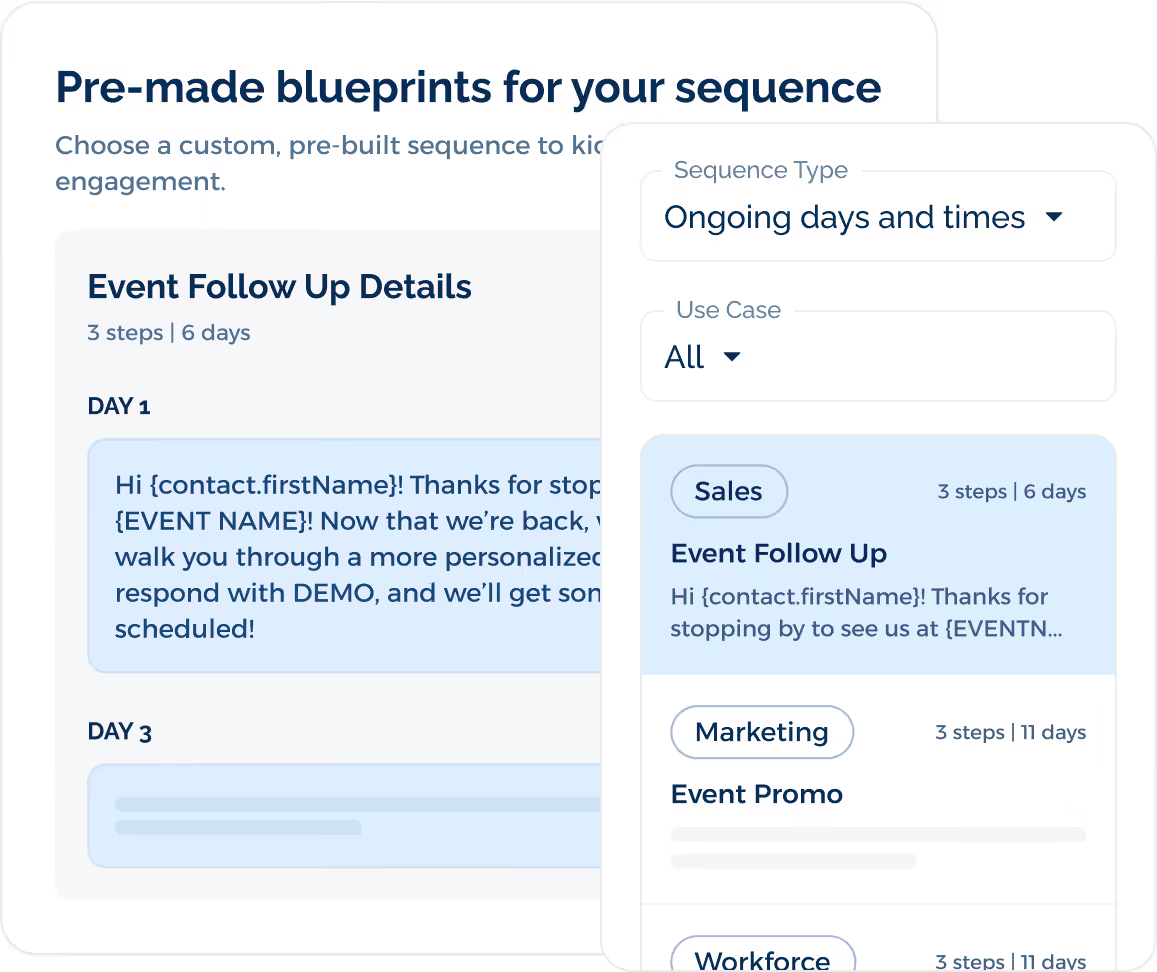
TextUs lets you set up a drip campaign over several days or weeks based on where the lead is in the funnel.
You can start with a thank-you message after a form submission and follow up with a product benefit two days later. Then send a brief prompt asking whether they’re ready to schedule your first call.
Get More From Every Lead and Start Texting With TextUs
If your team is missing leads because of slow follow-up, lead aging, or scattered communication, you’re losing real opportunities.
TextUs helps you take control of your lead response process with instant, personalized text messaging.
Instead of chasing replies or hoping an email gets opened, your team can engage in real conversations the moment a lead shows interest.
TextUs brings automation, tracking, CRM integration, and built-in compliance tools in one platform. It keeps your sales process organized, supports responsible outreach, and helps you stay focused on the right opportunities.
Book a demo today and see how faster, smarter communication helps you close more deals and support business growth!
FAQs About Lead Response Management
What’s the ideal tool stack for lead response?
A strong lead response stack includes a CRM, automation tools, and a real-time communication platform. Together, they help you track leads, assign follow-ups, and respond faster.
Texting is faster than email and more convenient than a phone call for many prospects. TextUs makes it easy to start conversations, personalize outreach, and manage replies in one platform.
How to determine if your lead management process is effective?
You can measure response times, follow-up consistency, conversion rates, and how many leads progress through the pipeline. Also, compare performance by lead type to identify where prospects lose interest.
These metrics show whether your response process contributes to stronger sales success rather than just generating more activity.
How fast should you respond to a new lead?
The first five minutes are ideal. That’s the standard for top-performing teams and a proven way to increase conversion rates.
Leads are most receptive during that brief window after submitting a form or showing interest. Waiting even 15 to 30 minutes can lower the chances of a meaningful interaction.
Continue Reading



Frequently Asked Questions
Business Texting
Built for Results
Create and convert pipeline at scale through industry leading SMS software