
12 SaaS Marketing Best Practices for Long-Term Retention
Explore 12 SaaS marketing best practices you can employ and improve your long-term retention. Discover how TextUs can help with SMS communication.

Written by
Adam Hamdan
Published
February 9, 2026

SaaS customers sign up for trials, book demos, and compare tools in a short span of time. The way you guide them through those early steps decides what happens next.
SaaS businesses that lead in this space rely on a mix of outreach, consistent follow-up, and helpful content. They focus on showing value early and staying present throughout the full cycle.
In this article, we will explore 12 effective marketing strategies that support SaaS growth. You’ll find strategies that bring in leads, improve onboarding, reduce drop-off, and keep users coming back.
If you’re building your system from scratch or refining what you already have, these ideas are built to work with how people move through your product.
TL;DR
- SaaS marketing best practices focus on retention and lifecycle growth, starting with real-time SMS engagement, lifecycle email marketing, and founder-led/team-driven content to activate users early.
- Acquire demand using PPC campaigns, social media targeting, and retargeting, reaching both high-intent buyers and early-stage prospects across search and social platforms.
- Build trust and influence decisions through SaaS review sites, influencer and affiliate partnerships, and authentic customer proof during the evaluation stage.
- Drive long-term, compounding growth with SEO and AI-supported content marketing that solves real problems and aligns with buyer search intent.
- Convert and retain more users by leveraging live events, account-based marketing, and continuous conversion optimization across sign-ups, pricing, in-app upgrades, and renewals.
1. Use SMS for Real-Time Engagement
People check their phones frequently during the day, and most texts are read within minutes. That’s a major reason why business texting works well in SaaS.
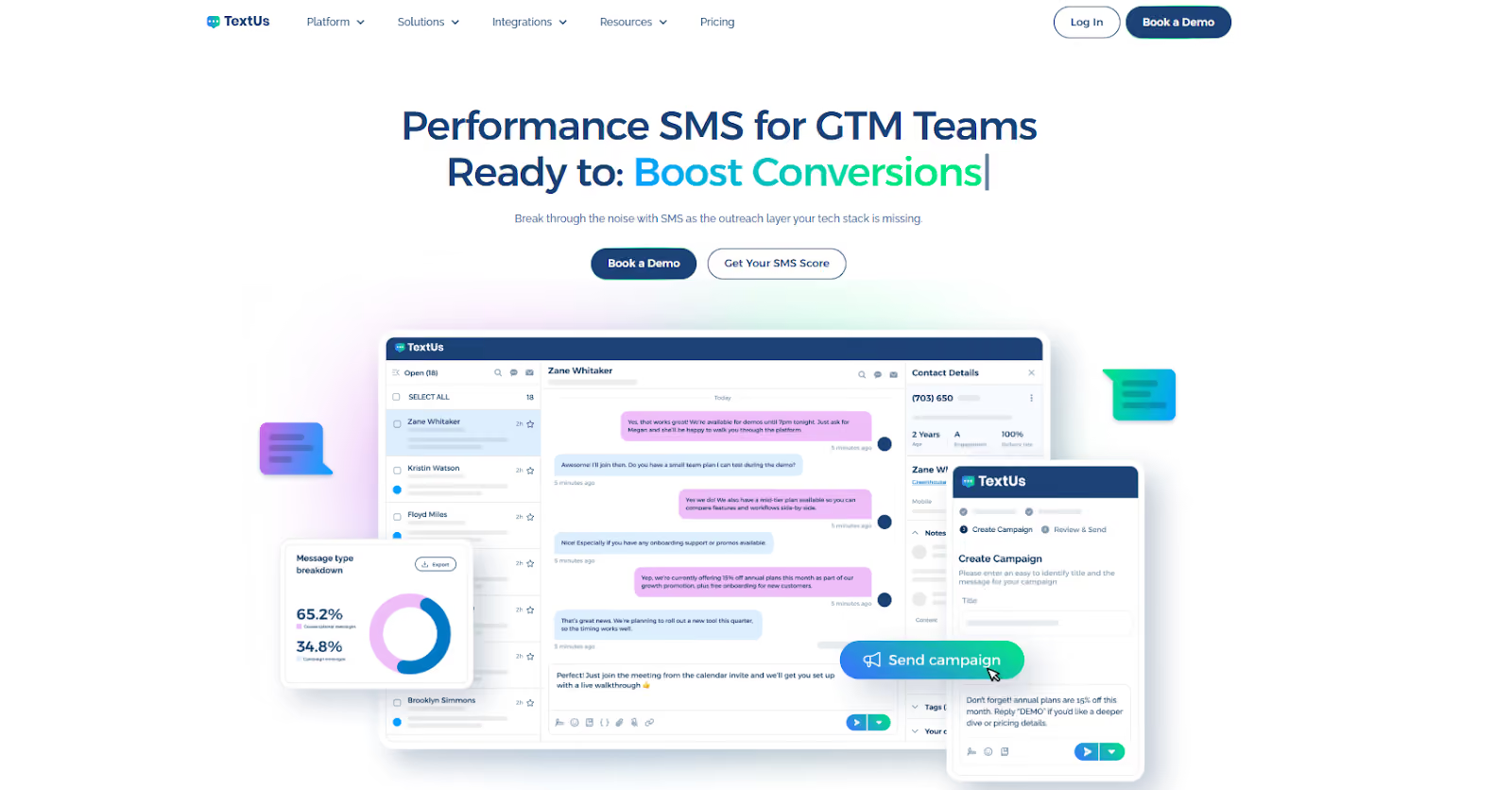
If someone signs up for a free trial but doesn’t take the next step, a text message can remind them to log in or book a call.
That quick SMS prompt can bring them back before they lose interest. It also reduces customer acquisition cost (CAC) by reviving missed opportunities.
If you launch a new feature or improve a part of your platform, you can share a branded link through SMS. It helps people act right away instead of waiting until they see your next newsletter or ad.
SMS marketing also supports stronger customer retention once someone becomes active. Before a subscription renews, you can send a quick message to remind them or offer support. Even a short check-in after a support case shows that your team cares.
To make the most of SMS, it helps to connect it with your other tools. When your customer relationship management (CRM) system knows where someone is in their trial or billing cycle, your messages can be timed to match.
TextUs is an SMS marketing platform that provides your SaaS marketing team with a full view of text conversations.
They can reply in real time and make it easy to set up follow-ups. You can also create message templates, schedule reminders, and connect TextUs with tools like Salesforce or HubSpot.
If your team is still relying on email alone or slow follow-ups, SMS can fill the gaps. Book a demo with TextUs to see how texting can help your SaaS grow!
2. Send Emails That Support the Full Lifecycle
Email marketing keeps you in contact with users through every stage, from first sign-up to renewal. For SaaS companies, email supports consistent communication during onboarding, feature adoption, and renewal cycles.
After a user signs up, email is commonly the first touchpoint. A welcome email sets the tone, helps them get started, and shows them what to expect.
If they don’t take the next step, like setting up their account or exploring a key feature, a follow-up email can walk them through it.
As the user settles in, email marketing automation keeps them active. You can send updates, tips, and use cases based on what they’ve already done. If someone skips a feature that could help them, a short message with a real example can bring them back.
Later in the cycle, email keeps users around. If someone’s plan is ending soon, you can give them a heads-up. Letting someone know their plan is about to expire also creates space for questions or plan changes.
SMS is also an ideal companion to email. If a user hasn’t opened an onboarding message or is mid-trial with no activity, a conversational SMS can serve as a timely nudge.
If you already use a tool like ActiveCampaign, you can build smart flows that send based on what users do in the app. These systems help your team stay one step ahead without writing each message individually.
3. Share Insights Through Founder and Team Voices
The growth for SaaS startups doesn’t come from big paid advertising or complex funnels. It comes from the people behind the product: the founder, early team members, and anyone close to customers.
Sharing stories, insights, and product updates through personal posts or videos builds interest fast. A founder explaining how the product solves a problem appeals to people in a more honest and relatable way.
Team-driven marketing works because people want to hear from other people. When someone from the success team shares tips on LinkedIn or the CTO walks through a new feature on a short video, it feels like advice rather than a promotion.
The best part is that most of this can be done without a big marketing budget. You can post on your personal LinkedIn, share quick thoughts on X (Twitter), or join niche groups where your users spend time.
This approach works with early product launches, beta programs, and customer onboarding. Instead of a plain mass SMS sent to thousands, you get pockets of honest feedback and strong customer insights.
4. Run PPC Campaigns That Target Buyer Intent
Pay-per-click (PPC) campaigns bring in leads quickly when done with the right setup. Instead of waiting for organic traffic to grow, you can target buyers who are already searching for a SaaS solution.
The best campaigns start with strong intent. If someone searches for “[your category] software” or compares two competitors, they’re already close to making a decision. You can show your product at that point to provide a real shot at getting the click.
Search platforms like Google Ads let you target keywords based on user intent. You can also create custom landing pages that speak to the exact topic someone searched for, which is a common tactic in SaaS growth marketing.
Not every visitor signs up on the first visit. But you can display social ads to bring people back after they leave your site. These ads don’t need to sell but rather to remind and guide them further down the sales funnel.
PPC also gives you room to test. You can run an A/B test using different ad copy, landing page optimization strategies, or call to actions (CTAs) and see results within days. These insights help shape the rest of your marketing efforts, even beyond paid traffic.
5. Retarget Users on Social Media Platforms
While search ads reach people looking for a tool, social media marketing can grab attention earlier. During a scroll, in the middle of a post feed, or while checking updates from others in their field.
LinkedIn is the top choice for B2B SaaS marketing. You can target by job title, company size, industry, and even skills. This makes it easier to get in front of the people who choose, use, or influence software decisions.
Facebook and Instagram also offer strong targeting for small business tools or products with a wider appeal. The creative format matters more here. Eye-catching visuals, short captions, and quick product highlights perform better than long-form text.
Retargeting adds a second chance. When someone visits your site, signs up for a webinar, or views a demo page but doesn’t act, your SaaS marketers can bring them back with a short reminder ad. The goal is to stay visible without being pushy.
6. Strengthen Presence on SaaS Review Sites
Buyers turn to review sites before they ever visit your homepage. Sites like G2, Capterra, and TrustRadius serve as the first stop for teams comparing tools, reviewing features, and reading user feedback.
Most users on these platforms are already deep into research. They’ve likely narrowed down their options and are weighing the pros and cons. That makes these visits more valuable than cold traffic.
If your profile looks complete, includes helpful details, and has fresh reviews, you stand out from competitors who treat these listings like an afterthought.
Positive customer testimonials also help build trust when they highlight outcomes that connect to customer lifetime value.
Start by filling out every section of your listing. Add product descriptions, screenshots, feature highlights, and pricing breakdowns. These details can influence customer acquisition by giving buyers the clarity they need to take the next step.
Reviews also carry the most weight. You can reach out to existing customers and request reviews based on their experience. An honest review that explains how your SaaS product solved a problem is worth far more than a vague five-star rating with no context.
7. Build Reach With Influencer and Affiliate Partners
People trust people. That’s why influencer and affiliate marketing work is effective when it comes from creators, advisors, or experts who already have the ear of your target audience.
Influencer marketing in SaaS looks different from what you see in consumer brands. Instead of hype or flash, it's driven by value.
Think product reviews on YouTube, in-depth comparison threads on LinkedIn, or casual breakdowns during a live webinar. These creators already speak the language your buyers understand.
The goal is to work with people who already engage with your type of buyer. This could be someone who runs a newsletter for sales teams, speaks at marketing events, or leads a tight-knit Slack group for SaaS operators.
Affiliate marketing follows a similar idea but is tied to sign-ups or revenue. Partners get a custom link and earn a reward when someone signs up or becomes a customer.
If your product solves a problem and partners know who it helps, they’ll have good reasons to promote it. You can share useful assets like screenshots, email copy, or demo videos so partners can talk about your product without starting from scratch.
8. Create Content That Solves Real Problems
Content doesn’t bring results overnight. But when done strategically, it drives traffic and answers the questions your users are already asking. The best part is that it keeps working long after you hit publish.
Start by thinking about what your users search for. They’re not always looking for your brand. Most of the time, they’re trying to solve a problem, such as managing customer onboarding or comparing tools.
Content marketing strategy also gives you room to speak to different stages of the customer journey. Some readers are just getting started and want to learn. Others already know what they need and just want to see how your product fits.
Writing for both is important. You can mix high-level guides with practical walkthroughs, use-case stories, and feature breakdowns. That way, you create content that speaks to what your audience needs.
Over time, SaaS content marketing supports other areas of business growth. Sales teams can send blog posts to leads to shorten the saas sales cycle. Customer success teams can also link to how-to content when retaining customers or guiding new users.
You also need to maintain consistency by keeping your top pages fresh, checking that links still work, and updating product info when things change. A post from last year might still rank, but only if it feels current when someone reads it.
9. Connect With Prospects Through Live Events
Events create space for real connection. Whether online or face-to-face, they give you the chance to talk with users, answer questions, and show your product in action.
Trust plays a big part in the buying process. That kind of contact can move things forward faster than any ad or email.
You can host a live demo, panel, or product update and reach hundreds of people without needing a venue or travel. These sessions bring people together with a shared goal and allow your team to engage on multiple marketing channels.
In-person events create stronger bonds. Meeting face-to-face leaves a lasting impression with high-value accounts or long-term users. This could be a roundtable, a booth at an industry event, or a customer meetup in your top market.
SMS for event marketers also makes your outreach precise and on time. A quick message the day before the event boosts attendance and keeps customers engaged.
Event marketing also supports annual recurring revenue by bringing in qualified leads who are more likely to convert. When paired with referral marketing or follow-up content, events can spark lasting value and reduce customer churn.
10. Focus Outreach With Account-Based Marketing
Rather than chasing clicks from anyone who might be interested, you choose a list of high-value accounts and build outreach around them.
The first step is picking the right accounts. These customer segments could match your ideal customer profile, already use a related tool, or have shown interest in your space.
Once you know who you’re targeting, the next step is understanding what problems they face and how your product fits into their plans.
Marketing and sales teams need to work together. While sales reaches out directly, marketing supports those efforts with content, ads, and events built around the same accounts.
Personalization is key. This doesn’t just mean adding a name to a message. It means shaping your outreach around what’s happening inside that company.
A landing page with content for a certain industry or a short video walking through the product with that company’s use case in mind can move conversations forward.
11. Plan Smarter With SEO and AI Tools
Search engine optimization (SEO) supports long-term traffic growth by helping your content match what users are actively searching for.
You have to go beyond broad terms and focus on real phrases buyers type when they’re close to making a choice. These can be things like “best onboarding software for HR teams.”
You can use artificial intelligence (AI) to target relevant keywords, write first drafts, and build outlines based on what’s already working. You also need to add voice, examples, and context that align with your business objectives.
Structure is also essential in SEO strategy. You have to use headers that reflect how people ask questions, keep paragraphs short, and lead with value. Search engines notice when people stay on the page, and clean formatting helps with that, boosting your SEO efforts.
It’s also smart to build pages for each key part of your product. One page can cover scheduling features, while another can focus on integrations. People can explore the entire customer lifecycle through content that matches their level of interest or need.
12. Improve Conversions at Every Stage
Traffic alone doesn’t drive growth. The way your site and product guide users from interest to action has a direct impact on sign-ups, upgrades, and retention.
The homepage introduces your product. A strong headline shows who the product is built for and what result it supports. Clear messaging supports the flow of inbound marketing and helps users know what to do next.
If you want to move users from free to paying customers, your pricing page should provide structure for decision-making. Each plan has to show what’s included without long descriptions or hidden fees.
Trial sign-up forms are one of the most common drop-off points. Long forms increase hesitation when users aren’t yet invested. You have to keep the form short by only adding the name, work email, and password.
In-app upgrade prompts connect behavior with opportunity. These messages should appear only when a user has done something that suggests interest in a paid feature or higher usage tier.
For example, if someone hits a limit on contacts or sends their first campaign in a freemium plan, show a message that explains the benefit of upgrading based on that action. These prompts should appear in context, not in a pop-up that interrupts unrelated work.
Keep Leads Active From First Click to Sign-Up With TextUs
When a lead signs up or interacts with your site, waiting too long to respond can stall your progress. TextUs keeps your team close to the moment, where interest is fresh, and users are ready to act.
Sales teams reach out right after meetings through real conversations instead of cold email threads. Customer success teams stay active during trials, checking in before users lose focus.
Marketing teams also support launches, events, and renewal cycles by sending short messages that match user behavior.
Unlike traditional marketing methods that rely on long lead times and batch messaging, SMS keeps communication agile and personal. All communication stays in sync with your existing platforms to keep your systems and team aligned.
If you're working on improving conversion rates or creating faster user touchpoints, TextUs is built to support each of those goals.
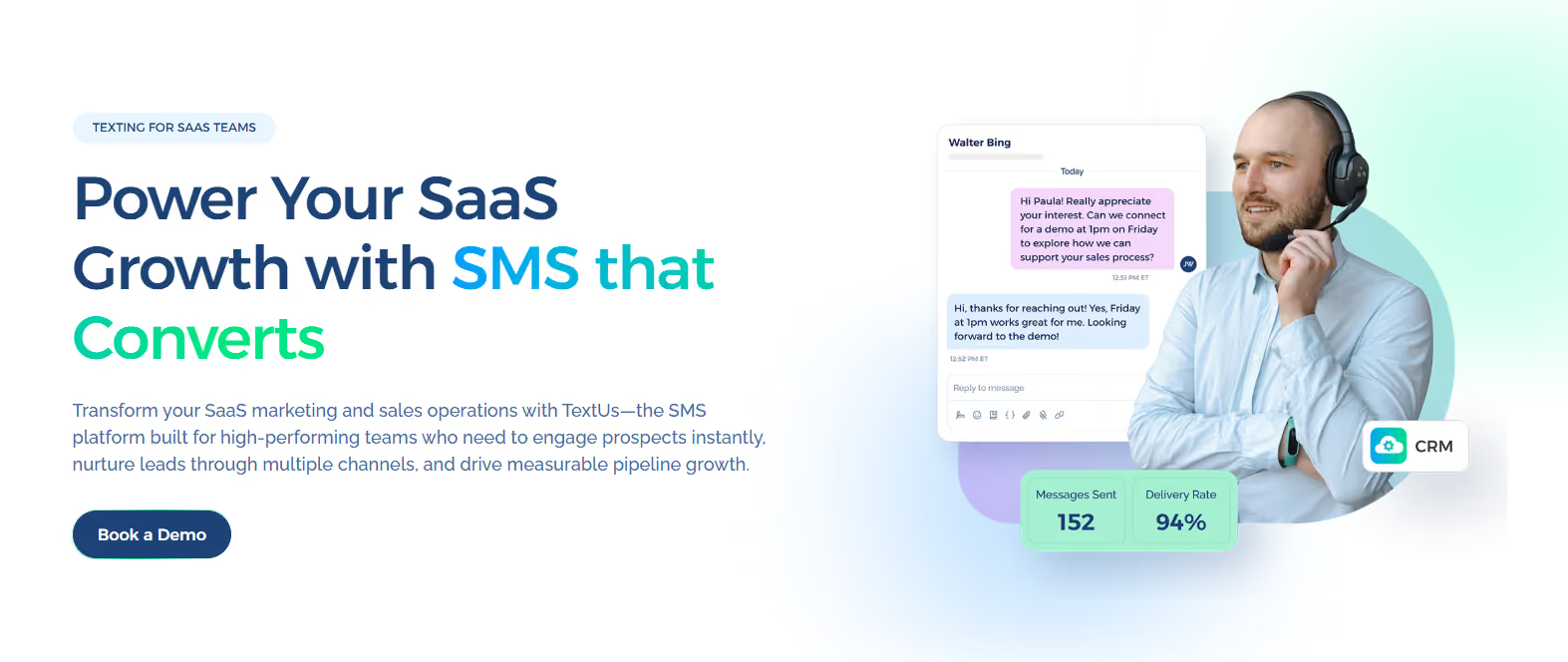
Book a demo with TextUs and see how business texting can help your SaaS grow smarter and move faster!
FAQs About SaaS Marketing Best Practices
What is the SaaS marketing strategy?
What makes SaaS marketing more strategic than product marketing is that it keeps users active and supported, from trial to upgrade to renewal.
SaaS marketing focuses on attracting users, supporting them through onboarding, and keeping them engaged over time.
Because SaaS operates on a subscription model, the goal isn’t just acquisition but also long-term retention and recurring revenue. A typical SaaS marketing plan includes channels such as email, SEO, paid advertising, business text messaging, and in-app messages.
What is the 3-3-3 rule in marketing?
The 3-3-3 rule is a simple guide used in email and messaging strategy. It suggests that you have about 3 seconds to grab attention, 3 lines to spread your message, and 3 words to explain what the user should do next.
This applies in SaaS, where attention spans are short. It's useful when writing for social media platforms or SMS campaigns that rely on tight formatting and quick decisions.
What is the rule of 40 in SaaS?
The rule of 40 is a way to balance growth and profit. It says that if you add your growth rate and profit margin, the total should be 40 or more.
For example, if your company grows by 30% and has a profit margin of 10%, you’re on track. This rule helps you judge health and long-term value, even when early stages are focused more on scale than margin.
What are the five Ps of marketing strategy?
The five Ps are Product, Price, Place, Promotion, and People. In SaaS, this means:
- Product: Your platform or app and how it solves a real problem
- Price: Your pricing model, such as monthly plans or usage-based tiers
- Place: Where users find and access your product
- Promotion: How you bring in potential customers
- People: The team that supports your users
Together, these areas shape how you attract users while keeping customer acquisition cost in check and building a system that expands over time.
Continue Reading



Frequently Asked Questions
What are the most important SaaS marketing best practices?
Top SaaS marketing best practices include optimizing for trial-to-paid conversion, investing in onboarding content, using behavioral triggers for personalized outreach, and measuring retention metrics alongside acquisition metrics.
How do SaaS companies improve customer retention through marketing?
Retention-focused SaaS marketing includes proactive success communication, feature education campaigns, loyalty offers, and re-engagement flows for users showing signs of disengagement. Prevention is far more cost-effective than winning back churned customers.
Why is personalization important in SaaS marketing?
SaaS buyers expect marketing that speaks to their specific use case, industry, and role. Generic messaging leads to low engagement and poor trial conversion. Personalization — driven by behavioral data and segmentation — creates relevance that converts and retains.
Business Texting
Built for Results
Create and convert pipeline at scale through industry leading SMS software