
How to Recruit for Hard-to-Fill Roles: 15 Proven Strategies
Struggling to fill vacancies? Learn how to recruit for hard-to-fill roles, reach qualified talent, and improve follow-ups with TextUs.

Written by
Adam Hamdan
Published
November 23, 2026

The right candidate for your toughest vacancy might not even be looking for a new job. They could work for a competitor, belong to a specialized network, or be someone you've contacted before.
The challenge is reaching these professionals and giving them a reason to consider your opportunity.
Following the same recruitment strategies as most companies may not reach the right candidates. Combine targeted sourcing channels, competitive offers, and personalized outreach.
In this article, you'll learn how to recruit for hard-to-fill roles. You'll discover how to expand talent search, improve candidate communication, and measure the success of your hiring efforts.
TL;DR
- Hard-to-fill roles often result from limited qualified talent, high competition, unrealistic job requirements, uncompetitive pay, location restrictions, and lengthy hiring processes.
- Identify hiring barriers, prioritize required skills, research talent availability, and improve job descriptions and compensation.
- Expand sourcing through niche boards and professional networks, reconnect with past applicants, encourage employee referrals, develop internal talent, build candidate pipelines, and simplify applications.
- Track time to fill, qualified candidates per source, response rates, screening-to-interview rates, and candidate drop-offs. Monitor interview-to-offer ratios, offer acceptance rates, and cost per hire.
- TextUs supports hard-to-fill recruitment with targeted SMS campaigns, automated follow-ups, two-way messaging, and campaign reporting to reach qualified candidates and track outreach results.
What Makes a Position Hard to Fill?
You post a job opening, review applications, and contact potential candidates. Yet weeks pass without finding someone who meets the requirements.
Some applicants lack the experience you need, while qualified professionals either decline the opportunity or stop responding.
This is a common challenge in talent acquisition. In fact, SHRM's 2026 Talent Trends report found that 68% of HR professionals reported difficulty recruiting for full-time positions.
Several factors can make a position difficult to fill:
- Limited qualified talent: Some roles require specialized skills, certifications, or industry experience that few available candidates possess.
- High competition for the best talent: Multiple employers competing for qualified professionals.
- Unrealistic job requirements: Excessive qualifications and preferences that exclude otherwise capable applicants.
- Uncompetitive compensation: Salary, benefits, or career opportunities that fall short of competing offers.
- Location and schedule restrictions: On-site requirements, irregular shifts, frequent travel, or limited flexibility.
- Limited job visibility: Job postings that fail to reach qualified professionals, especially those not seeking a new role.
- Lengthy hiring timelines: Excessive interview rounds, slow feedback, and delayed hiring decisions.
- Weak employer reputation: Negative employee reviews, limited career development, or concerns about workplace conditions.
These challenges may occur at different stages of recruitment. The first step is to identify what's preventing qualified candidates from applying, responding, or accepting an offer.
How to Recruit for Hard-to-Fill Roles: 15 Effective Strategies
Hard-to-fill positions require a more focused recruitment strategy, especially when your usual methods aren't producing enough qualified candidates.
Here are 15 practical strategies to help you reach the right people and fill difficult vacancies.
1. Improve Candidate Communication
A qualified applicant meets the requirements for a hard-to-fill position. But your calls go unanswered, and emails receive no replies.
By the time you reconnect, the candidate may have accepted another offer or lost interest in the opportunity.
Text marketing lets you reach top candidates through short, personalized texts. You can text candidates to confirm interest, check availability, schedule interviews, and answer questions without lengthy exchanges.
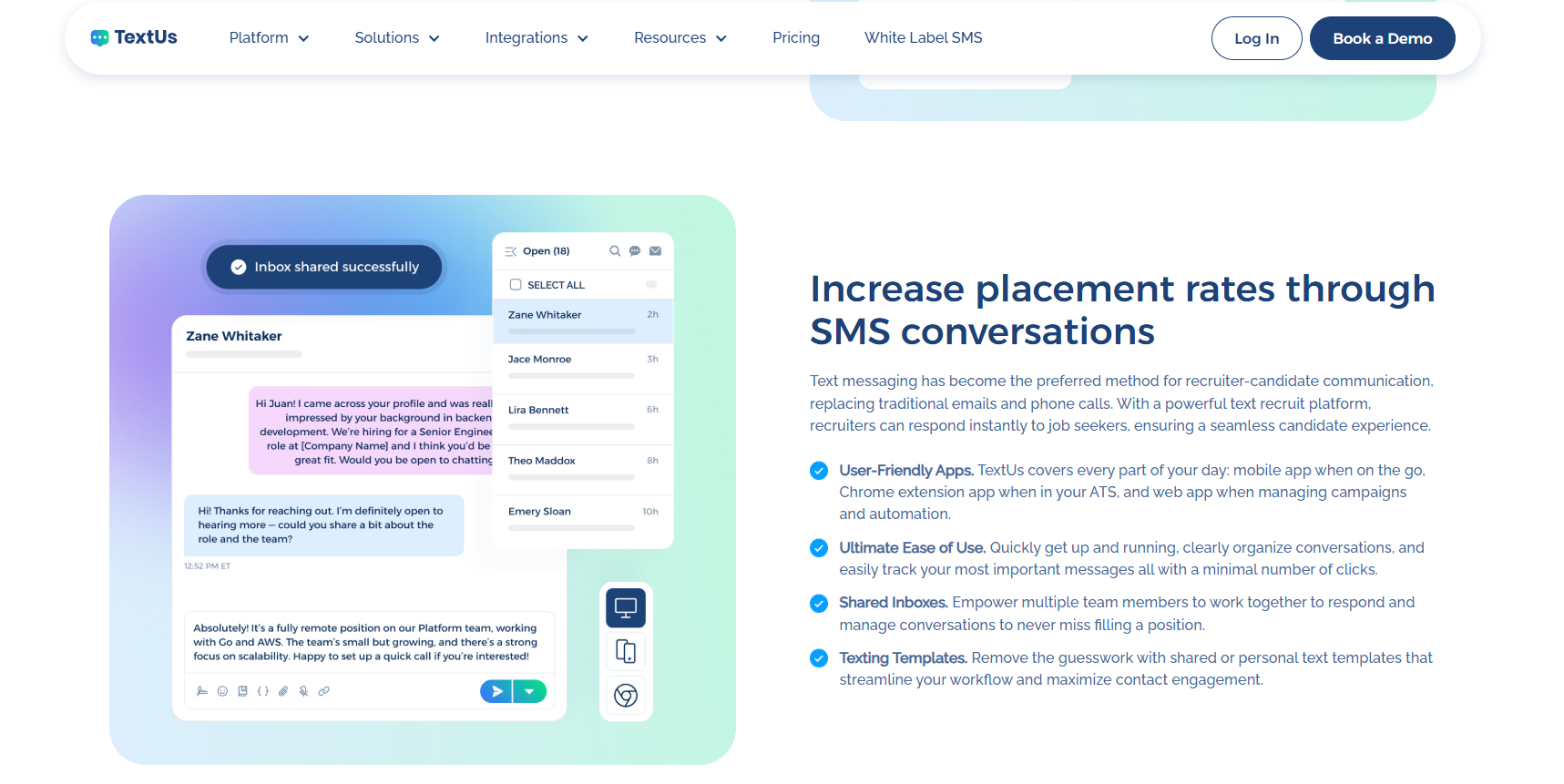
TextUs provides text recruiting software built for staffing agencies that need faster candidate responses and consistent follow-ups.
Its campaign features allow you to send targeted job opportunities to specific candidate groups, while sequences automate follow-up messages to maintain contact with interested applicants.
With two-way texting and a shared inbox, you manage incoming replies, assign conversations, and access previous messages for a more personalized candidate experience.
It also integrates with supported recruiting systems, so communication records stay connected to candidate profiles in your applicant tracking system (ATS).
When qualified candidates have multiple opportunities to consider, consistent communication helps you build relationships and maintain their interest in your vacancy.
Book a demo with TextUs today to see how real-time candidate conversations support faster recruitment and more successful placements!
2. Identify Barriers to Filling Open Positions
A position that remains vacant for weeks doesn't always mean qualified candidates are unavailable. You need to review each stage of your recruiting process to identify where the problem occurs.
Few applications may indicate limited job visibility, while a high application volume with poor candidate quality could point to unrealistic requirements or ineffective sourcing methods.
Interview feedback, candidate response rates, and declined offers can reveal where interest starts to drop.
For example, if qualified applicants withdraw after learning the salary range, compensation may be the main obstacle rather than a talent shortage.
Once the issue is identified, discuss the findings with hiring managers and adjust the specific parts of your recruitment strategy that need improvement.
3. Define Role Requirements With Hiring Managers
You may spend weeks searching for someone who meets every qualification, only to find that the hiring manager has different priorities.
Changes in expectations halfway through a search can eliminate suitable applicants and extend the vacancy.
Before sourcing begins, discuss what the new hire needs to accomplish in the first 30, 60, and 90 days. Separate required qualifications, such as required certifications or technical expertise, from preferred skills that candidates could develop after joining.
You need to establish expectations around experience, responsibilities, salary range, work arrangements, and hiring timelines. For specialized positions, candidate personas help define the qualifications and backgrounds that align with the role.
4. Prioritize Essential Skills Over Ideal Qualifications
Strict job requirements may exclude capable candidates who don't meet every preferred qualification.
Decide how applicants will demonstrate each required skill. Use relevant tasks or work samples, and identify which gaps can be addressed through training.
A skills-based hiring approach focuses on what applicants know and what they have accomplished. Practical skills assessments, work samples, and hands-on experience offer a more accurate picture of their abilities than resumes alone.
For example, a maintenance technician from adjacent industries may have the same troubleshooting and equipment repair skills required for a specialized manufacturing role.
This approach expands your candidate pool without compromising the qualifications required for the job.
5. Research Talent Availability Before Candidate Sourcing
Some positions remain vacant because there are fewer qualified professionals in your target location than expected.
Before sourcing candidates, review labor market data, salary benchmarks, and similar job listings to understand the available talent pool.
You may look at where qualified professionals work, what competing employers offer, and which locations have a higher concentration of relevant skills.
This research also reveals whether your hiring requirements are realistic in a competitive talent market.
For example, a specialized technical role may attract more qualified applicants if remote work, relocation assistance, or flexible schedules are available.
6. Write Job Descriptions That Attract Candidates
Vague responsibilities, lengthy requirements, and missing salary details leave candidates unsure whether the opportunity is worth pursuing.
You need to use a recognizable job title that job seekers would search for, then explain what the position involves. Include the main responsibilities, salary range, location, work arrangements, and schedule, so applicants have clear expectations before applying.
Also, separate essential qualifications from preferred experience, and avoid long lists of requirements that may discourage capable applicants.
Details about company culture, growth opportunities, and benefits strengthen your employer brand and give candidates reasons to consider the role.
7. Offer Competitive Pay and Flexible Arrangements
An offer that falls below industry standards may struggle to attract highly skilled workers, especially when competitors provide better compensation packages.
Salary benchmarks for similar roles, locations, and experience levels provide a starting point for discussions with hiring managers.
Beyond base pay, consider sign-on bonuses, shift differentials, retirement contributions, certification allowances, and other perks that make the offer more attractive.
Work environment and arrangements will likely influence a candidate's decision. For someone unable to accept the current schedule or location, flexibility can make all the difference.
8. Expand Candidate Searches Beyond Traditional Profiles
Some candidates have the experience you need but use different job titles or have worked in fields outside your initial search criteria.
You can expand your search terms to include related positions, alternative job titles, and comparable responsibilities.
For example, a company hiring a cybersecurity analyst might find suitable candidates among network security engineers or IT risk specialists.
Career changers and skilled workers from other fields offer another source of qualified applicants. Look at candidates with transferable expertise, relevant project experience, or backgrounds that differ from the traditional career path.
Broader search filters on LinkedIn and recruitment databases also help uncover these profiles. So, avoid restricting your search to candidates whose resumes match the job description word for word.
9. Reconnect With Previous Applicants and Employees
Instead of starting every difficult search from scratch, revisit people who have already expressed interest in your organization.
You can review past applicant records for finalists, previous interviewees, and candidates who declined earlier offers.
SMS recruiting is ideal for reconnecting with these contacts, provided they have consented to receive recruiting texts.
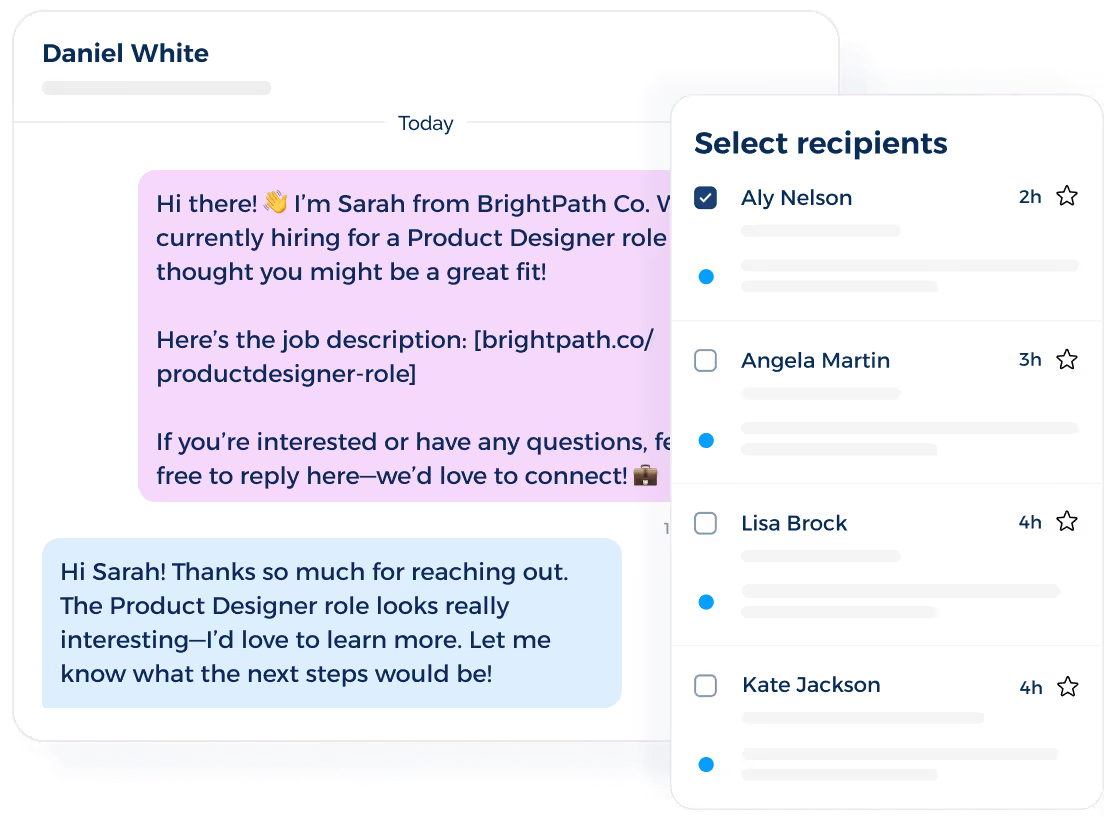
It lets you send personalized job alerts that reference their previous application, highlight the new opportunity, and ask whether they're interested or available.
Beyond immediate vacancies, candidate nurturing helps you maintain relationships with qualified professionals. You keep them informed about future hiring needs, even when they aren't ready to change jobs.
10. Use Niche Job Boards for Specialized Roles
General job boards attract hundreds of applications. But only a few candidates might have the qualifications required for a specialized position.
Niche job boards focus on specific industries, professions, and skill sets. Healthcare career sites, technology job boards, and skilled trade platforms connect employers with professionals whose backgrounds align with these positions.
You may choose sourcing channels based on where qualified professionals conduct their job search. Some niche platforms offer targeted ads to promote vacancies to professionals with relevant qualifications.
Compare applicant quality, interview rates, and hiring outcomes from each platform to determine which job boards bring in the most suitable candidates.
11. Build Connections Through Communities and Events
Not every qualified professional spends time browsing job openings. Some are more active in industry groups and communities where they exchange knowledge and connect with peers.
Professional associations, alumni networks, LinkedIn Groups, and specialized online forums offer access to people with relevant expertise.
Industry events, trade conferences, and specialized job fairs also create opportunities to meet professionals who may not be actively searching for another position.
Rather than approaching every conversation with a job pitch, you can ask about career interests, current responsibilities, and what would make a new opportunity attractive.
These connections don't always result in immediate applications. A brief follow-up after an event or an occasional update about suitable openings keeps your organization familiar to potential employees.
12. Encourage Referrals From Your Current Employees
Existing employees know qualified professionals who aren't visible through job boards or recruitment databases.
Employee referral programs encourage staff to recommend the best candidates from their networks. Provide a short description of the vacancy, essential qualifications, salary range, and application link so employees know who would be a suitable match.
You also need to regularly remind employees about priority vacancies through internal emails, team announcements, or company communication channels.
Referral bonuses or other incentives may encourage participation, especially for positions that have remained open for months.
13. Explore Internal Mobility and Employee Development
A hard-to-fill position doesn't always require an external hire. Current employees already have relevant experience, understand your operations, and possess many of the skills needed for the vacant role.
You can review internal candidates who have demonstrated potential for promotion or a move to another department. Internal job postings, performance reviews, and conversations with department managers can reveal employees whose qualifications match the position.
If your employees lack certain technical skills, you may consider mentorship, certification programs, or specialized training.
For example, an experienced maintenance technician might transition into a supervisory role after completing leadership and equipment management training.
Career development opportunities also improve employee satisfaction by showing them a path to advance within the organization.
14. Build Talent Pipelines for Future Vacancies
Some specialized positions take months to fill. A candidate pipeline allows you to identify potential candidates before the need to hire becomes urgent.
You need to establish partnerships with universities, vocational schools, training centers, and professional associations to connect with new talent.
Internship programs, apprenticeships, and certification courses also introduce your organization to people who are developing skills required for difficult positions.
A structured approach to talent pipeline development involves organizing prospective candidates by expertise, qualifications, career interests, and availability.
15. Simplify Applications and Candidate Screening Steps
Unnecessary requirements could cost you top talent who already have other opportunities.
The application process needs to focus on relevant details, such as experience, required certifications, location, and availability.
Mobile-friendly forms and a few role-specific screening questions allow you to assess qualifications without asking for excessive information upfront.
SMS keywords will simplify how candidates enter the recruitment process. With mobile recruiting, candidates can text a keyword like "APPLY" or "JOBS" to start an automated conversation.
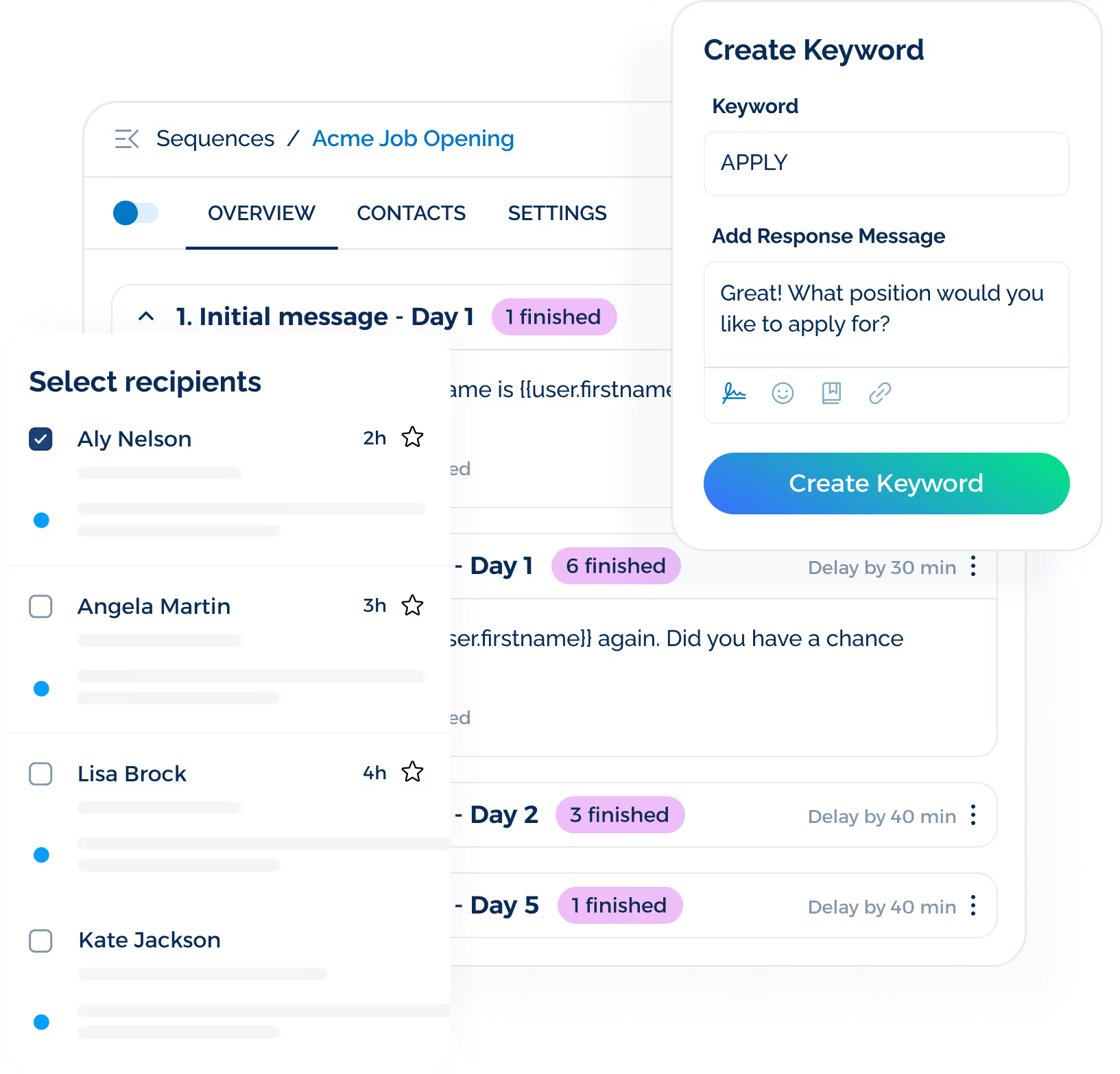
Dynamic keyword flows guide them through different paths based on their responses, such as confirming their qualifications, preferred location, or availability.
Each response determines the next step, so candidates receive information that matches their needs.
How to Measure Success When Recruiting for Hard-to-Fill Roles
Recruiting for hard-to-fill positions requires more than counting applications or completed interviews.
You need to understand which sourcing channels attract qualified candidates, how they respond to outreach, and what prevents them from accepting an offer.
Here are the key recruitment metrics to track:
- Time to fill: Number of days from opening a position to accepting an offer.
- Qualified candidates per source: Number of suitable candidates from each recruitment channel.
- Candidate response rate: Percentage of candidates who respond to emails, SMS, and other outreach.
- Screening-to-interview rate: Percentage of screened candidates who advance to interviews.
- Candidate drop-off rate: Percentage of candidates who withdraw during the application process or interviews.
- Interview-to-offer ratio: Number of interviews conducted for every job offer made.
- Offer acceptance rate: Percentage of candidates who accept job offers.
- Cost per hire: Total recruitment expenses divided by the number of successful hires.
The recruitment metrics need to reflect the type of position you're trying to fill.
Specialized healthcare vacancies and other professional roles require different sourcing methods and recruitment timelines than general administrative positions.
The goal is to reduce time to fill, control recruitment costs, and hire high-quality candidates without compromising hiring standards.
Make Hard-to-Fill Recruitment Less Complicated With TextUs
When hiring candidates for specialized positions, slow outreach and missed follow-ups could mean losing promising applicants to competing employers.
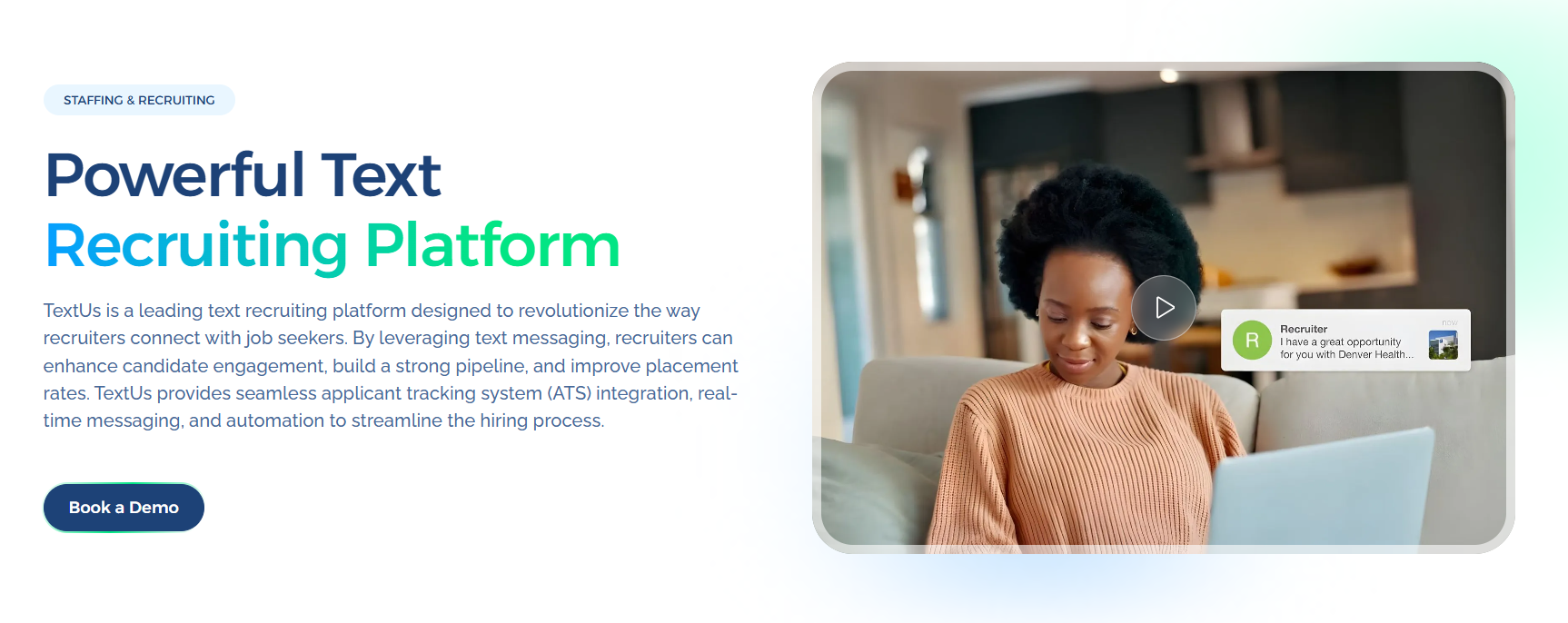
TextUs helps you connect with qualified professionals through conversational texting.
Targeted SMS campaigns let you reconnect with past applicants and share job opportunities that match the right person's qualifications.
Automated candidate texting also supports consistent follow-ups, while a shared inbox keeps conversations organized so candidates feel informed throughout the recruitment process.
TextUs also provides campaign reporting to track results, monitor candidate responses, and evaluate outreach performance.
With these capabilities, you have more opportunities to reach interested professionals and guide them toward the next hiring stage.
Book a demo with TextUs today and see how business texting supports your efforts to recruit for hard-to-fill roles!
FAQs About Recruiting for Hard-to-Fill Roles
How can I improve my recruitment strategies?
Your recruitment strategy needs sourcing channels, job requirements, and candidate outreach that match the position.
Personalized recruiting text messages help you reconnect with qualified applicants, while skills-based assessments improve candidate quality in your shortlist.
How long does it take to recruit for a role?
SHRM's 2026 recruitment benchmark reports a median time to fill of 39 calendar days for nonexecutive positions. Specialized roles may take longer due to limited candidate availability and specific qualification requirements.
How to make the hiring process better?
A consistent interview process with structured interviews, relevant assessments, and prompt feedback supports better candidate evaluations.
SMS also improves communication throughout the hiring stages. Automated messages can share interview details and reminders, while two-way messaging allows candidates to confirm appointments or request changes.
How to speed up the recruitment process?
ATS and interview scheduling software are powerful tools for reducing repetitive tasks.
Automated text messages for screening, interview confirmations, and candidate follow-ups also reduce unnecessary back-and-forth communication.
Continue Reading



Frequently Asked Questions
Business Texting
Built for Results
Create and convert pipeline at scale through industry leading SMS software