
15 Healthcare Recruitment Strategies to Hire Talent
Explore 15 healthcare recruitment strategies and learn how to hire talent more efficiently. Discover how TextUs can help with SMS communication.

Written by
Adam Hamdan
Published
November 2, 2026

Healthcare hiring is no longer just about filling open roles. As competition for medical staff grows, your recruitment strategies need to reach the right candidate faster and give them a reason to stay engaged.
A stronger process helps you prepare for future staffing needs, maintain engagement throughout hiring, and expedite the process of finding qualified candidates.
It also keeps recruiting decisions connected to long-term workforce needs instead of focusing only on immediate vacancies.
In this article, you'll find healthcare recruitment strategies that you can implement in your organization. You'll also learn how to build a recruiting strategy that supports long-term workforce stability.
TL;DR
- Better workforce planning helps you prepare for rising demand, workforce shortages, specialized role requirements, and future staffing needs.
- Effective healthcare recruitment combines workforce forecasting, role-specific candidate profiles, employer branding, detailed job postings, competitive benefits, matched channels, targeted sourcing, school partnerships, talent pipelines, referrals, candidate re-engagement, mobile applications, faster hiring communication, credentialing, and onboarding practices.
- A strong healthcare recruitment strategy starts with assessing staffing needs, identifying candidate drop-off points, prioritizing high-risk roles, assigning ownership, and reviewing performance data.
- TextUs supports healthcare recruiting with two-way texting, personalized campaigns, automated sequences, shared inboxes, scheduled messages, ATS integrations, and messaging analytics.
Why Healthcare Hiring Needs Better Workforce Planning
Healthcare recruitment involves requirements that many other industries don't face.
You may be recruiting for roles that require specific licenses, clinical experience, certifications, shift availability, and direct responsibility for patient care.
Demand for healthcare services is also expected to rise as the aging population grows.
The U.S. Bureau of Labor Statistics projects the population age 65 and older to increase from 59.7 million in 2024 to 72.5 million by 2034, which is expected to increase demand for medical and social services.
As per HRSA, workforce shortages also remain an issue in several healthcare professions. This adds more competition for healthcare employers focused on finding suitable candidates for clinical positions.
These pressures mean healthcare recruiting requires more than filling open positions.
Effective recruitment strategies need to account for candidate supply, role requirements, communication, credentialing, working conditions, and retention throughout the hiring process.
15 Effective Recruitment Strategies for Healthcare Employers
A successful approach to healthcare hiring requires more than posting open roles and waiting for applications. Here are 15 medical recruitment strategies that can help you reach qualified candidates and strengthen your process.
1. Use SMS to Reach Candidates Faster
Many healthcare workers cannot check email often or answer phone calls when you need a quick response.
Text messaging offers a faster way to connect without forcing candidates into a call. It lets you send interview details, screening questions, offer updates, and next steps that candidates can review when they have a free moment.
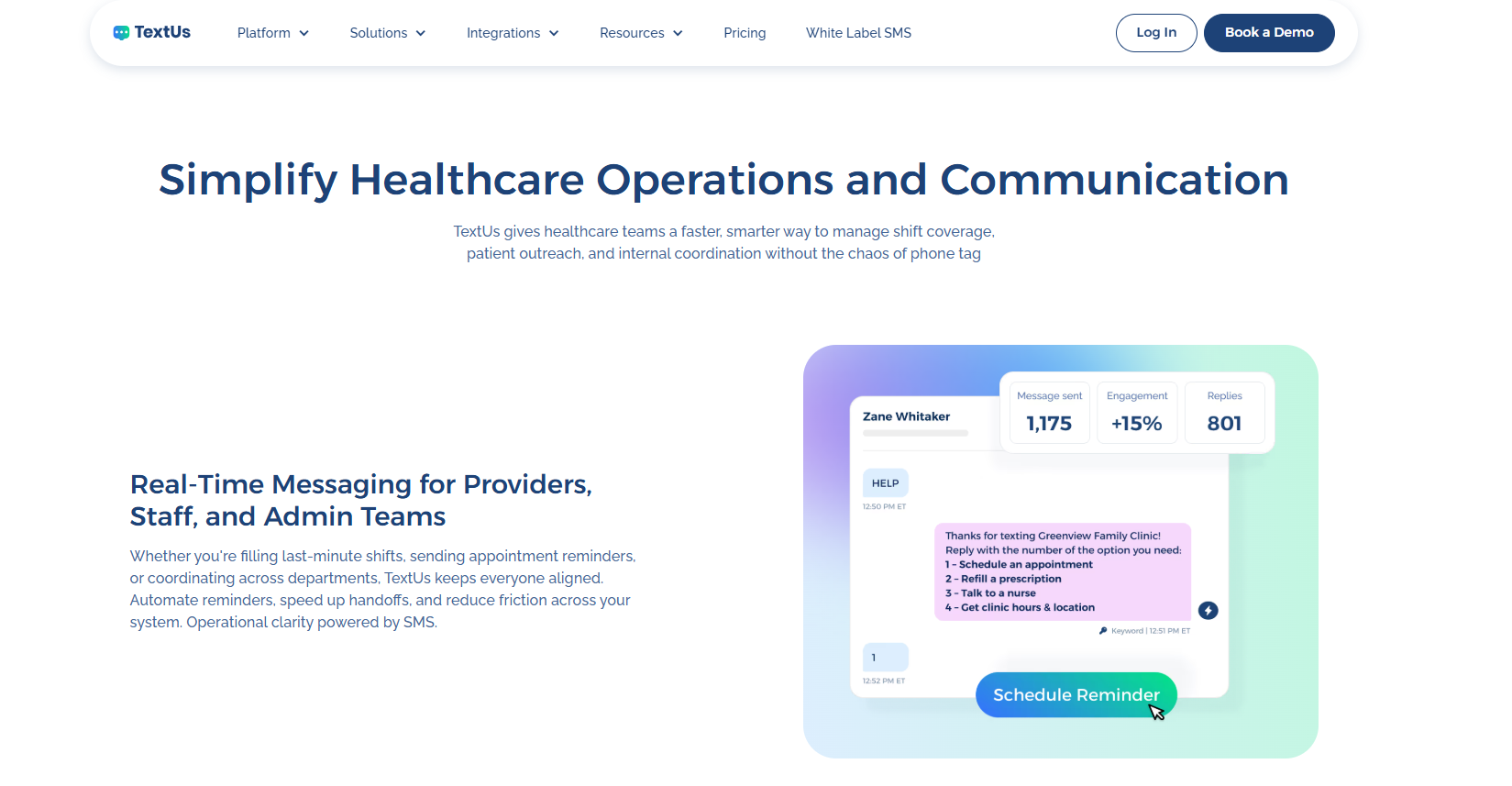
Conversational SMS marketing also allows you to keep conversations active throughout the recruitment process. Candidates can easily confirm availability, ask questions, or respond to updates through text.
TextUs brings candidate conversations into centralized text recruiting software. It's easier to send personalized messages, schedule follow-ups, manage replies, and keep conversation history tied to your workflow.
Book a demo with TextUs to see how it fits into your recruiting stack and shorten communication gaps with candidates!
2. Forecast Workforce Needs Before Positions Open
Persistent staffing shortages, turnover, retirements, and changing patient demand can leave you competing for candidates under tighter deadlines.
Workforce forecasting allows you to identify which roles may need attention before vacancies affect staffing levels.
Historical turnover, vacancy trends, retirement projections, patient volume, and expansion plans provide valuable workforce insights for upcoming hiring needs.
A broader workforce strategy can also help you prioritize roles based on hiring difficulty, specialty requirements, and expected demand.
Regular workforce reviews may also become part of your strategic planning with HR and department leaders. Recruitment can then respond to expected staffing needs instead of starting from zero each time a position becomes vacant.
3. Define the Ideal Candidate for Each Role
A broad candidate profile increases the number of mismatched applicants. Before outreach begins, define what the role requires beyond the basic job title.
Your profile can include licenses, certifications, clinical experience, specialty knowledge, shift availability, location, and required soft skills.
Role requirements also vary by nurse, physician, technician, therapist, and other medical professional. A candidate who fits one department may not have the experience or schedule needed for another.
4. Build an Employer Brand Candidates Can Trust
Candidates research your organization before they apply or respond to outreach. Your reputation as one can shape whether they see the role as worth pursuing.
Your employer brand should reflect what people can expect from the workplace, including leadership, culture, scheduling, development, and career growth.
Specific details about work-life balance, team support, and advancement can make the employment experience feel more tangible.
Careers page, social channels, employee stories, and other recruitment materials should reinforce the same message. Consistency between what candidates see during recruitment and what employees experience after joining builds trust.
A supportive culture can also help your organization stand out when candidates compare similar opportunities. The strongest employer brand comes from real employee experiences rather than broad claims that could apply to any workplace.
5. Write More Specific Healthcare Job Postings
Generic postings make it harder for candidates to decide whether a role fits their needs and qualifications. Accurate job descriptions show them what the role requires from the start.
Each posting should cover:
- Compensation
- Shift requirements
- Location
- Department
- Responsibilities
- Required credentials
- Preferred experience
Details about flexible scheduling and benefits also help prospective employees compare the position with other opportunities.
Long wish lists may discourage high-quality candidates who meet the essential criteria but lack a few preferred qualifications.
Specific postings also improve screening because applicants understand the role before applying. That alignment reduces mismatched applications and keeps your recruiting time focused on suitable candidates.
6. Offer Employee Compensation and Benefits
Competitive pay is an important part of healthcare recruiting. But candidates evaluate the full employment package before accepting an offer.
Salary ranges, shift differentials, sign-on incentives, paid leave, and retirement benefits all influence that decision.
Benefits also address the long-term priorities of healthcare professionals. Tuition reimbursement, continuing education, and certification support create more career growth opportunities for employees who want to expand their skills.
Flexible work environments may appeal to candidates who need more control over shifts, family responsibilities, or personal commitments.
A competitive package supports your healthcare recruitment efforts by helping you hire and retain employees beyond the initial offer. Benefits tied to development and financial needs also contribute to higher job satisfaction after employees join.
7. Match Recruiting Channels to Each Role
As a medical recruiter, consider where each specialty spends time and how candidates prefer to discover opportunities.
Nurses respond well to referrals, professional associations, and healthcare job boards, while physicians require more direct outreach and specialty-specific networks.
Entry-level roles may benefit from relationships with schools, community programs, and local events.
Channel selection should also reflect competition within the healthcare industry. Hard-to-fill positions require a mix of direct sourcing, professional communities, referrals, and targeted outreach to reach top talent.
8. Partner With Nursing Schools and Education Programs
Early relationships with nursing schools and other educational institutions help you connect with future candidates before they enter a competitive job market.
These partnerships can support a steady source of students who already understand your organization and available roles.
Partnerships with local universities can include clinical placements, internships, career fairs, guest lectures, and campus recruiting events. Each touchpoint introduces students to your workplace before graduation.
Structured training programs also create a smoother path from education into employment. You can coordinate with academic partners on skill requirements, certifications, and role expectations before candidates apply.
This approach can be valuable for recent graduates who need experience and guidance at the start of their careers.
9. Build a Proactive Healthcare Talent Pipeline
A persistent talent shortage will leave you competing for candidates under tight hiring deadlines.
A proactive pipeline keeps potential candidates within reach before an opening becomes urgent. Past applicants, former employees, referrals, interns, contractors, and passive candidates can all become part of this talent pool.
Candidate groups can be organized by specialty, location, experience, credentials, and availability. This builds talent pipelines around roles that frequently create hiring pressure.
Consistent communication also keeps your organization familiar to people who may not be ready to move forward.
Over time, these relationships improve your access to top healthcare talent when the right position becomes available.
10. Create a Structured Employee Referral Program
Referrals connect you with candidates who already understand the realities of healthcare work. Your current employees know former colleagues, classmates, and peers with relevant experience.
A structured program makes participation easier for staff. You can define eligible roles, referral steps, incentive amounts, payment timelines, and how employees can track submissions.
Referral campaigns may focus on positions that are difficult to fill within healthcare facilities. Higher incentives or limited-time referral bonuses draw attention to urgent specialties or locations.
Employee referrals also help you reach the best talent through trusted professional networks. A consistent program also makes results easier to track against your other sourcing channels.
11. Re-Engage Previous Healthcare Candidates
Previous applicants are a valuable source of talent. Some may have reached the final interview stage, declined an offer, or stepped away because the timing was not right.
Your healthcare recruitment process can include regular reviews of previous applicants to identify people who now match open roles.
SMS and email for hiring can support re-engagement without requiring you to restart the relationship from the beginning.
A recruiting text message about a relevant opening, schedule, or location can reopen the conversation and confirm whether the candidate wants to hear more.
This approach can reduce some of the significant hurdles that come with sourcing every role from scratch.
12. Make Applications Mobile-Friendly
Many candidates search and apply for roles from their phones between shifts, appointments, or other responsibilities. Poor mobile layouts may cause qualified applicants to leave before submission.
A mobile-friendly application should ask only for information you need at that stage. Resume uploads, saved progress, simple fields, and fewer duplicate questions can reduce unnecessary steps.
Many healthcare organizations struggle with application drop-off because the process asks for too much information too soon. Shorter forms will help you move interested candidates into screening before requesting additional documents.
13. Reduce Delays Between Application, Interview, and Offer
Long gaps between hiring stages cause candidates to lose interest or accept another opportunity. A faster process keeps communication active and reduces the chance that qualified applicants drop out.
A strong recruitment strategy can set response targets for application review, interview scheduling, feedback, and offer approval. Defined timelines also help recruiters and hiring managers understand who needs to act at each stage.
Text marketing speeds up hiring as candidates can respond to short, time-sensitive questions without waiting for a phone call or opening an email.
You can confirm interview times, collect availability, send reminders, and share next steps within the same conversation.
Faster back-and-forth reduces scheduling delays and prevents interviews or offers from sitting idle for days. It also lets you follow up with candidates soon after each stage while interest is still high.
14. Speed Up Credentialing and Pre-employment Checks
Credentialing takes longer when requirements surface late in the hiring process. Early coordination gives you more time to collect licenses, certifications, references, and other required records.
A role-specific checklist keeps each requirement visible from the beginning. For healthcare providers, this may include license verification, education records, background screening, immunization records, or other position-specific documents.
Texting adds a practical way to follow up when an item is still missing. A short reminder about a form, document, or deadline may get a faster response than another voicemail or email.
Close coordination with compliance teams and hiring managers also reduces duplicate requests and missed steps.
15. Connect Recruitment With Onboarding and Retention
The experience your new hires have during their first weeks will shape whether they stay, settle into the role, and see a future with the organization.
A smoother handoff from recruiting to onboarding keeps expectations consistent. Details about schedules, responsibilities, team structure, benefits, and workplace culture should match what candidates heard during the hiring process.
Early check-ins also help you spot concerns before they become reasons to leave. Structured mentorship programs, manager support, and ongoing support give employees more direction as they adjust to the role.
Development also plays a part in long-term employee retention. Opportunities for professional growth and career advancement show that their next step doesn't always require leaving your organization.
How to Build a Healthcare Recruitment Strategy
A successful recruitment plan starts with knowing where your hiring needs are and what keeps candidates interested throughout the process.
Here's how you can build a strategy that adapts to different roles, locations, and workforce priorities.
Step #1: Assess Current Healthcare Staffing Needs
Start with the roles creating the most pressure on your recruiting team.
Vacancy rates, turnover, retirement projections, hiring volume, and department needs can show where recruiting resources need more attention.
Input from healthcare leaders and hiring managers may add context around skill gaps and upcoming staffing changes. These conversations let you separate urgent vacancies from longer-term workforce needs.
Step #2: Identify Where Candidates Leave the Process
Each priority role needs a specific candidate profile based on requirements such as:
- Credentials
- Experience
- Specialty
- Location
- Schedule
The profile should also separate required qualifications from preferences. Too many unnecessary requirements may shrink your candidate pool before outreach even begins.
Step #3: Prioritize Roles Based on Workforce Risk
Not every vacancy creates the same level of pressure. Some roles affect patient care, overtime costs, scheduling, or department capacity more than others.
You can rank openings by vacancy length, specialty scarcity, turnover, patient demand, and the cost of leaving the role unfilled. Input from healthcare executives will help you connect recruiting priorities with broader workforce needs.
Step #4: Assign Ownership at Each Hiring Stage
Recruiters, hiring managers, credentialing teams, and department leads should know who reviews applications, schedules interviews, sends candidate updates, and approves next steps.
Conversation ownership also prevents candidates from receiving duplicate messages or waiting because no one knows who should respond.
Shared notes, status updates, and documented handoffs allow each person to see what has already happened and what still needs attention.
Step #5: Review Results and Adjust Your Approach
A recruitment strategy needs regular review as hiring priorities and candidate behavior change.
Track results such as time-to-hire, response rates, interview conversion, offer acceptance, source of hire, and retention after placement.
These results show which effective strategies deserve more investment and where your process needs adjustment. Regular reviews also help you adapt before the same hiring issue affects another role.
Bring SMS Into Recruiting and Hire Talent Faster With TextUs
Every missed reply, slow handoff, or forgotten follow-up puts a qualified candidate at risk of dropping out. You need faster communication between recruiters, candidates, hiring managers, and credentialing teams.
TextUs brings two-way business texting into your recruiting workflow. You can coordinate interviews, send reminders, follow up on missing documents, re-engage past candidates, and keep hiring updates in one place.
Automated messages also reduce repetitive outreach, while shared conversations help you stay aligned when priorities change.
If you want to recruit and retain more of the candidates you already worked hard to attract, prompt communication can make a real difference.
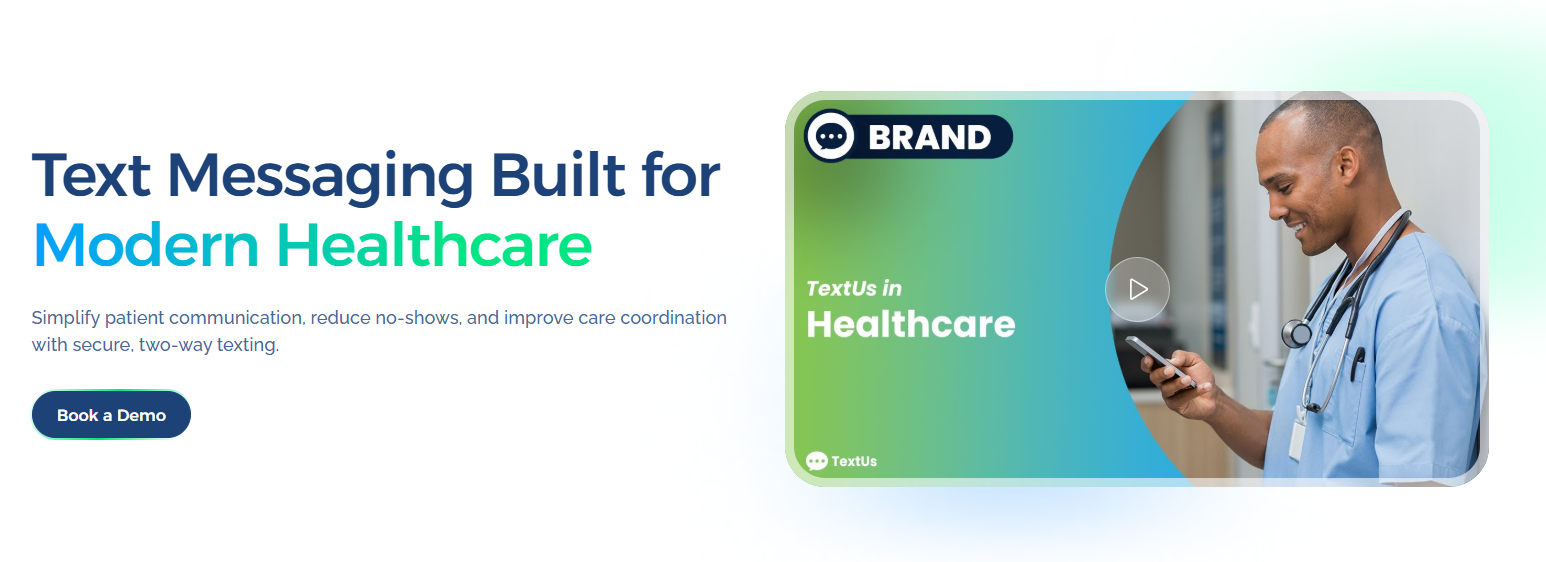
Book a demo with TextUs today and see how it can help you move candidates from first contact to offer with fewer communication gaps!
FAQs About Healthcare Recruitment Strategies
What are the five Cs of recruitment?
One current framework uses competency, character, communication, culture fit, and consistency, while other versions use different categories.
For healthcare recruiting, your evaluation criteria should reflect the position. This includes clinical competency, communication, teamwork, and mental health experience when relevant to the role.
What are the five recruitment strategies or methods?
Common approaches include employee referrals, job ads, direct sourcing, educational partnerships, and internal recruitment.
Healthcare recruitment may require an even broader sourcing mix as an aging population increases demand for health services and workforce needs.
What is the 70/30 rule in hiring?
One interpretation suggests considering candidates who meet about 70% of the role requirements when the remaining skills can be developed after hiring.
For healthcare roles, required licenses, certifications, and other essential qualifications still need to remain mandatory rather than part of the 30% a candidate may learn later.
What is the 80/20 rule in recruiting?
The 80/20 rule applies the Pareto principle to recruiting, where about 20% of your sourcing channels or hiring activities may produce a large share of successful hires.
The ratio is a guideline rather than a fixed formula. You should use your recruiting data to identify which sources and activities deliver the best results.
Continue Reading



Frequently Asked Questions
Business Texting
Built for Results
Create and convert pipeline at scale through industry leading SMS software