
How to Build a Candidate Pipeline in 10 Easy Steps
Learn how to build a candidate pipeline in 10 steps and see how TextUs supports sourcing, engagement, follow-up, and future hiring needs.

Written by
Adam Hamdan
Published
October 15, 2026

Every open position becomes harder to fill when the recruitment process starts from zero.
Recruiters and hiring managers have to source, screen, and contact new prospects before they can begin evaluating the right fit.
Candidate pipeline management is an active process of sourcing, qualifying, and maintaining relationships with people for specific future roles. It keeps top talent within reach when hiring demand increases.
In this guide, you’ll learn the importance of candidate pipeline management and how to build a candidate pipeline that supports a more prepared hiring process.
TL;DR
- A well-managed candidate pipeline keeps qualified talent ready for upcoming roles, which reduces sourcing delays and supports long-term hiring needs.
- Effective pipeline building includes prioritizing roles, defining candidate criteria and pipeline stages, sourcing through several channels, personalizing outreach, segmenting contacts, nurturing relationships, and re-engaging qualified candidates.
- TextUs keeps your candidate pipeline active with two-way texting, targeted campaigns, automated follow-ups, segmentation, and recruiting integrations.
The Importance of Candidate Pipeline Management
According to SHRM’s 2026 Talent Trends report, nearly 70% of HR professionals still face challenges recruiting for full-time positions.
A proactive talent pipeline puts qualified people within reach before hiring demand becomes urgent. You'll have more time to assess fit and start conversations before a position opens.
This preparation is valuable for recurring positions and hard-to-fill roles. It supports future hiring needs by creating a ready group of pipelined candidates.
Candidate pipelines also strengthen strategic workforce planning. You have better visibility into available talent for expected vacancies, expansion plans, seasonal demand, and emerging skill gaps.
Over time, a robust talent pipeline contributes to lower hiring costs and higher quality hires. You'll spend less time rebuilding searches and more time evaluating people who already match the role.
How to Build a Robust Candidate Pipeline in 10 Steps
A successful talent pipeline starts with a defined process for finding, qualifying, and staying connected with the right people.
Here are 10 steps to build an effective talent pipeline that supports your current hiring priorities and upcoming roles.
Step #1: Identify Roles That Need a Pipeline
A proactive strategy works better than a reactive hiring process. The first step is deciding which positions deserve ongoing pipeline development.
Past hiring data can reveal where the greatest need exists. Hiring volume, turnover, skill requirements, and time-to-hire trends will guide your recruiting team toward the right priorities.
This strategic approach keeps candidate pipelining connected to actual demand instead of creating large databases for every role.
Step #2: Determine Your Ideal Candidate Profile (ICP)
You need to set qualification criteria before you start sourcing. Your ICP may cover required skills, experience, location, certifications, schedule, compensation expectations, and availability.
Defined criteria also give your talent acquisition team a consistent way to assess potential candidates. They keep a strong talent pipeline focused on contacts who have a real connection to the roles you hire for.
Step #3: Define Your Candidate Pipeline Stages
Candidate stages show where each person stands and what needs to happen next.
A common pipeline may move from Identified → Contacted → Engaged → Qualified → Nurture → Interview-Ready → Active Opportunity → Hired or Future Consideration.
Each stage needs a defined purpose. For example, the qualified stage requires screening, confirmed interest, and alignment with key job requirements.
This structure also makes pre-vetted candidates easier to identify when a future opportunity becomes available.
Step #4: Source Candidates From Multiple Channels
A proactive sourcing strategy reaches internal and external candidates instead of depending on one channel.
Previous applicants, employee referrals, job boards, professional networks, and industry conferences all contribute to diverse talent pools.
Leveraging social media also expands your reach beyond traditional recruitment channels. LinkedIn, industry groups, and other professional communities surface people who match your requirements but may not be browsing job listings.
Career fairs, campus programs, and alumni networks also support entry-level or early-career hiring. Talent communities and past event attendees are another source of candidates for recurring or future job openings.
Step #5: Start Outreach With Personal Communication
The first outreach should provide the candidate a reason to respond. Generic messages often fail because they provide little context about why you've reached out.
Your message has to reflect the candidate’s background, experience, or previous interaction with your company. It should also connect the role to their goals while reinforcing employer branding and company culture.
The communication channel can vary based on the candidate and the type of conversation. Email, LinkedIn, phone calls, and text messaging all have a place in outreach.
The goal is to engage candidates and begin a conversation before asking for a commitment.
Step #6: Use Texting to Keep Conversations Active
SMS recruiting replaces slower communication methods, such as email and phone calls, with real-time messaging. It creates a direct channel for short, time-sensitive conversations.
Two-way texting also supports stronger candidate engagement because they can respond from their phones without opening another platform.
Short exchanges reduce long email threads and keep communication active between major hiring stages.
Text recruiting tools such as TextUs bring these conversations into one system.
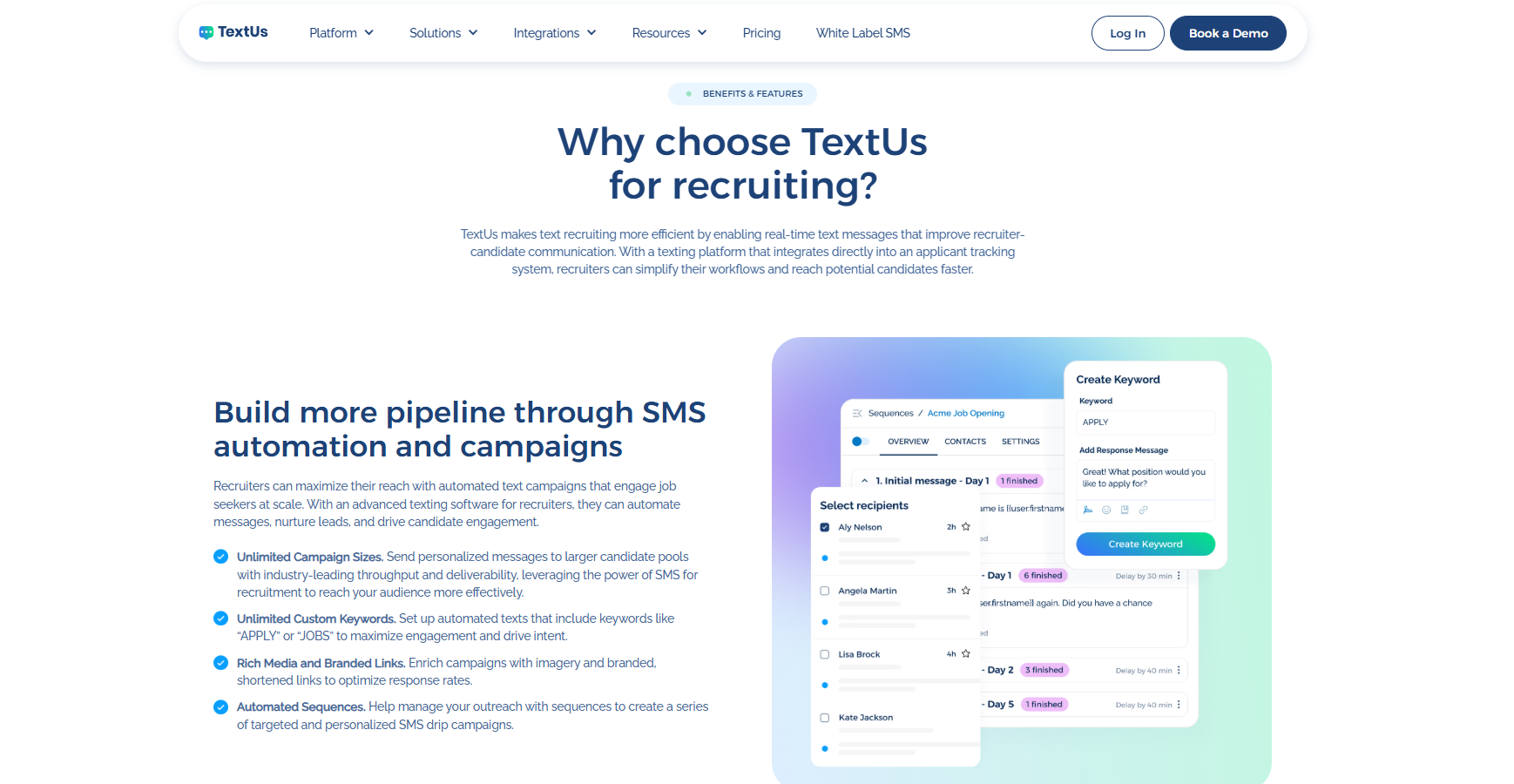
It lets you send personalized recruiting messages, schedule follow-ups, build automated workflows, and manage candidate responses alongside existing recruitment software.
If you want to maintain relationships beyond the first outreach, book a demo with TextUs today and see how real-time texting keeps candidates engaged!
Step #7: Segment Internal and External Candidates
Your pipeline consists of existing employees, past applicants, referrals, and outside prospects. Each group needs a different type of outreach based on where they are in the hiring process.
Talents who meet your core criteria may become pre-qualified candidates for current or upcoming opportunities. This makes it simpler to identify the right candidates when a critical role opens.
Contact segmentation lets you group candidates by role, department, skill set, seniority, location, availability, or level of interest.
TextUs supports SMS segmentation, allowing teams to create targeted campaigns for custom candidate lists. You may target previously engaged people in a specific location, people with certain skills, or prospects who showed interest in a similar open position.
This keeps outreach relevant to each group and reduces broad messages that don't match a passive candidate’s background or interests.
Step #8: Build a Candidate Nurturing Strategy
Many organizations struggle to stay in touch with candidates once an immediate role is no longer available. A nurturing plan keeps the connection open until the timing fits.
Job updates, check-ins, hiring events, career content, and company updates help you build relationships over time without overwhelming candidates.
Communication frequency should reflect each candidate’s level of interest. Someone who has expressed interest in an upcoming opportunity may need more frequent updates than a passive prospect exploring future roles.
With TextUs, you can create scheduled and automated drip campaigns for follow-ups, reminders, re-engagement, and other candidate touchpoints.
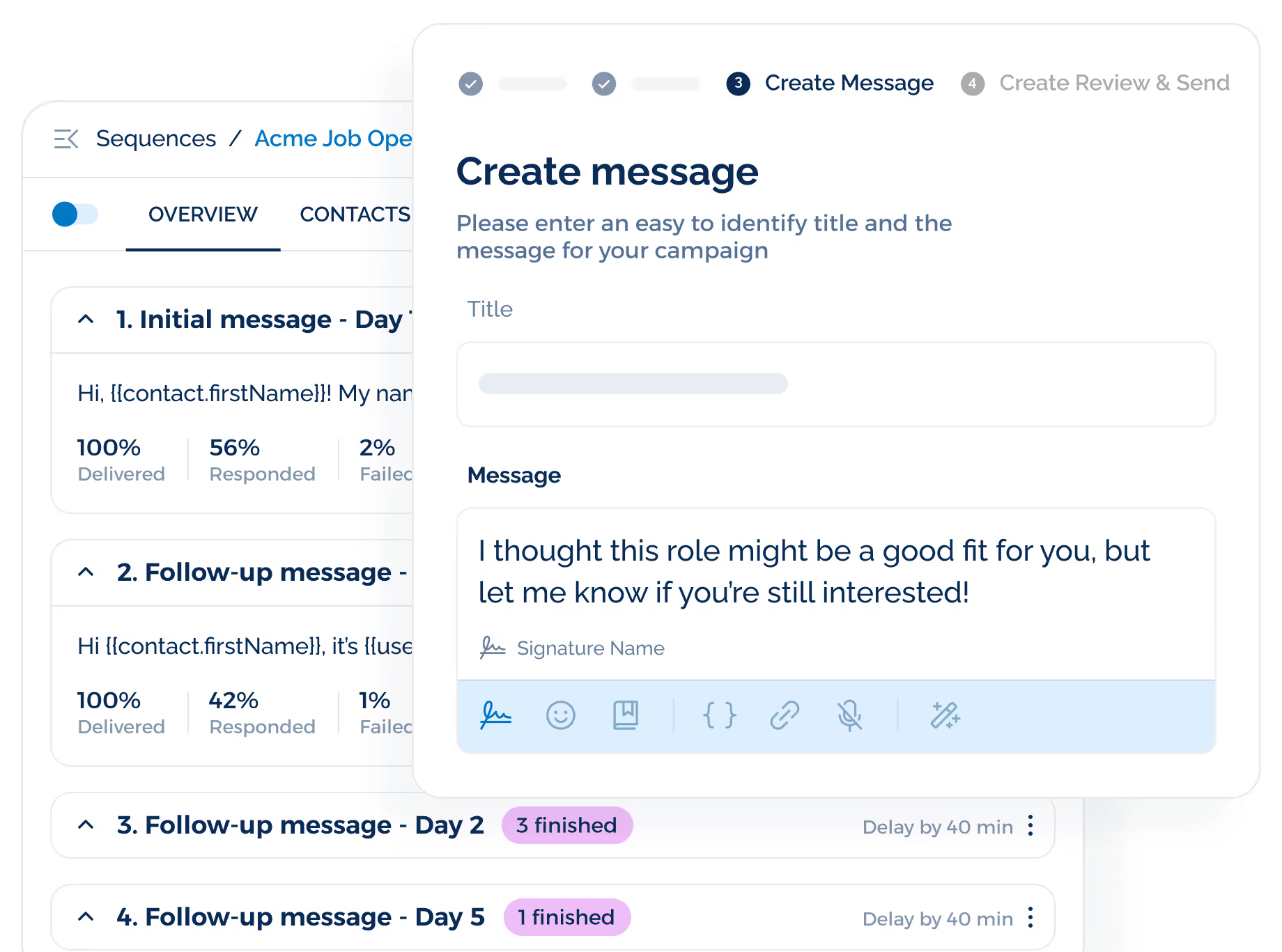
Scheduled drip campaigns reduce the need to track every follow-up manually while keeping two-way conversations open when candidates respond.
Step #9: Connect Your Pipeline to Recruiting Technology
Pipeline visibility drops when candidate data and communication are divided among separate tools. Important context may get lost between your ATS, CRM, email, and messaging tools.
Connected recruiting technology keeps that information closer to the systems your recruiters already use.
Your ATS or CRM remains the system of record, while communication tools add another layer for candidate outreach and follow-up.
TextUs integrates with recruiting platforms such as Greenhouse, Bullhorn, Workday, and SAP SuccessFactors.
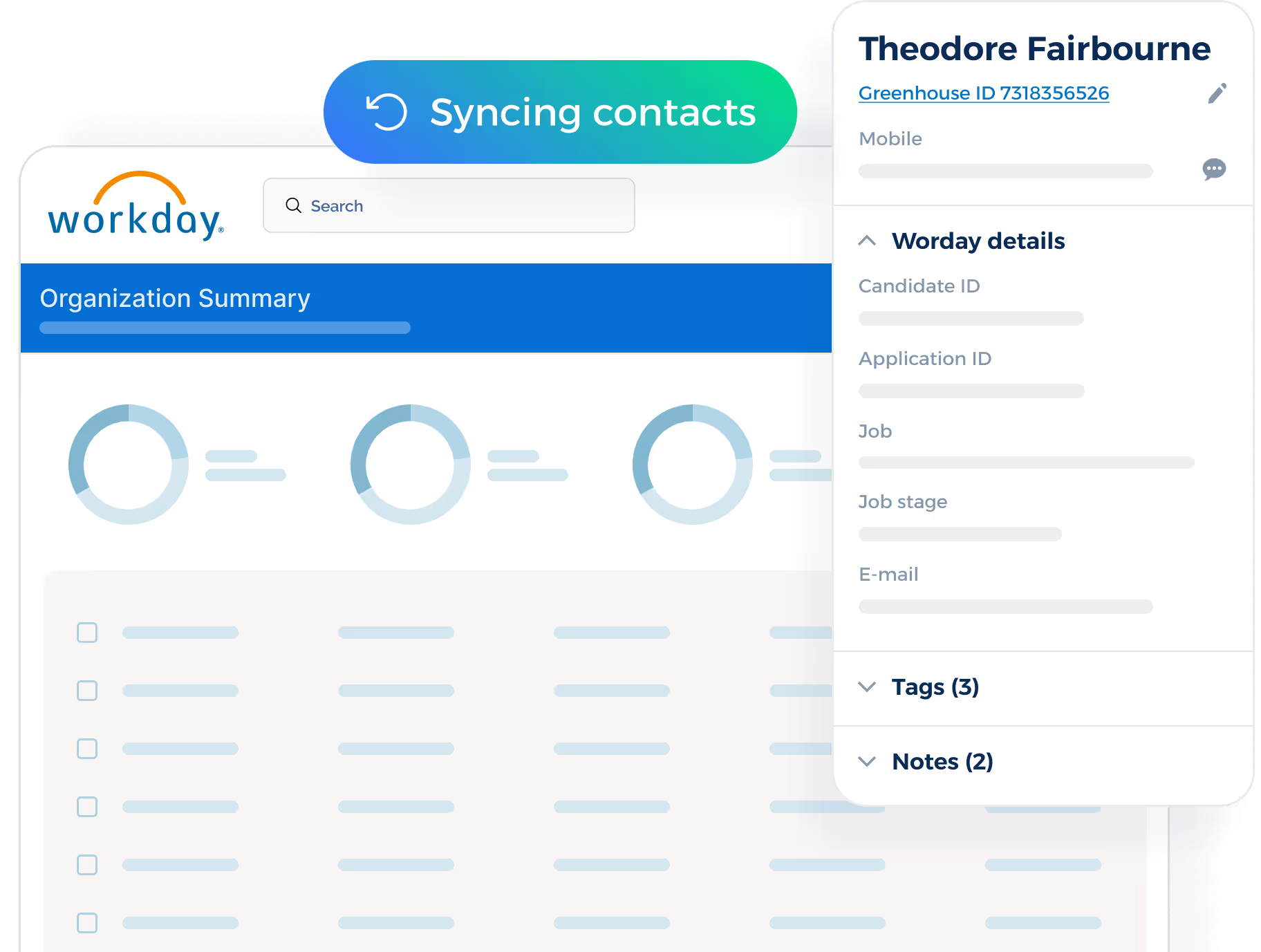
These integrations support texting from recruiting workflows while keeping candidate communication connected to their records.
The platform's automatic contact syncing also reduces duplicate data entry. TextUs imports candidate records and syncs information such as candidate status, job stage, and job ID.
Step #10: Review, Re-engage, and Activate Your Pipeline
Candidate information changes over time. Skills, availability, job interests, location, and contact information may no longer match what was recorded months earlier.
When a role opens, existing records offer a strong starting point. Business leaders may also use key metrics from the pipeline to understand talent availability and prepare for future growth.
Re-engagement doesn't need to restart the relationship. A short message about a relevant opportunity or availability check reopens and confirms whether the candidate is still interested.
TextUs supports this process through targeted SMS campaigns and personalized follow-ups.
You can reconnect with selected candidate groups, send role-specific messages, and manage replies from one shared communication system.
Build a Stronger Candidate Pipeline Through Texting With TextUs
Building talent pipelines is only the first step. You also need a way to engage candidates until the right opportunity opens.
TextUs supports those engagement efforts with two-way candidate texting, personalized outreach, candidate re-engagement, interview reminders, scheduled messages, and automated recruiting workflows.
Candidate segmentation, message templates, and shared inboxes also keep outreach organized without losing the personal side of the conversation.
Recruiting system integrations and communication reporting add more visibility throughout the process, so you can track outreach and continue conversations with more context.
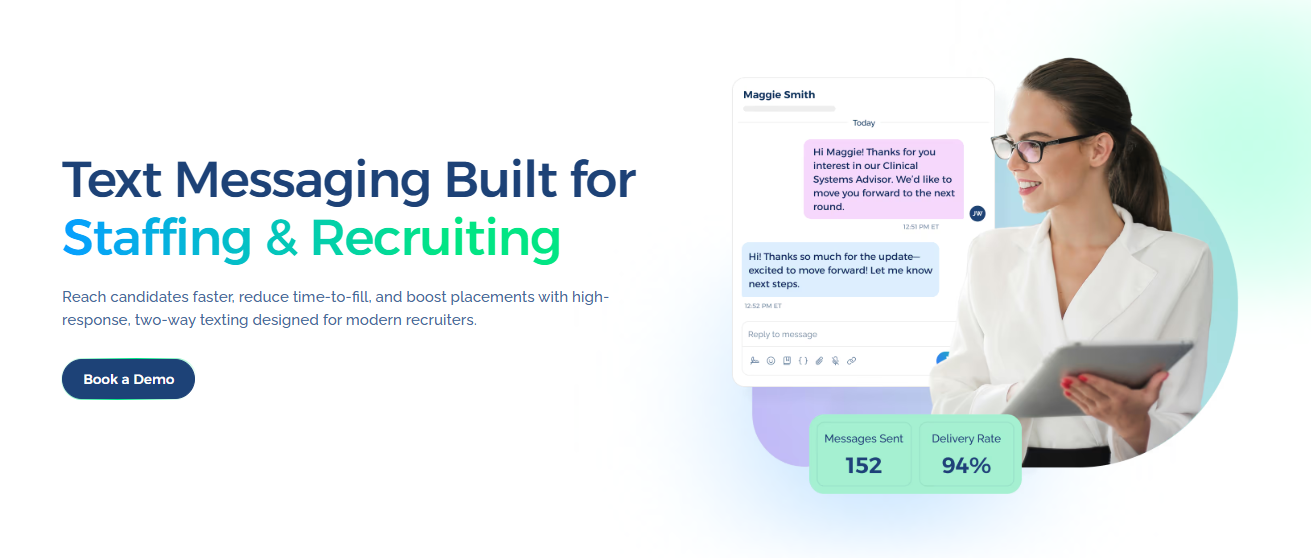
Book a demo with TextUs today to see how texting can support stronger candidate relationships from first contact through re-engagement!
FAQs About How to Build a Candidate Pipeline
What is the 70/30 rule in hiring?
The 70/30 rule suggests hiring candidates who already meet about 70% of a role’s essential requirements, with the remaining 30% representing skills they can develop after joining.
This approach balances proven ability with growth potential instead of waiting for a candidate who matches every requirement.
What are the five C's of recruitment?
One common five C's framework covers competency, character, communication, culture fit, and consistency.
These areas assess whether candidates have the skills, behaviors, communication abilities, workplace alignment, and reliability needed for the role.
What is candidate pipeline management?
A talent pipeline is the active process of managing, engaging, and qualifying candidates within that pool for specific, strategic future roles.
Candidates may come from referrals, previous applicants, industry events, or other sourcing channels. Company news and relevant updates also support nurturing relationships over time.
What is the 80/20 rule in recruiting?
The 80/20 rule applies the Pareto principle to recruiting, where a small share of sourcing channels or activities may produce most successful hires.
Reviewing outcomes from referrals, job boards, outreach, and networking events can show where recruiting resources have the greatest impact.
Continue Reading



Frequently Asked Questions
Business Texting
Built for Results
Create and convert pipeline at scale through industry leading SMS software