
How to Recruit Seasonal Employees in 12 Strategic Steps
Learn how to recruit seasonal employees in 12 steps and see how TextUs supports faster candidate communication, interviews, and onboarding.

Written by
Adam Hamdan
Published
October 26, 2026

Seasonal hiring isn't just about filling open roles before demand peaks. You also need employees who understand the job, show up when expected, and stay through the full season.
Retention starts with the recruiting experience. Accurate job expectations, fast communication, smooth onboarding, and consistent follow-up all shape whether seasonal employees stay engaged after they accept the role.
This guide explains why seasonal hiring needs more structure and outlines how to recruit seasonal employees. You'll learn how to organize your approach, attract the best candidates, and prepare them before your busiest period begins.
TL;DR
- Seasonal hiring adds short-term workforce support during demand spikes, protects service quality, reduces pressure on existing staff, and builds a future talent pool.
- Seasonal recruitment works best when you forecast staffing needs, build an early timeline, communicate with candidates, reconnect with past workers, define roles, write accurate job descriptions, promote openings, simplify applications, screen for reliability, speed up interviews, make competitive offers, and onboard before peak demand.
- Seasonal employees remain subject to wage, overtime, youth employment, and other applicable labor rules, with some limited exemptions depending on the business and location.
- TextUs keeps seasonal hiring moving with real-time texting that speeds up candidate responses, interview coordination, offer follow-ups, and onboarding.
How Seasonal Hiring Supports Peak Business Demand
Seasonal demand can put extra pressure on your existing staff, especially when customer volume rises during a busy season.
The length of a seasonal role may vary based on the employer, location, and time of year. Some positions last only a few weeks, while others continue for several months.
A planned approach to seasonal employment lets you add short-term support without forcing your permanent staff to absorb every extra shift, order, or customer request.
Your staffing needs may change based on sales cycles, holidays, tourism periods, events, or other predictable spikes in demand.
Additional employees provide coverage where you need it most, whether that means customer service, fulfillment, sales, hospitality, or operations.
Strong seasonal recruitment also protects service quality. Having enough staff reduces schedule gaps, long wait times, rushed training, and employee burnout during peak periods.
Stronger performers also may return for another season or move into permanent roles when openings become available. This turns seasonal recruitment into a stronger talent pool for future workforce needs.
How to Recruit Seasonal Employees in 12 Steps
The seasonal hiring process starts before applications arrive and continues through the employee’s first day.
Here's how you can hire seasonal workers without making your approach more complicated than it needs to be.
Step #1: Forecast Your Seasonal Staffing Needs
Staffing agencies serving many clients should forecast seasonal needs separately for each client, location, and role.
You need to start with an estimate of how much demand you expect and where extra seasonal help will be necessary. Past sales, order volume, customer traffic, bookings, and staffing records offer a useful starting point.
Also, identify the days, shifts, roles, and locations that may require more employees. If you manage staffing at all your business locations, you should forecast each branch separately.
Previous seasons may also reveal where staffing shortages caused overtime, long customer wait times, missed orders, or heavier workloads. Those patterns help you estimate headcount before the next peak period begins.
Your forecast should account for expected absences, current staff availability, training time, and anticipated seasonal work. This helps you avoid unnecessary coverage and save short-term costs.
Step #2: Build Your Seasonal Hiring Timeline Early
A hiring timeline gives you enough room to recruit, evaluate, and prepare employees.
You can start early by working backward from the date you need people ready and assigning time for sourcing, interviews, offers, paperwork, and training.
The timeline should also account for candidate communication between each stage. Applicants need timely updates about interviews, decisions, onboarding requirements, and first-day expectations so they know what comes next.
A more organized timeline also gives your hiring team room to adjust when candidates decline offers, schedules change, or staffing targets increase. This keeps the process manageable as peak demand gets closer.
Step #3: Communicate With Candidates Throughout the Process
Seasonal applicants consider several opportunities at once. Long gaps between updates may lead them to move forward with another employer.
You have to keep candidates informed at key points such as application review, screening, interviews, offers, onboarding, and first-day preparation.
Short updates make it easier for applicants to understand what comes next and respond when you need information from them.
Texting candidates helps you keep conversations moving without waiting for an email response or returned call.
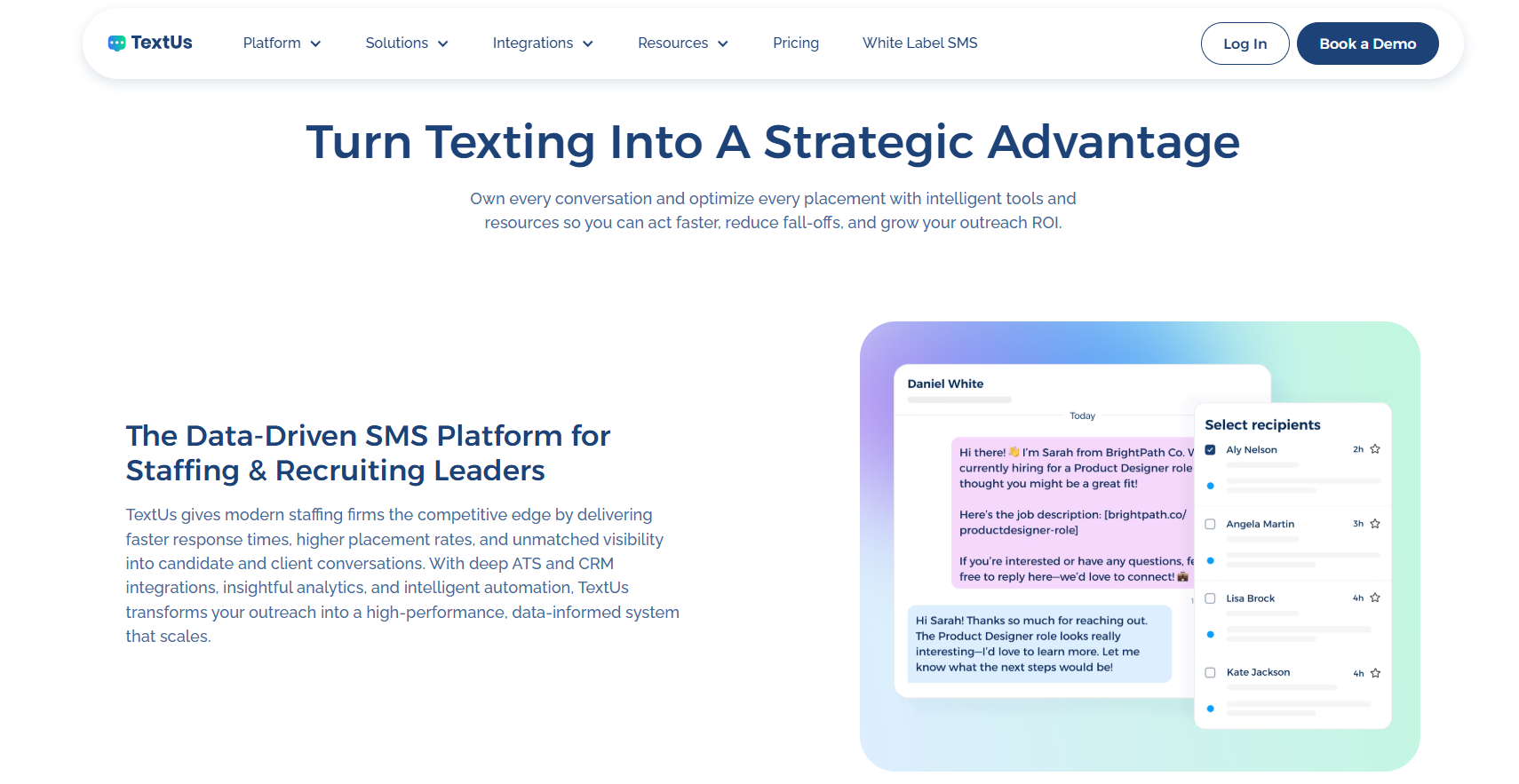
With TextUs, you can confirm interviews, send shift reminders, follow up on offers, re-engage quiet applicants, and answer questions through the same conversation.
This text recruiting software integrates directly with applicant tracking systems, so you can simplify follow-up and reach seasonal talent without moving between separate tools.
Book a demo with TextUs today to see how it supports faster candidate communication throughout your hiring process!
Step #4: Reconnect With Previous Seasonal Employees
Previous seasonal employees are one of the strongest candidate groups to begin with because you already have insight into their attendance, performance, and fit.
Existing records help you identify the best seasonal workers and prioritize outreach before you open roles to the public.
You can create separate contact groups based on role, location, previous performance, and return eligibility. Ask whether former employees want to return, confirm their availability, share expected start dates, and provide information about open roles.
With SMS segmentation, you can send a campaign to a selected group of former employees and personalize each message with details such as the person’s name, previous role, or preferred location.
Direct replies also allow you to separate interested workers from people who are unavailable this season. You may tag potential permanent hires based on past performance and future staffing plans, then keep those contacts organized for later opportunities.
Step #5: Set the Structure for Your Seasonal Roles
Each role needs defined hours, flexible schedules, responsibilities, and an expected employment period before recruitment begins.
Some seasonal positions require full-time coverage during peak demand, while others may only need part-time support on weekends, evenings, or high-volume days.
Your staffing plan should also specify whether employees will work fixed or flexible shifts and whether they may rotate between locations. These details help applicants understand the commitment before they move further into the process.
The role structure should also address what happens when the season ends. Some temporary employees leave as planned, while strong performers can join your permanent workforce as full-time employees.
Step #6: Write Engaging Seasonal Job Descriptions
Effective job ads should make the temporary nature of the role obvious from the start.
You have to include words such as “seasonal” or “temporary” in the job title and highlight the start and end date to set clear expectations about how long the position is expected to last.
Before you post job openings, make sure the description reflects the reality of the position.
Many job seekers compare seasonal roles with other businesses based on flexibility, employee discounts, completion bonuses, or the possibility of future work.
Also, specify the schedule, pay, location, duties, physical requirements, required experience, and any weekend or holiday expectations.
Including those details on your job postings makes the opportunity more relevant to potential candidates who may be considering several openings at once.
Step #7: Promote Openings Across Several Channels
A broader sourcing mix puts seasonal roles in front of people through several channels and at different stages of their search.
Company career pages, social media, local job boards, employee referrals, colleges, and community groups all support broader recruitment efforts.
Career fairs, hiring events, and local partnerships may connect you with applicants who prefer direct conversations before they apply.
Texting is also a direct channel to reach people already connected to your business. With SMS recruiting, you can text past applicants, referral leads, event attendees, or previous candidates who agreed to receive hiring updates.
Different roles may still require different hiring strategies, so the best channel mix depends on the position, location, and candidate pool.
Step #8: Make Applications Short and Mobile-Friendly
A seasonal application should ask only for information you need at the first stage. Focus on availability, location, relevant experience, required certifications, and preferred shifts.
You also need an application that works well on a phone. Many applicants find the role through social media, text messages, or mobile job searches and apply from the same device.
Long processes may discourage qualified candidates who are applying for short-term roles.
If you already use a regular HR platform, remove forms or steps designed only for permanent positions when they add unnecessary work to seasonal applications.
TextUs supports clickable SMS URLs in text messages, so you can send candidates directly to an application page, interview scheduler, or other next-step resource from their phone.
That keeps the mobile experience simple and reduces the need to search through emails or switch between several platforms.
Step #9: Screen Candidates for Availability and Reliability
Seasonal screening should focus on whether applicants can meet the schedule and stay through the required period. Availability for weekends, holidays, peak dates, and specific shifts may be just as important as previous experience.
A short set of screening questions confirms start dates, schedule limits, transportation needs, required certifications, and past experience in similar roles. This helps you narrow the pool before spending time on interviews.
Reliability is also important when you depend on temporary workers during high-demand periods. Previous attendance, work history, references, and responses during the screening stage may offer useful context before you make a decision.
Text messaging helps simplify basic screening questions. With TextUs, qualified applicants may reply with SMS keywords such as YES, INTERESTED, or a location-specific keyword.
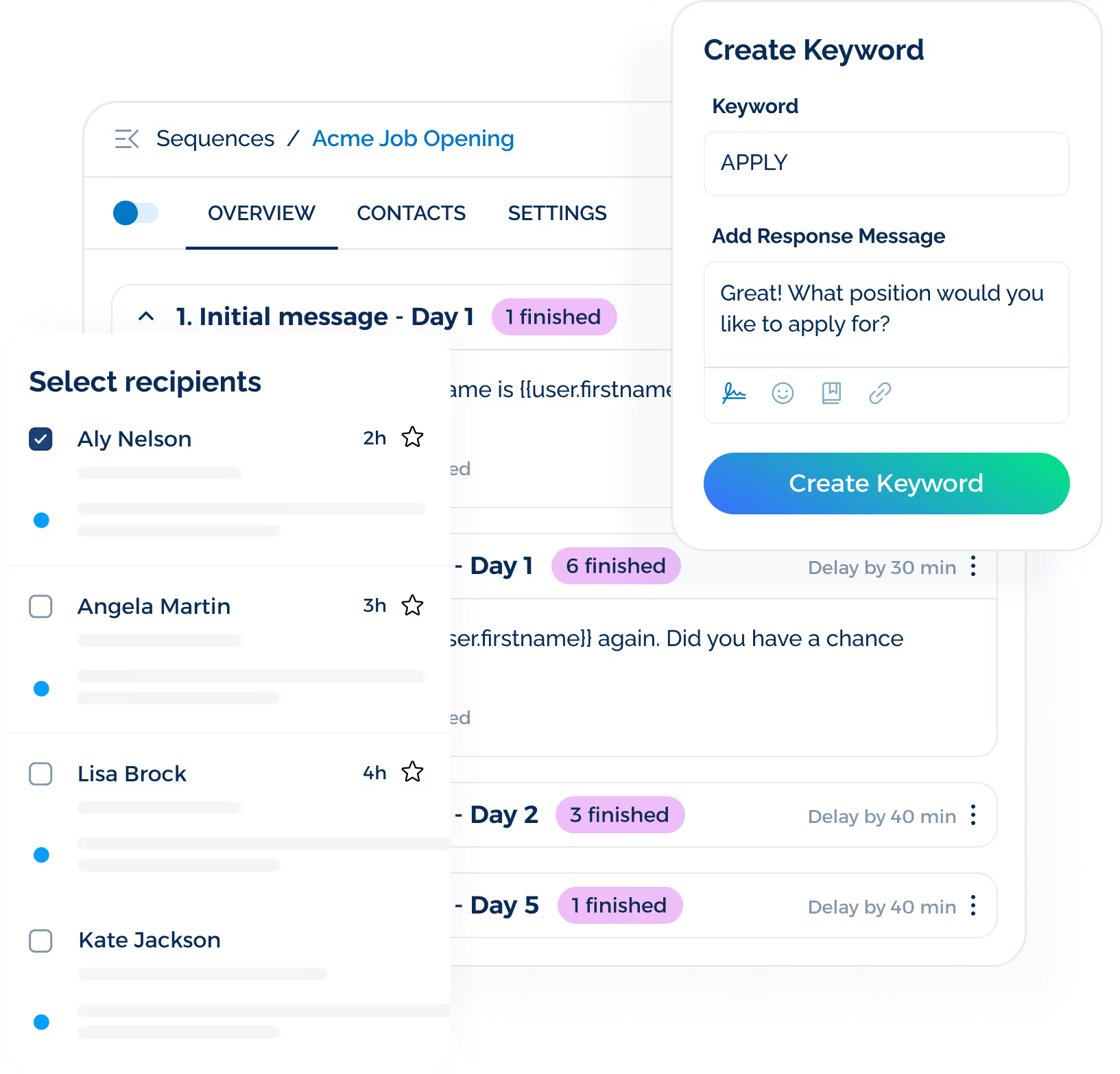
Then, your recruiting team can route the conversation based on that response. Two-way texting also supports follow-up when a candidate needs more information before moving to the interview stage.
Step #10: Speed Up Interviews and Hiring Decisions
A structured interview format, set evaluation criteria, and faster internal approvals help prevent bottlenecks when several candidates need decisions at the same time.
Text reminders help candidates stay on top of interview details. A confirmation message after booking, a reminder the day before, and a final note a few hours before the interview reduce missed appointments.
TextUs supports scheduled interview reminders and conversational replies within the same conversation.
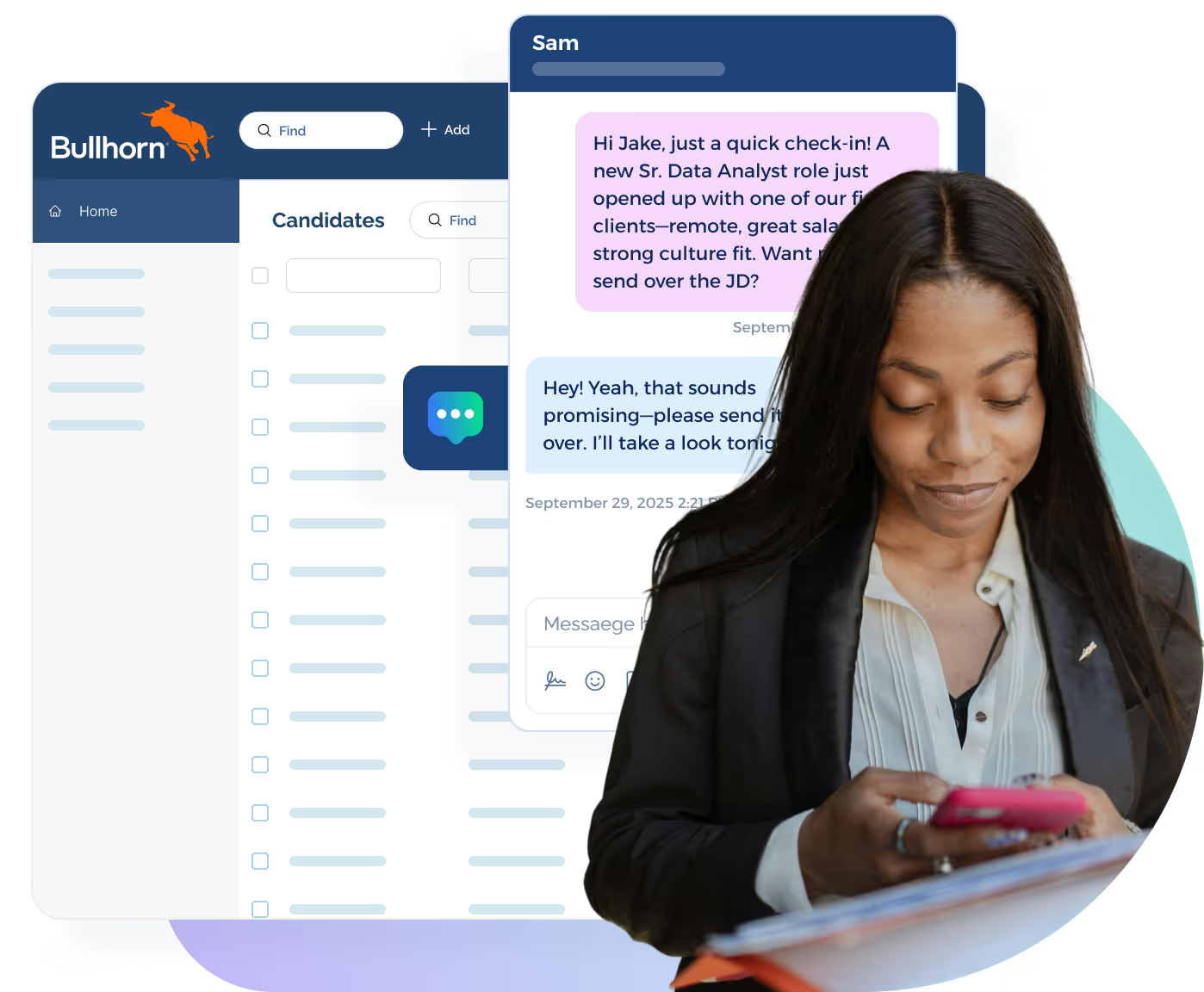
Its integrations with ATS such as Bullhorn, Greenhouse, Workday, and Oracle Taleo also connect text conversations with existing candidate records.
You spend less time copying message details between systems and have more context available when moving candidates to the next stage.
Step #11: Make Your Job Offer Competitive
Pay, schedule flexibility, shift options, employee discounts, bonuses, and the expected length of the role can all influence whether someone accepts the offer.
Many employers increase hiring during the holiday season, so candidates may compare several seasonal opportunities at the same time.
You need to be upfront about compensation, expected hours, weekend requirements, and any incentives attached to the position.
Some employers also reward seasonal workers with completion bonuses, referral incentives, preferred shifts, or other perks tied to attendance and performance. These benefits make the role more appealing without changing the position itself.
Step #12: Onboard Employees Before Peak Demand Starts
New hires need enough time to learn procedures, understand their responsibilities, complete required paperwork, and get familiar with the systems they will use on the job.
Training should cover schedules, workplace policies, role expectations, manager contacts, safety protocols, and any required procedures for customer service or equipment use.
Texting supports onboarding when temporary staff need the same reminders at different points before their first shift. It lets you disseminate systems information before day one.
With TextUs, you can send SMS drip campaigns for paperwork deadlines, orientation dates, training sessions, first-day instructions, and other pre-start updates.
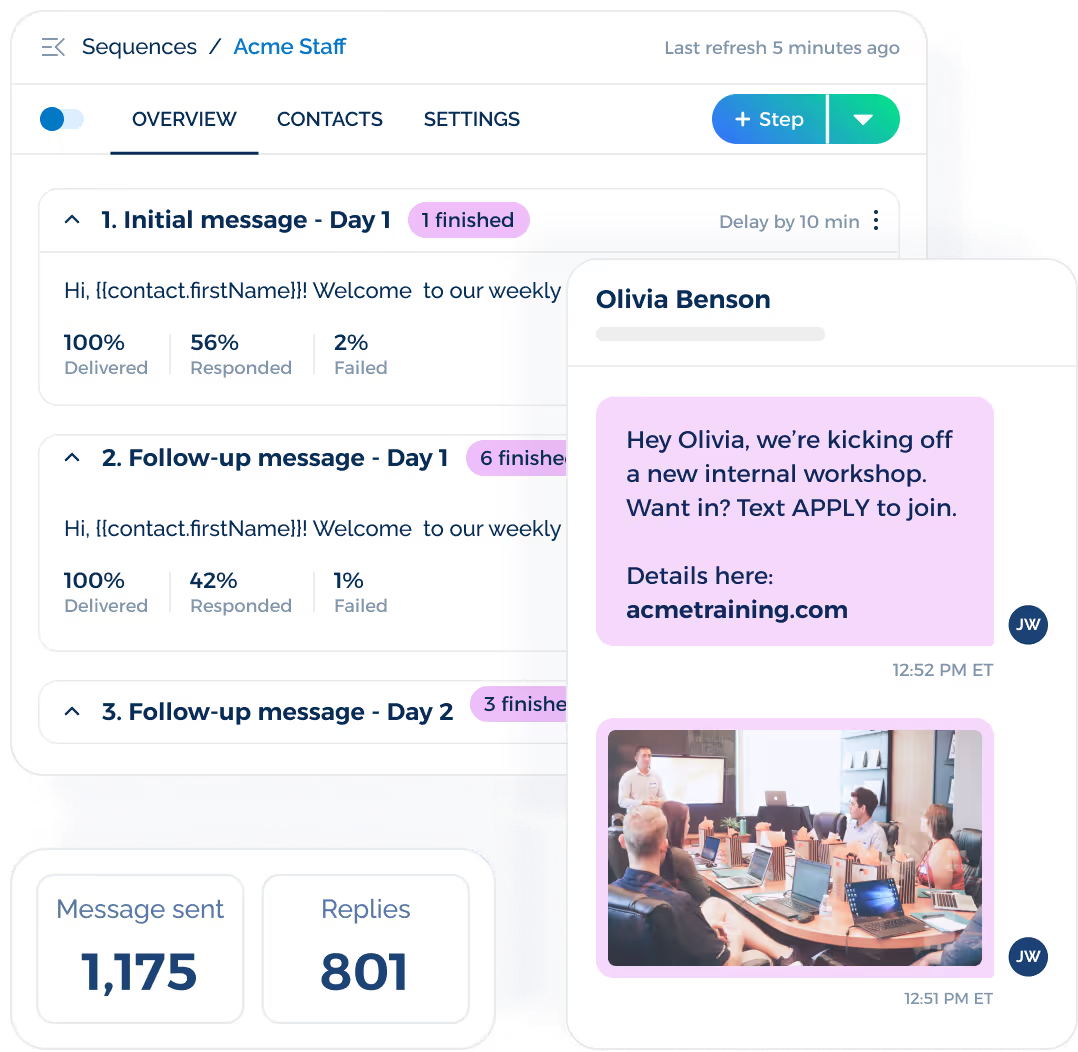
Employees still have a direct way to reply when they need clarification, which keeps onboarding communication in the same conversation from offer acceptance through day one.
What to Know About Seasonal Employment Laws
Before you recruit seasonal employees, make sure pay, schedules, and job requirements follow the rules that apply to each role. Seasonal status doesn't automatically remove federal wage and hour protections.
In most cases, covered nonexempt workers must receive at least the federal minimum wage, along with the protections provided under the Fair Labor Standards Act.
If employees work more than 40 hours in a workweek, they may also qualify for overtime pay at one and one-half times their regular rate.
State and local labor laws can be stricter, so you should check the requirements that apply in each location where you hire.
You also need to take extra care when hiring minors. Federal child labor rules limit the hours and types of jobs available to younger workers, and state laws may add further restrictions.
Some seasonal amusement or recreational businesses may qualify for an exemption under the Fair Labor Standards Act when they meet the applicable tests. That said, operating for only part of the year does not automatically qualify a business for that exemption.
Speed Up Seasonal Hiring Through Real-Time Texting With TextUs
Seasonal hiring leaves very little room for delays. You need to attract candidates, schedule interviews, and complete onboarding within a short window, even when the role only lasts a few months.
If your HR processes rely on slow email follow-ups or repeated phone calls, every missed response can put staffing targets at risk before peak demand even begins.
TextUs helps you keep that process moving through real-time texting. It lets you reach candidates with interview reminders, offer updates, onboarding instructions, and follow-ups in the same channel.
That means fewer communication gaps, less manual chasing, and a more connected recruiting experience from first contact through day one.

Book a demo with TextUs today to see how texting can support your seasonal needs and keep candidates engaged throughout the hiring process!
FAQs About How to Recruit Seasonal Employees
How to hire seasonal employees?
Start with your staffing forecast, then define the role, recruit through relevant channels, screen for availability, and communicate throughout the process.
If you're a seasonal employer with several branch offices, you need separate hiring plans by location. Businesses such as summer camps may recruit around specific operating periods and later offer full-time employment to high-performing workers.
What are the five C's of recruitment?
One common framework uses competence, character, communication, culture fit, and consistency to evaluate candidates beyond their resumes. A consistent framework leads to fewer mistakes by giving recruiters the same criteria to use for every applicant.
What is the 70/30 rule in hiring?
The 70/30 rule suggests considering candidates who already meet around 70% of the essential job requirements while allowing the remaining 30% to consist of skills they can learn after hiring.
However, this is only a recruiting guideline rather than a formal employment rule.
What is the 80/20 rule in recruiting?
The 80/20 rule applies the Pareto principle to recruiting, with the idea that a smaller share of sourcing channels or hiring activities may produce a larger share of successful hires.
You can use it to identify which recruiting efforts deliver the most value while making sure the rest of your process remains intact.
Continue Reading



Frequently Asked Questions
Business Texting
Built for Results
Create and convert pipeline at scale through industry leading SMS software