
10 B2B Mobile Marketing Strategies for Better Engagement
Explore the top ten B2B mobile marketing strategies and find out how they can improve your buyer engagement. Discover how TextUs can help out.

Written by
Adam Hamdan
Published
March 30, 2026

Mobile devices play a significant role in how buyers interact with content and move through the funnel. This shift has changed how companies need to approach business-to-business marketing communication.
A mobile-friendly approach makes it easier for users to access information, respond to outreach, and take action. You'll stay visible, connect faster, and guide buyers through each stage of the process.
In this article, we will break down the importance of mobile engagement for B2B mobile marketing and learn strategies you can use to improve your campaign results.
TL;DR
- Mobile engagement drives how B2B buyers research, respond, and move through the buying process.
- Success in B2B mobile marketing comes from using SMS marketing, a user-focused strategy, personalized content, mobile-friendly design, targeted advertising, social media engagement, SEO for visibility, automation for lead management, testing for optimization, and referral marketing to expand reach.
- TextUs strengthens your B2B mobile marketing by enabling SMS communication, automation, and organized lead management.
The Impact of Mobile Engagement in B2B Marketing
Business buyers rely on mobile devices to check updates, review offers, and respond to messages. Mobile engagement shapes how businesses connect with clients during the buying cycle.
Strong mobile presence allows you to stay visible and stay part of daily business activity. That behavior creates more chances for you to stay visible and stay part of ongoing conversations.
Mobile technology also influences how decision-makers move through the purchasing process. Many rely on quick access to digital content such as pricing, case studies, and product details.
A user-friendly mobile web experience allows buyers to act. Brands that fail to deliver a strong mobile path risk slowing down interest and losing attention early.
Finally, mobile engagement supports stronger outcomes in terms of conversion rates and long-term value. When you offer a superior mobile experience, you build trust and drive engagement from users.
10 Mobile Marketing Strategies for B2B Success
A well-structured plan brings together messaging, content, and systems that support how buyers research and make decisions. Here are ten mobile marketing strategies to strengthen your B2B marketing approach:
1. Use SMS Messages for Direct Communication
B2B SMS marketing remains one of the most reliable ways to reach mobile users in a business setting.
Since most professionals keep their phones close, it supports faster lead response and keeps conversations active throughout the day.
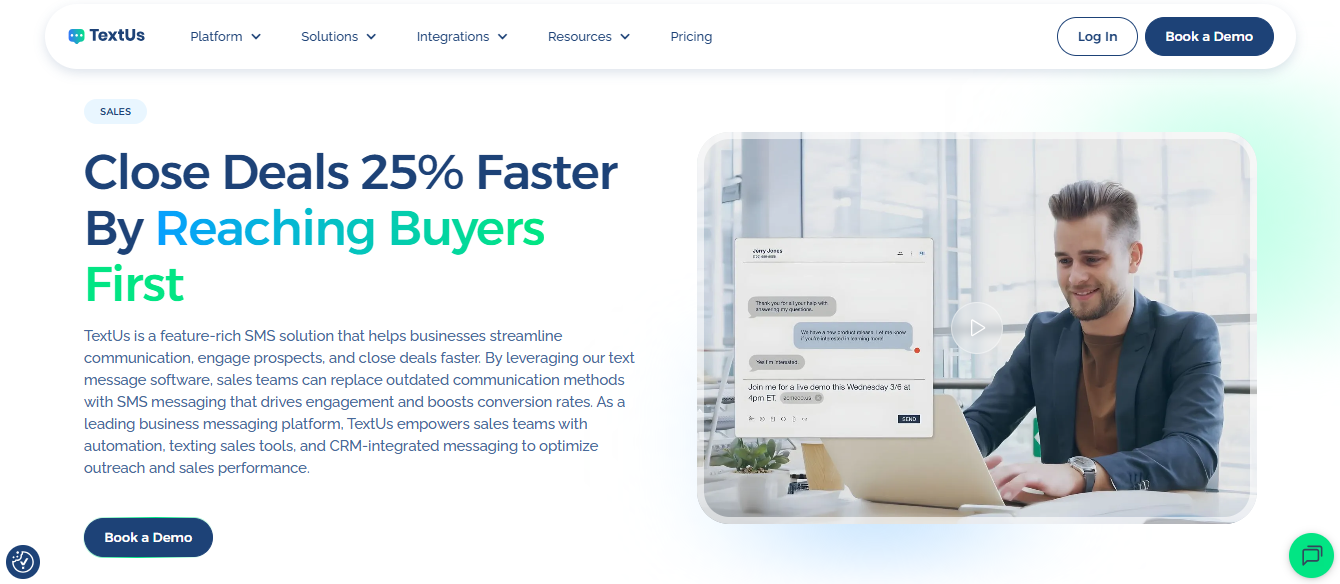
SMS works best for follow-ups, reminders, and quick updates. It supports lead generation by allowing sales reps to reach out at the ideal moment.
Compared to traditional channels, SMS creates a direct line for real-time feedback. This makes it easier to adjust conversations based on buyer responses.
TextUs allows sales teams to manage conversations, automate messages, and keep every interaction organized in one system.
This sales texting software also supports SMS automation, so teams can handle more leads without losing the personal touch.
B2B marketing also improves user engagement since messages are short and easy to act on. A well-timed message can guide potential buyers toward the next step and keep deals moving forward.
Consistent and relevant messaging can support long-term customer loyalty. Book a demo with TextUs and start turning conversations into business opportunities!
2. Build a Mobile-First Strategy Around User Behavior
You need to study user behavior and mobile usage patterns to see how buyers read, scroll, and respond. These insights show what captures attention and what gets ignored.
Buyers switch between tasks quickly, so your content and app features need to load fast and guide action instantly. A weak setup leads to a poor experience, which can push users away before they take the next step.
You should also use insights from behavior and customer data to improve your mobile marketing efforts. Track how users move through your funnel, from first click to final action for data-driven decisions.
3. Create Personalized Content for Better Engagement
Generic content tends to perform less well in modern B2B marketing. Using the right tone and context helps brands engage customers in a more meaningful way.
Insights from customer data create personalized experiences for each buyer. This includes past interactions, interests, and actions taken on your site or campaigns.
Strong personalization also improves results across channels like email marketing and SMS campaigns. Messages that speak directly to the user tend to drive higher response and better click-through rates.
4. Optimize for Mobile Apps and Responsive Design
Your website should perform well on phones first. Every page should adjust to different screen sizes so users can read, scroll, and act with ease.
Your mobile version needs to have clean layouts, readable text, and visible buttons to improve how users move through your site.
A good responsive design also supports better results from your campaigns. Prospects who land on a well-optimized page are more likely to stay, explore, and respond.
A positive mobile experience also supports growth in mobile traffic. As more users access content through phones, your site needs to keep up.
5. Use Mobile Advertising to Reach Target Audiences
Campaigns built around mobile ads place your message in front of users while they browse, scroll, or check updates. This approach helps your brand stay visible during key moments in the day.
You can use location data to reach users in areas during industry events or local campaigns. This allows you to show relevant offers based on specific locations and what users are likely looking for.
Strong ad campaigns also support how you connect with the right audience. Instead of broad targeting, focus on segments that match your goals to improve the chances of meaningful interactions.
6. Leverage Social Media Platforms for Mobile Reach
Many users spend time scrolling feeds, watching videos, and reading updates on their phones. That makes social channels a strong place to share compelling content and stay present in daily activity.
Short posts, videos, and stories allow you to engage customers without long messages. Adding interactive elements can improve engagement and keep users involved.
Social also supports stronger digital experiences by giving users multiple ways to interact with your brand. Comments, messages, and reactions allow ongoing communication.
7. Focus on Search Engine Optimization (SEO)
Many purchasing decisions begin with a search query, especially on mobile. Your goal is to appear in those moments with content that answers questions and guides users toward action.
Start with keyword research based on intent. Identify terms tied to problems, solutions, and product comparisons.
Then, you can build pages that match those searches and structure them with headings, short paragraphs, and direct answers. Your content should support both quick scanning and deeper reading, since mobile use often happens in short sessions.
You have to improve on-page SEO by optimizing titles, meta descriptions, and headers that reflect search intent. Make sure your pages load fast and display properly on all devices.
Also, create pages that include real value, such as guides, use cases, and product demos. These formats keep users engaged longer and increase trust.
8. Manage Leads With Automation and Customer Relationship Management (CRM) Systems
Automation tools allow you to organize contacts, track interactions, and keep communication consistent.
CRM systems also support better team collaboration. Sales and marketing can share data, view updates, and stay aligned on each lead’s status.
SMS automation also improves how leads are handled from the moment they enter your system. Instant replies, scheduled follow-ups, and triggered messages reduce wait time and keep prospects engaged.
Faster lead response time improves the chances of conversion, especially when interest is high. When combined with CRM tracking, SMS becomes a strong system for managing leads.
9. Refine Campaigns With Testing and Performance Insights
Instead of repeating the same approach, you can make small adjustments to see what drives better results. Even minor changes can impact how users respond.
Start by analyzing performance data to understand how users interact with your campaigns. These insights help refine your approach within your overall marketing mix.
You can utilize platforms to track key metrics such as engagement, response rates, and conversions. These numbers give a better view of campaign performance.
Testing also reveals other factors that influence outcomes, such as message timing or content structure. Over time, consistent testing leads to stronger campaigns and more reliable results.
10. Grow Your Reach Through Referral Marketing
In B2B, referrals can happen between partners, clients, or networks connected to other businesses. A satisfied client can introduce your solution to new prospects who are already more open to your offer.
For example, companies working with the same vendor or attending similar events may share recommendations. These connections create new opportunities without heavy outreach.
You have to identify your most satisfied clients and partners. These are the people most likely to refer your business. Create a simple process where they can submit referrals through a form, email, or even SMS.
Then, offer incentives that match your audience. This could include service credits, account upgrades, or early access to new features. Make sure both the referrer and the new lead receive value to increase participation.
Bring Speed and Simplicity to Your Sales Process With TextUs
Buyers no longer wait for emails or scheduled calls. They check messages, respond in real time, and make decisions faster than ever.
SMS mobile marketing is a powerful tool in meeting that demand. It keeps communication immediate and easy to act on, which helps your team stay present during key moments in the buying process.
A well-planned SMS approach allows you to follow up with leads, confirm meetings, send reminders, and keep conversations active.
TextUs allows you to manage conversations, automate follow-ups, and keep every interaction organized in one system.
Rather than relying on slow back-and-forth across multiple channels, it creates a direct line that supports faster responses and improves mobile conversions.
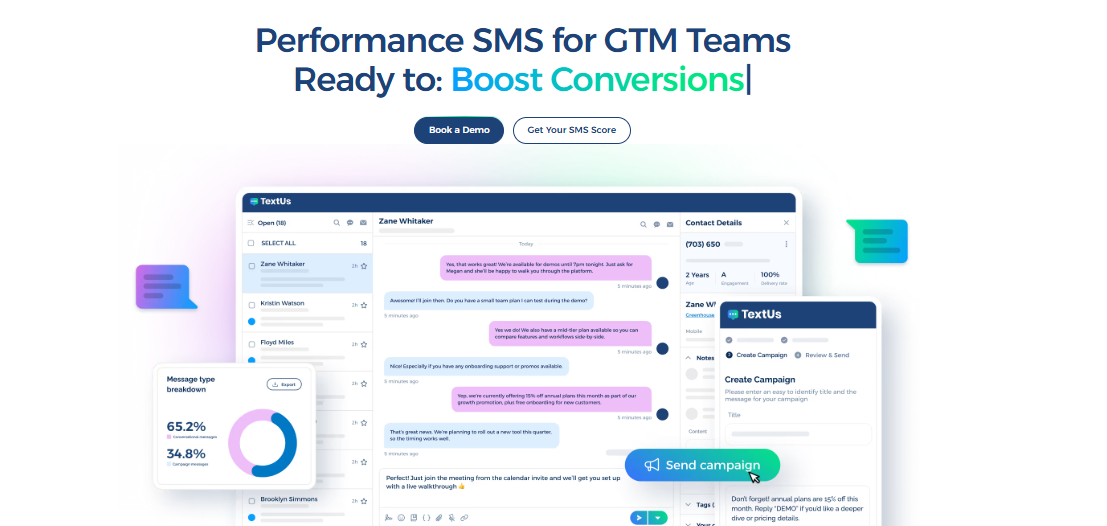
If you want a more direct way to connect with business clients and turn conversations into revenue, book a demo with TextUs today!
Continue Reading



Frequently Asked Questions
How is B2B mobile marketing different from B2C?
In B2B, businesses sell products with longer sales cycles and involve multiple stakeholders. Messaging is more informative and aligned with business goals, since decisions require research, approvals, and specific value.
In contrast, B2C targets quicker purchases and is driven by emotional triggers. B2B requires more touchpoints and deeper content to support decision-making.
What are common mistakes in B2B mobile marketing?
Some common issues include slow mobile pages, unclear messaging, and a lack of personalization. Overloading users with content or sending messages at the wrong time can also reduce engagement.
Relying too much on traditional methods without adapting to mobile behavior can also limit results. A simple and well-structured approach tends to perform better.
How do you keep mobile campaigns consistent?
A content calendar helps maintain regular communication without sending too many messages at once. It also ensures that each message supports a larger goal within one business strategy.
Using automation tools can support consistency by scheduling messages and triggering follow-ups based on user actions. You can also track metrics to monitor performance and adjust campaigns over time.
Business Texting
Built for Results
Create and convert pipeline at scale through industry leading SMS software