
SMS Fees: A Guide to Text Messaging Costs for Businesses
Explore our guide on SMS fees, see what to look for beyond the headline price, and learn how to lower SMS costs without weakening your results.

Written by
Adam Hamdan
Published
July 24, 2026

A low SMS rate on the pricing page can look like a steal until the rest of the bill shows up.
Carrier fees, registration costs, overages, number rental, and paid add-ons can all change what you thought you were signing up for.
The wrong plan can be just as expensive, especially when you end up paying for extra users, message volume, or features your team never touches.
In this article, we will break down the real cost of business texting, explain what to look for beyond the headline price, and show how to lower SMS costs without weakening your results.
TL;DR
- SMS fees cover the cost of business texts, along with possible charges for carriers, phone numbers, registration, software, MMS, and international messaging.
- The fees can change based on message volume and length, character encoding, carrier surcharges, number type, inbound replies, destination, MMS use, registration requirements, and platform features.
- Hidden SMS fees can come from overages, unused credits, failed sends, added users, contract terms, data migration, and compliance issues.
- You can lower SMS costs by tightening messages, cleaning and segmenting contacts, controlling send frequency, using focused automation, comparing plan features, negotiating volume rates, and tracking cost per conversion.
- TextUs offers flexible SMS pricing based on your team size, message volume, and campaign needs, so you only pay for what fits your business.
What Are SMS Fees?
Short Message Service (SMS) fees are the charges you pay to send and receive text messages through a business texting platform.
The cost is not always limited to the text itself. Your bill may also include:
- carrier charges
- phone number fees
- registration costs
- monthly software fees
- higher rates for MMS or international messages
SMS vs Messaging Apps: Why Costs Differ
A text and a WhatsApp message may look almost identical on your phone.
You type a message, tap send, and it lands on someone else’s screen. The difference is the route it takes.
SMS runs through mobile carrier networks. Carriers charge for the traffic they handle, so you will need to pay for each message segment sent.
A standard SMS can hold up to 160 basic characters. Longer messages (up to tens of thousands of characters) may split into two or more segments, which can increase the total cost.
Emojis and special characters also reduce the character limit. This means a message may cost more than expected even if it looks like one text on the recipient’s phone.
Messaging apps use Wi-Fi or mobile data instead. That's why apps such as WhatsApp, Messenger, and iMessage support long messages and files without a standard SMS charge for every send.
But the catch is that people need both the app and an internet connection for those consumer texting apps.
SMS does not have that barrier because it can reach almost any mobile phone. That wider reach is what you're paying for.
Factors That Affect SMS Fees
Two businesses can send the same number of texts and still end up with different bills. Here are the main factors that can affect what you pay.
Message Volume
Your total cost rises as you send more messages. But the rate per message may decrease at higher volumes.
Some providers offer volume discounts or custom rates for large promotional campaigns. Others charge the same rate for each message segment, no matter how many you send.
High-volume messaging may also require a minimum monthly spend or contract commitment.
Message Length
SMS providers charge by message segment rather than by the number of texts that appear on the recipient’s phone.
A standard SMS can hold up to 160 GSM-7 characters. GSM-7 includes most letters, numbers, and common punctuation used in English messages.
When your text goes beyond 160 characters, it may split into several parts. Multi-part GSM-7 messages usually hold up to 153 characters per segment because some space is used to connect the parts.
Emojis and Special Characters
Emojis can make your message more inviting, but they may also increase its cost.
Most emojis, non-Latin characters, smart quotation marks, and certain accented letters require Unicode encoding.
A Unicode SMS can hold up to 70 characters in one segment. When the text splits into several parts, each segment commonly holds up to 67 characters.
One emoji or special character can change the encoding for the entire message. A text that would fit into one GSM-7 segment may turn into two or more Unicode segments.
Carrier Surcharges
SMS carrier fees apply when business messages pass through mobile networks.
These charges sit on top of the base rate from your messaging provider. Your invoice may show them as carrier surcharges, pass-through fees, or network fees.
The final amount can depend on the recipient’s carrier, country, phone number type, message direction, and messaging category.
Phone Number Type
The number you use to send texts can change your setup, registration, rental, and usage costs. Common business sender types include long codes (10DLC), toll-free numbers, and short codes.
Each one comes with a different price structure and use case. We will break down the costs and benefits of each sender type later in this guide.
Inbound and Outbound Messages
Some providers charge only for outbound messages. Others charge for both incoming and outgoing texts.
Certain services include incoming messages in the platform plan, while others deduct them from your message balance or add a separate charge.
You have to consider this when you use SMS for sales, support, appointment scheduling, or recruitment processes. A campaign that receives many replies may use more credits than expected.
Domestic and International Messaging
SMS rates vary by destination country and mobile network.
International messages have different rates from domestic texts, but they are not always more expensive in every market.
The final price can depend on the recipient’s country, mobile carrier, sender type, route, local tax rules, and registration fee requirements.
Some countries may also require an approved sender ID, local phone number, or business documents before you can send multiple messages.
MMS Usage
Multimedia Messaging Service (MMS) carrier fees apply when you send media instead of plain text.
With MMS, you include images, GIFs, audio, and other supported files. This is ideal for event flyers, product photos, promotional graphics, coupons, and visual announcements.
MMS pricing is higher than SMS. The exact rate depends on your provider, phone number type, destination, and mobile carrier.
Registration and Compliance Fees
Business texting requires sender verification or campaign registration.
In the United States, businesses that send application-to-person messages through local 10-digit numbers may need to complete A2P 10DLC registration.
Toll-free numbers follow a separate verification process. Dedicated short codes require their own application and carrier approval.
Platform Features
The software behind the messages can add to your monthly cost.
SMS features such as automation, shared inboxes, templates, analytics, integrations, user seats, and contact management may be included in the plan or charged as add-ons.
Some providers include these features in the monthly fee. Others charge extra costs when you add more users, contacts, campaigns, integrations, or automations.
SMS Fees by Phone Number Type
The number you use can change more than the monthly rental cost. Here are the common types of numbers and the costs you may need to budget for.
Local 10-Digit Numbers
A 10DLC number uses a familiar area code. You can use this option for sales, recruiting, appointment reminders, customer support, and other two-way conversations.
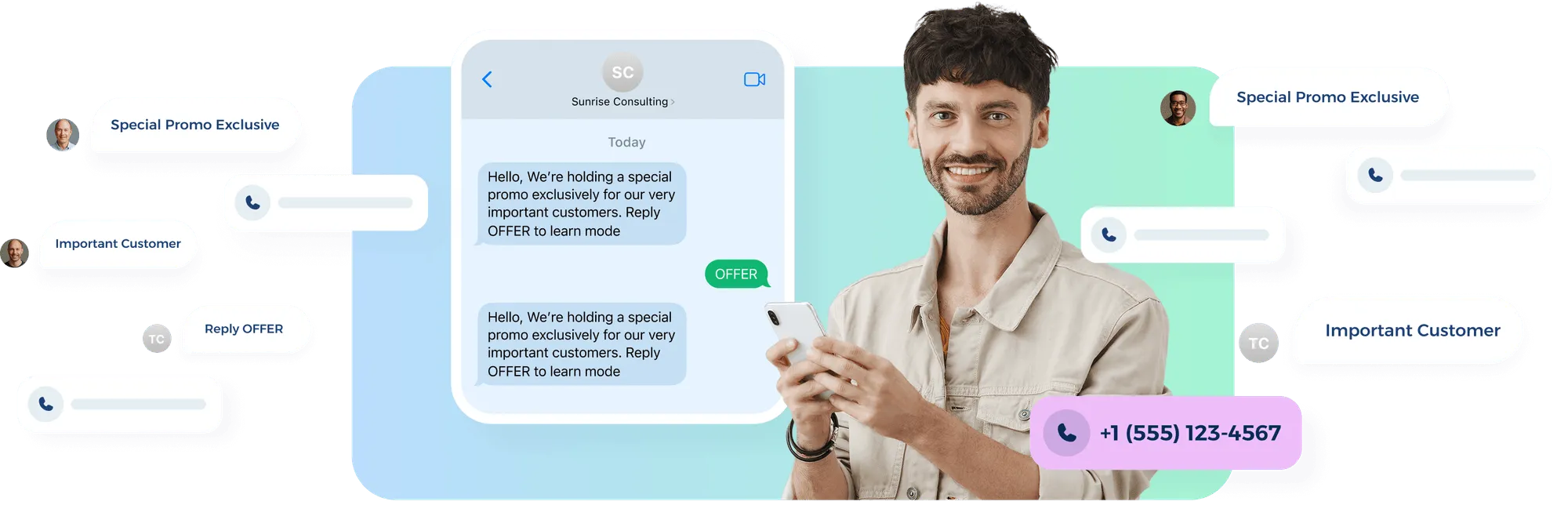
The rental number commonly costs around $1 to $2 per month. The base SMS rate generally falls between $0.004 and $0.01 per message segment, depending on the provider and message volume.
In the United States, businesses sending SMS from 10DLC numbers to U.S. recipients must complete A2P 10DLC registration through The Campaign Registry.
Registration may include a one-time brand fee of around $4 to $4.50, a campaign review fee of about $15, and a recurring campaign fee. Providers may also charge a one-time setup fee for handling the registration process.
Most standard campaign fees range from $1.50 to $10 per month, although certain specialized campaign types may cost more.
Toll-Free Numbers
Toll-free numbers use prefixes such as 800, 888, 877, or 866.
They can support SMS and MMS messages and are commonly used for customer service, notifications, marketing, and national campaigns.
A toll-free number generally costs around $1 to $3 per month. SMS usage falls between $0.006 and $0.02 per message, before carrier fees and platform charges.
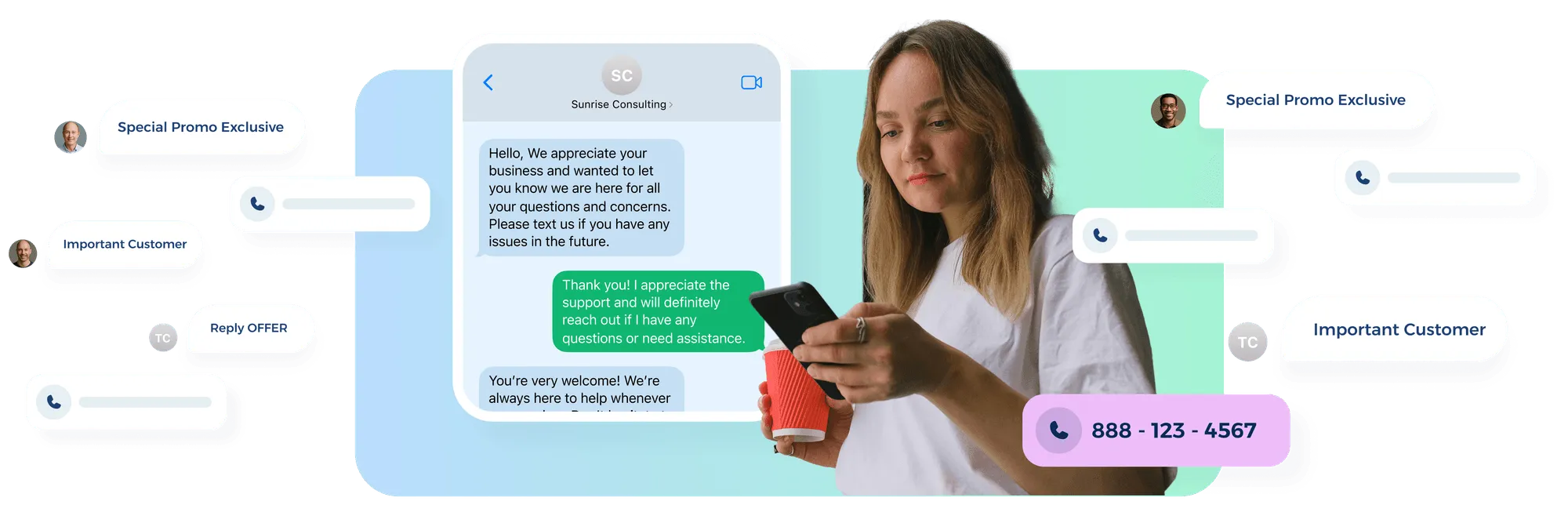
Toll-free numbers follow a separate verification process from local 10DLC numbers. Unregistered traffic may face tighter sending limits or stronger filtering.
Short Codes
A dedicated short code is a five- or six-digit number assigned to one business. These numbers are made for large SMS campaigns and time-sensitive messages.
Monthly short-code leasing usually falls between $500 and $1,500. Randomly assigned codes tend to cost less, while vanity codes sit at the higher end.
The vanity option costs more because you can choose an available number instead of receiving one at random.
The lease is not the only expense. Setup, carrier approval, provisioning, message usage, platform access, and carrier fee surcharges can all raise the total cost.
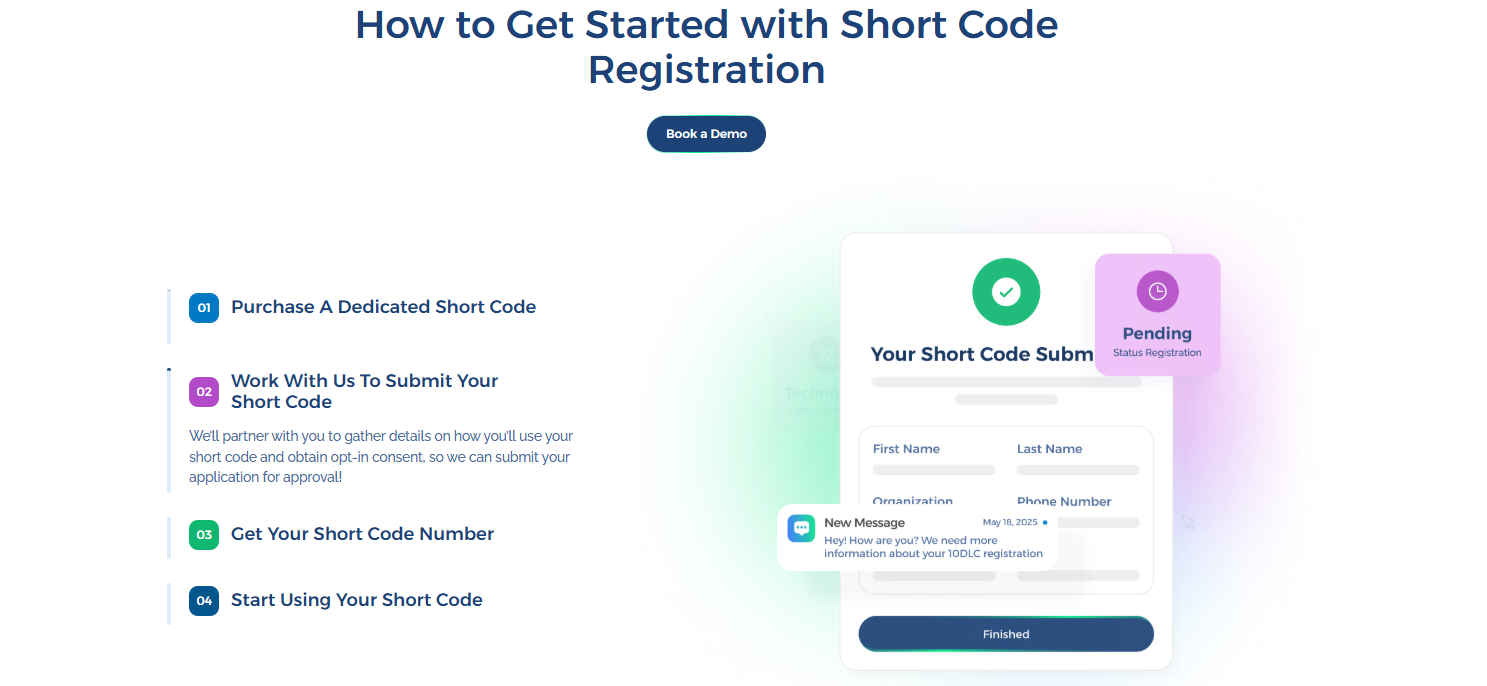
TextUs makes short code messaging easier to manage once your business qualifies. You can run high-volume campaigns and keep each message tied to the right stage of the customer journey.
Hidden SMS Fees to Watch For
The price you see on a provider’s website may not reflect the full amount you will pay each month. Below are the hidden fees that can raise your final SMS bill.
Message Overage Fees
Some SMS plans include a set number of messages each month. Once you pass that limit, the messaging provider may charge an overage rate for every additional segment.
A busy campaign, seasonal promotion, or unexpected rise in customer replies can push your account past its allowance.
Unused Message Credits
A large message package may look like a better deal, but it can waste money when your business does not use the full allowance.
Some providers let unused credits expire at the end of the billing period. Others may allow a limited rollover or carry them forward under certain plans.
Failed Message Charges
Some providers bill for each message submitted to the network, even when the number is invalid, inactive, blocked, or unable to receive SMS.
Carrier filtering and delivery errors can also leave you paying for SMS messages that never reach the recipient.
Extra User Fees
Your monthly platform price may cover only one or a limited number of users.
Additional costs may apply when you add sales representatives, recruiters, support agents, managers, or administrators.
These charges can raise the total cost fast when several departments use the same texting platform.
Cancellation and Early Termination Fees
Long-term contracts may include charges for ending the service before the agreement expires.
You may also lose prepaid message credits, setup fees, or access to your phone number after cancellation. Some providers require advance notice before the contract renews.
Data Import and Migration Fees
Moving your contacts, message history, phone numbers, and account settings to a new platform may come with added costs.
Providers may charge for contact cleanup, custom field mapping, CRM setup, historical data transfer, or technical support during migration. Phone number porting can also involve separate fees or approval steps.
Compliance Penalties and Remediation Costs
Poor SMS compliance can cost much more than the messages themselves.
Texts sent without proper consent may lead to carrier filtering, number suspension, account restrictions, or non-compliance penalties.
You may also need to spend money on legal advice, campaign reviews, contact list cleanup, or new registration.
Choose an SMS platform that supports opt-in records, automatic opt-out handling, suppression lists, and message history. These controls protect consumers, reduce compliance risk, and prevent more expensive problems later.
TextUs supports 10DLC registration, consent management, automatic opt-out handling, message history, and customizable opt-out language. Book a demo today!
How to Reduce SMS Costs Without Hurting Results
Lowering your SMS marketing costs does not mean sending fewer messages at random or cutting the tools your team needs.
Here are practical ways to spend less while keeping your campaigns worth responding to.
Keep Messages Within One Segment
A tight message usually costs less, reads better, and keeps your messages concise. A main point, a useful detail, and a single next step are often enough to maintain brand consistency.
Extra context can go on a landing page, especially when links or personalized fields start pushing the text into another SMS segment.
Limit Unnecessary Emojis and Unicode Characters
A little personality is great, but five emojis rarely make the message five times better.
Certain emojis, symbols, and smart punctuation can switch the text to Unicode and cut the character limit based on the message type.
A quick segment check can save you from paying higher fees for a message that still looks short on screen.
Clean Your Contact List
An old contact list may quietly eat through your budget. Duplicate numbers, failed deliveries, inactive contacts, and outdated records all create sends that go nowhere.
Regular cleanup keeps your campaigns focused on people who can still receive and respond to your messages, while reducing additional fees.
Segment Your Audience
Customers, prospects, applicants, and past buyers may care about very different things.
Smaller, multiple segments based on location, stage, interest, or past activity make each send more relevant and reduce the need for repeated follow-ups.
Control Send Frequency
A fuller calendar does not always mean a stronger SMS strategy. Irrelevant messages can raise costs and push people toward the opt-out button.
Legal risk may also increase when automated marketing texts are sent without the consent required under the Telephone Consumer Protection Act (TCPA).
Use Automation With Specific Rules
Triggers and timing can keep workflows focused on the right audience instead of sending the same sequence to everyone. A sequence can pause after a reply, purchase, booking, or opt-out.
TextUs lets you build scheduled messages, recurring texts, keyword-triggered replies, and drip campaigns with set timing between each step.
Compare Included Features
A cheap plan becomes expensive once the add-ons start piling up. User seats, automation, integrations, keywords, reporting, and compliance support may sit behind higher-tiered pricing.
The better deal is the plan that covers what your team will use, not the one with the smallest number on the SMS pricing page.
Negotiate Volume Discounts
Steady message volume gives you more room to discuss pricing. Past usage and seasonal peaks show a provider what your account is worth.
Any lower rate should still be weighed against minimum spending rules, contract length, and unused message commitments.
Track Cost Per Conversion
A low SMS rate means little when the campaign produces nothing. Replies, appointments, leads, sales, and completed forms give you a clearer view of your SMS marketing ROI.
Campaigns with strong results deserve more attention, while weak ones should not keep spending your budget out of habit.
Make Every Campaign Worth the Spend With TextUs
You don't need to be guessing what each campaign will cost or where your budget is going.
TextUs is an SMS marketing platform that helps you manage message volume, monitor opt-out risk, build targeted campaigns, and keep texts focused before you send.
You can target the right audience, review message quality, manage opt-out risk, automate follow-ups, and keep conversations organized without losing sight of cost.
Your SMS investment should lead to replies, appointments, leads, and action, not just a lower rate per text. TextUs pricing also gives you room to choose a plan that matches your current needs.
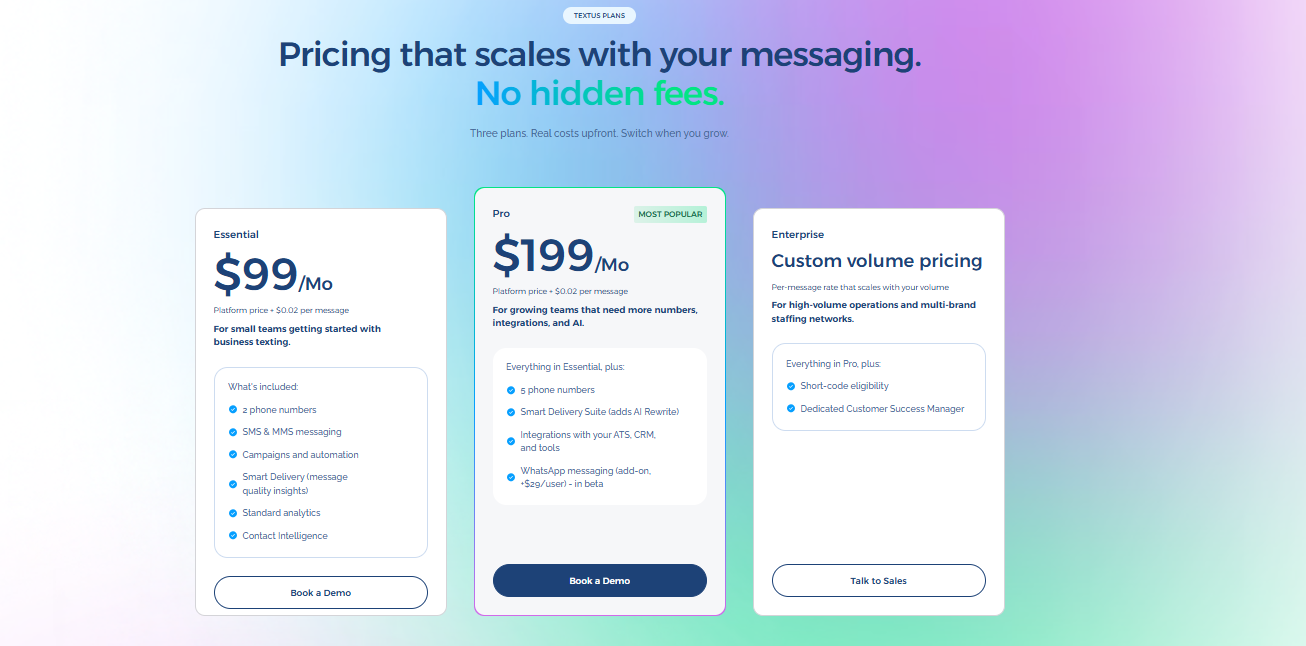
Book a demo with TextUs today to see how smarter messaging can give you more value from every campaign!
Continue Reading



Frequently Asked Questions
What is an SMS fee?
An SMS fee is the cost of sending or receiving a text through a mobile carrier or business messaging platform.
The fee may cover the message itself. But your total cost can also include carrier surcharges, phone number rental, sender registration, MMS costs, and other fees tied to platform access.
How much are SMS fees?
Business SMS fees in the United States often range from a few cents per message, with common estimates between $0.01 and $0.05.
TextUs offers monthly plans that combine SMS tools with usage-based messaging. You can choose from Pro or Enterprise options based on your team size, message volume, and campaign needs.
Do I get charged for SMS text?
For personal texting, the answer depends on your mobile plan. Many phone plans include domestic SMS, so you may not see a separate charge for each text.
A higher cost may still apply to international texting, premium messaging services, roaming, or usage outside your plan.
Business Texting
Built for Results
Create and convert pipeline at scale through industry leading SMS software