
How Real-Time Customer Engagement Improves Business Speed
Learn how real-time customer engagement works and how it can improve customer satisfaction. Discover how TextUs can help you out.

Written by
Adam Hamdan
Published
April 7, 2026

New customers may ask a question, compare options, request support, or wait for an update. The response they get next can shape what they do after that.
Engagement starts when you respond at the exact moment a person shows interest. A timely response can make the experience smoother and provide your business a better chance to earn trust.
In this article, you will learn the importance of real-time customer engagement and how to use it to strengthen customer relationships and drive loyalty.
TL;DR
- Poor experiences can push people away fast, especially when you struggle with slow replies, missed follow-ups, disconnected communication, and weak personalization.
- To improve customer engagement, you need to respond when intent is high, choose the right communication channel, personalize messages, keep communication simple, use automation, route complex issues, offer proactive help, align teams, and build a better experience.
- TextUs is a business texting solution that supports faster responses, personalized outreach, automated follow-up, support conversations, and connected workflows.
The Power of Real-Time Customer Engagement
According to PwC’s 2025 survey, 29% of consumers chose to stop purchasing from or engaging with a brand after a negative experience.
That shows how if people do not get the support or response they need in key situations, they may decide to leave.
Some of the most common challenges that make engagement harder include:
- Slow response times: Interest can fade before your team has a chance to reply
- Missed follow-up: Leads and customers may never get the next step they expected
- Disconnected communication between teams: Mixed messages and repeated questions can create a frustrating experience
- Weak personalization: Generic outreach can feel less useful and easier to ignore
Real-time engagement helps lower those risks because it keeps you connected during key decision points.
If someone has a question, runs into an issue, or needs a fast update, a prompt response can protect the relationship and keep the conversation moving in a positive direction.
Over time, the value goes beyond a single fast reply. Real-time engagement can lead to stronger trust and help you deliver an exceptional experience.
How to Engage Customers in Real Time
When you respond with relevant information, you create better results from first contact to long-term retention. Here are simple ways you can engage customers in real time and make each interaction more useful.
Respond When Intent Is High
High-intent moments sit at key points in the customer journey. If you wait too long, customer interest can drop, and the next step may never happen.
Start by deciding which actions show strong intent for your business. It could be a form fill, a live chat question, or a repeat visit to a product page.
Once you define those moments, you can build a lead response management plan around them and use real-time data to react while interest is still strong.
Another great way is to sort intent signals by priority. A customer who asks for pricing should get a faster reply than someone reading a blog post.
A visitor who comes back several times in one day may need a different follow-up than new users who are still in the early part of the customer journey.
Speed helps, but the reply also needs to fit the moment. If someone is comparing options, you can send product details or a short offer to book a time with sales.
If a person has already signed up, guide them with helpful next steps, such as onboarding flows or support for a new feature.
Use the Right Channel for the Situation
The best channel depends on what the person needs, how urgent the message is, and where that person already spends time.
Long product education usually fits email better because it gives you enough space to explain features, pricing, and use cases in a format people can review later.
Website questions usually start in chat because chat lets you answer quick questions while the visitor is still active on the site.
But SMS marketing stands out in moments where speed and ease are most important. If a lead asks for pricing or a buyer needs a quick update, it can maintain the interaction with less effort than other channels.
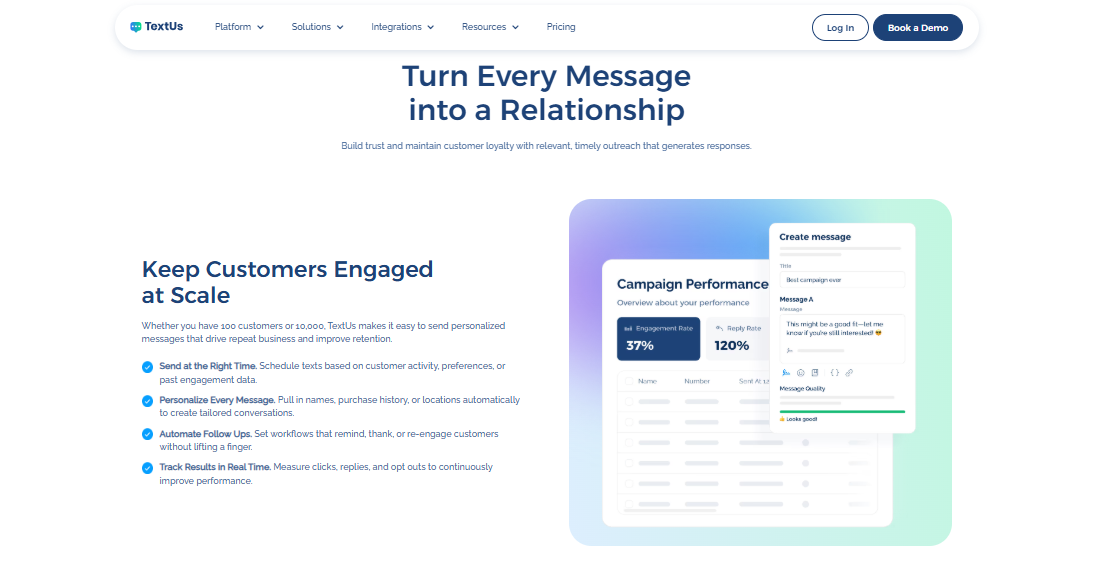
It also fits real-time outreach because people already use text in their daily lives. Replies can happen faster and with less back-and-forth.
Texting also works well when people move between devices and platforms. A person may ignore an email for hours but respond to a short text in minutes.
That can make SMS useful for reminders, follow-up after form fills, support check-ins, and short sales messages. It can also support personalized interactions when you use details like past activity, stage in the funnel, or known preferences to shape the message.
Personalize Messages Based on Customer Data
You can look at purchase history, past clicks, form fills, and customer feedback to understand what a person is more likely to want next.
That kind of context can support a more personalized customer experience and make each message feel more useful.
Data can also show patterns in individual customer behaviors. If someone keeps viewing the same service page or returns after a past purchase, the next message should reflect that action.
A short follow-up tied to live activity can create stronger personalized interactions than a generic message sent to everyone.
Good personalization also means knowing what not to send. If a buyer has already completed a step, the next message should move them forward instead of repeating old information.
Keep Messages Simple and Easy to Answer
People are more likely to respond when the message gets to the point, uses plain language, and asks for a single, simple next step.
A good approach is to focus each message on one purpose only. Trying to cover too much at once can confuse the reader and lower response rates.
It also helps to ask easy questions. A message that says “Are you free for a quick call today?” is easier to answer than one with too many choices or too much detail.
In real-time outreach, simple questions can lead to faster replies and more natural back-and-forth.
The format matters, too. Short sentences, a single call to action, and effective timing can lead to better results across different communication channels.
Use Automation for Speed and Consistency
Automation can help you respond faster and keep communication more consistent. But it's most effective when tied to specific actions.
A demo request, a cart action, a support form, or a missed meeting can all trigger the next message or task. With the right setup, you can react to live activity and create a smoother process from first contact to ongoing support.
Instead of relying on manual follow-up every time, SMS automation tools let you build text sequences for common moments such as lead response, appointment reminders, and support-based updates.
TextUs brings together AI features and built-in compliance automation, which helps you move faster while keeping risk in check.
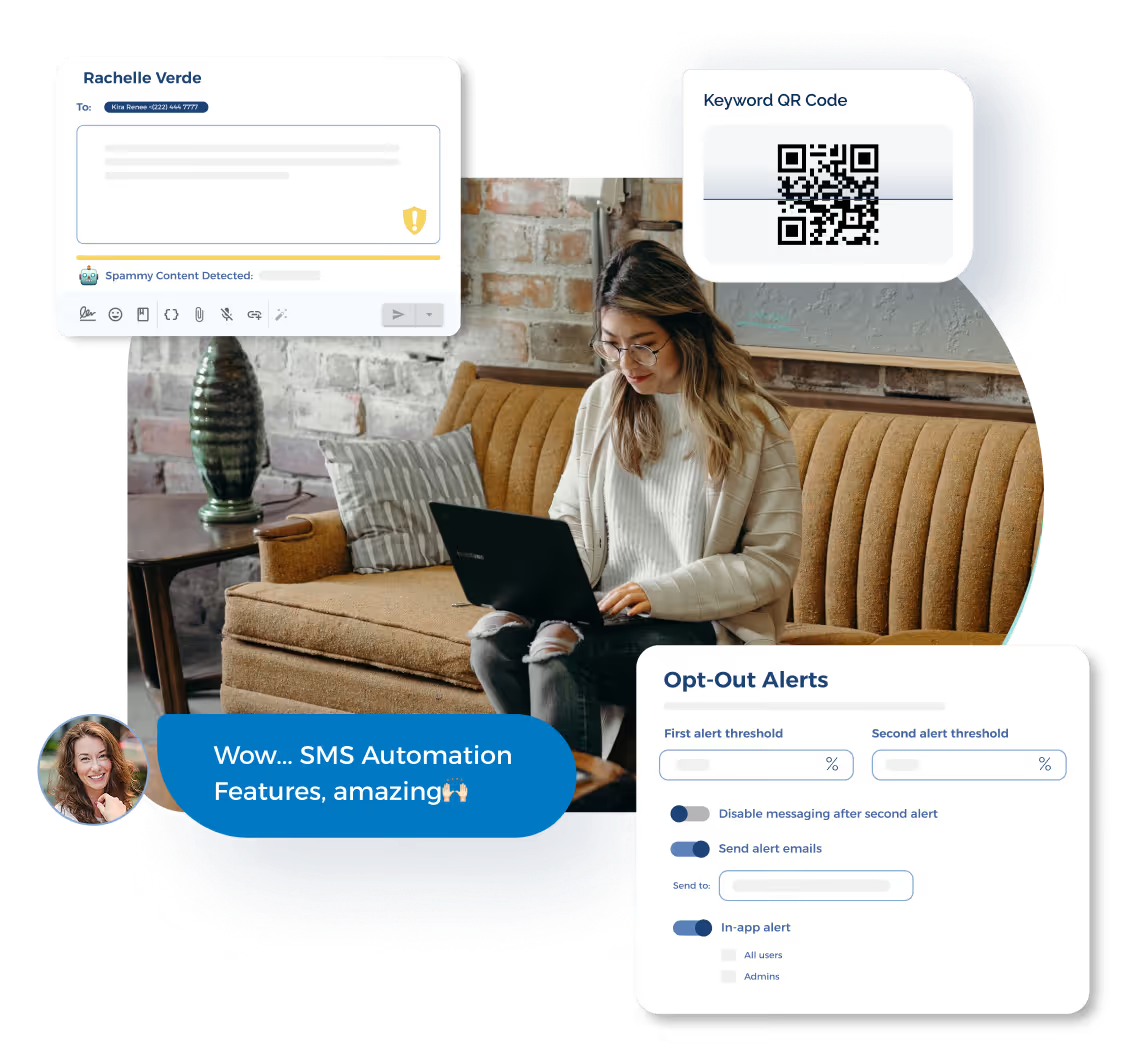
It also allows you to automate messages, route replies, and keep two-way conversations organized in a shared inbox. This can improve operational efficiency and lower the chance that important replies get missed.
Route Complex Issues to Human Support
Some issues need a real person, especially when the problem is urgent, emotional, high-value, or too detailed for a scripted reply.
In those cases, moving the conversation to human support can protect the experience and keep small problems from turning into bigger ones.
First, define what counts as a complex issue. That can include billing disputes, service complaints, repeated failed replies, account-specific questions, or messages that show frustration.
You should also make the handoff simple and fast. If someone has already shared details in chat, text, or email, the support person should see that history right away.
TextUs can support that process with a shared inbox built for business SMS. Incoming messages appear right away, so your team can reply fast while interest is still warm.
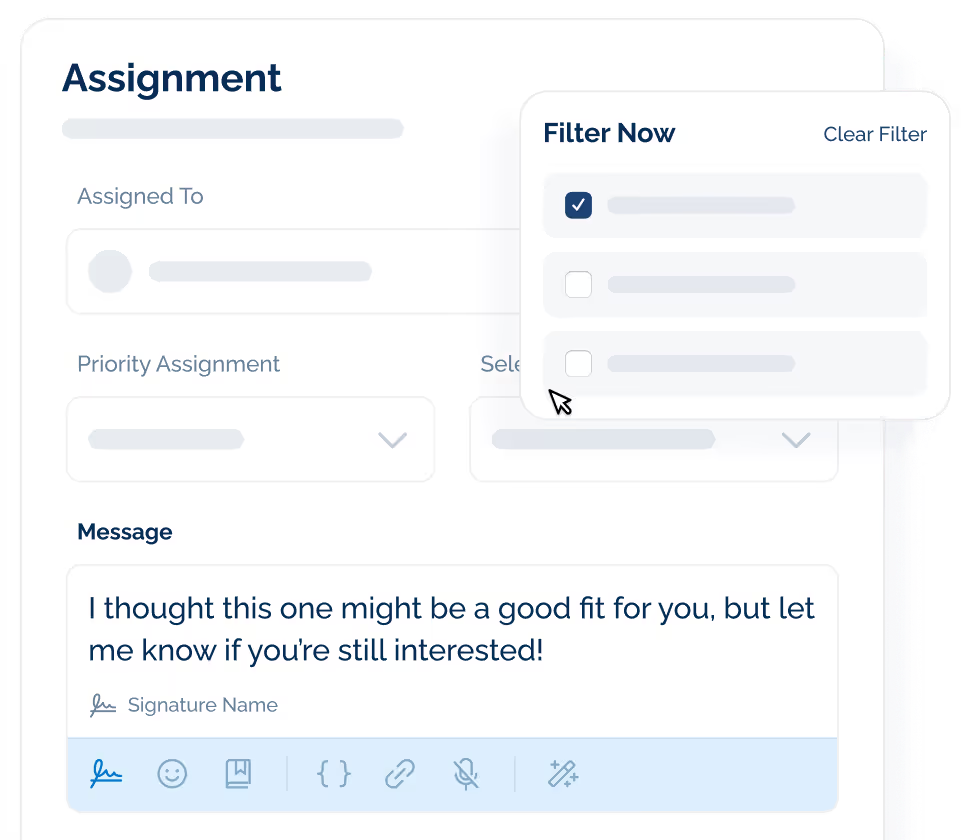
A smoother handoff can lower repeat questions, improve customer satisfaction, and make it easier to resolve issues without adding more stress to the conversation.
Offer Help Before Problems Grow
Real-time engagement should not start only after a problem shows up. A stronger approach is to look for signs that someone may need help and step in early with proactive support.
That can make the full experience smoother and show that your business understands customer needs before frustration builds.
Early help can take many forms. You can send a reminder before an appointment, check in after a form drop-off, or follow up when someone stops during setup in an app.
Small actions like these can support proactive engagement and keep a simple issue from turning into a support case.
It also helps to watch for patterns that point to risk. Repeat visits to the same page, no activity after sign-up, or stalled progress during onboarding can signal that a person needs help.
Those signs can reveal what customers expect at that stage and give your business a chance to respond with better timing.
Align Your Sales, Support, and Marketing Teams
People may get repeated outreach, mixed updates, or follow-up that does not match where they are in the process.
When information from chat, email, forms, customer relationship management (CRM) system records, and other multiple sources sits in one place, each group can see what happened before the next message goes out.
It also helps to define who handles each stage of the conversation. Sales may take over after a pricing request, and marketing may guide follow-up for leads still learning about the brand.
With TextUs, it's easier to manage ticket ownership. Conversations can be assigned to the right person, which helps stop duplicate replies and cuts down on mix-ups between groups.
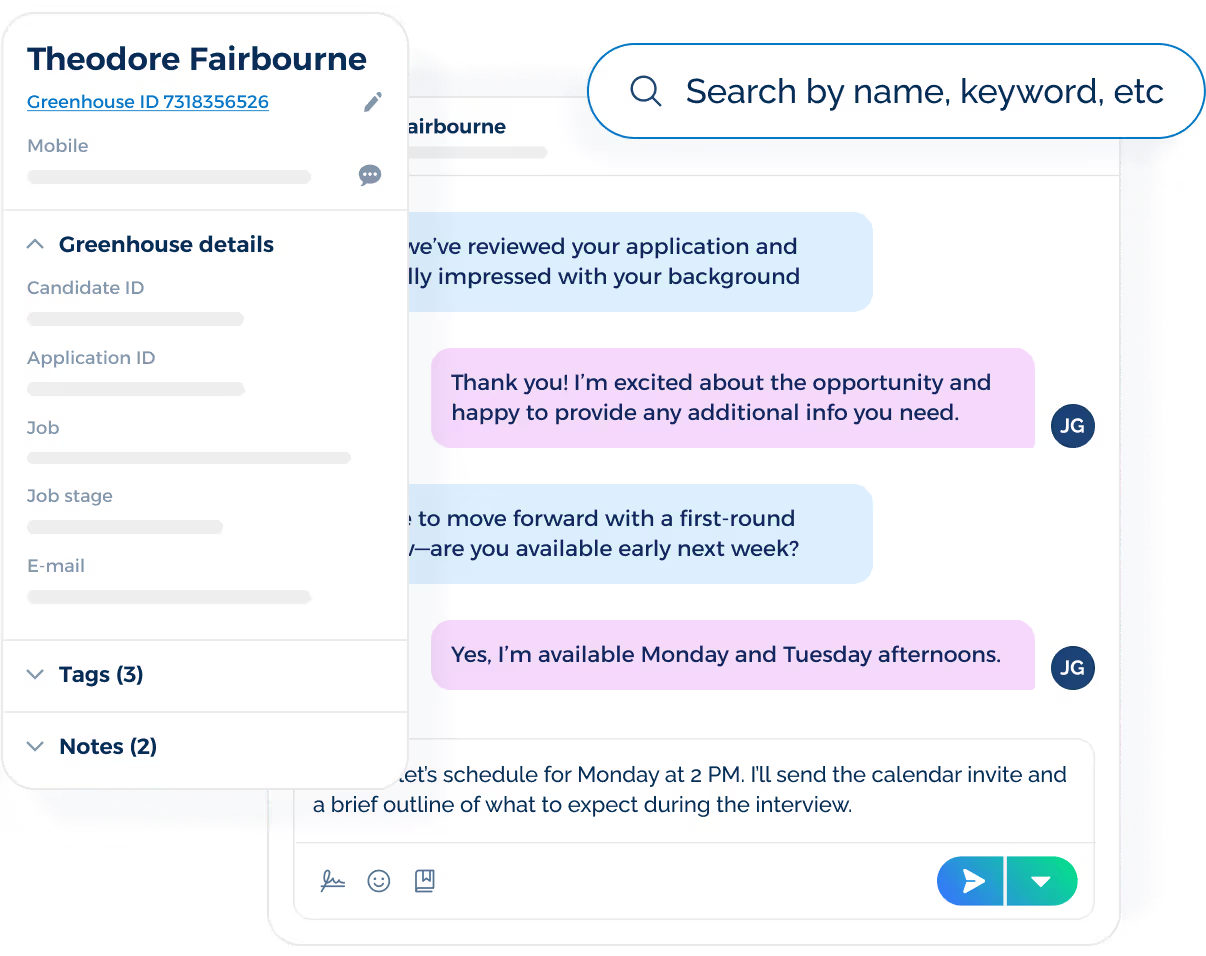
Access on desktop and mobile adds another layer of flexibility. You can review conversations, assign replies, and respond from either device without bouncing between tools.
Build a Better Experience Over Time
When people get valuable replies, smooth follow-ups, and messages that fit their stage, the full experience becomes easier to trust.
One way to improve over time is to look at how customers interact with your brand through text, chat, email, mobile apps, and even social media interactions.
Those touchpoints can show where people lose interest, where questions come up, and where support should step in sooner. That view can lead to stronger real-time customer insights and better decisions about what to change next.
You can also review reply times, drop-off points, repeat questions, and feedback after service or sales conversations. Those signals can turn into actionable insights that improve timing, follow-up, and message quality.
As your business learns more about what people want, it becomes easier to meet customer expectations and create the kind of service that builds trust over time.
TextUs Helps You Deliver Real-Time Customer Engagement
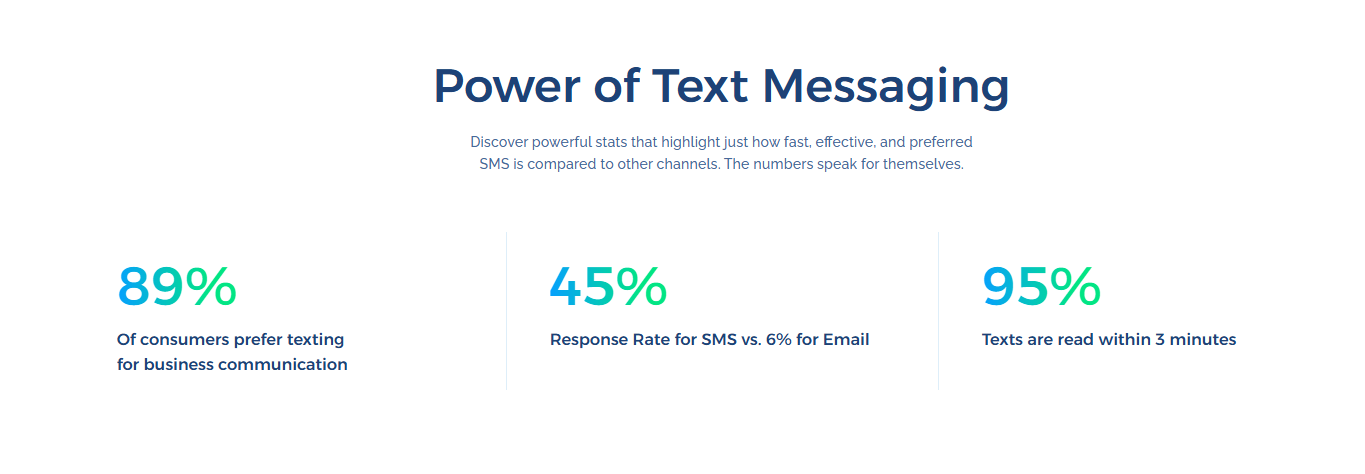
Speed now shapes how people want to communicate with brands. In fact, 89% of consumers prefer texting for business communication, which shows how much people value fast and simple contact.
TextUs can help you respond at the moment a lead shows interest and send service updates.
Here’s how this SMS platform can improve your response speed and day-to-day communication.
Build Stronger Relationships
TextUs turns routine outreach into ongoing conversations that keep people engaged.
A reminder, follow-up, thank-you text, or short check-in can support stronger customer interactions and make it easier to stay connected after the first reply.
Those touchpoints also give your business a better sense of how customers feel, which can guide better follow-up over time.
Texting also helps you show up in the moments that shape customer retention. A quick message after a form fill, service visit, or sale can keep the relationship active and build loyalty.
Keep Messages Personalized
As your contact lists grow, it gets harder to keep your outreach personal. TextUs lets you pull in names, locations, and purchase history, so each message feels more connected to the person receiving it.
You can act on real-time insights instead of sending the same message to everyone.
The platform also lets you schedule messages around activity and known preferences. That kind of personalization supports better engagement and can drive conversions.
Simplify Customer Support
TextUs can handle support in a faster and more organized way. Two-way texting allows staff to answer questions, reply to issues, and keep the conversation moving through various channels.
A shared inbox keeps incoming messages, while conversation history helps teams reply with better context. Real-time alerts also make it easier to respond while the issue is still active to ensure faster follow-up on support tickets.
Automate Real-Time Outreach
SMS marketing automation can improve customer engagement when it helps you respond faster without making conversations feel cold or scripted.
TextUs supports that by helping teams keep follow-up active after a form fill, missed appointment, service request, or other high-interest moment.
Smart Delivery adds another layer to that process. It uses advanced AI to check and refine text messages before they are sent. This helps lower delivery issues and stay on track with SMS compliance requirements.
TextUs also connects that message review with automation rules. Teams don’t need to deal with data overload because the platform focuses outreach on the moments that need action most.
Unify Your Workflow
A connected setup with strong data integration gives your staff a better way to stay connected around the same conversation.
Texting can also work alongside other channels instead of sitting on its own. A text may support a reply after a form fill, a service follow-up, or even work beside a push notification in a broader outreach plan.
TextUs connects with CRMs and applicant tracking systems (ATSs) so you can sync contacts, view message history, and trigger texts from the systems you already use.
Turn Timely Interactions Into Customer Loyalty With TextUs
A slow reply can cost more than a single conversation. It can mean a missed sale, a lost lead, or a person who decides to move on before your business has a chance to respond.
TextUs keeps your customer communication easy to manage. Your staff can handle two-way texting from a shared inbox, assign replies to the right person, use automation for follow-up, and keep full conversation history.
If you want a competitive edge, fast and personal follow-up through SMS can set the tone for a better long-term relationship.
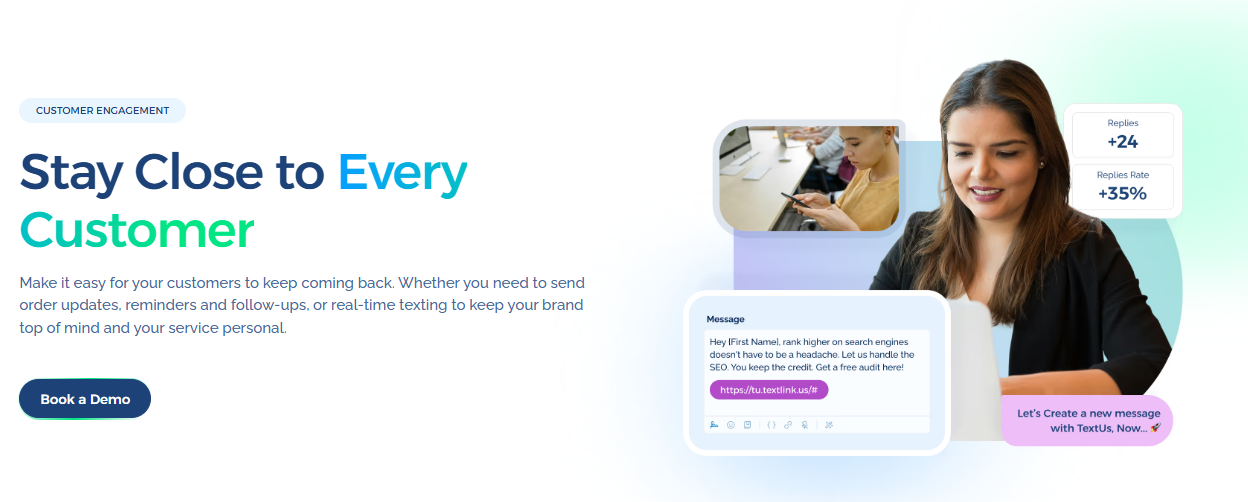
From lead response to support replies and retention outreach, TextUs brings your messaging into one system built to keep engagement active and organized. Book a demo today!
Continue Reading



Frequently Asked Questions
How do you measure if your engagement strategy is working?
You can measure engagement by looking at how people respond and what happens after each interaction.
Start with reply time, response rate, click rate, and conversion rates. Then look at your business results, such as booked meetings, completed purchases, resolved support cases, and repeat activity.
What data should you use to send personalized offers?
The most useful data is the kind that helps you understand what the person needs right now. That can include past purchases, page visits, form fills, message history, account activity, and stated preferences.
You can also use that data to send personalized recommendations that match real interests instead of generic outreach. When personalization reflects real activity, it can feel more useful and support stronger engagement over time.
How do you balance speed with personal service?
The best approach is to respond fast while still making the message fit the situation. A quick reply does not need to be long, but it should show that you understand why the person reached out.
Even a short response can feel personal when it reflects the question, the stage in the process, or the last action taken.
Business Texting
Built for Results
Create and convert pipeline at scale through industry leading SMS software