
How to Use SMS Marketing for Ecommerce Business Growth
Learn how to use SMS marketing for ecommerce growth, including campaign types, strategy tips, compliance best practices, and TextUs features.

Written by
Adam Hamdan
Published
June 10, 2026

Online shoppers do not always buy the first time they visit. They compare products, pause at checkout, wait for the right offer, or need a quick answer before placing an order.
That is where Short Message Service (SMS) marketing helps you reconnect with customers before the moment passes.
A well-planned SMS strategy gives you a faster way to guide shoppers through the buying journey.
In this guide, we will cover the benefits of SMS marketing for ecommerce businesses, how to build an effective strategy, and how the best sales texting software can boost customer loyalty.
TL;DR
- Ecommerce SMS marketing uses permission-based texts to reach shoppers during key moments in the buying cycle, from product interest to post-purchase follow-up.
- Common ecommerce SMS message types include welcome messages, promotional campaigns, abandoned cart texts, browse/appointment reminders, back-in-stock alerts, price drops, order updates, review requests, loyalty texts, win-back messages, and support texts.
- Building an SMS marketing strategy for ecommerce requires setting a main goal, identifying customer journey stages, mapping texts to the funnel, and setting a message frequency plan.
- Writing high-converting ecommerce SMS campaigns requires short copy, clear CTAs, explicit consent, honest urgency, and mobile-friendly links.
- TextUs is an ecommerce SMS marketing platform that supports two-way texting, targeted campaigns, branded link tracking, performance reporting, and CRM integrations.
What is Ecommerce SMS Marketing?
Ecommerce SMS marketing is a text messaging strategy that allows you to reach customers through permission-based messages.
It works by using key contact opportunities to guide customers through the buying cycle.
Text messaging can be used to promote products, send order updates, recover abandoned carts, share discounts, and answer customer questions.
You can also use SMS marketing to engage customers after the first purchase. This may include shipping updates, reorder reminders, and loyalty rewards to keep customers connected to your brand.
Over time, SMS can strengthen customer relationships because it supports faster communication and more personal follow-up.
How SMS Marketing Supports Ecommerce Growth
Since most people keep their mobile phones nearby, a well-timed text can reach customers faster than many other channels.
Here are the main advantages of SMS marketing for ecommerce and why online stores use it to improve sales, retention, and customer communication.
Higher Visibility Than Crowded Channels
Email inboxes and social feeds are packed with promotions, updates, ads, and content from many brands.
SMS marketing provides a direct line to loyal customers who have already agreed to receive personalized messages from them. It's best for cart reminders, limited-time offers, restock alerts, transactional messages, and loyalty rewards.
Faster Cart Recovery
Cart abandonment is common in ecommerce because shoppers often leave checkout to compare prices, check shipping costs, or come back later.
SMS can bring those shoppers back soon after they leave, while the product is still fresh in their mind. A cart recovery text can include the product name, a cart link, and a simple reminder to finish the order.
Better Customer Retention
SMS marketing keeps new customers engaged after the first sale by giving them useful reasons to come back.
Instead of only sending one-time promotions, you can leverage SMS to continue the relationship with updates, reminders, and rewards that match the customer’s purchase history.
Stronger Personalization
SMS marketing is more useful when you send messages that match the customer's preferences.
You can send SMS marketing messages based on past purchases, abandoned carts, product views, loyalty status, and browsing behavior.
It's also recommended to include details such as first name, product name, cart value, loyalty points, discount code, or order status.
Better Revenue Tracking
SMS platforms can show how each ecommerce text campaign performs after it is sent.
It's easier to track clicks, revenue, unsubscribe, and conversion rates from promotional text messages, welcome flows, and post-purchase messages.
Types of Ecommerce SMS Marketing Messages
Businesses use different SMS messages depending on where shoppers are in the buying journey. Here are the main types of ecommerce SMS messages you can use to guide customers:
Welcome Messages
Welcome messages are sent after someone joins your SMS subscriber list. They confirm the signup, introduce what kind of texts the customer can expect, and deliver the promised offer if one was used.
Promotional Messages
Promotional campaigns are used to share sales, limited-time discounts, product launches, and seasonal offers. These messages work best when the offer is easy to understand, and the CTA leads customers straight to the product or sale page.
Abandoned Cart Messages
Abandoned cart messages remind shoppers to return after they leave items in their cart. These texts can include the product name, cart link, offer, and support option if the shopper has a question before buying.
Browse Abandonment Messages
Browse abandonment messages are sent after a customer views a product or category but does not add anything to the cart. These messages remind customers about items they showed interest in.
Back-In-Stock Alerts
Back-in-stock alerts notify customers when a product, size, color, or variant becomes available again. The text includes the product name and a link to the product page.
Price Drop Alerts
Price drop alerts tell customers when an item they viewed, saved, or added to cart is now available at a lower price. These messages can be useful for shoppers who need one more reason to buy.
Order Confirmation Messages
Order confirmation messages let customers know their purchase went through. These texts can include the order number, basic order details, and a link to view the order.
Shipping and Delivery Updates
Shipping notifications keep customers informed after purchase. They can include tracking links, delivery status, delays, pickup reminders, and delivery confirmation.
Post-Purchase Messages
Post-purchase messages are sent after the customer receives their order. These messages help customers get more value from the product and create a better experience after the sale.
Review Request Messages
Review request messages help you gain customer feedback after they have had time to use the product. These texts should be simple and should link straight to the review page.
Reorder Reminder Messages
Reorder reminders are useful for products that customers buy again over time. These include skincare, supplements, pet supplies, coffee, food, cleaning products, and other repeat-purchase items.
Loyalty and Rewards Messages
Loyalty messages keep VIP customers updated about points, rewards, status, birthday offers, and exclusive perks. These texts can encourage repeat purchases without relying only on discounts.
Win-Back Messages
Win-back messages are sent to customers who have not purchased or engaged in a while. These texts include a special offer, product recommendation, or reminder about what the customer liked before.
Customer Support Messages
Customer service messages let shoppers ask questions and get answers through SMS. Two-way texting makes support easier because customers can reply in the same marketing channel where they received the update.
Appointment or Pickup Reminder Messages
Some ecommerce and retail businesses use SMS for appointment reminders, curbside pickup reminders, or in-store pickup updates. These messages help customers know when and where to arrive.
Tips for Building an Ecommerce SMS Marketing Strategy
Your SMS strategy should connect every message to a specific customer action.
These are the key steps to build an SMS marketing strategy that keeps your ecommerce messages consent-based and easy to measure.
Define Your Main Goal
A focused goal helps you decide which messages to send, who should receive them, and how you will measure results. Below are common SMS marketing goals for ecommerce:
- Recover abandoned carts
- Grow first purchases
- Increase repeat purchases
- Promote new products
- Improve delivery communication
- Drive loyalty program signups
- Collect reviews
- Reduce support questions
Once the goal is set, you can build SMS marketing campaigns around that priority. This keeps your messages focused and prevents your SMS marketing list from turning into a place for random promotions.
Identify the Customer Journey Stages
A new subscriber, first-time buyer, existing customer, and inactive shopper should not all receive the same text.
The customer journey starts when someone discovers your brand and joins your SMS list. At that stage, the message should introduce your offer, set expectations, and guide them toward their first purchase.
After the first purchase, SMS can shift toward keeping customers informed and creating a smoother post-purchase experience.
Repeat customers respond better to messages tied to their buying habits. At the same time, inactive customers may need a win-back message.
Map SMS to the Funnel
SMS marketing for ecommerce should support each stage of the funnel, from first signup to repeat purchase.
Here are common ways to map your texts to the ecommerce funnel:
- Awareness: SMS signup forms, QR codes, social media opt-ins, giveaway signups
- Consideration: Product reminders, browse abandonment texts, back-in-stock alerts, product education
- Purchase: Abandoned cart SMS, checkout reminders, limited-time offers, support prompts
- Post-purchase: Order confirmations, shipping updates, delivery alerts, review requests, product care tips
- Retention: Reorder reminders, loyalty rewards, VIP access, birthday offers, win-back campaigns
Each message should match what the shopper needs at that point, so the text is useful instead of random.
Set a Message Frequency Plan
Since SMS reaches people in a personal space, every text should have a reason and a useful next step.
A good starting point for ecommerce brands is 2-4 promotional SMS messages per month. These can include sales, product launches, restock alerts, loyalty offers, or seasonal campaigns.
Automated text messages can be sent based on customer behavior. For example, a customer may receive a cart reminder after leaving checkout, a reorder reminder after a past purchase, or a review request after delivery.
Frequency should not stay fixed forever. If shoppers receive too many messages, even good offers can start to feel intrusive.
You should test message timing and volume based on key metrics like opt-out rates, click rate, and purchase rate.
How to Write Compelling Ecommerce SMS Campaigns
Here's how you can create text message campaigns that drive clicks, purchases, replies, and repeat orders without overwhelming subscribers.
Keep SMS Copy Short and Specific
Customers do not read SMS messages the way they read email marketing campaigns.
A good business text message tells shoppers what the text is about and what to do next within a few seconds.
A customer is more likely to notice a conversational message that mentions their name, a product they viewed, or a category they often buy from.
Whenever possible, include the customer’s name and shape the message around what they bought, viewed, saved, or added to cart.
The wording should also sound like your brand voice. A skincare brand can sound warm and helpful, while a luxury brand may keep the tone polished and simple.
Also, keep each SMS focused on one offer, one idea, and one link. For example, a cart recovery text can mention the product left behind, include a checkout link, and make it easy for the customer to return.
Use Clear Call-to-Actions (CTAs)
Instead of using vague wording, choose action-focused phrases that match the goal of the message. Here are common CTA examples for ecommerce SMS campaigns:
- Shop Now
- Complete Checkout
- Claim Your Code
- View Your Cart
- Track Your Order
- Join VIP Access
The CTA should also match the link. If the message says “View Your Cart,” the link should open the customer’s cart. This keeps the experience simple and reduces extra steps before purchase.
Obtain Explicit Consent
Consent is one of the most important parts of SMS marketing. Promotional messages are regulated, and the Telephone Consumer Protection Act (TCPA) rules require prior express written consent for marketing texts.
Your signup form should explain what the customer is joining. Include the brand name, message purpose, expected message frequency, opt-out instructions, and links to your terms and privacy policy.
Consent should never be hidden inside unclear wording. Customers should know they are signing up for SMS updates, not just entering a phone number for checkout or account setup.
You should also keep records of each opt-in. Store details like signup source, date, time, consent language, phone number, and opt-out history so your business has proof of permission.
Add Urgency
Urgency encourages customers to act sooner, especially when the message includes a real deadline or a limited offer.
For SMS campaigns, this is ideal for flash sales, cart recovery, product drops, reward reminders, and holiday shipping cutoffs.
The urgency should always be honest. Use it when a sale is ending, a reward is expiring, inventory is low, or early access is closing soon.
Example: “Your 15% off code expires tonight. Complete your order before midnight: [link].”
You must avoid fake pressure or exaggerated claims. Customers may lose trust if every message sounds urgent, so save urgency for moments where timing affects the customer’s next step.
Make Links Mobile-Friendly
Customers are already reading the message on mobile. Therefore, your SMS URL should take them to a fast-loading page that matches the text.
You have to use clean links that look trustworthy and are easy to tap. Link shorteners can make long URLs easier to read, but they should be recognizable when possible so customers feel safe clicking.
An SMS marketing software like TextUs includes a native SMS URL shortener for branded, trackable links in conversations, SMS campaigns, and templates. This makes it easier to keep links clean while tracking multiple messages that drive clicks and purchases.
What Makes TextUs Stand Out for Ecommerce Texting
If you’re looking to drive more sales for your ecommerce store, a texting platform should support the full process.
Most SMS marketing platforms only focus on campaign delivery, but TextUs supports the full customer communication process.
TextUs is built for modern retail teams that need to send targeted promotions, manage customer replies, and share order updates without slowing down the buying experience.
Bring Shoppers Back With Relevant Offers
TextUs makes it easier to send personalized promotions to customer groups based on location, interest, purchase history, or campaign type.
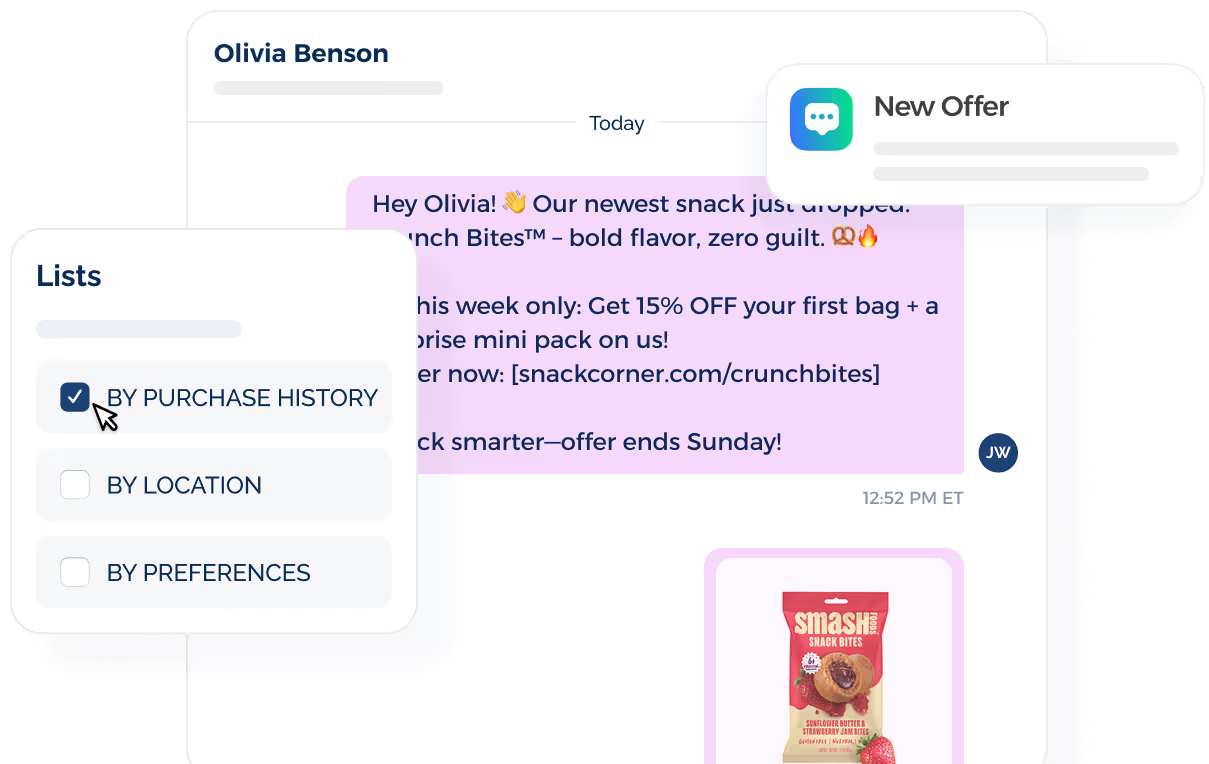
In-store sales, VIP events, restocks, and product launches reach people who are more likely to respond. This is valuable for ecommerce brands with physical stores, pop-up shops, or local pickup options.
This SMS tool also supports Multimedia Messaging Service (MMS) marketing. MMS messages help you showcase product images, restock announcements, or launch previews that make the offer easier to notice.
Reduce Post-Purchase Questions With Faster Updates
After a purchase, customers want quick answers about what happens next. TextUs helps send updates about order pickup, order status, appointments, and other follow-up details through SMS.

These updates lower the number of support calls your staff handles. Customers who know where their order stands do not need to reach out for basic information.
Keep Online Order Support Moving
Online shoppers often have questions before and after they buy. They may ask about products, shipping, order status, returns, pickup options, or availability.
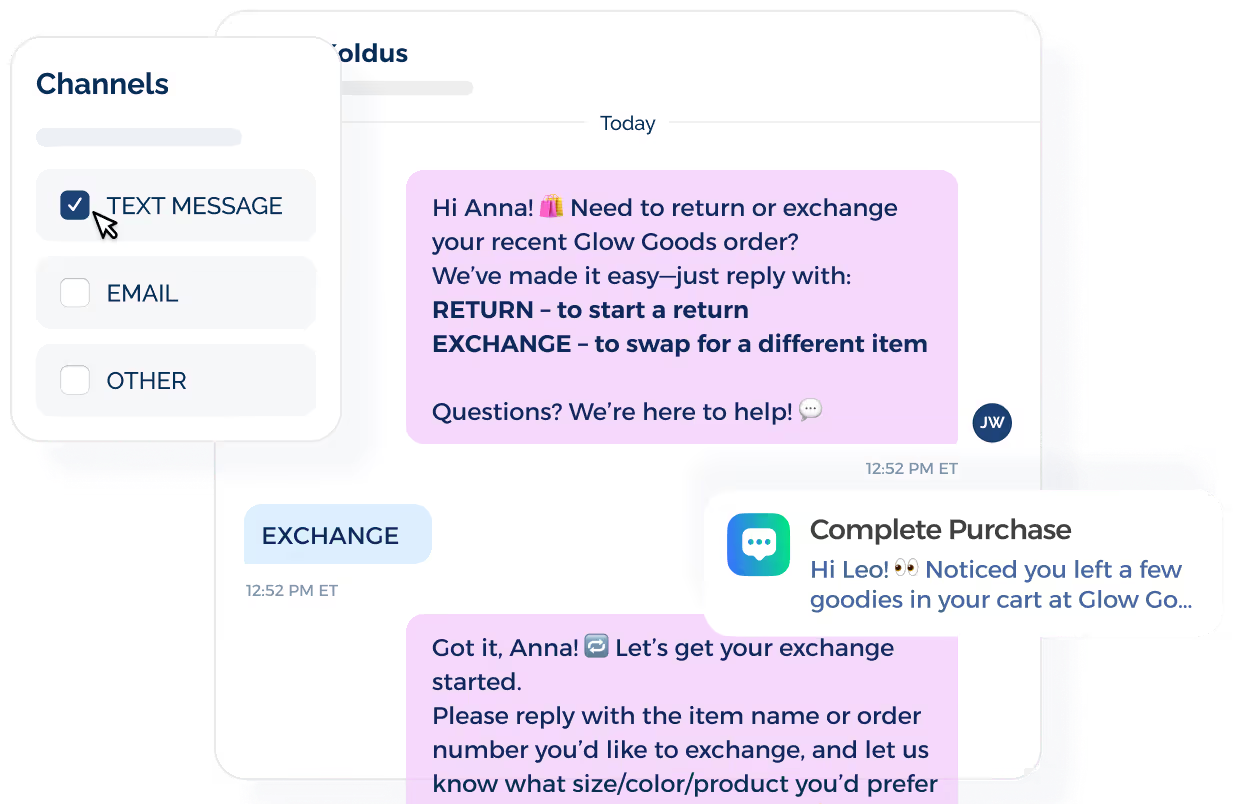
TextUs provides your ecommerce business with a faster way to manage those questions through two-way texting. Instead of long email threads, SMS keeps the conversation personal and easier to act on.
Share Store and Team Updates Faster
Retail and ecommerce operations move fast, especially during product launches, holiday sales, restocks, and event days.
TextUs helps managers share quick updates about schedules, store tasks, customer requests, and order issues.
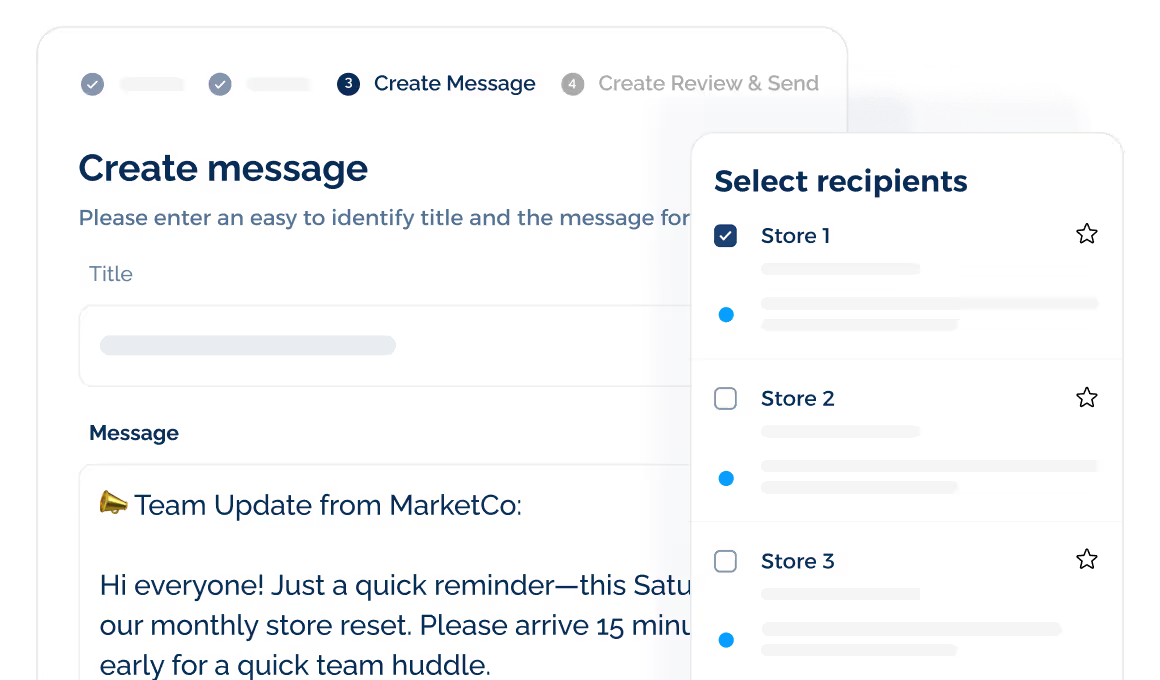
Staff get the information they need without being pulled away from the sales floor or fulfillment work for long updates. Faster team communication can also improve the customer experience because employees can respond with better context.
Fit SMS Into Everyday Customer Workflows
TextUs supports customer-facing and internal communication, so your SMS channel fits into the way your organization already works.
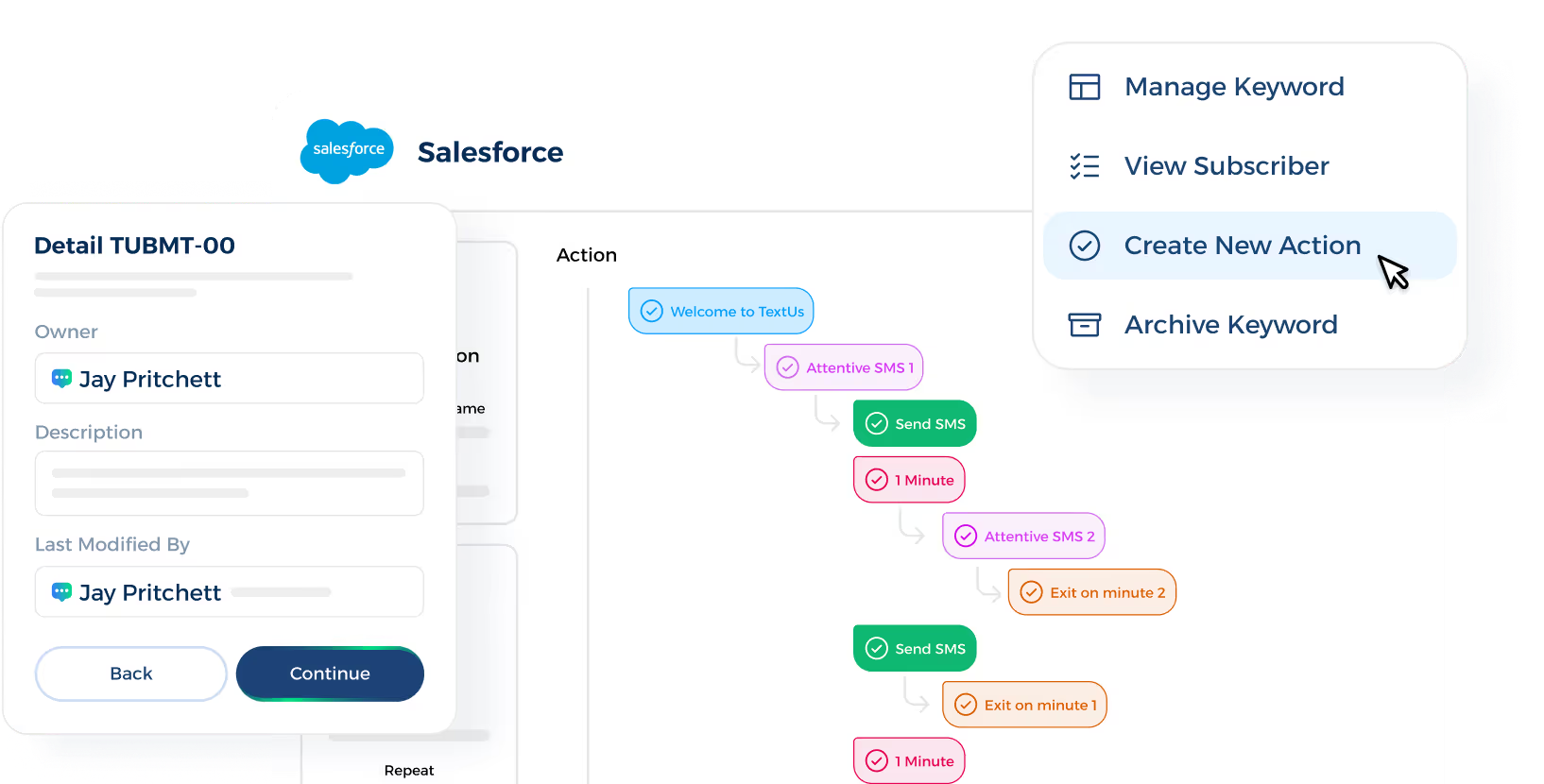
You can integrate TextUs with your ecommerce platform, CRM, and other business systems to keep customer data, order details, and conversation history easier to manage.
Promotions, order follow-ups, customer questions, appointment confirmations, team updates, and CRM-connected outreach can all move through a more organized texting process.
Launch High-Impact Ecommerce Marketing Campaigns With TextUs
Ecommerce sales depend on how fast you can turn interest into action. TextUs makes that easier with real-time, two-way SMS built for customer conversations, campaign outreach, and follow-up at scale.
With centralized SMS campaign tools, performance tracking, and CRM integrations with ecommerce tools, TextUs lets you manage campaigns and customer communication from a more organized workflow.
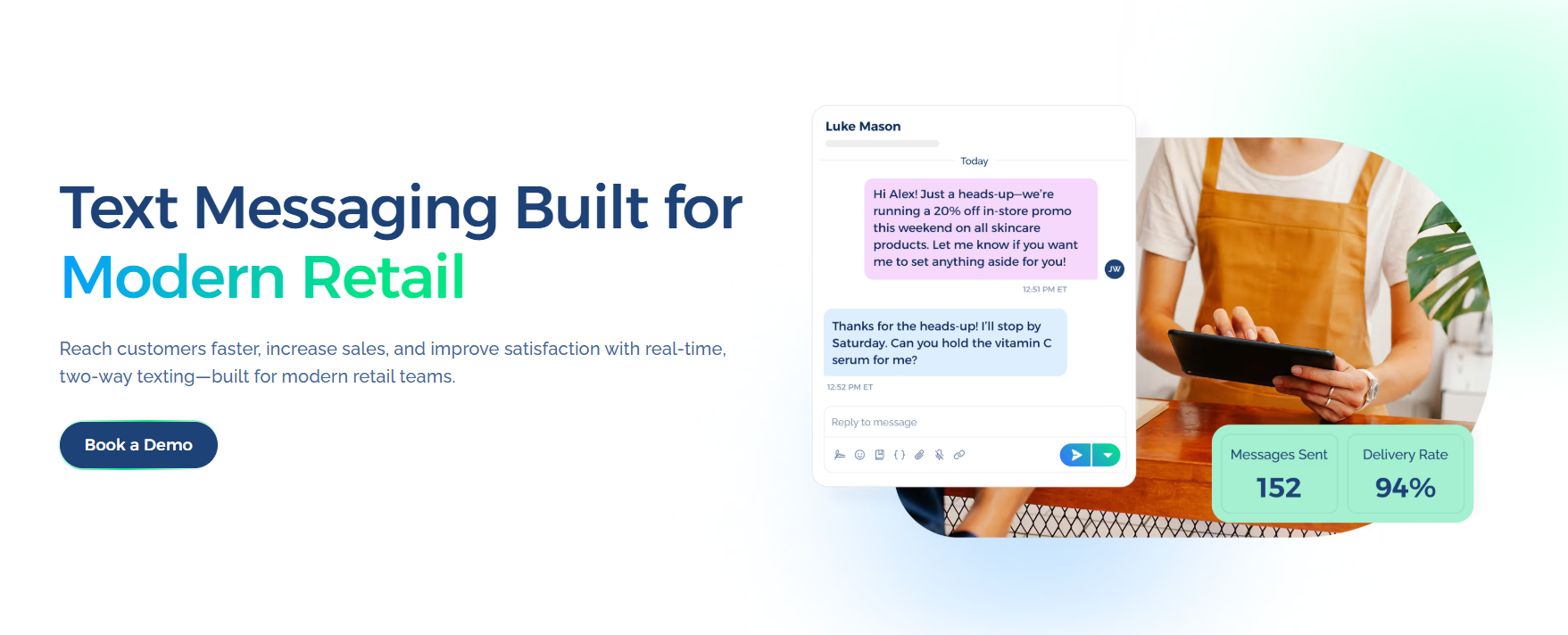
Ready to strengthen your ecommerce SMS marketing efforts? Book a demo with TextUs today and see how real-time SMS can increase ecommerce sales and improve customer engagement!
Continue Reading



Frequently Asked Questions
What is the 3-3-3 rule in marketing?
The 3-3-3 rule is a simple marketing planning framework. In many marketing contexts, it means focusing on 3 key messages, 3 audience groups, and 3 channels.
For ecommerce SMS marketing, the idea is to keep each text focused on one target audience, one message, and one next step.
Is SMS marketing legal in the USA?
Yes, SMS marketing is legal in the USA when businesses get proper consent and honor opt-outs. Promotional texts must follow SMS marketing rules, and customers should have a simple way to unsubscribe.
What is the price of 10,000 SMS?
The price of 10,000 SMS depends on the texting provider, message volume, carrier fees, SMS segments, and the features included in the plan.
As a simple estimate, 10,000 SMS at $0.05 per message would cost $500. At $0.10 per message, the same volume would cost $1,000 before added costs.
Business Texting
Built for Results
Create and convert pipeline at scale through industry leading SMS software