
Twilio vs Plivo: Which SMS API Platform Should You Pick?
Compare Twilio vs Plivo for SMS APIs, pricing, automation, integrations, compliance, and business texting workflows.

Written by
Adam Hamdan
Published
June 4, 2026
API-first communication platforms can be powerful for businesses that want to connect messaging with CRMs, apps, support systems, and customer communication tools.
Twilio and Plivo are two well-known CPaaS options for SMS, MMS, voice, and communication APIs. Twilio has a wider range of communication channels and developer tools, while Plivo centers more on SMS and voice infrastructure with usage-based pricing.
The tradeoff is that both platforms require developer work before SMS becomes practical for day-to-day business use.
In this article, we’ll review features, pricing, automation, integrations, compliance, analytics, and usability. We’ll also introduce a simpler alternative if you want SMS campaigns, replies, and reporting without building a full texting system first.
TL;DR
- Twilio and Plivo are API-first communication platforms built for businesses that prefer to create SMS, MMS, voice, and messaging workflows around existing systems.
- This Twilio vs Plivo comparison breaks down where both platforms differ in messaging capabilities, APIs, shared inboxes, campaign management, automation, contact segmentation, integrations, reporting, and compliance.
- TextUs takes a more practical business texting approach with its shared inboxes, campaigns, automation, CRM, and ATS integrations, compliance tools, and analytics already built in.
What Is Twilio?
Twilio is a cloud communications platform that lets businesses build SMS, MMS, voice, email, WhatsApp, verification, and customer engagement workflows through APIs.
Its SMS API allows apps to send and receive SMS and MMS through HTTP requests, which means it acts as the connection between your application and carrier networks.
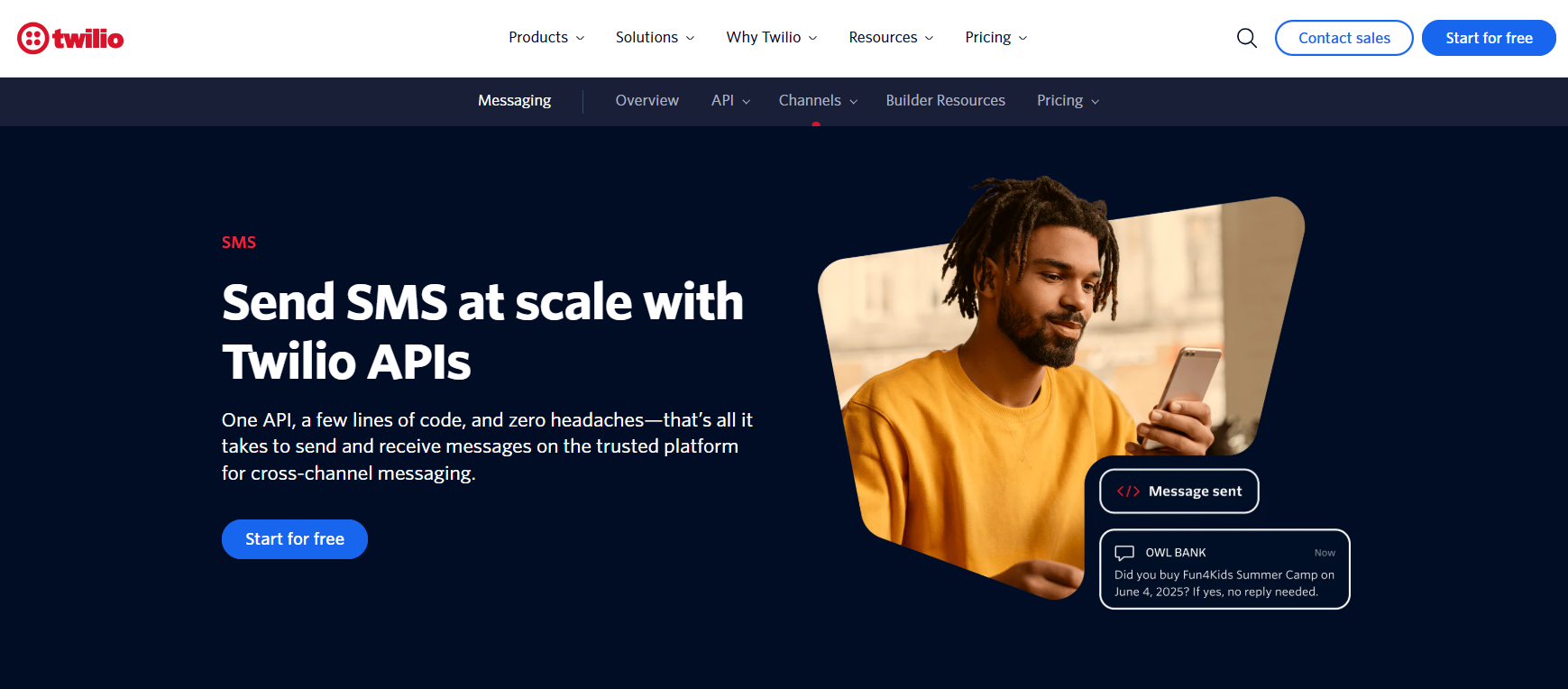
The Twilio platform is known for its large API ecosystem, global messaging infrastructure, programmable SMS and MMS, voice and video APIs, verification tools, and developer documentation.
You may choose Twilio if your business has in-house developers and needs custom communication systems with flexible backend control.
The downside is the steep learning curve. Twilio gives you the API foundation, not the full workspace for daily SMS conversations. You may need technical expertise to build the front-end experience.
What Is Plivo?
Plivo is a cloud communications company for businesses that need to add SMS, MMS, voice, phone numbers, and messaging infrastructure into their own systems.
The platform can support custom notification flows, transactional SMS messages, voice workflows, and app-based messaging. It gives you the tools to connect communication features to internal systems or customer-facing applications.
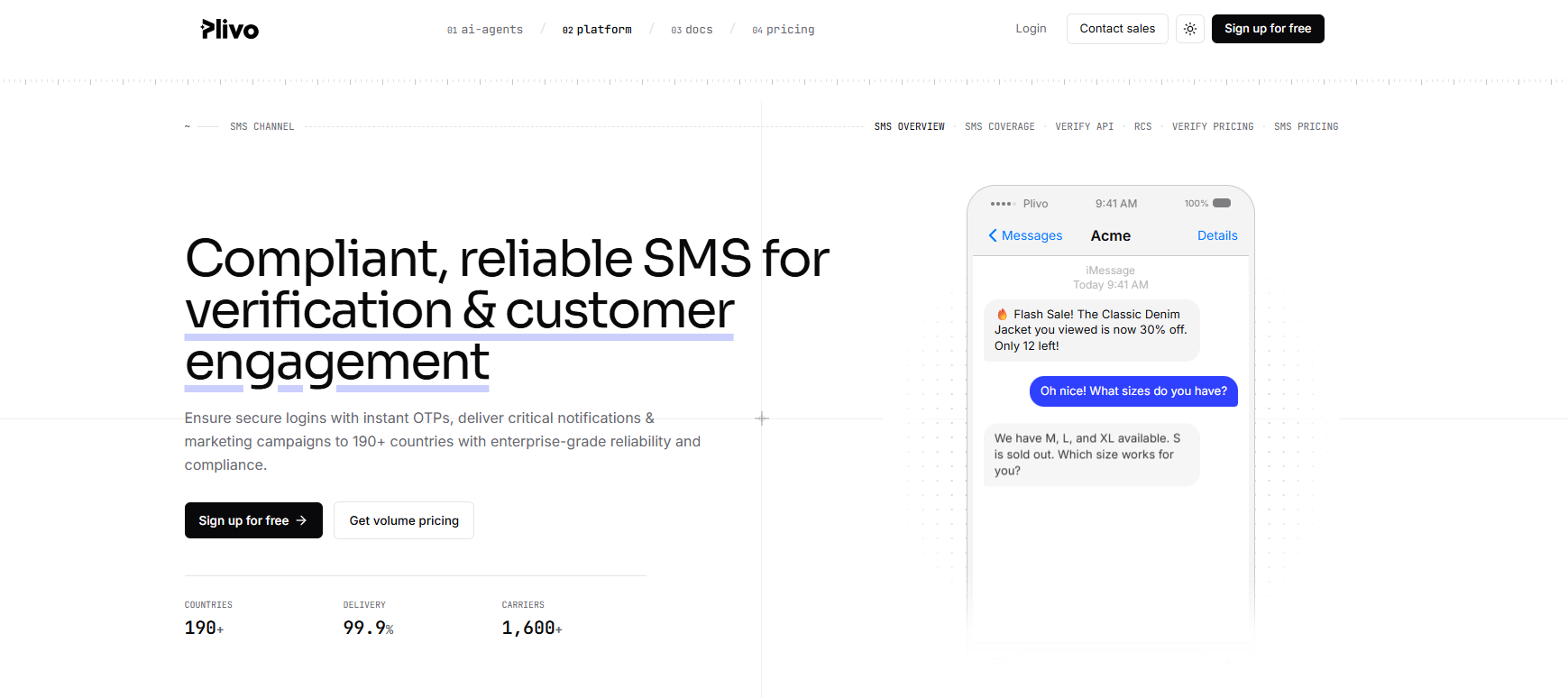
But it may be less practical if you want an out-of-the-box business texting workspace. Advanced features like conversation assignments, campaign management, and reporting need extra setup or custom development.
Its SMS pricing is also usage-based, with separate costs for SMS, MMS, phone number rentals, and volume discounts for committed spend.
What Is TextUs?
Unlike Plivo and Twilio, which are developer-first platforms, TextUs is built for teams that want to implement business texting without turning it into a development project.
Sales reps, recruiters, marketers, and customer-facing teams can use TextUs without waiting for developers to build a custom texting interface.
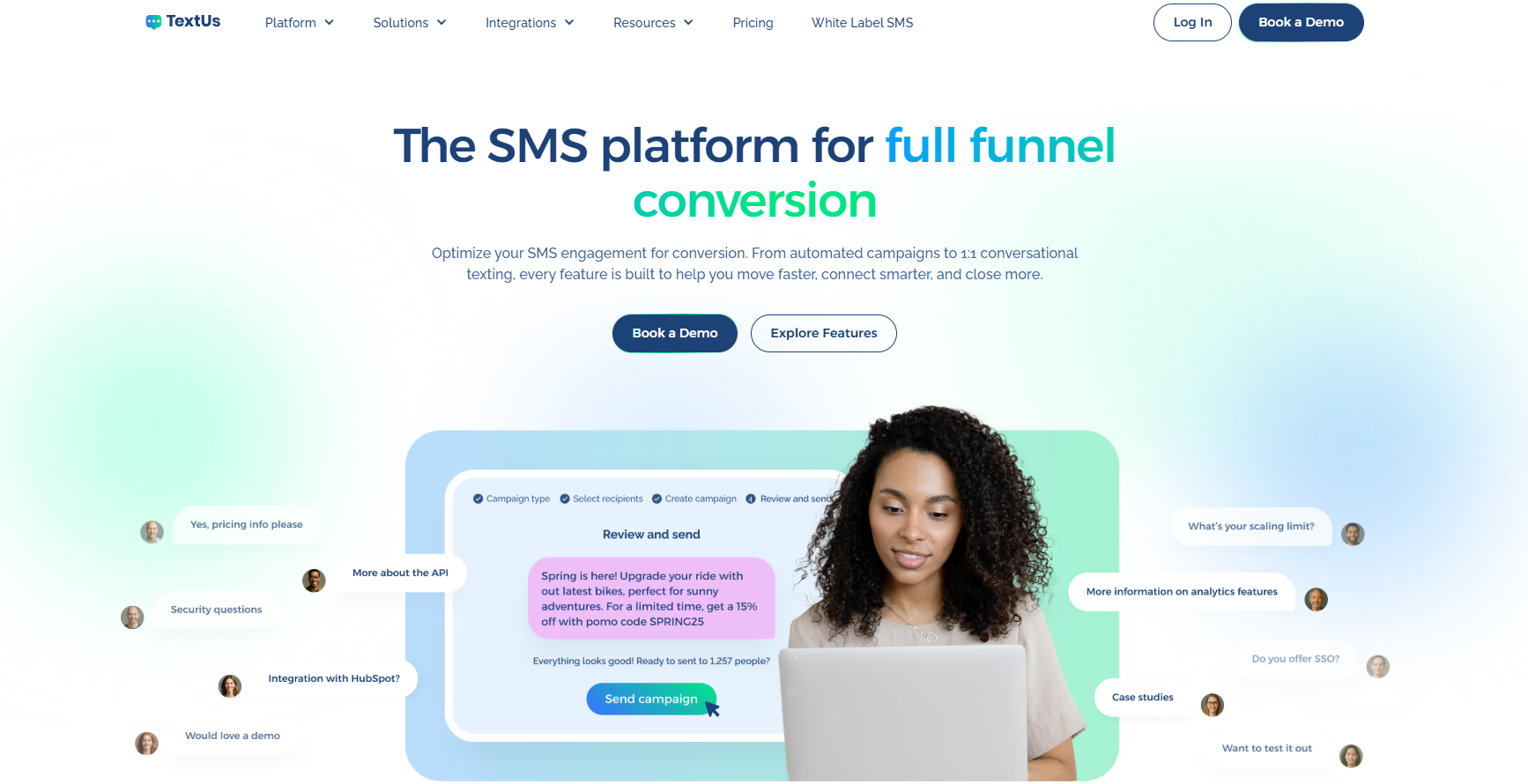
This platform-first approach makes TextUs a stronger fit for teams that want more than basic message delivery. You can send campaigns, manage replies, assign conversations, track results, and keep SMS connected to the systems your team already uses.
TextUs also connects with core CRMs and ATS tools, including Salesforce, HubSpot, Microsoft Dynamics, Bullhorn, and Greenhouse.
TextUs is the best alternative for businesses that want texting without the heavy lift of an API-first setup. Book a demo with TextUs today!
Key Feature Comparison: Twilio vs Plivo vs TextUs
The way each platform handles messaging, automation, inboxes, and integrations can significantly affect daily workflows. Here are the key areas to compare when choosing between these platforms.
Messaging Capabilities
Twilio supports SMS, MMS, WhatsApp, voice calls, verification, and other communication channels through programmable APIs. Its conversational messaging APIs can send and receive SMS, MMS, and WhatsApp messages, and manage message media and history.
Plivo offers SMS, MMS, voice, phone calls, local numbers, and related messaging infrastructure for API-based communication. It can work for transactional alerts, status updates, notifications, and custom communication workflows that connect to a business app or internal system.
TextUs helps your team run larger text messaging campaigns without making every message feel generic.
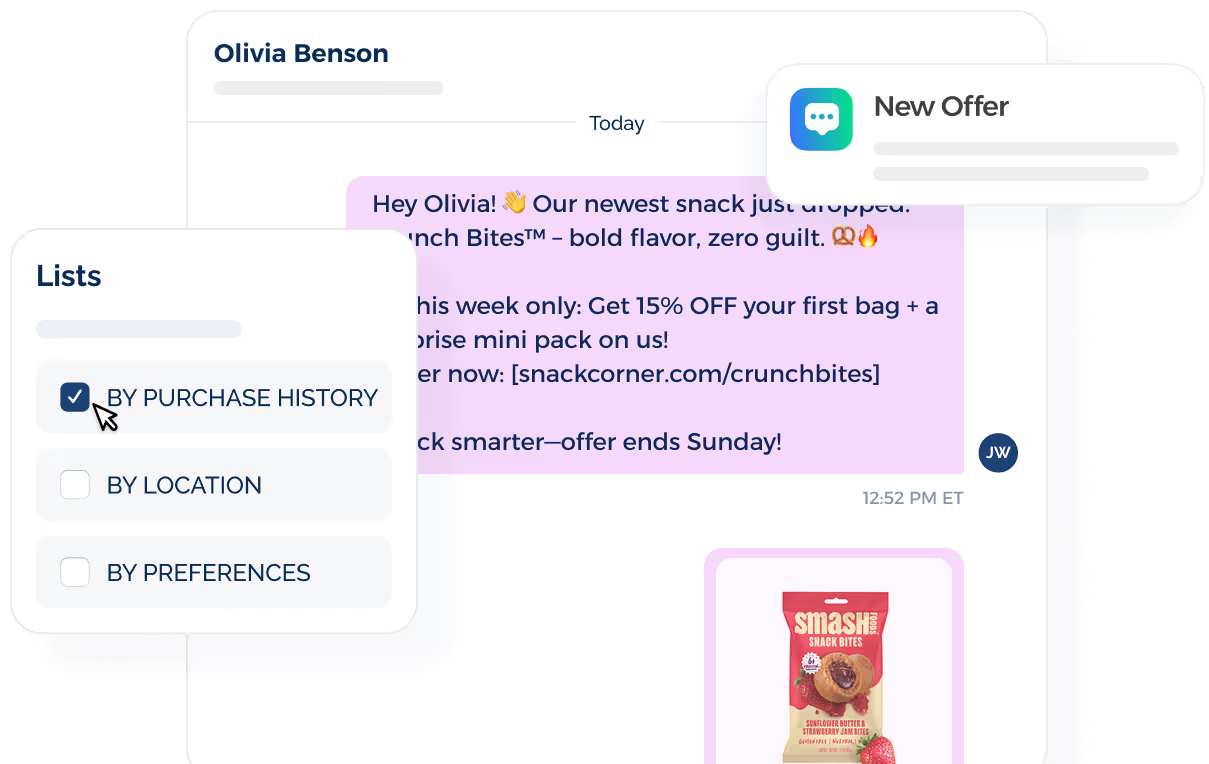
Unlimited campaign sizes let you send personalized texts and promotions to bigger contact lists while maintaining the throughput and deliverability needed for high-volume outreach.
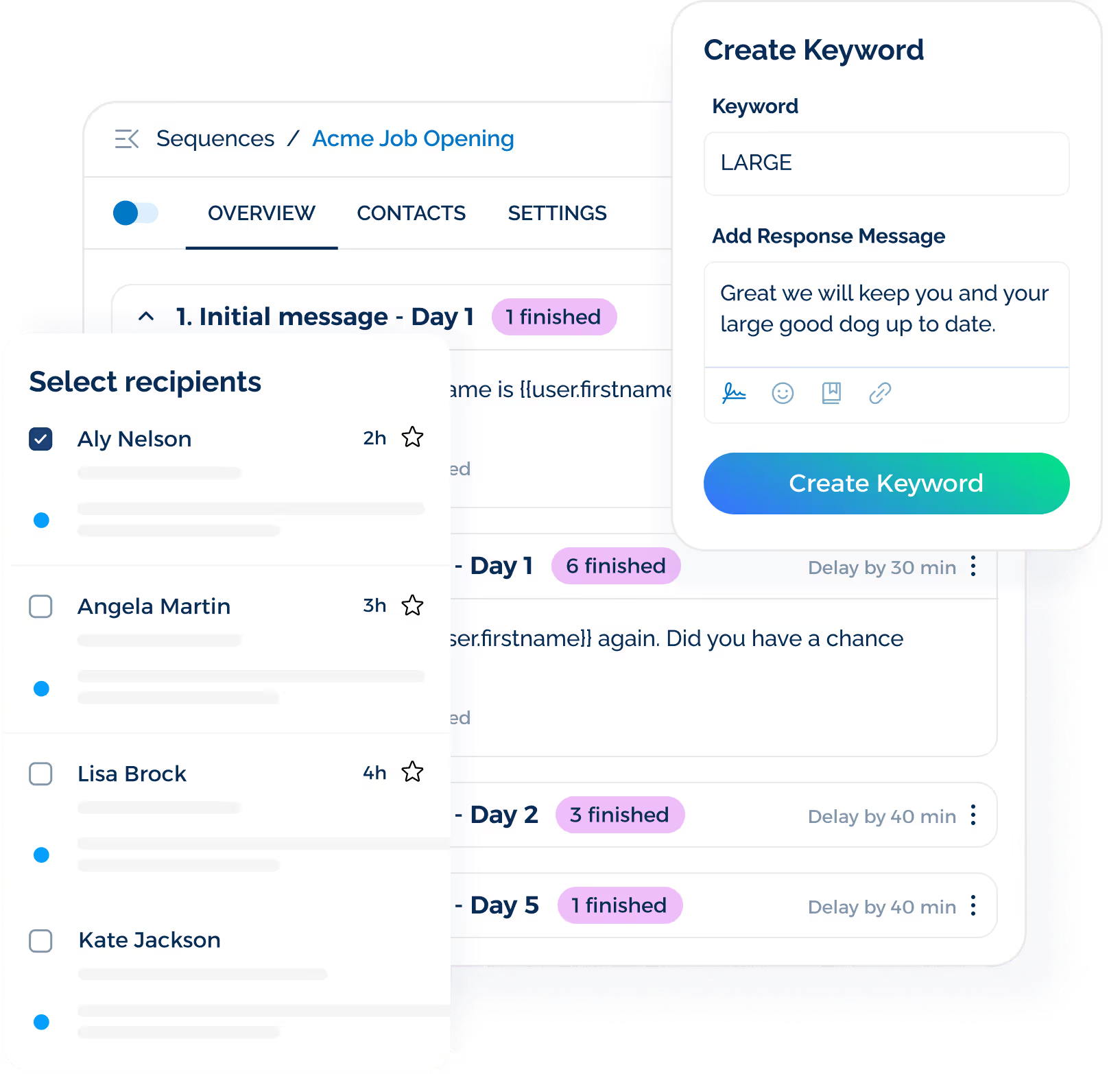
TextUs also provides unlimited SMS keywords, so contacts can text terms to show intent and trigger automated responses. Rich MMS messages and branded links make your campaigns more engaging and polished.
SMS API and Developer Tools
Twilio offers programmable SMS APIs that connect your app to carrier networks, then format messages so carriers can deliver them and apps can process replies. It provides APIs, SDKs, docs, sample code, and messaging infrastructure for custom communication workflows.
Plivo’s Messaging API also lets you send, retrieve, and manage SMS, MMS, and WhatsApp messages through API endpoints. It creates message records for sent and received messages, which you can use for delivery checks and message tracking.
TextUs provides you with a user-friendly interface that API-first tools often leave for your team to build.
With its white-label tools, you can customize the experience so it matches your product, while giving customers two-way texting without building the platform yourself.
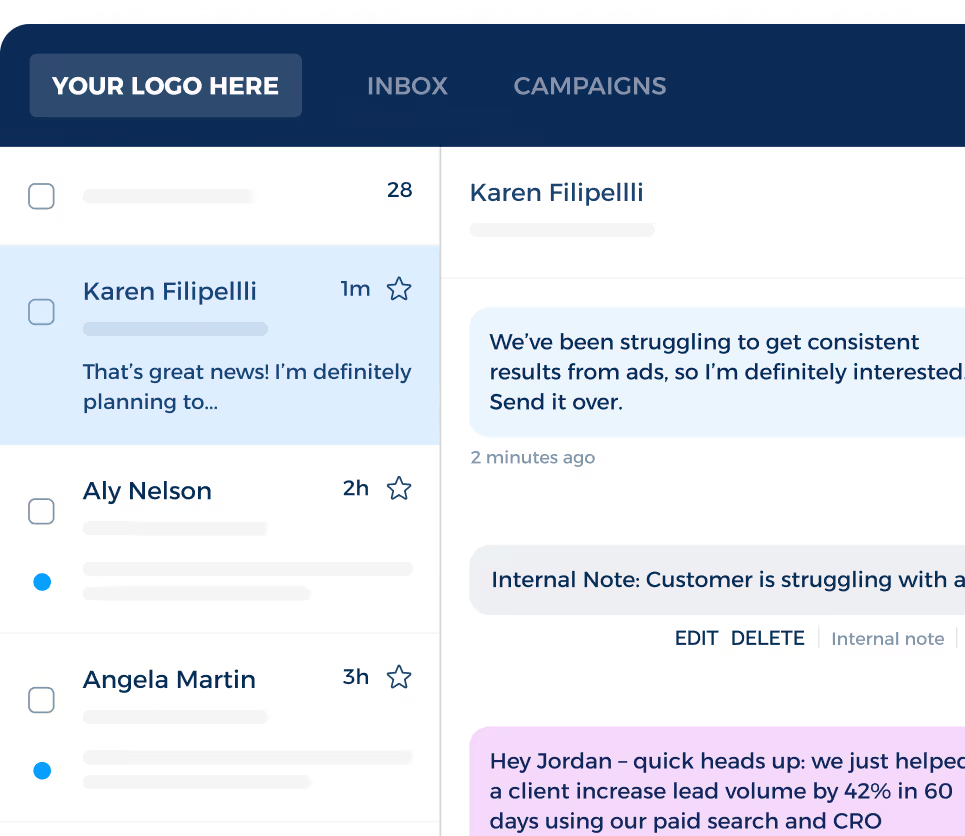
TextUs includes a RESTful SMS API if you want texting built into your product, platform, or internal system. You can add two-way messaging, create custom integrations, and expand SMS functionality with detailed documentation and responsive support.
Two-Way Messaging and Shared Inbox
Twilio can support inbound replies and outbound messages through its Messaging API. But you will still need an interface for conversation ownership, assignments, notes, follow-ups, and shared visibility.
Plivo can receive inbound SMS through an SMS-enabled Plivo number and a configured Message URL. That works for message routing, but routing is not the same as inbox collaboration.
TextUs has a shared SMS inbox that helps you move faster when new replies come in. Real-time notifications alert users the moment a contact responds, so staff can communicate directly while interest is still fresh.
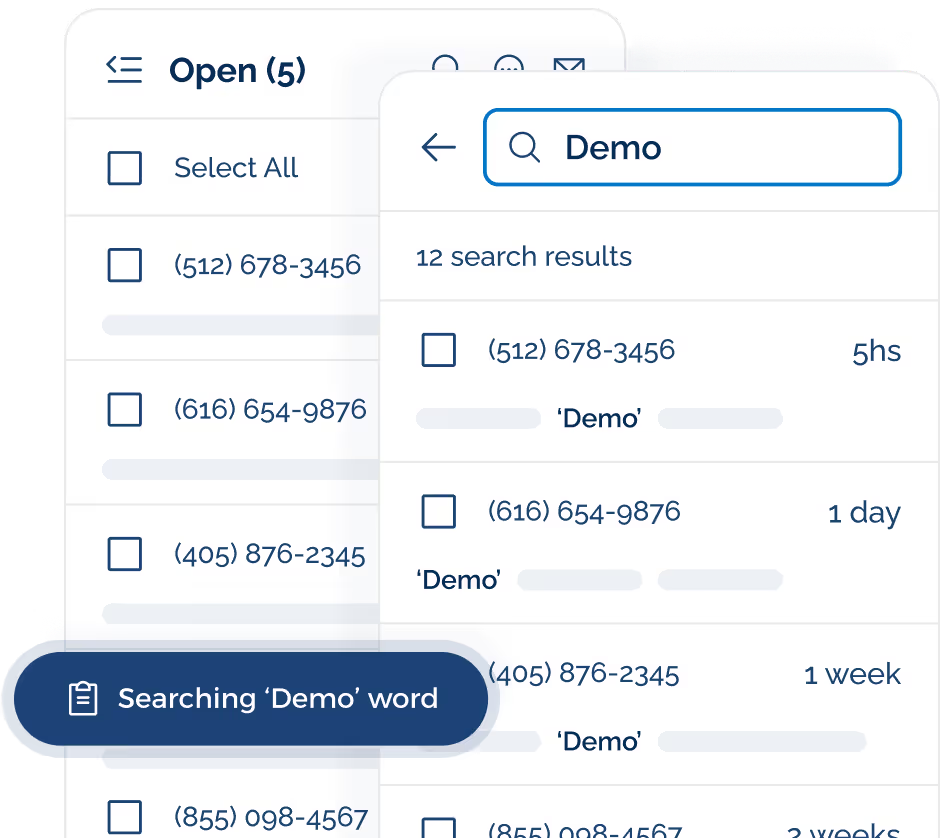
Every conversation can be assigned to the right teammate, which keeps ownership clear and prevents crossed wires. You avoid double-texting, missed follow-ups, and internal confusion because everyone can see who owns the next step.
Desktop and mobile access keep conversations moving wherever work happens. It lets you monitor inbox activity, assign messages, and respond in the moment to keep momentum after every campaign.
Campaign Management
Twilio is designed for high-volume messaging. Twilio Studio is a visual workflow builder with a drag-and-drop interface for certain messaging and communication flows.
Plivo handles SMS delivery through API-based workflows. Its 10DLC process includes brand registration, campaign registration, and number linking for U.S. long-code traffic.
However, campaign management for both platforms still depends on the system your team builds around it. List management, personalization, scheduling, compliance review, response handling, and reporting need extra structure.
TextUs campaign tools are built for action, not just sending messages. You can launch bulk SMS campaigns, personalize messages, and keep every response connected to shared inbox workflows.
Your team can export campaign data to refine workflows, show campaign results, and plan the next send with better insight.
That makes TextUs a stronger choice for teams that want SMS campaigns to lead to conversations and measurable business outcomes.
Want SMS campaigns, automation, and shared inboxes without building your own texting infrastructure? Book a demo with TextUs today!
Automation and Workflow Triggers
Twilio supports programmable automation through its Messaging API. Developers can use it for scheduled sends, delivery tracking, status callbacks, and complex workflows connected across multiple channels.
Plivo offers APIs and workflows through standard HTTP methods and JSON responses. It can also send delivery status updates to a URL so your application can log sent, delivered, failed, or related message events.
TextUs makes SMS automation feel less like a setup task and more like a growth tool. Teams can build custom drip campaigns that automatically send follow-up sequences over time.
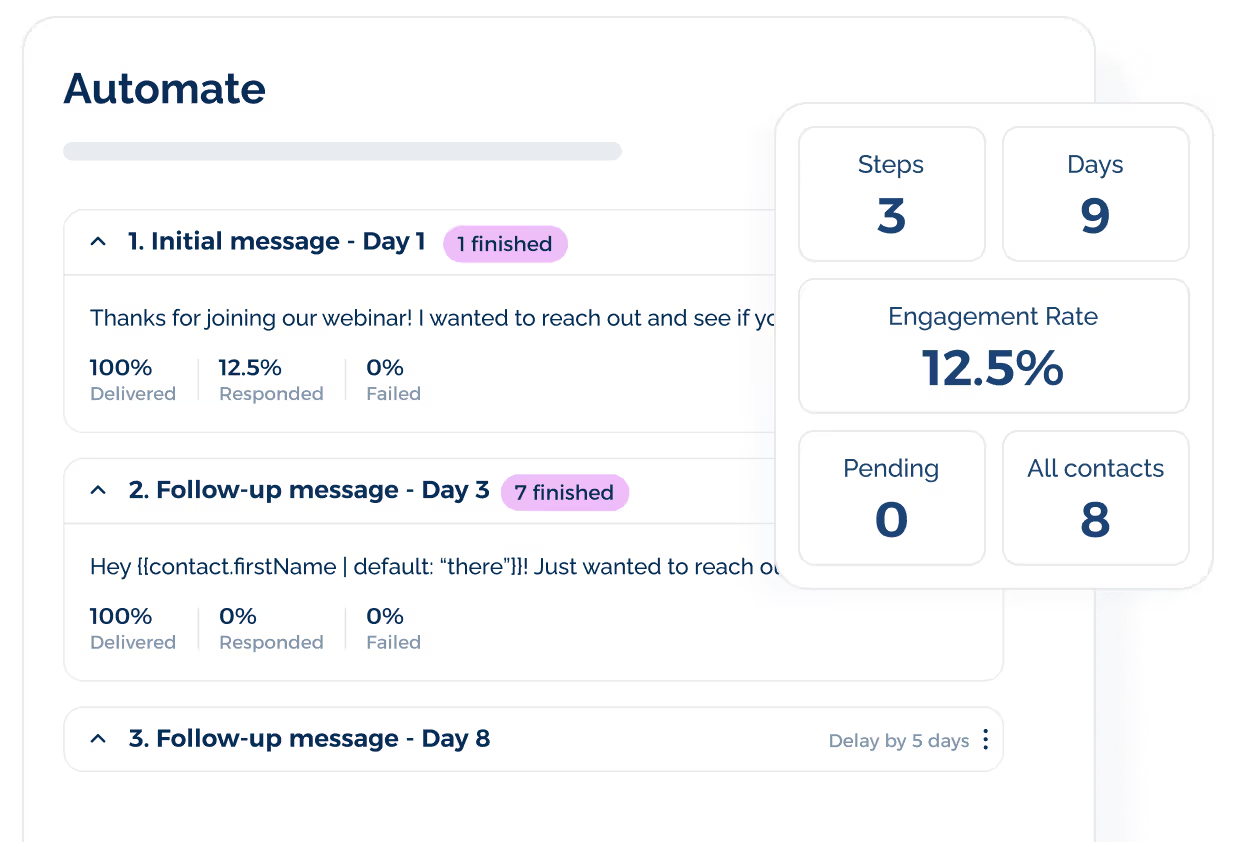
TextUs also helps you grow contact lists through SMS keywords and instant automated replies. When someone texts a keyword, the system can confirm the opt-in, send the next message, and start the conversation without making your team jump in manually.
Contact Management and Segmentation
Twilio can send and receive messages through applications. Still, contact data usually lives somewhere else, such as your CRM, app database, or internal system.
Twilio’s Messaging API focuses on message creation, delivery status, media, and history, rather than a full contact workspace.
Plivo follows the same API-first pattern. Its Messaging API handles message sending, retrieval, delivery status monitoring, and message records. Audience segmentation still depends on your CRM, database, or campaign system.
TextUs supports SMS segmentation so your team can organize contacts into more focused campaign groups.
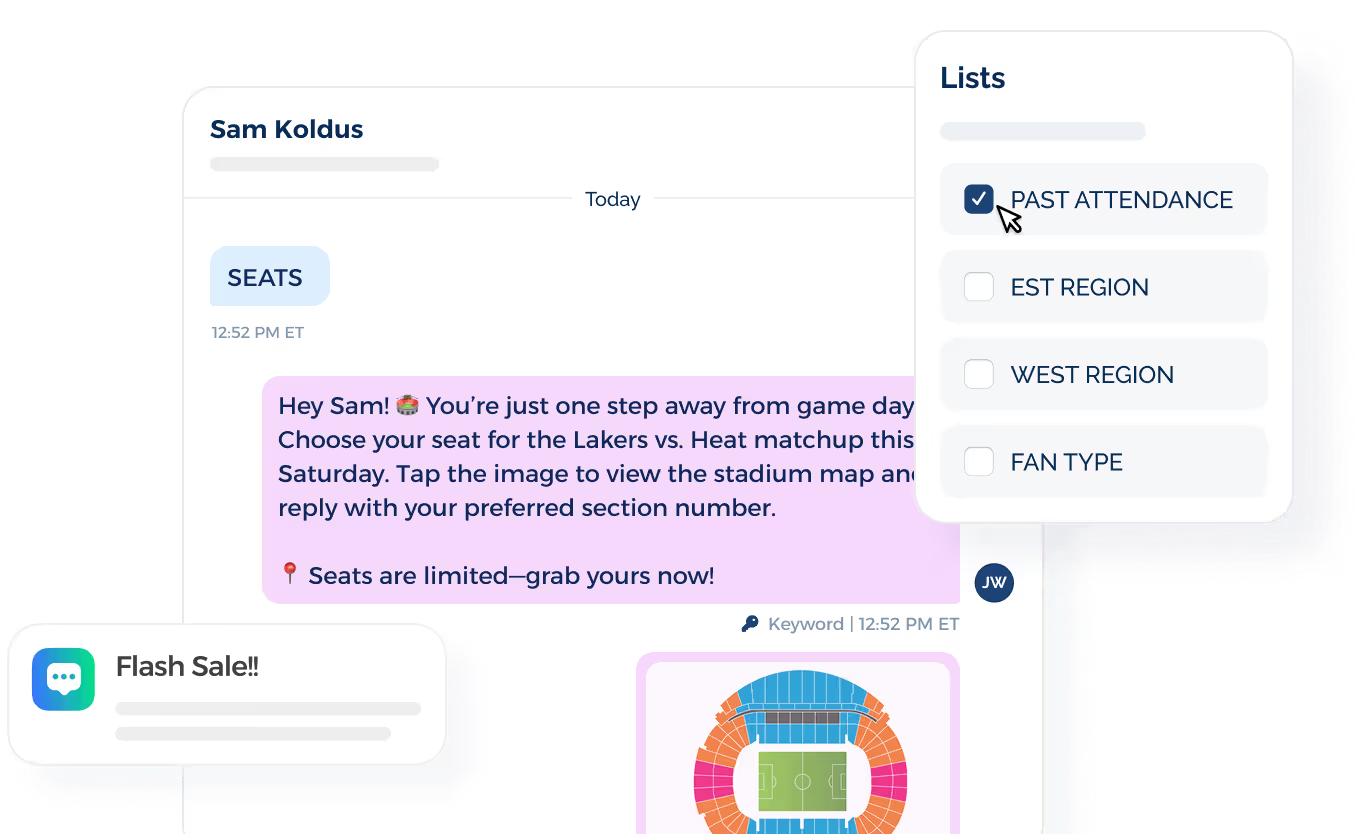
Rather than sending the same message to every contact, you can segment audiences based on CRM data, contact details, engagement history, or campaign goals.
That setup gives users more context before they send or reply. Sales teams can work from CRM-connected records, and marketers can run campaigns without separating contacts from message history.
CRM and ATS Integrations
Twilio integrates messaging to business systems through APIs, webhooks, and custom development. It can also support voice workflows through products such as Twilio Flex, Elastic SIP Trunking, caller ID controls, and TaskRouter-based call routing.
Plivo can connect messaging to internal systems through APIs and delivery callbacks. Your application configures outbound delivery reports and inbound messages sent to URLs.
TextUs brings SMS into the tools your team already uses every day. It connects with CRMs, ATS platforms, HRIS tools, and other core systems.
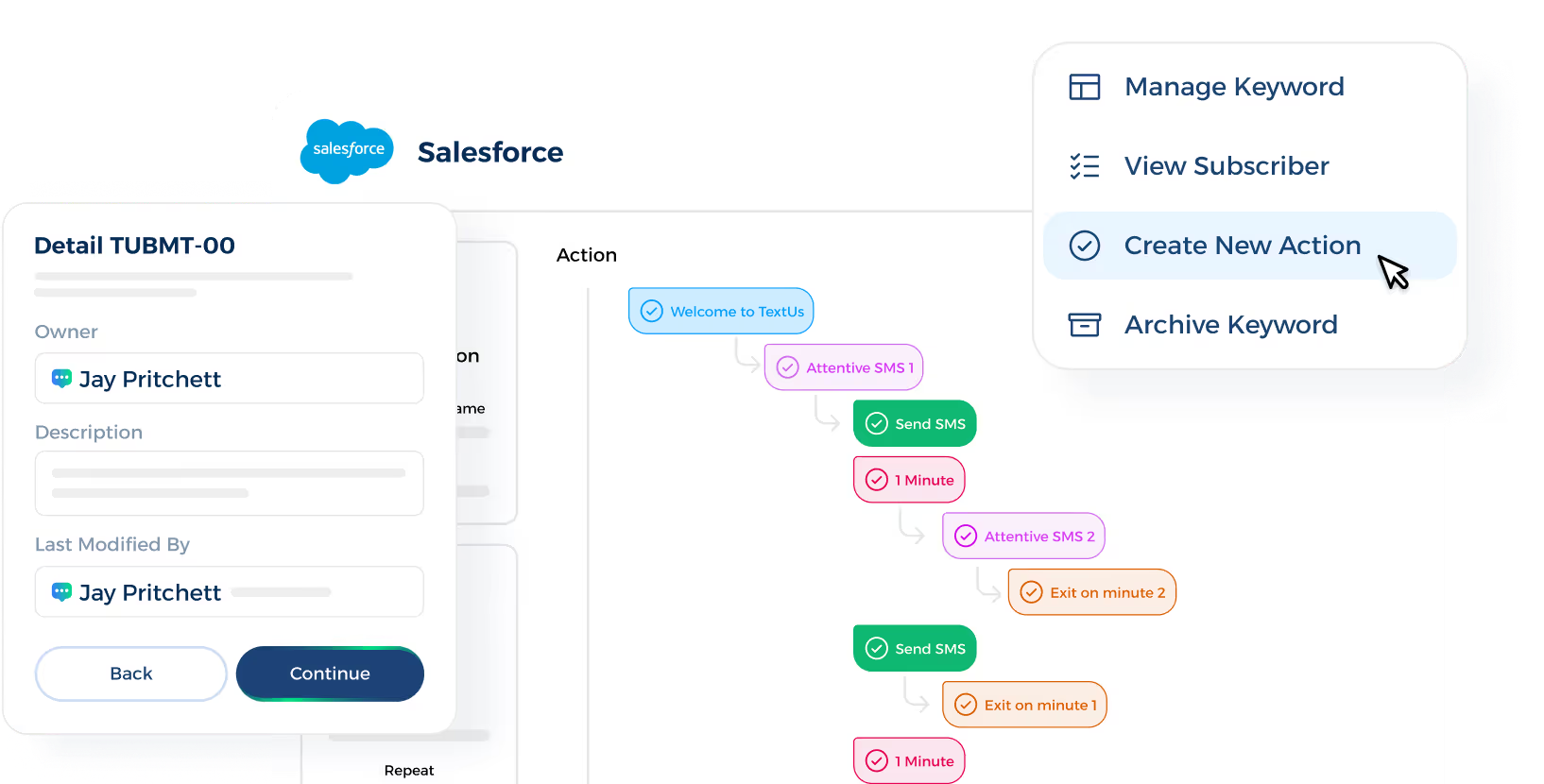
With SMS integrations, you can log every conversation, sync contacts, and add texting to existing workflows. Messages and data stay connected to the systems where your team already manages leads, candidates, customers, and follow-ups.
Analytics and Reporting
Twilio gives developers delivery status tracking, message history, media management, and message status resources through its Messaging API. It also supports status callbacks for outbound message events.
Plivo creates Message Detail Records for sent and received messages. It also provides SMS and MMS logs in the console, plus APIs and SDKs that let teams retrieve message information.
TextUs turns analytics into a practical tool for improving SMS performance.
The platform tracks click activity, response rates, and delivery rates. Your team can see what reached contacts, what sparked replies, and what drove engagement.
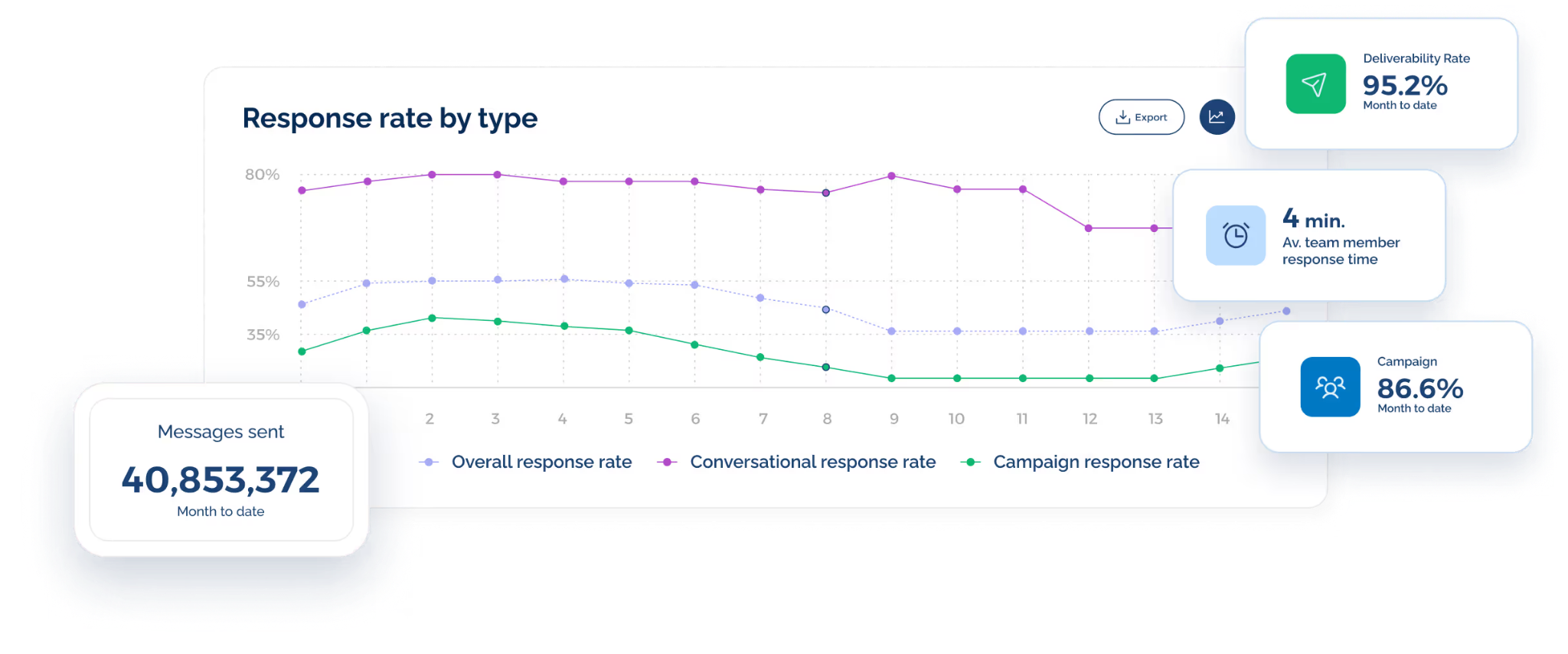
Those insights make it easier to identify trends. You can also spot which messages get stronger engagement and build future campaigns based on real conversation results.
Compliance and Consent Management
Twilio supports A2P 10DLC compliance for U.S. long-code messaging. Their campaign review can take 10 to 15 business days due to increased submissions, and approved campaigns can begin sending after review.
Plivo supports 10DLC registration through brand registration, campaign registration, and number linking. You can complete those steps in the Plivo console or through API workflows.
TextUs makes SMS compliance easier to manage before campaigns go live.
For 10DLC registration, TextUs customers can complete and submit the required form through a unique registration link from the TextUs team. This makes the registration process easier to manage and less technical for customers.

Smart Delivery adds another layer of protection during campaign creation. It uses real-time AI risk detection, message optimization, and proactive compliance controls to flag issues before messages are sent.
TextUs also includes SMS opt-out risk tracking, which monitors opt-out thresholds in real time. If a campaign shows high risk, Smart Delivery can pause it automatically to reduce the chance of carrier blocking and protect future deliverability.
Pricing Comparison: Plivo vs Twilio vs TextUs
SMS pricing is one of the biggest factors to consider when choosing a platform. However, lower per-message pricing does not always translate into lower operational costs once development, maintenance, and workflow management are included.
Twilio Pricing
Twilio uses usage-based SMS and MMS pricing for U.S. messaging. SMS for long codes, toll-free numbers, and short codes starts at $0.0083 per outbound or inbound message.
MMS generally starts at $0.0220 outbound and $0.0165 inbound for long codes and short codes, with toll-free MMS inbound listed at $0.0200.
Twilio also has broader channel offerings, such as Facebook Messenger, web chat, and voice tools you can manage through the Twilio Console.
Its global reach and super network may fit larger teams, but those added options can increase setup needs and total monthly cost.
Plivo Pricing
Plivo uses pay-as-you-go pricing with no lock-in and starts new users with $10 in free trial credits. It also offers an Enterprise plan that starts at $1,000 per month for larger usage needs.
Long code and short code SMS cost $0.0077 per outbound or inbound message, while toll-free SMS costs $0.0079 per outbound or inbound message.
Plivo publishes detailed raw API rates, number rental costs, and carrier surcharge fees. Still, pricing mainly covers API delivery, so you may need additional tools or development work.
The platform also has global coverage, email support, and voice-related options. It also offers call forwarding, which can support teams that want SMS and calling features in one API-first setup.
TextUs Provides Better SMS Value
TextUs starts at $299 per month for Pro, which includes 5,000 messages and 5 phone numbers.
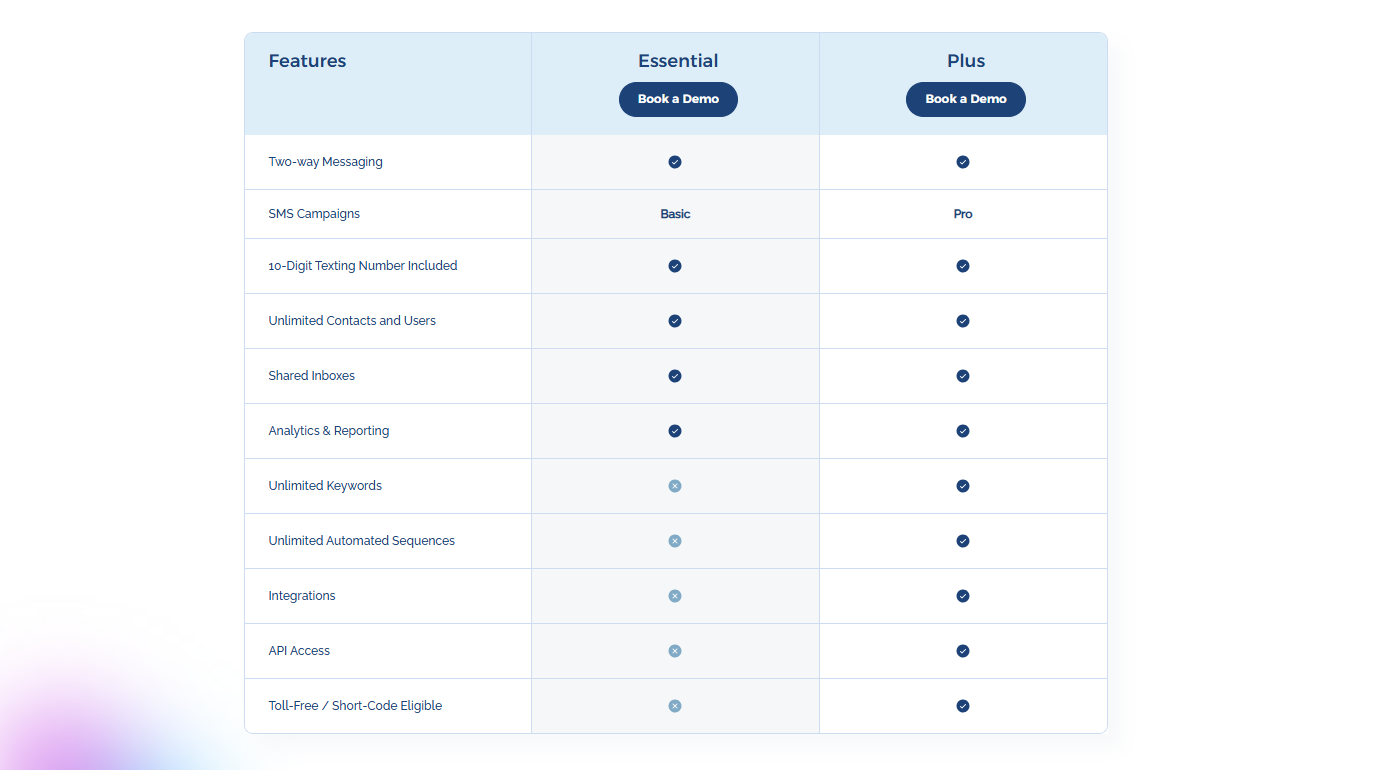
Pro includes two-way SMS and MMS messaging, SMS campaigns, shared inboxes, analytics, integrations, automation, and a dedicated texting number.
Teams that need more can step up to Enterprise, which is custom priced and adds a dedicated, named Customer Success Manager, short-code eligibility, and RCS Branded Sender eligibility.
For small businesses and growing teams, TextUs delivers more value. All plans and quotes are customizable to align with your actual team structure, messaging volume, integrations, and campaign needs.
Make Business Texting Less Technical With TextUs
Twilio and Plivo are built for businesses that prefer their developers to create and maintain SMS workflows through APIs.
Both are leading CPaaS providers if you have the time, budget, and technical resources to build every piece around message delivery.
But TextUs is the best SMS platform when you want SMS to feel less like a technical project and more like a growth channel your team can use every day.
It brings shared inboxes, two-way texting, campaigns, automation, CRM, and ATS integrations, compliance tools, and analytics designed for personalized communications.
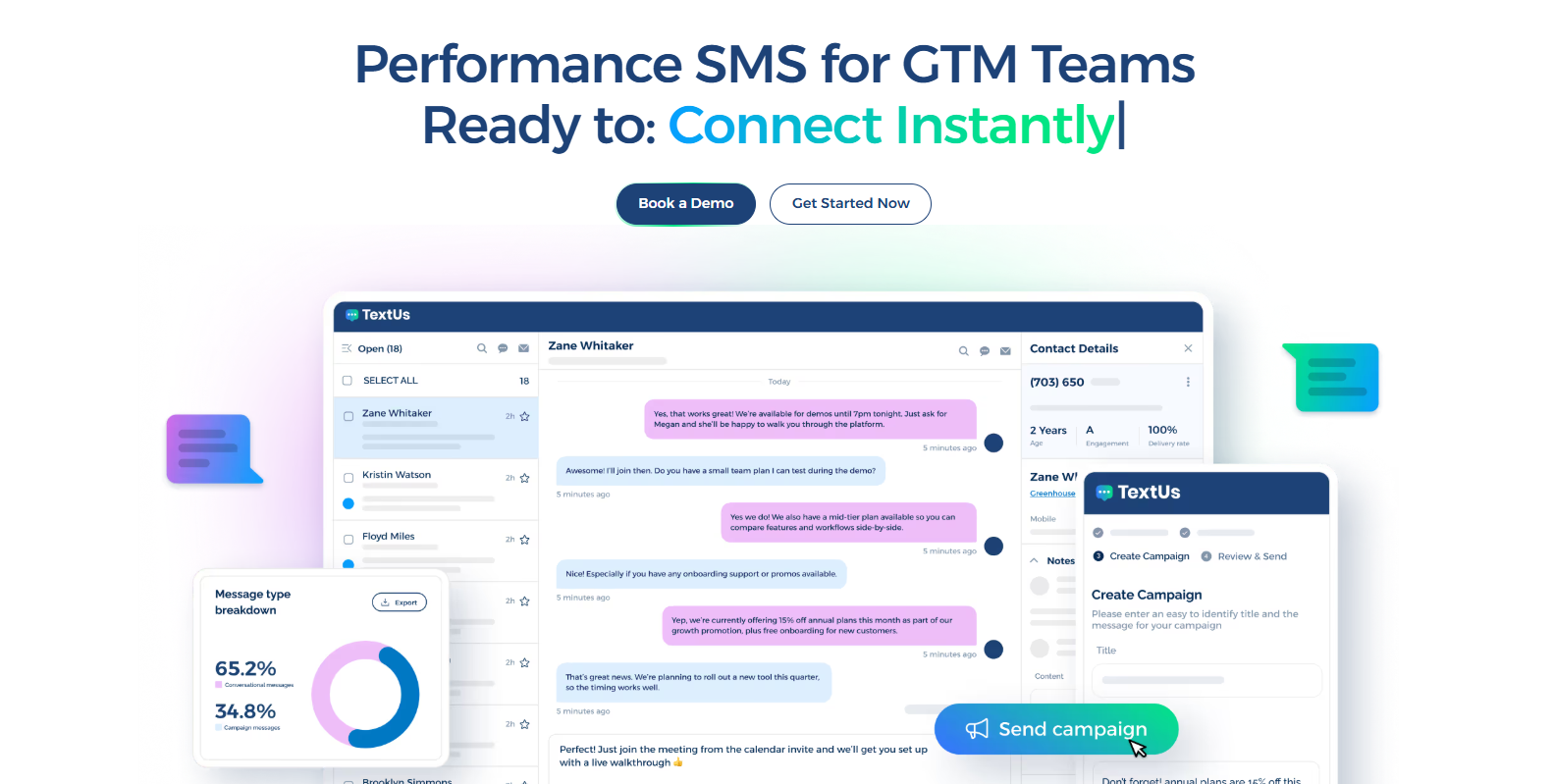
With TextUs, you can launch outreach faster, respond while interest is high, keep every conversation organized, and create a better customer experience. Book a demo today!
Continue Reading



Frequently Asked Questions
Can Twilio or Plivo connect to Salesforce?
Yes, both can connect to Salesforce through APIs or custom integrations. TextUs is easier for teams that want CRM-connected texting, conversation logging, contact syncing, and shared inbox workflows without custom development.
Which platform is better for SMS automation?
Twilio and Plivo can support automation through API triggers and custom workflows. TextUs is better when you need drip campaigns, SMS keywords, scheduled messages, automated responses, and reply management in one platform.
Which platform is ideal for voice APIs?
Twilio can integrate voice into broader communication workflows and includes tools for programmable voice, video, verification, and messaging. Plivo focuses more on SMS and voice APIs for businesses that want a simpler API-first setup.
Business Texting
Built for Results
Create and convert pipeline at scale through industry leading SMS software